Directory
Attractions
160+ profiles covering imperial sites, Buddhist and Daoist mountains, museums, gardens, water towns, modern landmarks and the great natural parks. Filter by city, category, time needed and entry fee.
237 of 237 attractions
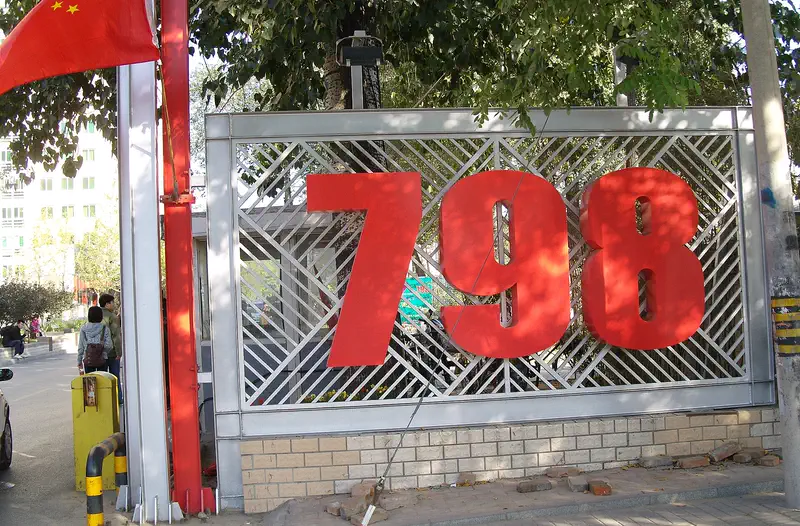
798 Art District 798艺术区
Converted East German-built electronics factory in northeast Beijing, now China's most established contemporary-art district.
China Visit Guide
Ancient Villages of Southern Anhui — Xidi and Hongcun
Ancient Villages of Southern Anhui — Xidi and Hongcun 皖南古村落—西递、宏村
UNESCO-listed pair of Ming-Qing Huizhou merchant villages in southern Anhui, renowned for whitewashed walls, inky horsehead gables and moon-shaped ponds.
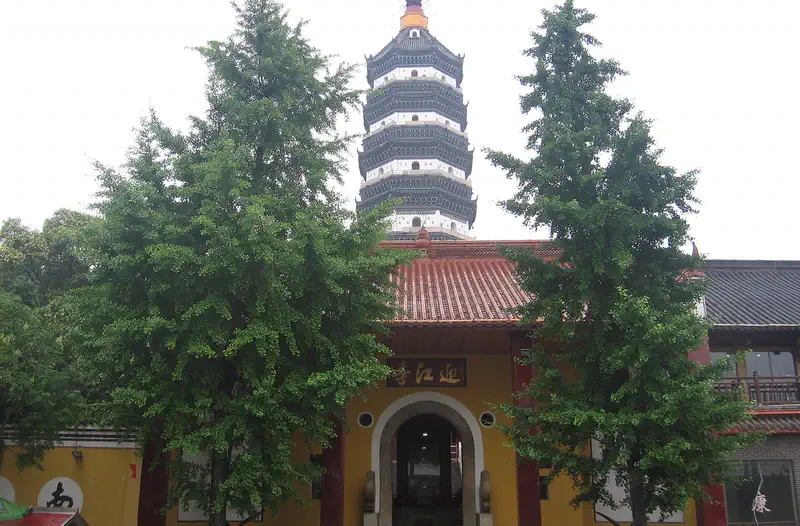
Anqing Zhenfeng Pagoda 安庆振风塔
A seven-storey Ming Dynasty pagoda standing on the bank of the Yangtze River in Anqing, considered one of the finest riverside pagodas in southern China and long used as a navigation landmark by Yangtze river pilots.
China Visit Guide
Archaeological Ruins of Liangzhu City
Archaeological Ruins of Liangzhu City 良渚古城遗址
UNESCO-listed archaeological site in Hangzhou preserving the remains of a 5,000-year-old city with a sophisticated water-management system, jade ritual culture and social hierarchy — regarded as one of the earliest state-level societies in East Asia.
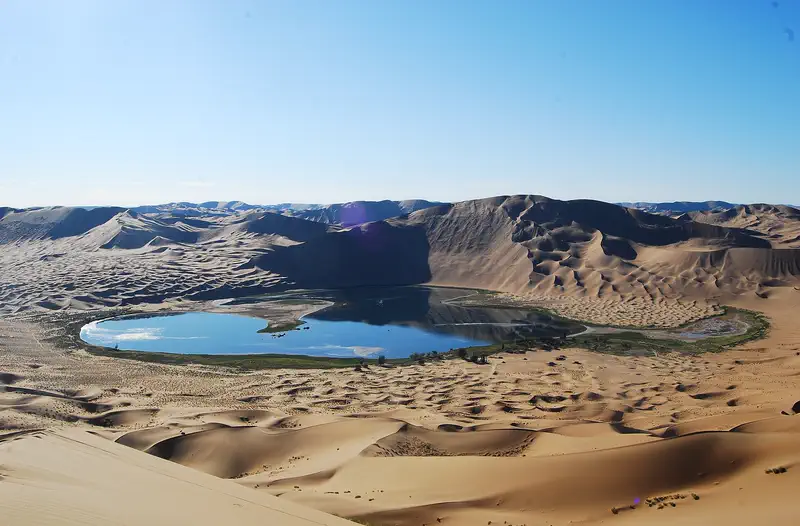
Badain Jaran Desert — Lakes and Dunes 巴丹吉林沙漠—沙山湖泊群
UNESCO Natural World Heritage site in Inner Mongolia — the third largest desert in China, featuring some of the world's tallest stationary dunes and a unique network of freshwater and saline lakes sustained by a still-unexplained subterranean water system.
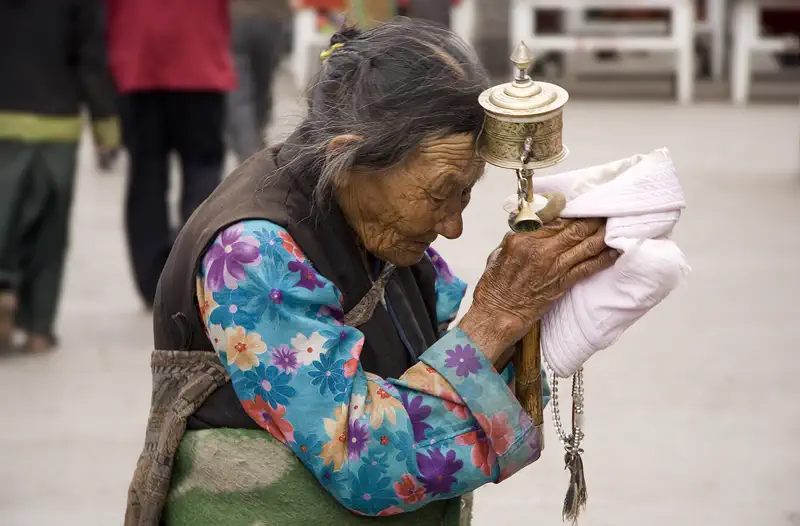
Barkhor Pilgrim Circuit 八廓街
1 km clockwise pilgrim circuit around the Jokhang Temple. Pilgrims prostrate themselves around the route; Tibetan-traditional shopping plus daily life.
China Visit Guide
Beihai Park
Beihai Park 北海公园
1,000-year-old imperial garden directly northwest of the Forbidden City. Centred on Beihai Lake with the White Pagoda on Jade Flower Island.
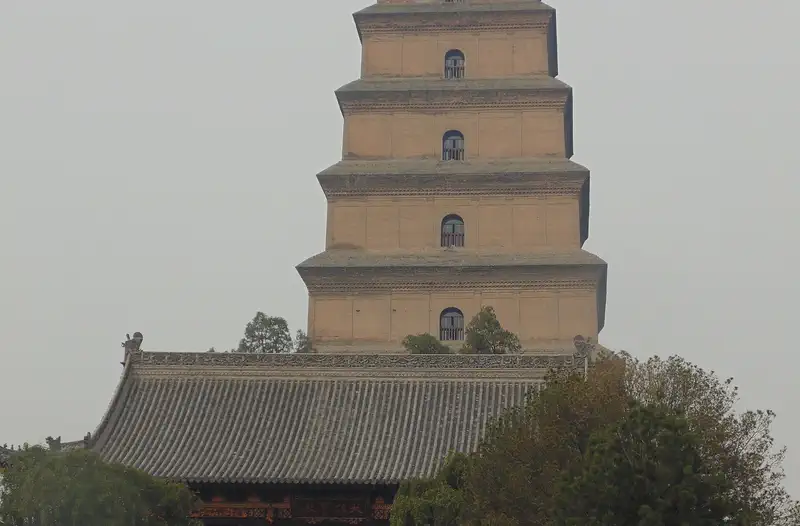
Big Wild Goose Pagoda 大雁塔
Tang-dynasty Buddhist pagoda, built 652 CE to house the sutras brought back by Xuanzang. 64m, seven storeys, climbable.
China Visit Guide
Black Dragon Pool
Black Dragon Pool 黑龙潭
Spring-fed pool in Lijiang with a five-arch white bridge and a clear-day view of Jade Dragon Snow Mountain reflected in the water.
China Visit Guide
Canton Tower
Canton Tower 广州塔
604m broadcast tower with three observation decks, glass-floor sky-walk, and the 'Bubble Tram' Ferris wheel on top.
China Visit Guide
Capital Cities and Tombs of the Ancient Koguryo Kingdom
Capital Cities and Tombs of the Ancient Koguryo Kingdom 高句丽王城、王陵及贵族墓葬
UNESCO-listed capital cities and royal tombs of the Koguryo Kingdom in Jian, Jilin — the Chinese portion of a transnational heritage property shared with North Korea, representing one of the most powerful states of ancient East Asia.
China Visit Guide
Capital Museum
Capital Museum 首都博物馆
Beijing's history museum — bronze, ceramics, paintings, and a strong narrative of the city's evolution from Yan kingdom through the present.
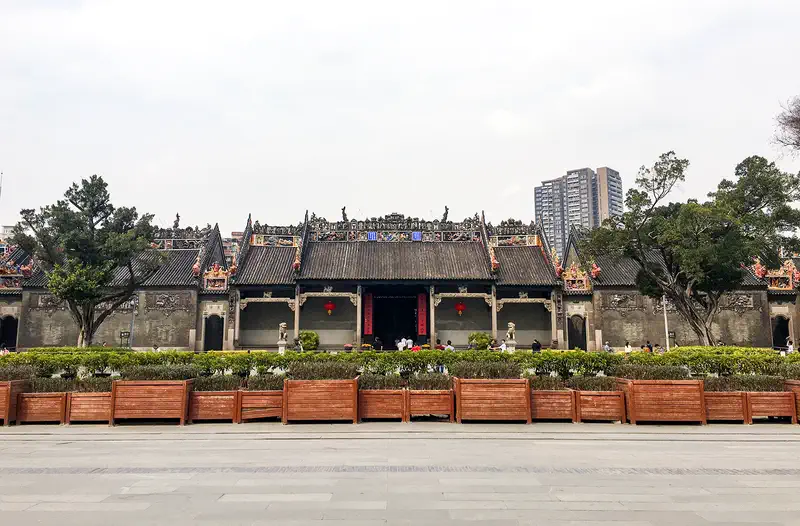
Chen Clan Ancestral Hall 陈家祠
The most ornate Lingnan-style courtyard complex in China, built 1894 as the academy and ancestral hall for the Chen clan of Guangdong.
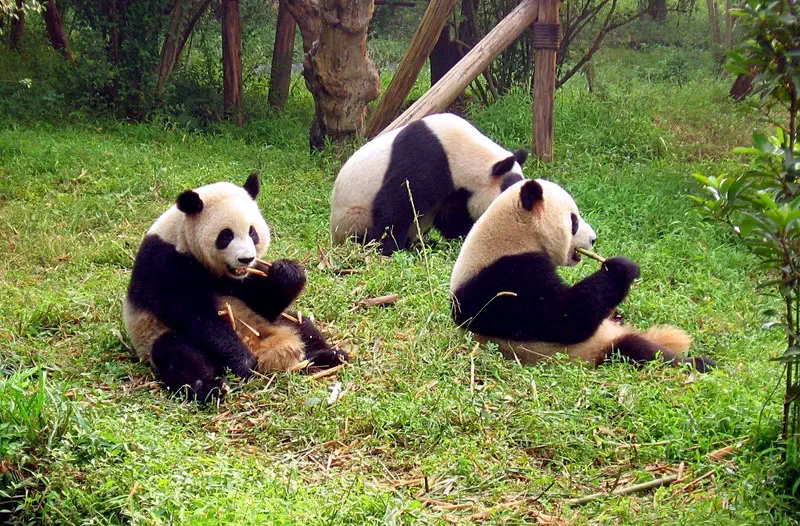
Chengdu Research Base of Giant Panda Breeding 成都大熊猫繁育研究基地
100+ giant pandas across multiple enclosures, 30 minutes north of central Chengdu. Visit before 10am for the active feeding period.
China Visit Guide
China Danxia
China Danxia 中国丹霞
UNESCO Natural World Heritage site — a serial property of six Danxia landscapes across six provinces, representing China's defining red-cliff-and-pillar sandstone landform type, including Danxia Mountain, Zhangye, Taining and Langshan.
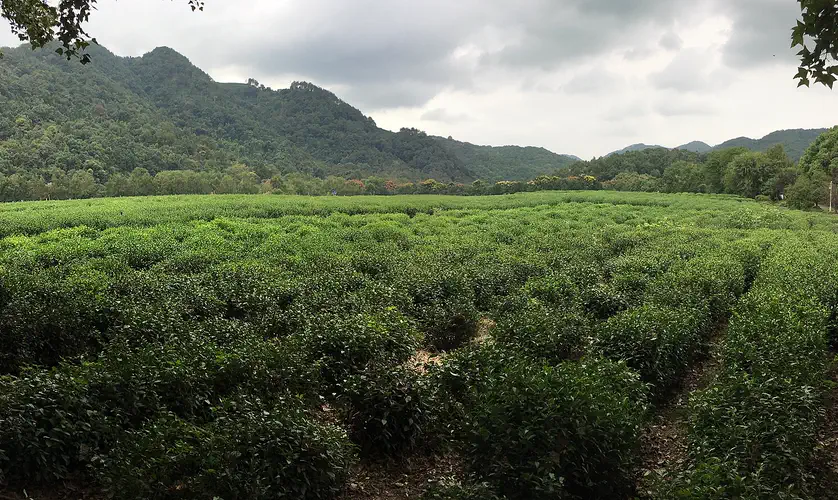
China National Tea Museum 中国茶叶博物馆
Comprehensive museum of Chinese tea history, varieties, and culture. Free entry; in the Longjing tea-growing hills.
China Visit Guide
Classical Gardens of Suzhou (UNESCO)
Classical Gardens of Suzhou (UNESCO) 苏州古典园林
UNESCO-listed collection of private gardens in Suzhou — four inscribed in 1997 and five more added in 2000 — representing the pinnacle of Chinese garden design through the refined integration of architecture, water, rock and plant.
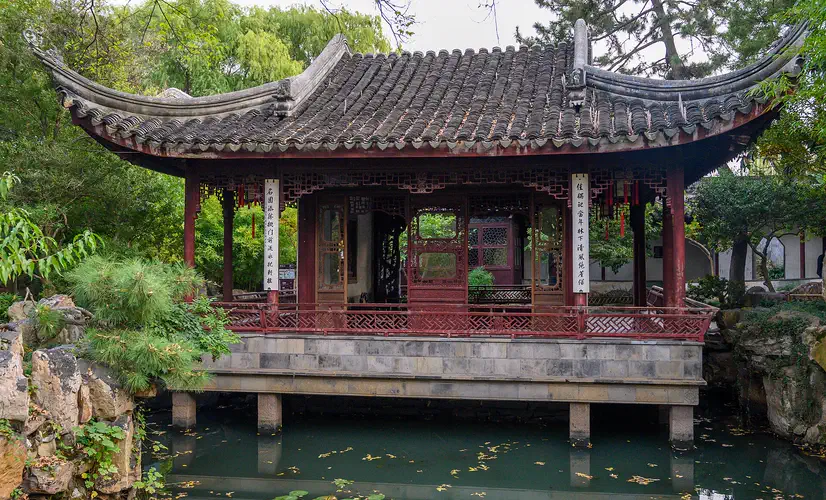
Couple's Retreat Garden 耦园
UNESCO-listed Suzhou garden organised symmetrically around a central residence. Less crowded than the four most-visited gardens.
China Visit Guide
Crescent Lake & Mingsha Mountain
Crescent Lake & Mingsha Mountain 月牙泉与鸣沙山
Spring-fed crescent-shaped lake at the foot of 250m sand dunes, 5 km south of Dunhuang. Camel rides, sand-sledding, sunset viewing.
China Visit Guide
Danba Tibetan Watchtowers
Danba Tibetan Watchtowers 丹巴碉楼
Clusters of ancient stone watchtowers rising above Tibetan village complexes in the Dadu River valley, said to be among the oldest surviving examples of Tibetan defensive architecture.
China Visit Guide
Daocheng Yading Nature Reserve
Daocheng Yading Nature Reserve 稻城亚丁
A remote highland sanctuary in south-western Sichuan centred on three sacred snow peaks venerated by Tibetan Buddhism, often called the 'last Shangri-La'.
China Visit Guide
Dianchi Lake Kunming
Dianchi Lake Kunming 滇池
The largest freshwater lake in Yunnan at 300 km², historically the scenic centrepiece of the Kunming basin and now being restored after decades of water-quality degradation.
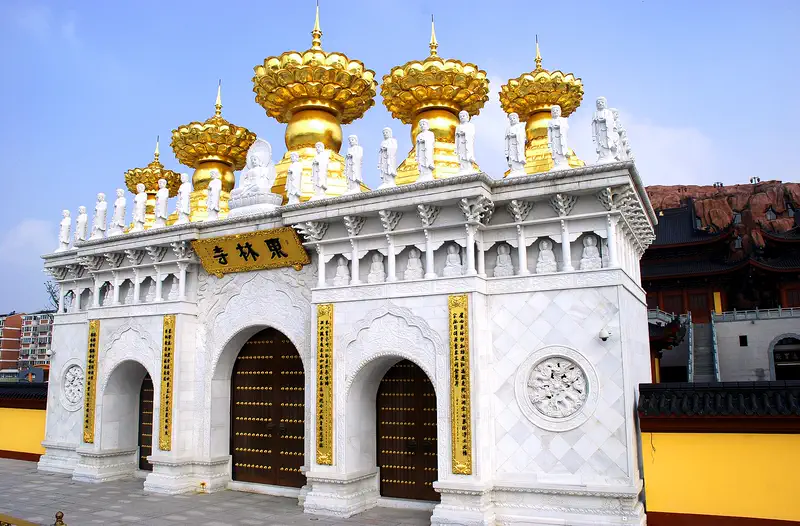
Donglin Temple (East Forest Monastery) 东林寺
One of the most important Buddhist monasteries in Chinese history, founded in 386 CE at the foot of Mount Lu and considered the birthplace of Pure Land Buddhism in China.
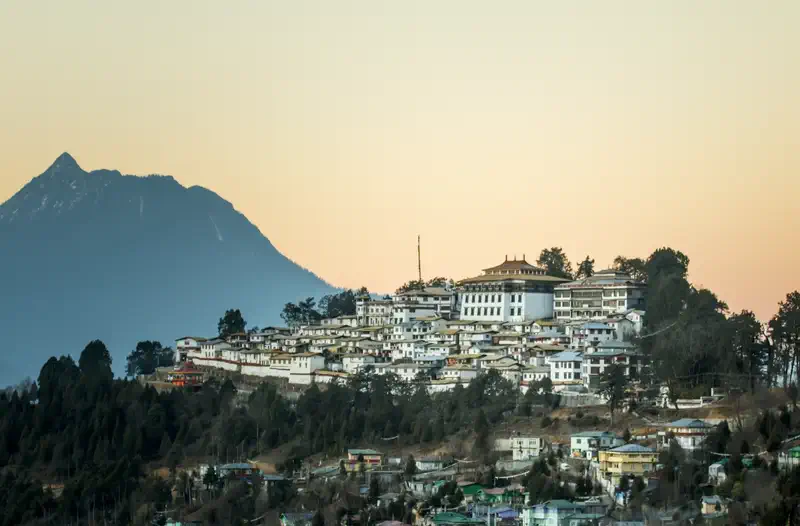
Drepung Monastery 哲蚌寺
Once the largest monastery in the world (10,000+ monks). 8 km west of Lhasa. Active Gelugpa monastery; debating courtyard sessions in the afternoon.
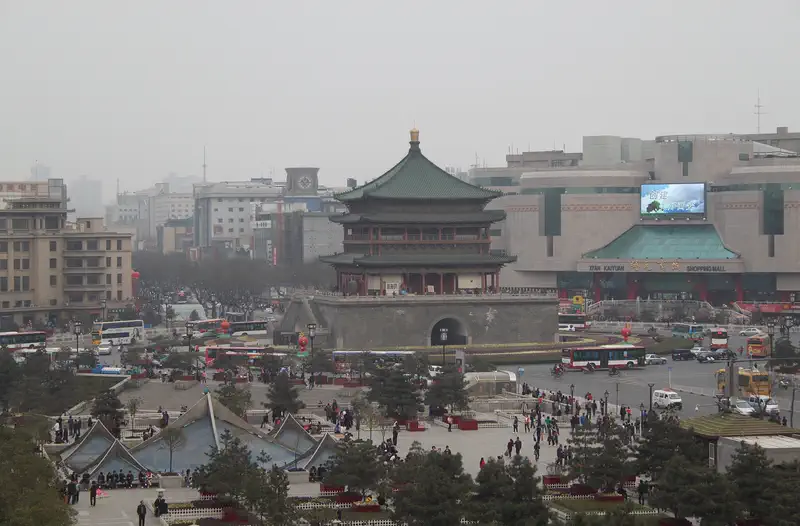
Drum Tower and Bell Tower 鼓楼钟楼
Yuan-dynasty drum and bell towers that kept official time for imperial Beijing. Climbable; daily drum performances.
China Visit Guide
Dujiangyan Irrigation System
Dujiangyan Irrigation System 都江堰
2,300-year-old irrigation system on the Min River. Still in use. UNESCO-listed jointly with Mt Qingcheng. Engineering rather than architecture, but one of the great works.
Dujiangyan Panda Base 都江堰熊猫基地
Quieter alternative to the Chengdu panda base, 60 km west. Smaller scale; volunteer programmes for international visitors.
China Visit Guide
Eastern Qing Tombs (Qing Dongling)
Eastern Qing Tombs (Qing Dongling) 清东陵
The largest imperial mausoleum complex in China, housing five Qing Dynasty emperors including Kangxi, Qianlong, and Empress Dowager Cixi, set in a forested valley 125 km east of Beijing.
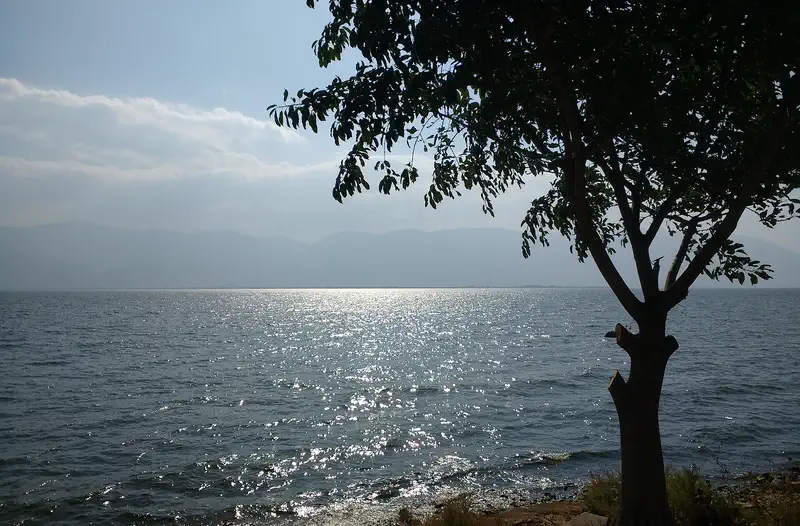
Erhai Lake 洱海
250 km² freshwater lake east of Dali Old Town. 130 km cycling loop; Bai-minority lakeside villages on the eastern shore.
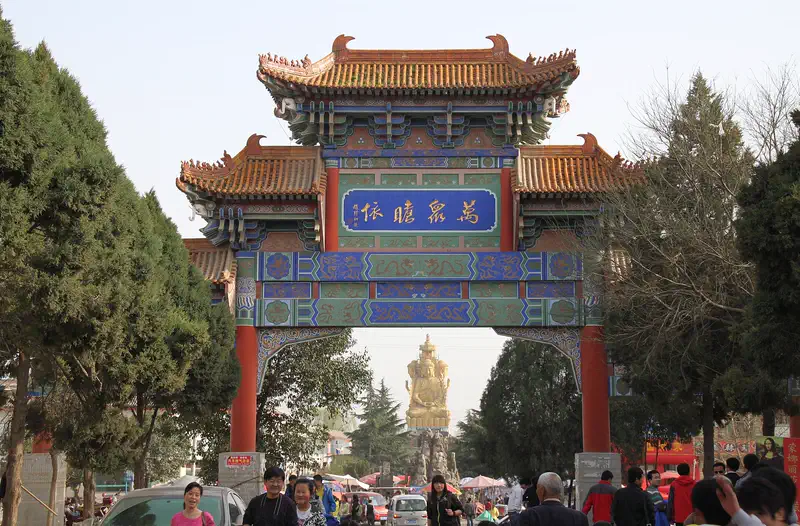
Famen Temple 法门寺
1,700-year-old Buddhist temple 110 km west of Xi'an. The 1987 discovery of a finger relic of the Buddha in its underground crypt was a major archaeological event.
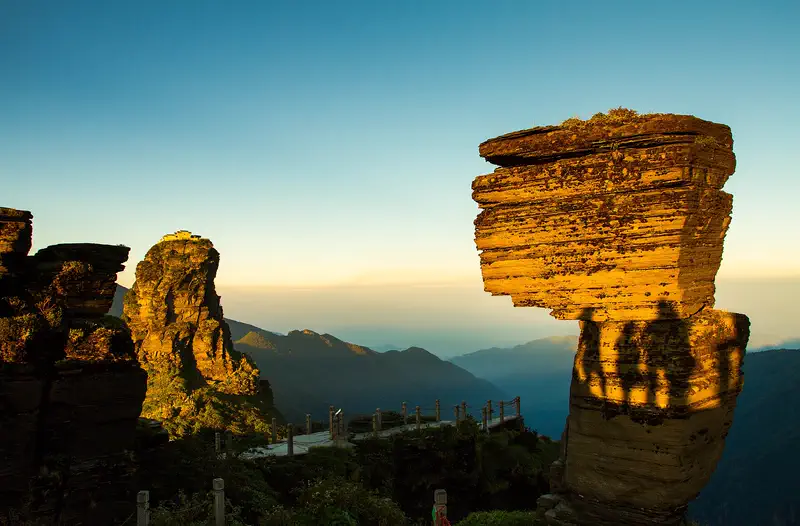
Fanjingshan 梵净山
UNESCO Natural World Heritage site in Guizhou — an isolated mountain island rising from subtropical forest, home to two critically endangered endemic species: the Guizhou snub-nosed monkey and the Fanjingshan fir.
China Visit Guide
Fenghuang (Phoenix Town)
Fenghuang (Phoenix Town) 凤凰古城
Ming-Qing town on the Tuojiang River in western Hunan. Stilted wooden houses, stone bridges, lit dramatically at night.
China Visit Guide
Fenghuang Ancient Town — Riverside Villages and Wider Circuit
Fenghuang Ancient Town — Riverside Villages and Wider Circuit 凤凰古城周边
The wider circuit of villages, cliffs, and Miao ethnic settlements surrounding the famous Fenghuang town centre on the Tuojiang River, offering a less-visited extension beyond the main tourist core.
China Visit Guide
Fengjing Ancient Town
Fengjing Ancient Town 枫泾古镇
A well-preserved water town on the border of Shanghai and Zhejiang, known as the birthplace of the folk painting genre Jinshan Peasant Art and far quieter than Zhujiajiao or Tongli.
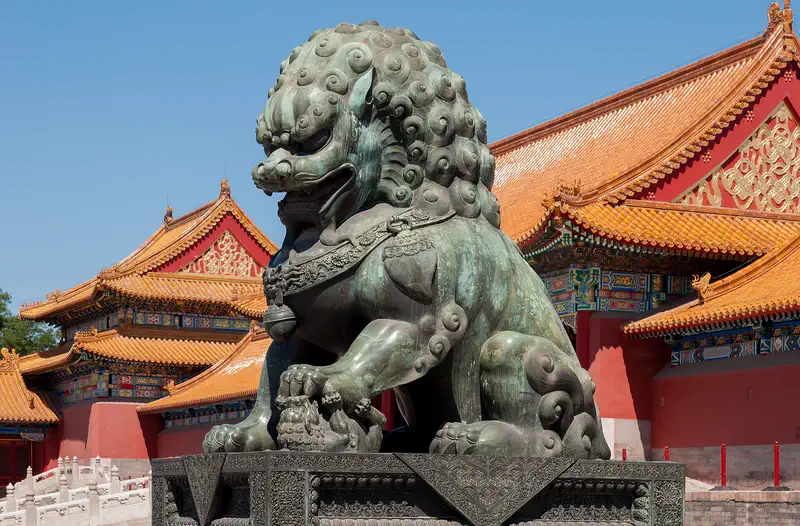
Forbidden City (Palace Museum) 故宫
The largest preserved imperial palace complex in the world, residence of 24 emperors of the Ming and Qing dynasties.
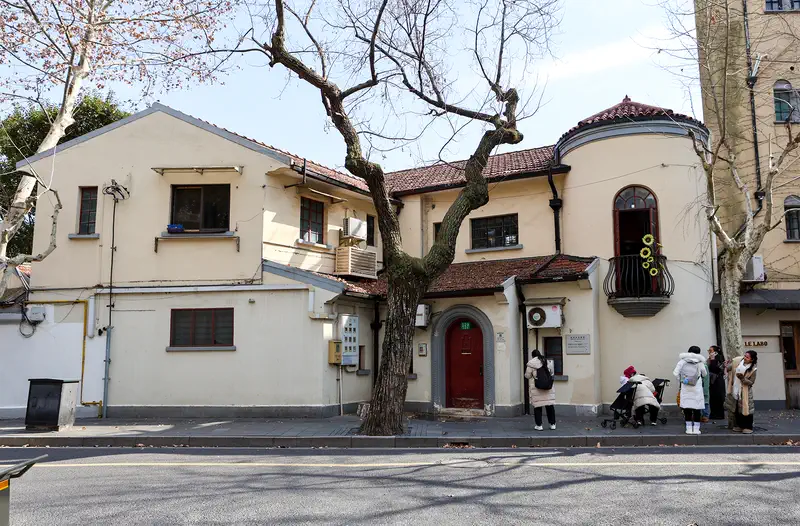
Former French Concession 法租界
Plane-tree-shaded streets of 1920s villas in central Shanghai. Wukang Road, Anfu Road, Yongkang Road — the city's most photographed cafe-and-villa district.
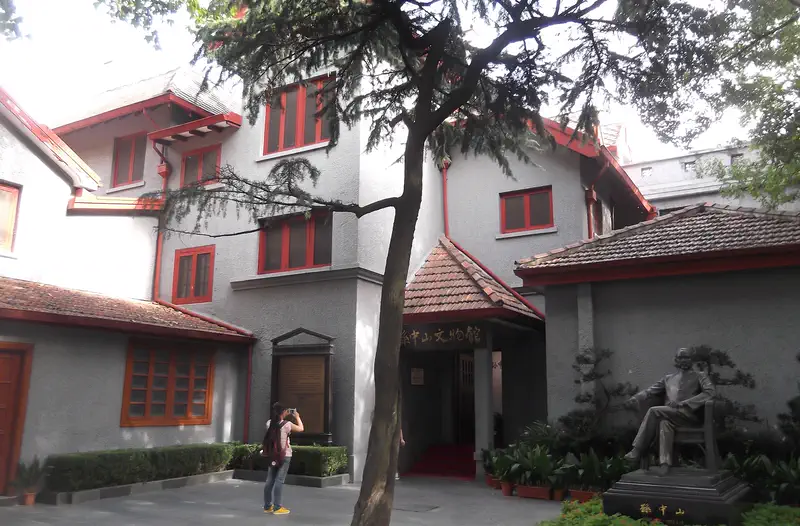
Former Residence of Sun Yat-sen 孙中山故居
1918 villa in the French Concession where Sun Yat-sen lived briefly with Soong Ching-ling. Original furnishings preserved.
China Visit Guide
Fragrant Hills (Xiangshan)
Fragrant Hills (Xiangshan) 香山
Forested hills in the northwest suburbs. Famous for the maple-and-smoke-tree autumn leaves; cable car to the summit.
China Visit Guide
Fujian Tulou
Fujian Tulou 福建土楼
UNESCO-listed Hakka and Minnan communal earthen fortresses in southern Fujian — massive circular and rectangular rammed-earth buildings that housed entire clans for centuries.
China Visit Guide
Ganden Monastery
Ganden Monastery 甘丹寺
The mother monastery of the Gelug school of Tibetan Buddhism, founded in 1409 by Tsongkhapa atop Wangbur Mountain 47 km east of Lhasa, offering sweeping plateau views and an important kora trail.
China Visit Guide
Garden of Cultivation
Garden of Cultivation 艺圃
UNESCO-listed Ming-era scholar's garden. Among the smallest and most atmospheric of Suzhou's classical gardens.
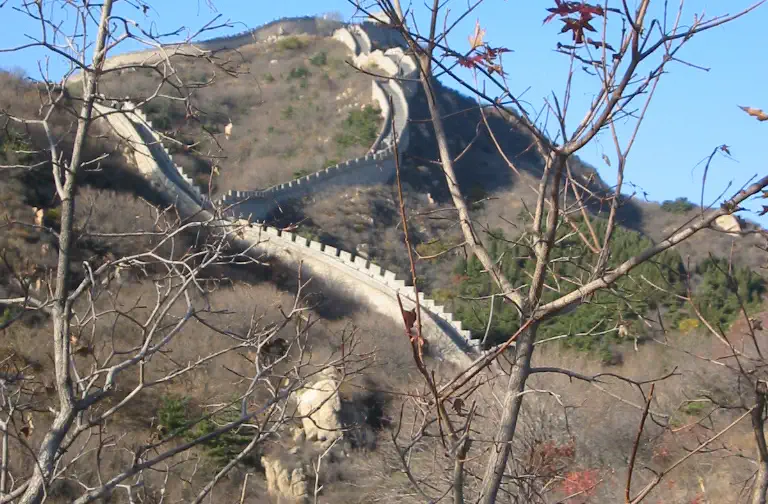
Great Wall — Badaling 八达岭长城
The closest and most-visited Great Wall section. Heavily restored, fully accessible, and packed with domestic tour groups. Useful if time is short.
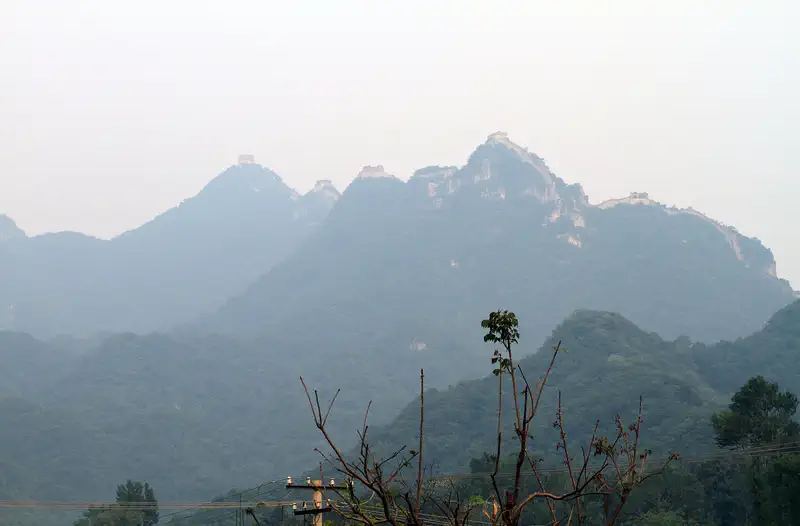
Great Wall — Jiankou 箭扣长城
Unrestored, partially collapsed Wall section in steep terrain. For experienced hikers only — the most photogenic 'wild Wall' segment near Beijing.
China Visit Guide
Great Wall — Jinshanling
Great Wall — Jinshanling 金山岭长城
Best Great Wall section for hikers — 10 km of partially restored, partially wild ridge with 67 watchtowers. The Jinshanling-to-Simatai hike is the classic.
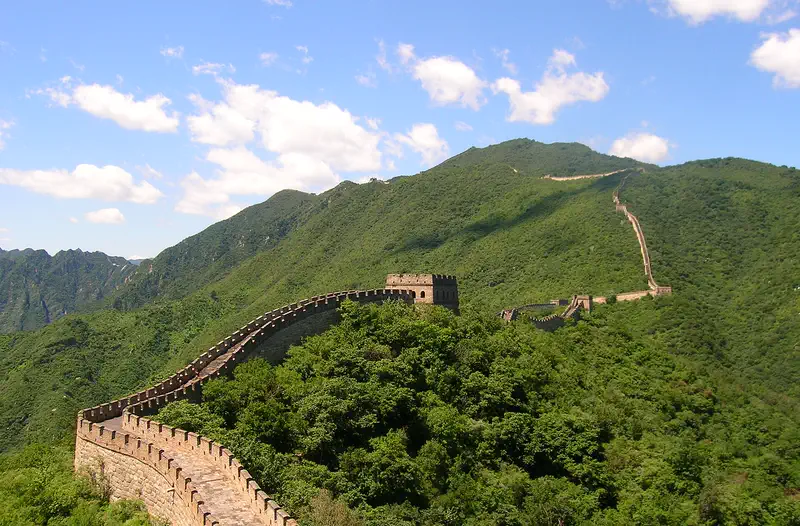
Great Wall — Mutianyu 慕田峪长城
The most accessible restored Great Wall section from Beijing, with cable car, watchtowers and a toboggan ride down. Less crowded than Badaling, more polished than the wilder sections.
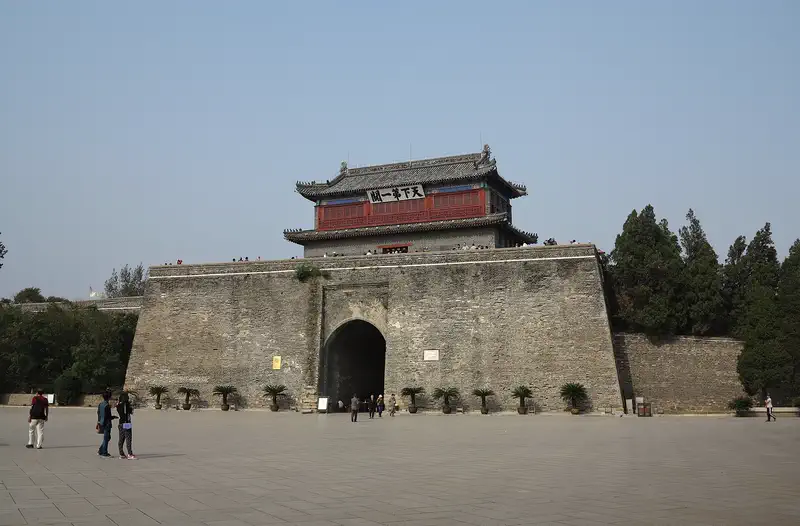
Great Wall — Shanhaiguan (First Pass Under Heaven) 长城·山海关
UNESCO-listed eastern terminus of the Ming Great Wall at Shanhaiguan — the 'First Pass Under Heaven' where the wall meets the Bohai Sea, marking the historic boundary between the Chinese heartland and the northeast.
China Visit Guide
Great Wall — Simatai
Great Wall — Simatai 司马台长城
The only Great Wall section open at night, illuminated for atmospheric photography. Combine with Gubei Water Town. Wilder, ladder sections.
China Visit Guide
Gulangyu Island
Gulangyu Island 鼓浪屿
UNESCO-listed car-free island off Xiamen, with around 1,000 European-style colonial-era villas. Walkable, music-school heritage, beaches.
China Visit Guide
Gyantse Kumbum Stupa
Gyantse Kumbum Stupa 江孜白居寺
A nine-storey mandala stupa built in 1427 containing 108 chapels on multiple floors, considered one of the finest examples of Tibetan religious architecture and the most important landmark in Gyantse.
China Visit Guide
Hailongtun Fortress
Hailongtun Fortress 海龙屯土司遗址
UNESCO-listed mountain fortress-palace of the Yang clan tusi chieftains in Guizhou — besieged and destroyed by Ming imperial troops in 1600 after a major rebellion, now one of the best-preserved defensive ruins in southwest China.
China Visit Guide
Hailuogou Glacier National Park
Hailuogou Glacier National Park 海螺沟冰川
The lowest-altitude glacier accessible in Asia, flowing from the slopes of Mount Gongga down through a bamboo and subtropical forest valley to just 2,980 m above sea level.
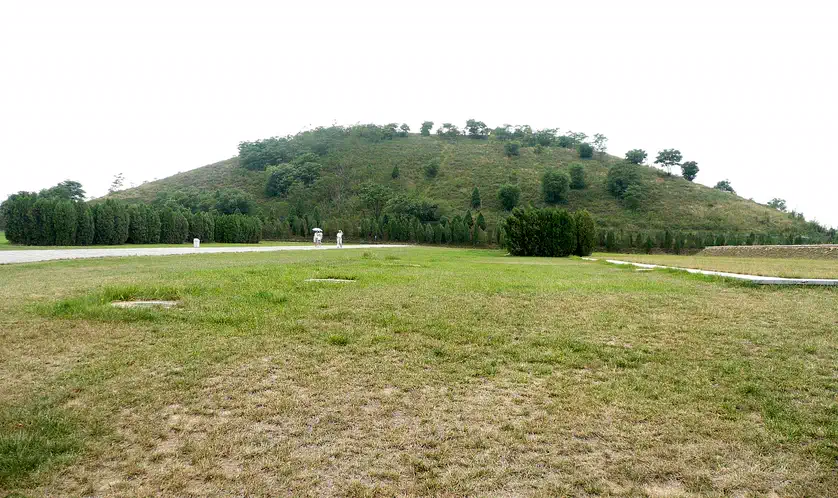
Han Yang Ling Mausoleum 汉阳陵
Tomb of Emperor Jing of Han (157–141 BCE). Pottery army figures (smaller than Qin's) excavated in situ; visitors walk on glass over the open pits.
China Visit Guide
Han Yangling Mausoleum Museum
Han Yangling Mausoleum Museum 汉阳陵博物馆
A world-class Han Dynasty imperial mausoleum museum near Xi'an presenting thousands of miniature terracotta tomb figures, including nude figurines originally dressed in silk, excavated from pits surrounding the burial mound of Emperor Jing (reigned 157–141 BCE).
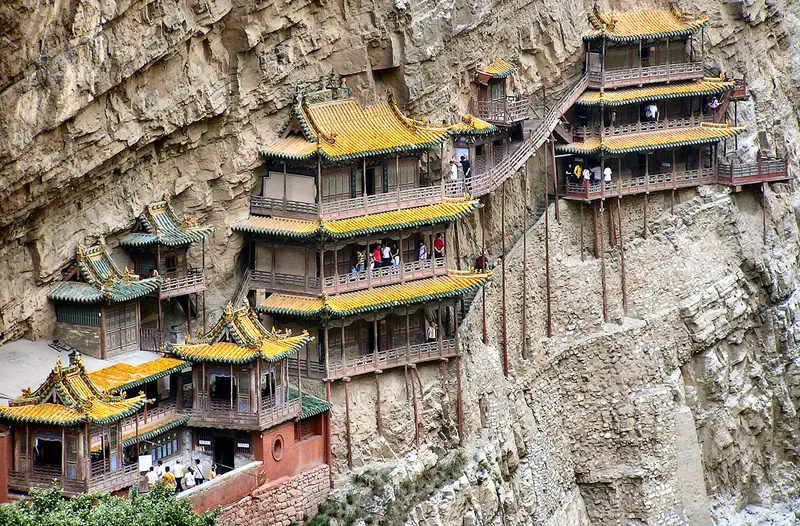
Hanging Temple 悬空寺
1,500-year-old wooden temple complex pinned to the side of a 75m cliff at Mt Heng. Engineered with horizontal posts driven into the rock face.
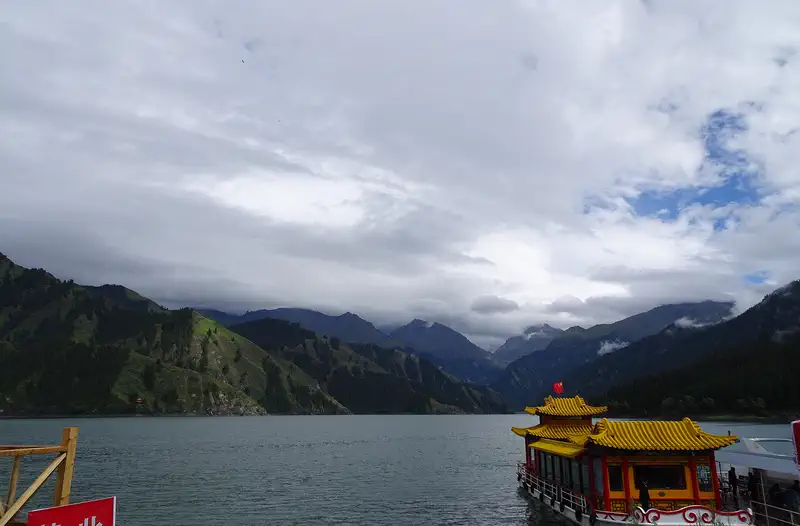
Heavenly Lake (Tianchi) 天池
Glacial lake at 1,910m beneath Mt Bogeda, 100 km east of Urumqi. The most-visited natural attraction in Xinjiang.
China Visit Guide
Historic Monuments of Dengfeng in 'The Centre of Heaven and Earth'
Historic Monuments of Dengfeng in 'The Centre of Heaven and Earth' 登封'天地之中'历史建筑群
UNESCO-listed ensemble of eight groups of ancient Chinese buildings around Songshan Mountain in Henan, spanning two millennia of astronomical, religious and educational history.
China Visit Guide
Hong Kong Disneyland
Hong Kong Disneyland 香港迪士尼乐园
Hong Kong Disneyland — the smaller of the two Chinese Disney parks but with classic-Disney charm. On Lantau.
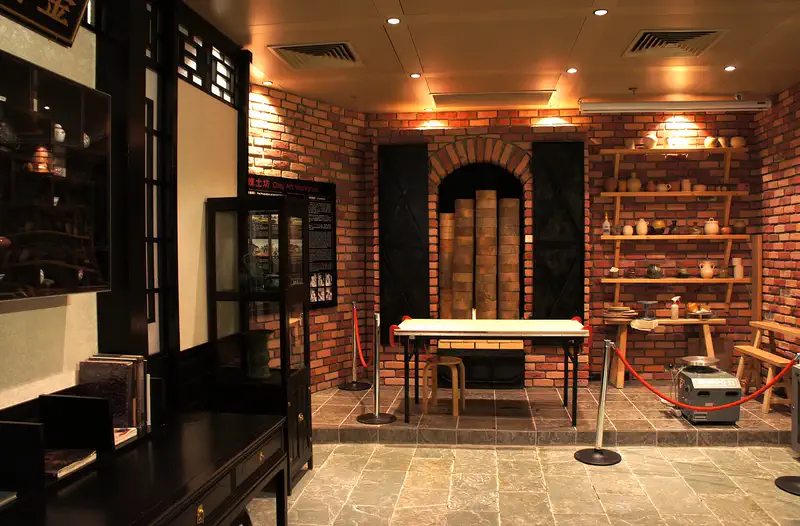
Hong Kong Museum of Art 香港艺术馆
Hong Kong's premier art museum on the Tsim Sha Tsui waterfront. Strong Chinese painting and contemporary HK art collections.
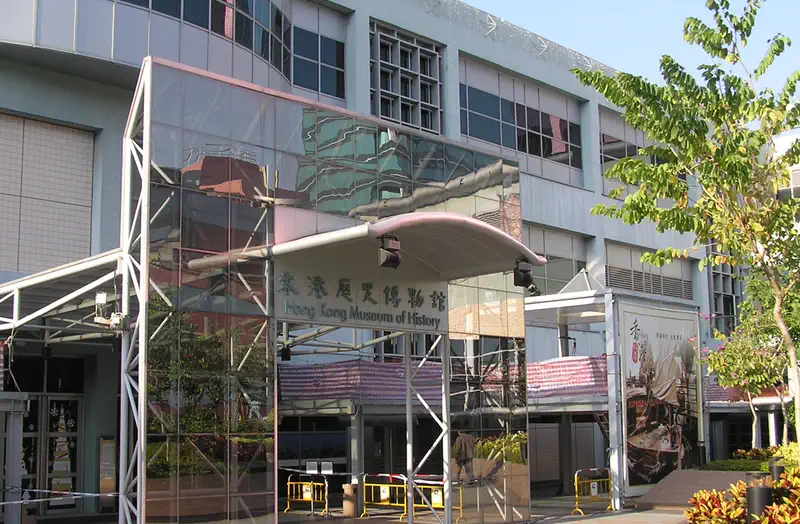
Hong Kong Museum of History 香港历史博物馆
Comprehensive museum of Hong Kong's history from prehistoric to the 1997 handover. Free entry.
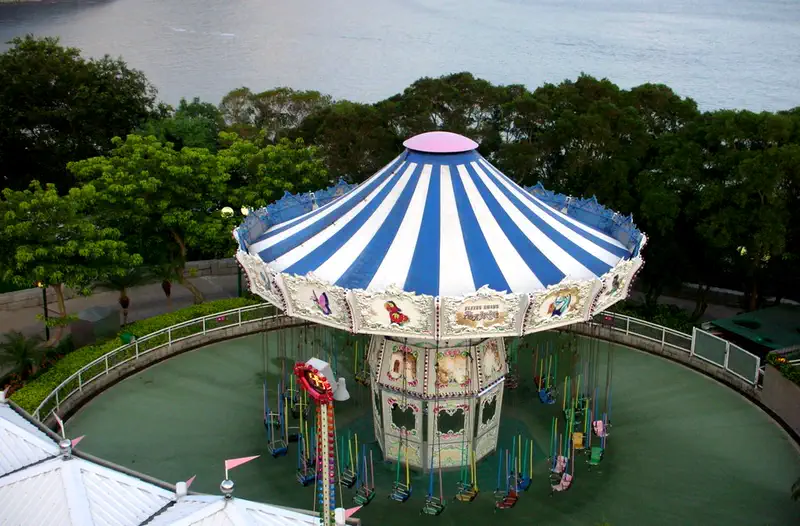
Hong Kong Ocean Park 海洋公园
Older theme park on the south side of Hong Kong Island. Marine animals, mountain-and-coast roller coasters, a panda enclosure.
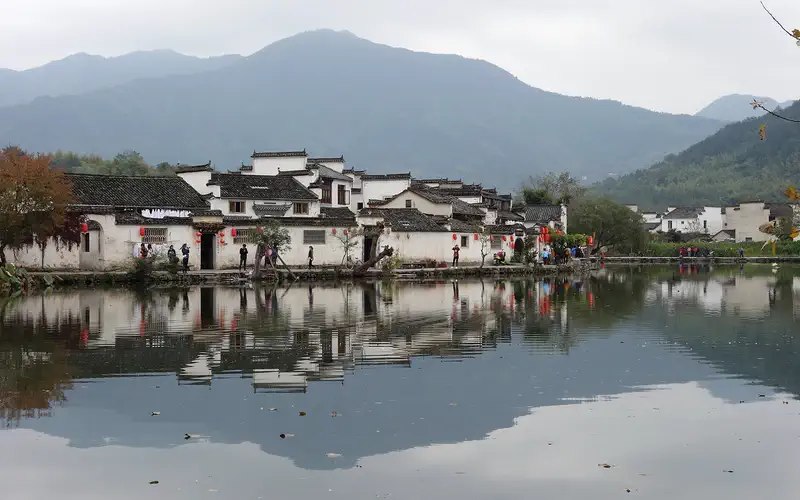
Hongcun Ancient Village 宏村
UNESCO-listed Ming-Qing village 60 km southeast of Mt Huangshan. The half-moon pond (Yuezhao) at the centre framed Crouching Tiger, Hidden Dragon's bridge scene.
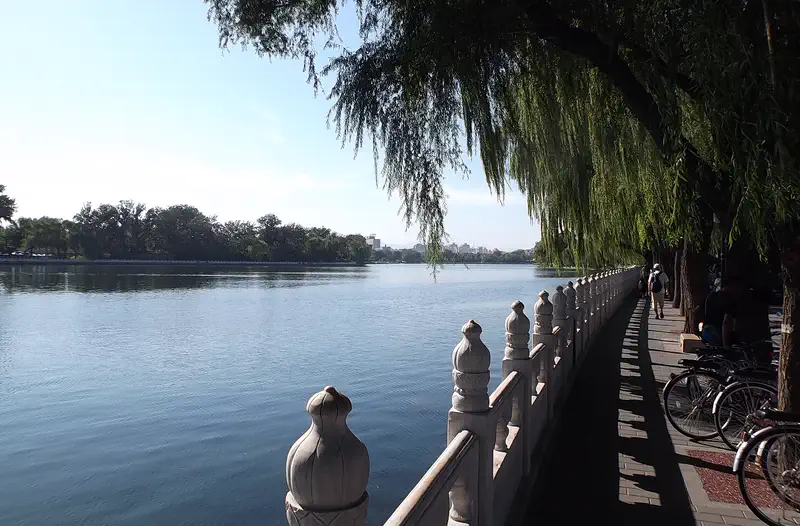
Houhai Lakes 后海
Three connected lakes in central Beijing, ringed by hutong neighbourhoods, courtyard bars and the Drum and Bell Towers.
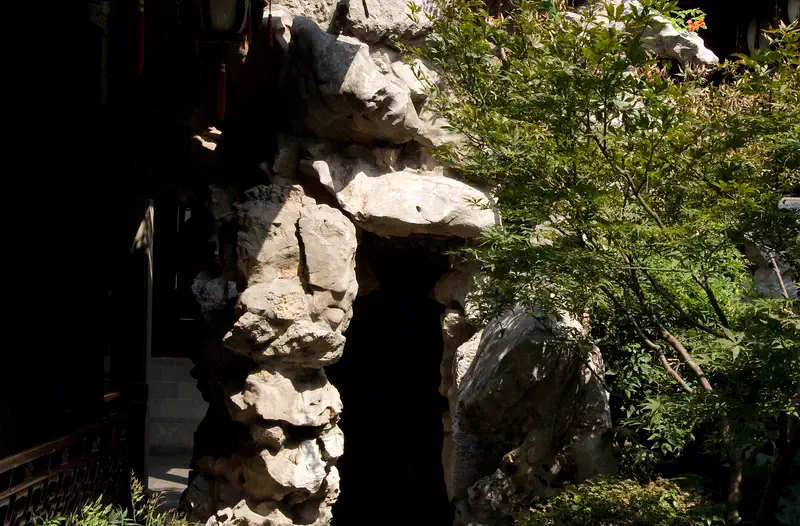
Hu Xueyan's Mansion 胡雪岩故居
Restored late-Qing merchant residence in central Hangzhou. The largest preserved private mansion of its era.
China Visit Guide
Huanglong
Huanglong 黄龙
UNESCO-listed travertine-pool valley near Jiuzhaigou, but at higher altitude (3,160–3,580m). Five-Coloured Pond at the top is the headline view.
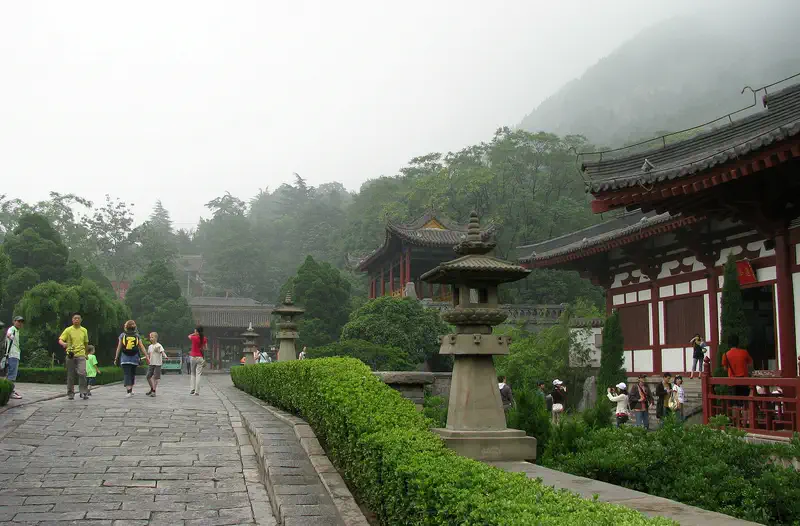
Huaqing Palace and Hot Springs 华清宫
Tang-era imperial hot springs on Mt Lishan, 30 km east of Xi'an. Famous as the bathing place of Yang Guifei, Emperor Xuanzong's consort.
China Visit Guide
Hubei Provincial Museum
Hubei Provincial Museum 湖北省博物馆
Major provincial museum east of central Wuhan. Famous for the Bianzhong bell-set of the Marquis Yi of Zeng.
China Visit Guide
Hubei Shennongjia
Hubei Shennongjia 湖北神农架
UNESCO Natural World Heritage site in western Hubei — a mountain massif preserving the most extensive and biodiverse temperate forest ecosystem in central China, with high endemism and a folkloric association with the wild man (Yeti) of Chinese tradition.
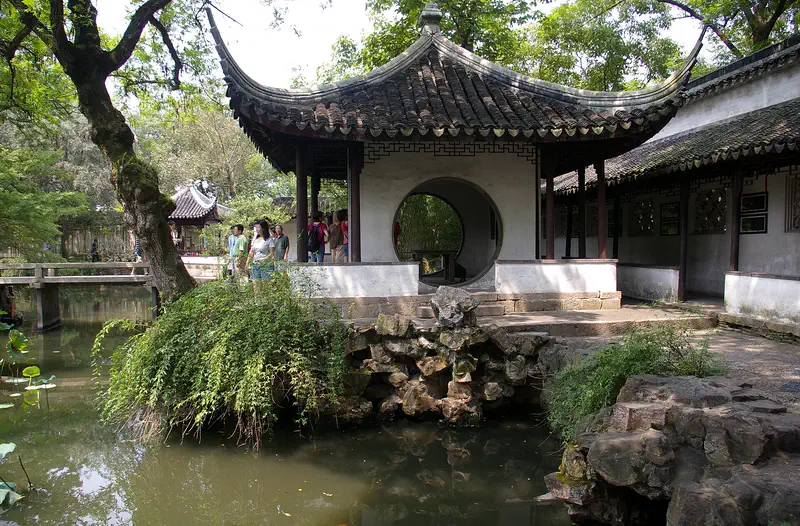
Humble Administrator's Garden 拙政园
The largest of Suzhou's UNESCO-listed classical gardens (5.2 hectares). 16th-century landscape with ponds, pavilions, rockeries, and an emphasis on water.
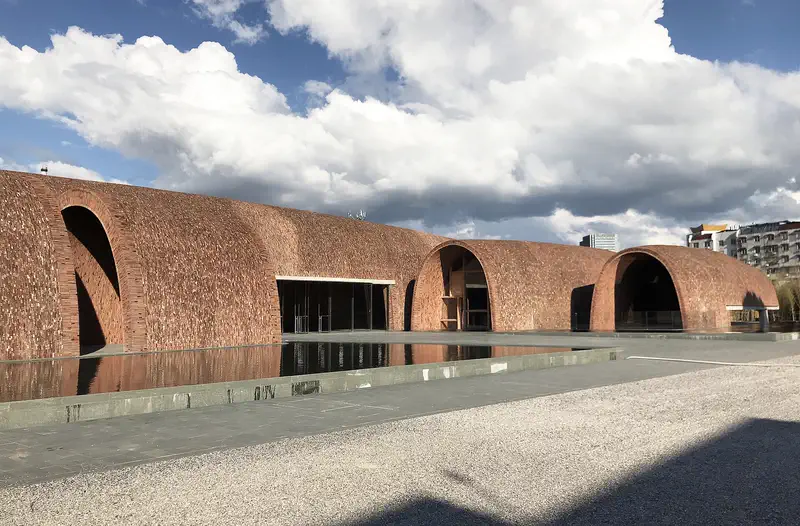
Imperial Kiln Museum 御窑博物馆
A museum of imperial Chinese porcelain built directly over the excavated site of the Ming and Qing imperial kilns, designed by architect Zhu Pei with brick-vaulted galleries that echo the form of the kilns themselves.
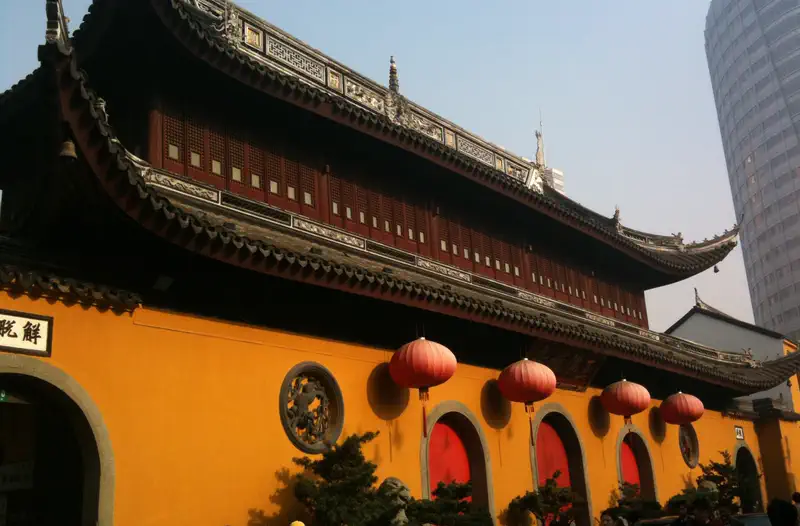
Jade Buddha Temple 玉佛寺
Active urban Buddhist temple in central Shanghai. Famous for two life-size jade Buddhas brought from Burma in 1882.
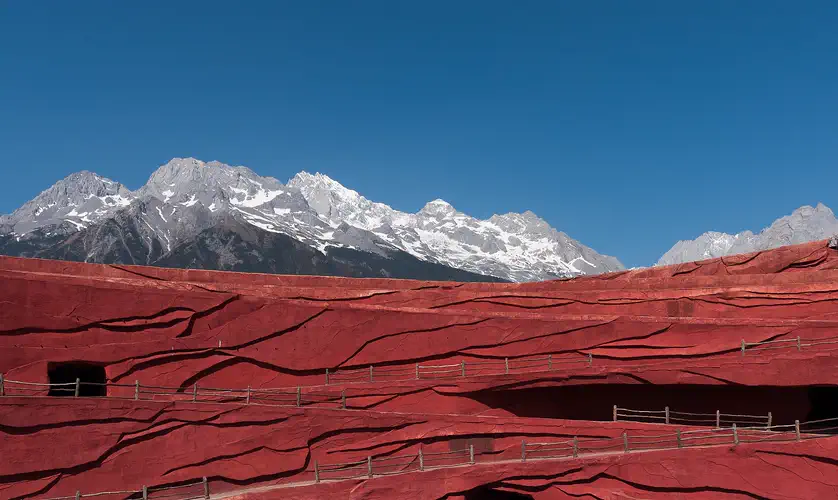
Jade Dragon Snow Mountain 玉龙雪山
5,596m peak directly behind Lijiang. Glacier Park cable car reaches 4,506m; the Impression Lijiang outdoor show plays on the lower slopes.
China Visit Guide
Jiayuguan Pass
Jiayuguan Pass 嘉峪关
Western terminus of the Ming Great Wall, the Hexi Corridor's last fortress. UNESCO-listed as part of the Great Wall property.
China Visit Guide
Jing'an Temple
Jing'an Temple 静安寺
Active Buddhist temple in Shanghai's central financial district, with golden-tiled roofs incongruously beside steel-and-glass towers.
China Visit Guide
Jingmai Mountain Ancient Tea Forest
Jingmai Mountain Ancient Tea Forest 普洱景迈山古茶林文化景观
UNESCO Cultural Landscape in Yunnan's Pu'er region — ancient cultivated tea forests maintained by Blang and Dai ethnic communities for over 1,000 years, representing a living tradition of forest tea cultivation.
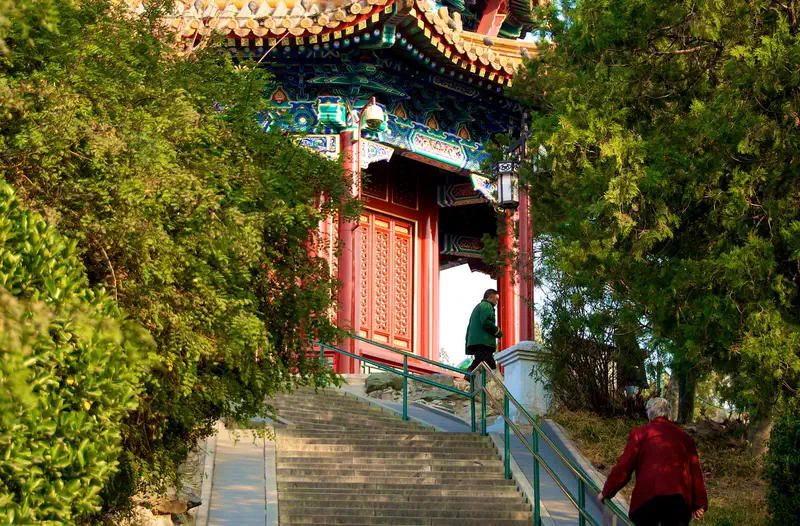
Jingshan Park 景山公园
Artificial hill directly north of the Forbidden City, built from earth excavated for the palace moat. The aerial view from the top is the canonical Forbidden City photograph.
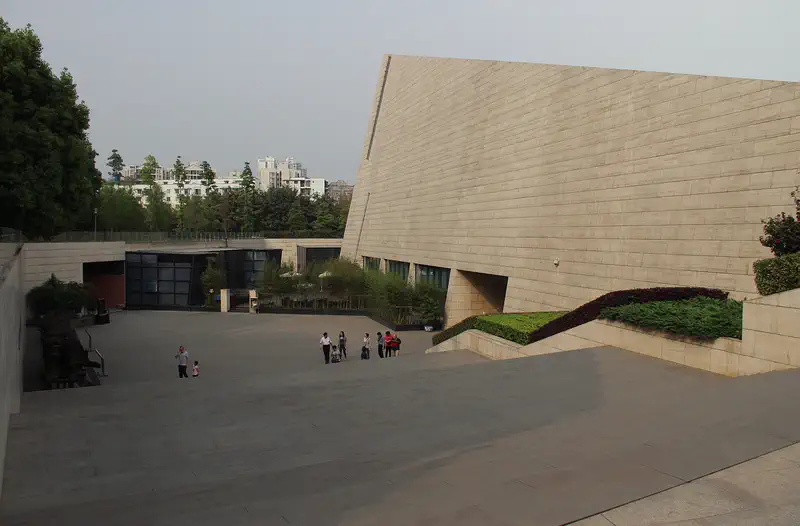
Jinsha Site Museum 金沙遗址博物馆
Bronze Age site museum on a 3,000-year-old ritual centre discovered in Chengdu in 2001. The Sun Bird gold disc is the symbol of Chengdu.
China Visit Guide
Jiujiang Yantang Mansion (Jiangzhou Historic Quarter)
Jiujiang Yantang Mansion (Jiangzhou Historic Quarter) 浔阳楼
A restored waterfront pavilion in Jiujiang commemorating the Water Margin hero Song Jiang, sitting at the junction of the Yangtze River and Poyang Lake and associated with some of Tang Dynasty poet Bai Juyi's most celebrated verse.
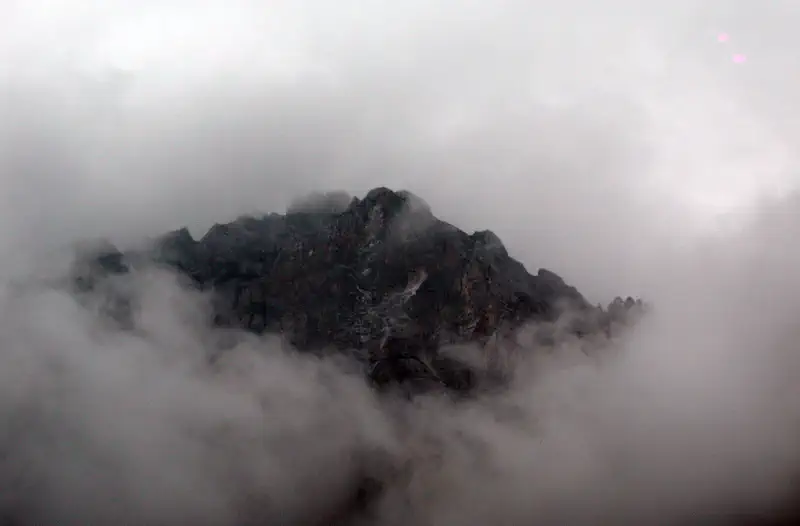
Jiuzhaigou Valley 九寨沟
UNESCO-listed Y-shaped alpine valley with 100+ travertine pools and lakes ranging emerald to turquoise to sapphire. Reopened progressively after 2017 quake.
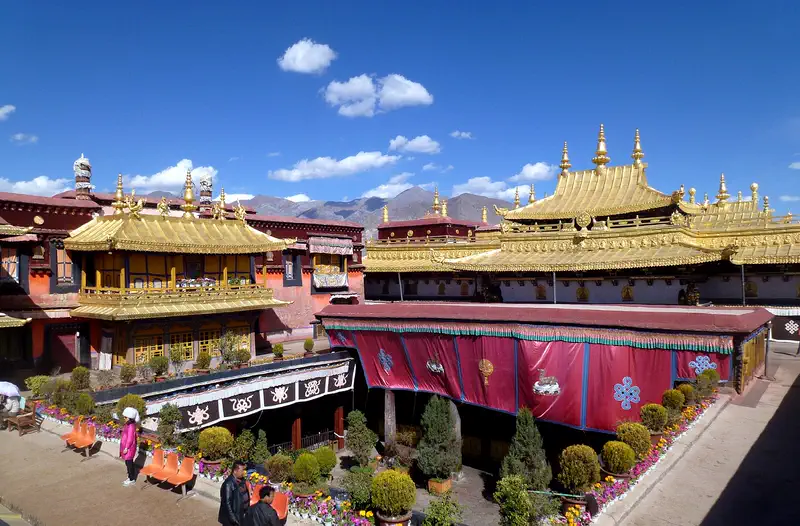
Jokhang Temple 大昭寺
The most sacred Tibetan Buddhist temple, founded 7th century. The spiritual centre of Lhasa and Tibet, surrounded by the Barkhor pilgrim circuit.
China Visit Guide
Kaifeng Iron Pagoda (Youguo Temple Pagoda)
Kaifeng Iron Pagoda (Youguo Temple Pagoda) 开封铁塔
A 13-storey Northern Song Dynasty octagonal pagoda built in 1049 CE and faced in glazed tiles that give it the appearance of iron, standing in the former imperial capital of Kaifeng.
China Visit Guide
Kashgar and the Taklimakan–Tarim Basin
Kashgar and the Taklimakan–Tarim Basin 喀什和塔里木盆地
The Taklimakan Desert and Tarim Basin in southern Xinjiang — a vast, largely uninhabited depression ringed by ancient oasis cities including Kashgar, Hotan and Kuqa that sustained Silk Road trade for over 1,500 years.
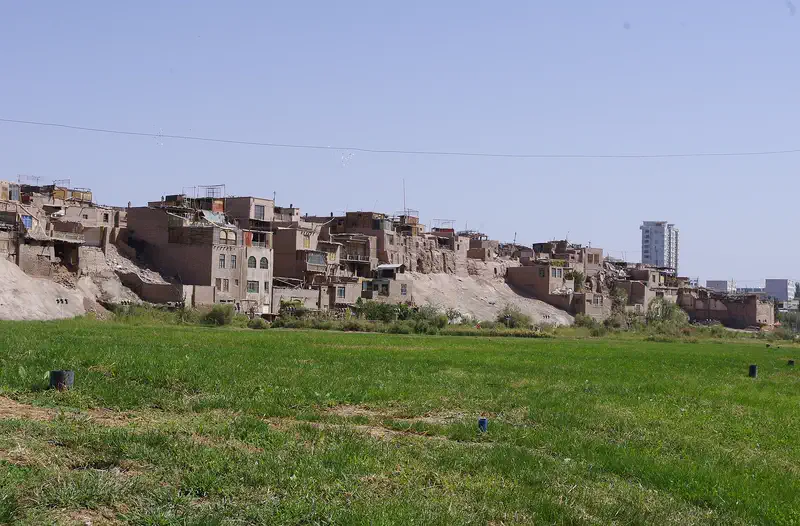
Kashgar Old City 喀什老城
The most-restored Uyghur old town in Xinjiang. Mud-brick alleys, Id Kah Mosque, the Sunday Animal Bazaar.
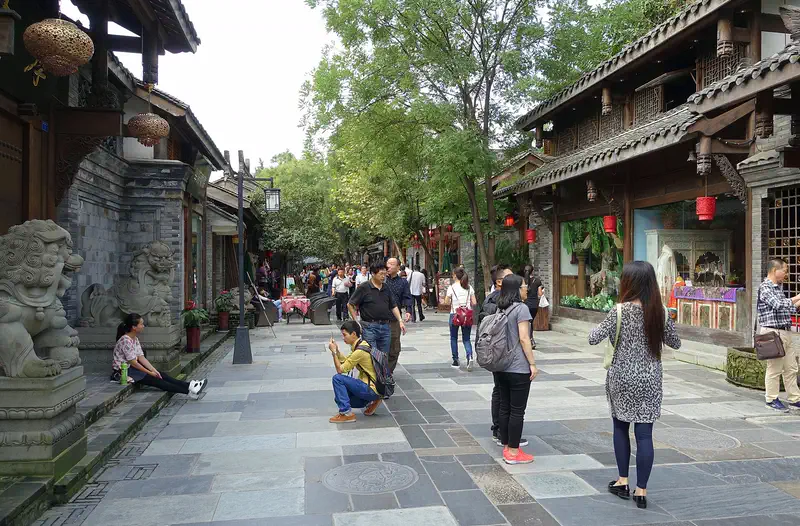
Kuanzhai Alley (Wide and Narrow Alleys) 宽窄巷子
Restored Qing-era Manchu-Han neighbourhood with three parallel alleys (Wide, Narrow, Well). Snack stalls, tea houses, restaurants.
China Visit Guide
Kulangsu: a Historic International Settlement
Kulangsu: a Historic International Settlement 鼓浪屿历史国际社区
UNESCO-listed small island off Xiamen, Fujian, with a car-free townscape of colonial villas, missionary architecture and Chinese merchants' mansions that developed during the international settlement period from 1843 to 1941.
China Visit Guide
Kumbum Monastery (Ta'er Si)
Kumbum Monastery (Ta'er Si) 塔尔寺
Major Tibetan Buddhist monastery 25 km from Xining, on the birthplace of Tsongkhapa, founder of the Gelugpa school.
China Visit Guide
Labrang Monastery
Labrang Monastery 拉卜楞寺
Major Tibetan Buddhist Gelugpa monastery in Xiahe, southern Gansu. Outside the Tibet Autonomous Region — accessible without TAR permits.
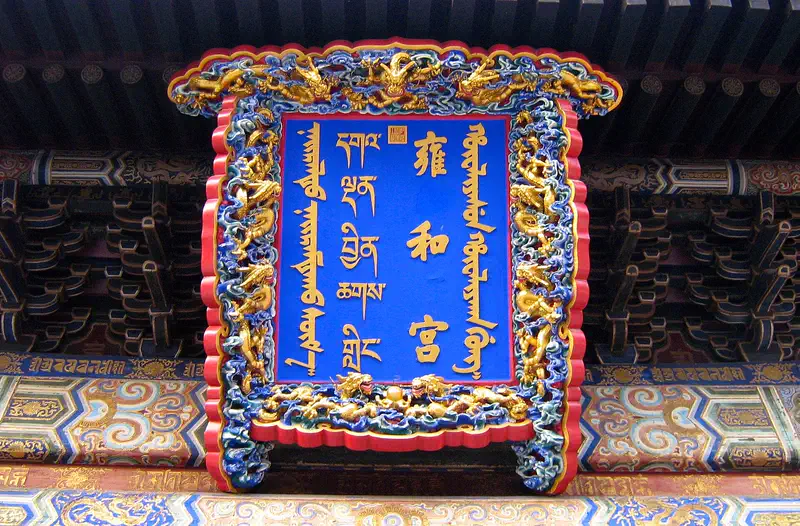
Lama Temple (Yonghe Gong) 雍和宫
Active Tibetan Buddhist monastery in central Beijing. Five courtyards of halls, a 26m carved-sandalwood Maitreya, and the city's largest gathering of monks.
China Visit Guide
Lantau Trail
Lantau Trail 凤凰径
70 km circular trail around Lantau Island. Crosses Lantau Peak (934m) and Sunset Peak. 4–5 days at a leisurely pace.
China Visit Guide
Lei Feng Pagoda
Lei Feng Pagoda 雷峰塔
Pagoda on the southern shore of West Lake. Original collapsed 1924; rebuilt 2002. Most photographed at sunset for the lake view.
China Visit Guide
Leshan Giant Buddha
Leshan Giant Buddha 乐山大佛
The 71m Tang-dynasty Maitreya Buddha carved into a sandstone cliff at the confluence of three rivers. UNESCO-listed.
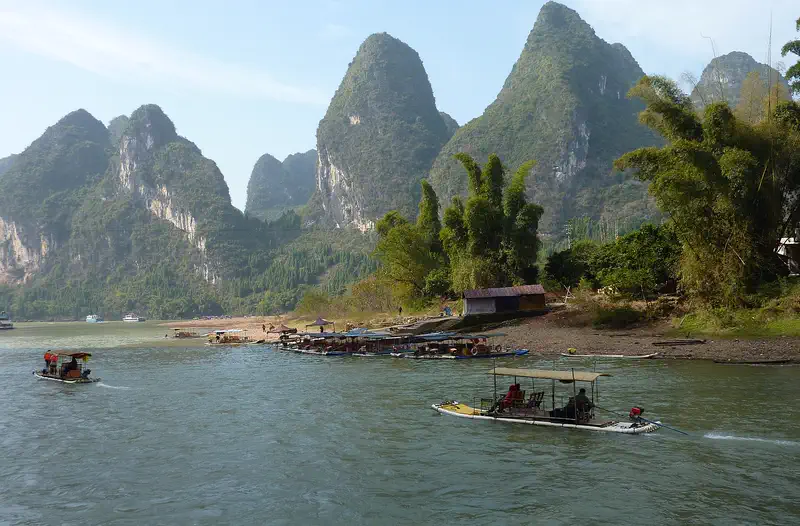
Li River cruise (Guilin to Yangshuo) 漓江
4-hour boat journey through the karst pinnacles between Guilin and Yangshuo — the most-photographed countryside in China, on the back of the ¥20 banknote.
China Visit Guide
Lijiang Old Town (Dayan)
Lijiang Old Town (Dayan) 丽江古城
1,000-year-old Naxi old town in northwest Yunnan. UNESCO-listed since 1997. Cobbled lanes, water canals, the Naxi minority's pictographic Dongba script.
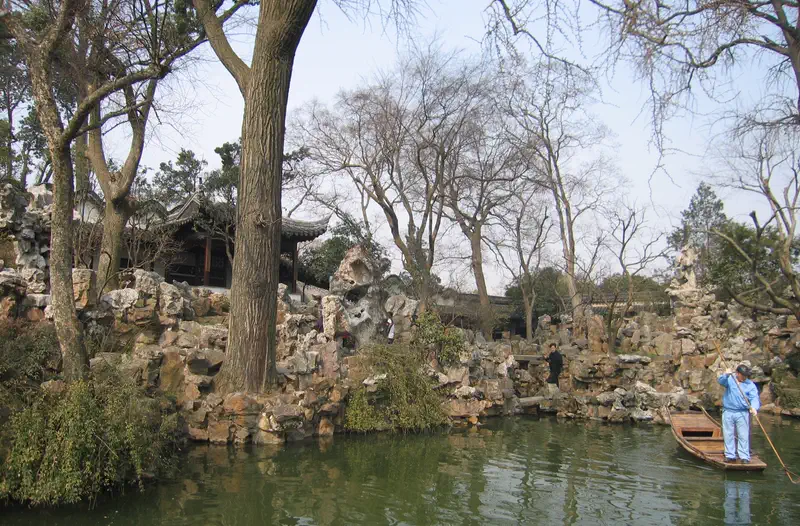
Lingering Garden 留园
UNESCO-listed Ming-Qing garden, famed for its rockeries and the 6.5m central limestone scholar's-rock 'Crown of Clouds'.
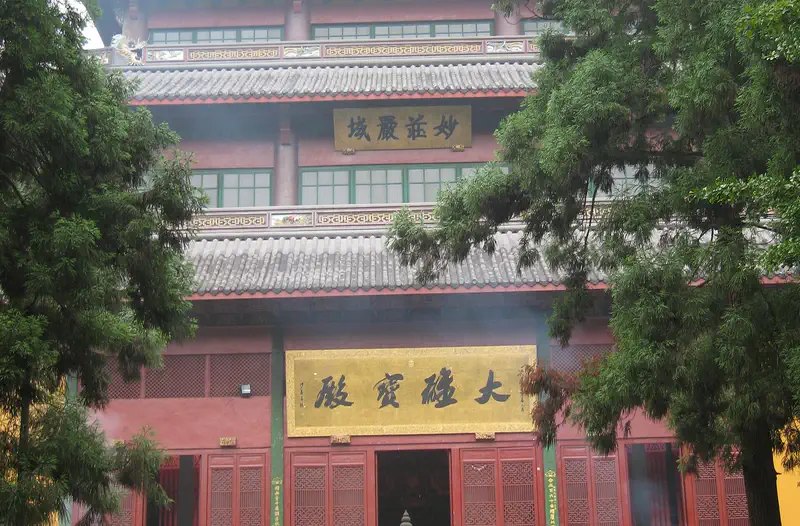
Lingyin Temple 灵隐寺
One of the largest active Buddhist monasteries in China, founded 326 CE in the hills west of Hangzhou. Combine with the Feilai Feng Buddhist cliff carvings.
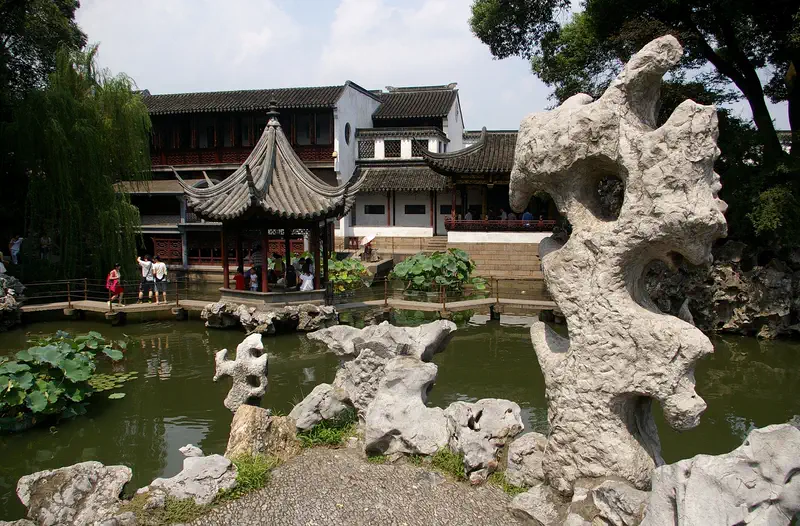
Lion Grove Garden 狮子林
Yuan-dynasty garden famous for its lion-shaped rockeries — a maze of Taihu limestone you can walk through.
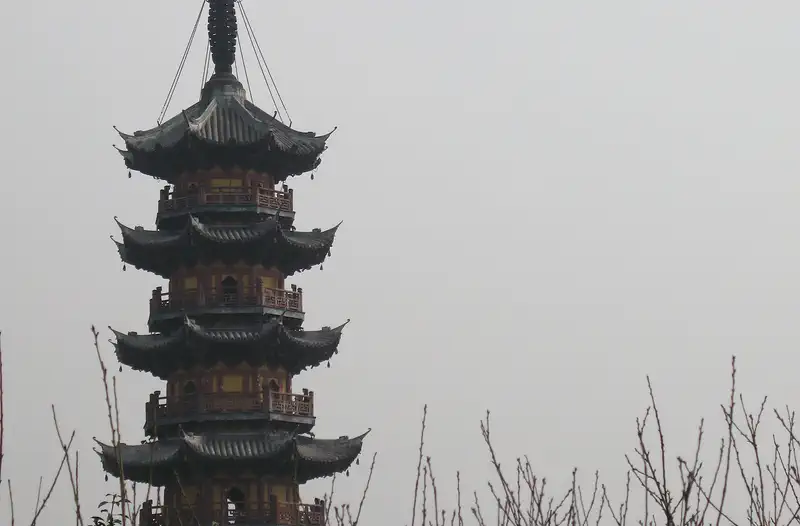
Longhua Temple and Pagoda 龙华寺
Shanghai's oldest Buddhist temple complex, with the city's only surviving classical pagoda. Active monastery; Lunar New Year bell-striking ceremony.
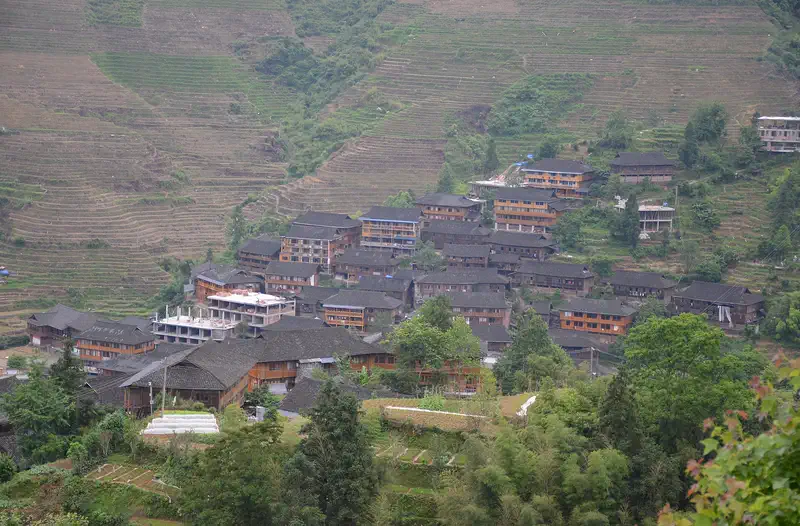
Longji (Dragon's Backbone) Rice Terraces 龙脊梯田
Centuries-old rice terraces in the mountains 100 km north of Guilin. Yao and Zhuang ethnic-minority villages, dramatic in May (planting), September (golden) and winter (snow).
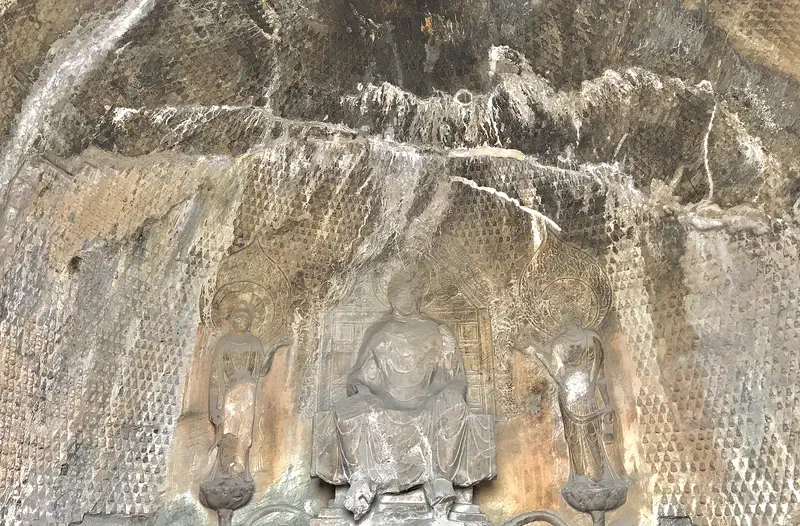
Longmen Grottoes 龙门石窟
UNESCO-listed Buddhist cliff carvings 13 km south of Luoyang. 100,000+ statues in 2,300+ caves carved between the 5th and 9th centuries.
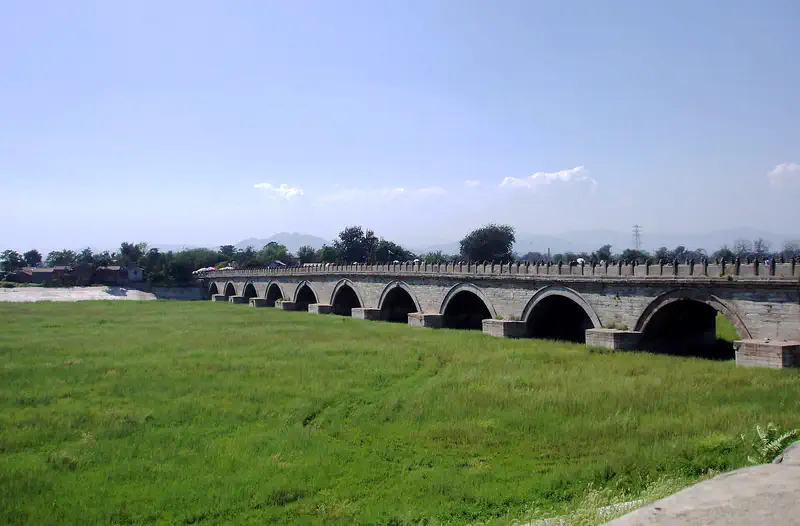
Lugou (Marco Polo) Bridge 卢沟桥
12th-century stone bridge southwest of Beijing, with 281 carved-stone lions. The site of the 1937 incident that began the Sino-Japanese War.
China Visit Guide
Lugu Lake
Lugu Lake 泸沽湖
A high-altitude lake straddling the Yunnan-Sichuan border, home to the Mosuo people whose matrilineal society and 'walking marriage' tradition have made the area one of China's most culturally distinctive destinations.
China Visit Guide
M50 Art District
M50 Art District M50创意园
Contemporary art galleries in former textile mill warehouses on Moganshan Road. Shanghai's longest-running independent gallery cluster.
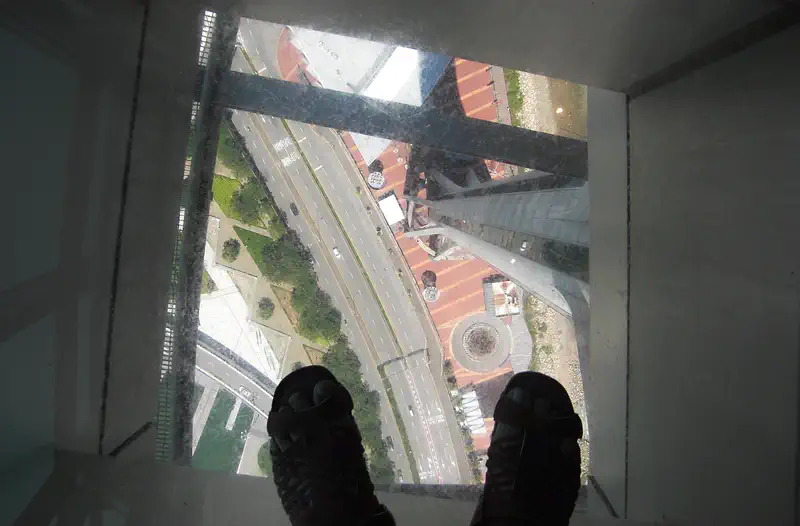
Macau Tower 澳门旅游塔
338m sightseeing tower in central Macau. Bungee jump (the world's highest commercial), Skywalk, observation deck.
China Visit Guide
Master of Nets Garden
Master of Nets Garden 网师园
The most concentrated of Suzhou's UNESCO-listed gardens (0.6 hectares). Summer evening 'night garden' performances are the local draw.
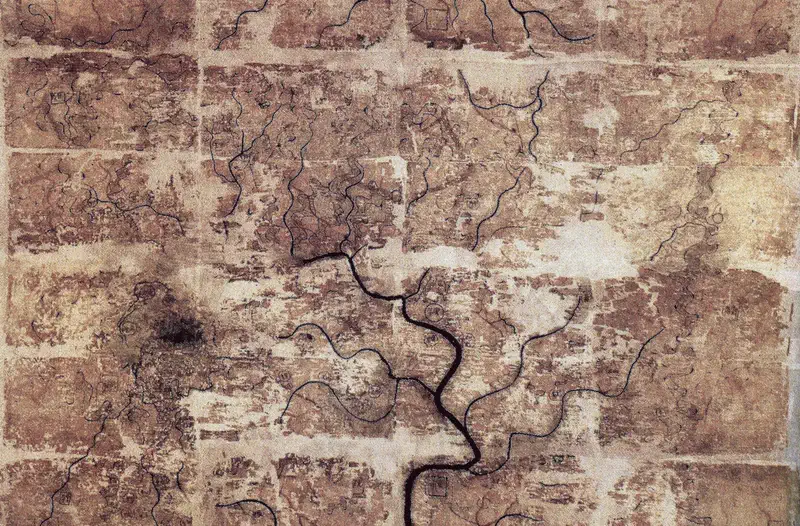
Mawangdui Han Tombs Museum (Hunan Provincial Museum) 马王堆汉墓博物馆
Home to the most remarkable Han Dynasty archaeological finds ever made, including the 2,100-year-old preserved body of Lady Xin Zhui and thousands of silk manuscripts, lacquerware, and organic burial goods from the Mawangdui tombs.
China Visit Guide
Mengla Tropical Rainforest Reserve
Mengla Tropical Rainforest Reserve 勐腊热带雨林
China's southernmost tropical rainforest zone in Mengla County, bordering Laos, with extraordinary biodiversity including wild Asian elephants, gibbons, and one of China's richest plant assemblages.
China Visit Guide
Migratory Bird Sanctuaries along the Coast of Yellow Sea and Bohai Gulf of China (Phase I)
Migratory Bird Sanctuaries along the Coast of Yellow Sea and Bohai Gulf of China (Phase I) 中国黄(渤)海候鸟栖息地(第一期)
UNESCO Natural World Heritage site on the Yellow Sea coast of Jiangsu — intertidal mudflats serving as a critical stopover for millions of migratory shorebirds on the East Asian–Australasian Flyway, including several critically endangered species.
China Visit Guide
Migratory Bird Sanctuaries along Yellow Sea and Bohai Gulf — Phase II
Migratory Bird Sanctuaries along Yellow Sea and Bohai Gulf — Phase II 中国黄(渤)海候鸟栖息地(第二期)
UNESCO extension (Phase II, 2023) of the Yellow Sea migratory bird sanctuary property, adding intertidal mudflat and wetland sites in Liaoning, Hebei, Tianjin and Shandong to the 2019 Phase I inscription in Jiangsu.
China Visit Guide
Ming Dingling — Emperor Wanli's Underground Palace
Ming Dingling — Emperor Wanli's Underground Palace 明十三陵定陵
The only excavated Ming imperial tomb, revealing the underground burial chambers of the Wanli Emperor (reigned 1572–1620) and his two empresses, with original burial goods on display in the adjacent museum.
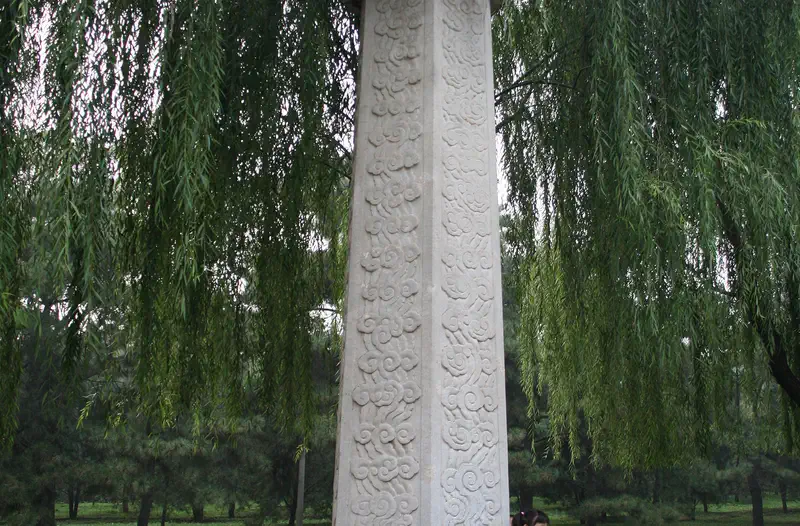
Ming Tombs and Sacred Way 明十三陵
Burial complex of 13 of the 16 Ming-dynasty emperors, north of Beijing. The 7 km Sacred Way is lined with stone-statue guardians.
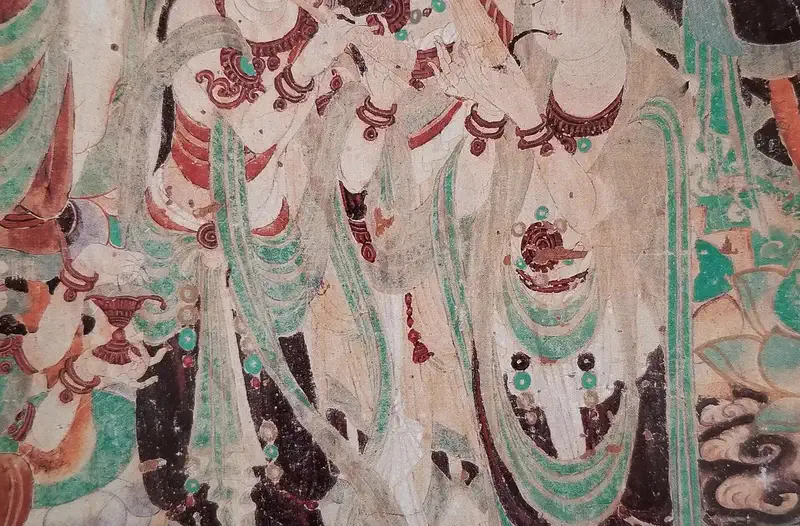
Mogao Caves 莫高窟
UNESCO-listed Silk Road Buddhist cave complex with 492 caves and 45,000 m² of wall paintings, carved between the 4th and 14th centuries.
China Visit Guide
Mount Emei
Mount Emei 峨眉山
Sacred Buddhist mountain (3,099m) west of Leshan. UNESCO-listed jointly with the Leshan Giant Buddha. Cable car or two-day hike.
China Visit Guide
Mount Gongga (Minya Konka)
Mount Gongga (Minya Konka) 贡嘎山
The highest mountain in Sichuan at 7,556 m, standing above the Tibetan plateau's eastern escarpment and surrounded by dramatic glaciers, turquoise lakes, and Tibetan pilgrimage trails.
China Visit Guide
Mount Huangshan (Yellow Mountain)
Mount Huangshan (Yellow Mountain) 黄山
UNESCO-listed mountain in southern Anhui, the most-painted mountain in Chinese landscape art. Ancient pines, granite peaks, sea-of-cloud inversions.
China Visit Guide
Mount Huashan
Mount Huashan 华山
Sacred Daoist mountain 120 km east of Xi'an, with five peaks connected by knife-edge ridges. Famous for the plank-walk-in-the-sky.
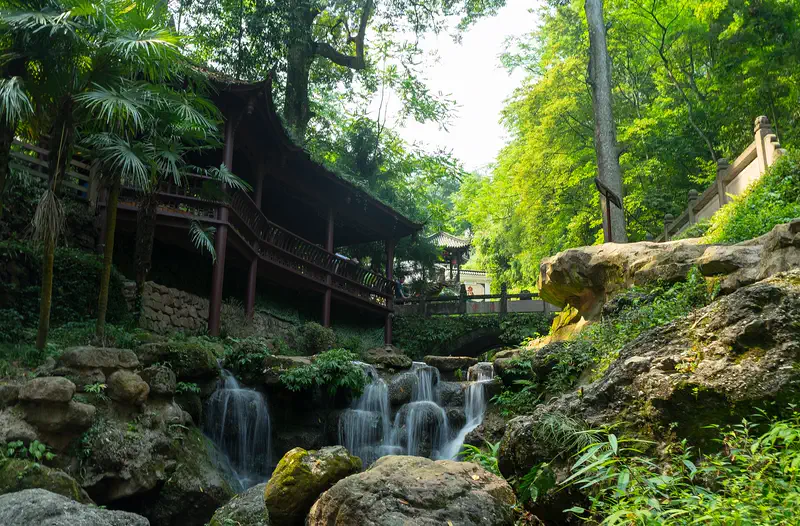
Mount Qingcheng 青城山
Sacred Daoist mountain west of Chengdu, said to be the cradle of Daoism. UNESCO-listed jointly with Dujiangyan.
China Visit Guide
Mount Siguniang (Four Girls Mountain)
Mount Siguniang (Four Girls Mountain) 四姑娘山
A group of four closely-set snow peaks in western Sichuan rising above heavily forested alpine valleys, popular with day-hikers, trekkers, and technical mountaineers from across China.
China Visit Guide
Mount Wuyi
Mount Wuyi 武夷山
UNESCO Mixed World Heritage site in northwest Fujian — a dramatic landscape of red sandstone peaks and the Nine-Bend River, harbouring one of the world's most significant biodiversity reserves for subtropical plants and animals, and a centre of Neo-Confucian philosophy.
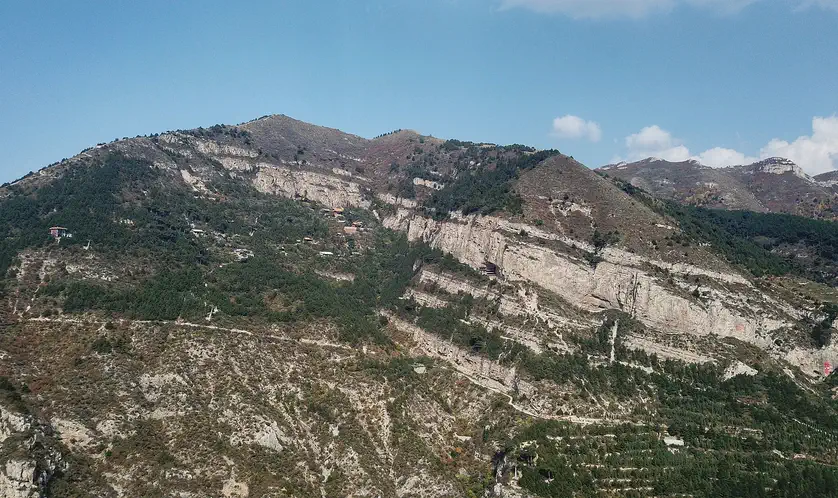
Mt Heng Bei (Northern Sacred Mountain) 北岳恒山
Sacred Daoist mountain in northern Shanxi. The Hanging Temple (Xuankong Si) is on its slope.
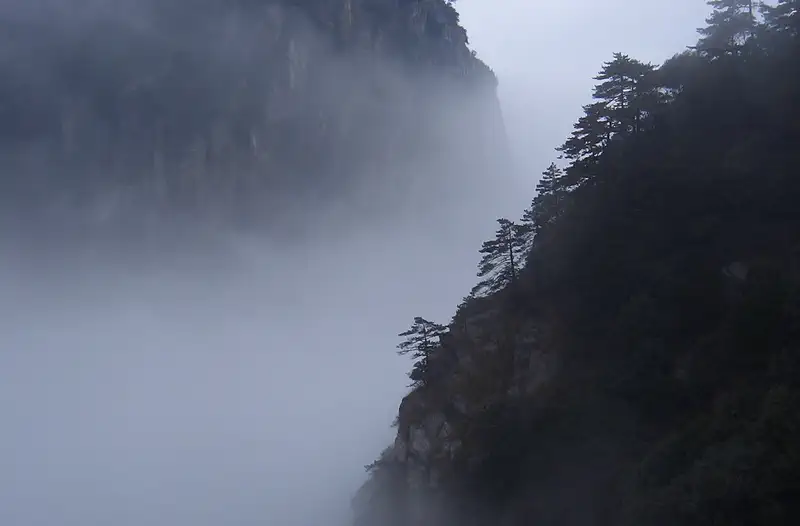
Mt Lu (Lushan) 庐山
UNESCO-listed Buddhist holy mountain in northern Jiangxi. Densely wooded, with substantial early-20th-century European-style summer houses at altitude.
China Visit Guide
Mt Putuo (Putuoshan)
Mt Putuo (Putuoshan) 普陀山
Sacred Buddhist island in the Zhoushan Archipelago, dedicated to Avalokitesvara (Guanyin). One of the Four Sacred Buddhist Mountains.
China Visit Guide
Mt Song
Mt Song 嵩山
UNESCO-listed sacred Daoist mountain in central Henan. The Shaolin Temple sits on the western (Shaoshi) slope.
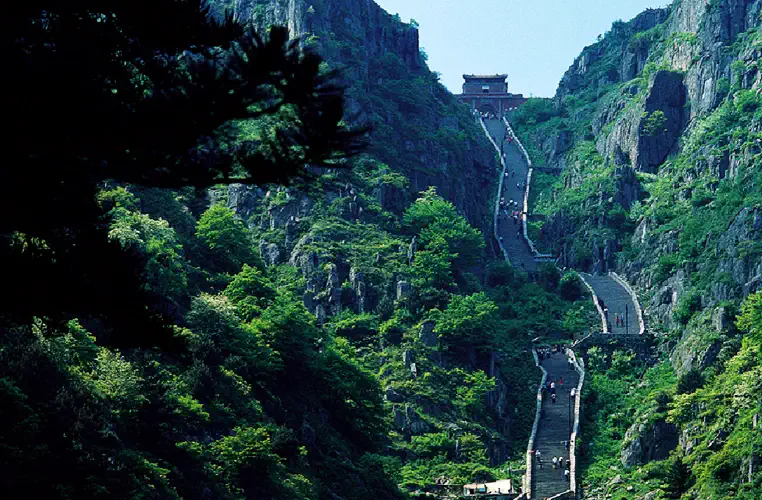
Mt Tai 泰山
UNESCO-listed sacred mountain in Shandong — the foremost of the Five Sacred Mountains. Imperial pilgrimage site for two millennia.
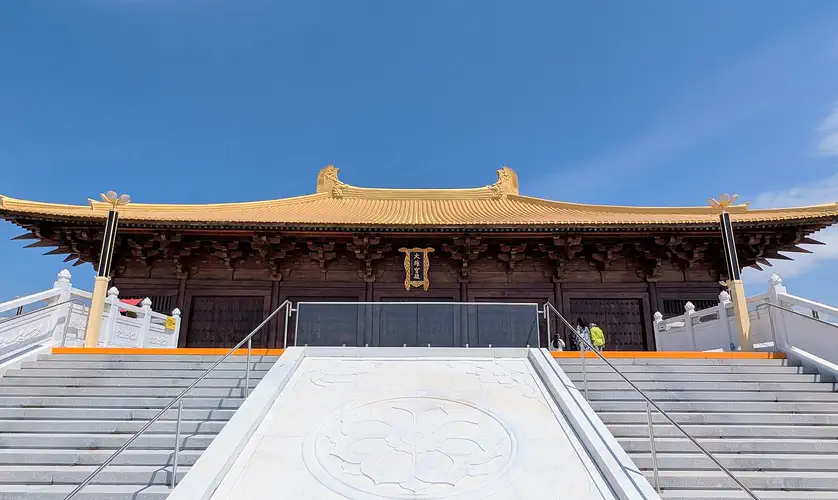
Mt Wutai 五台山
UNESCO-listed sacred Buddhist mountain in northern Shanxi. Five flat-topped peaks; the bodhisattva Manjusri's traditional residence.
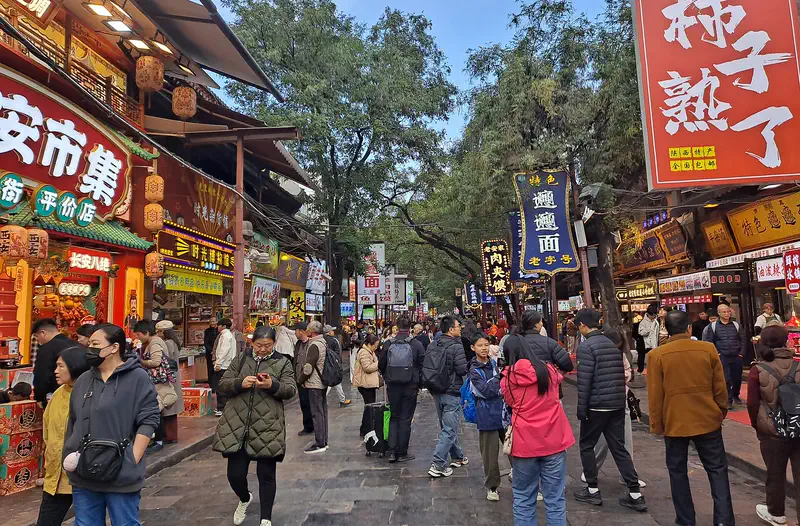
Muslim Quarter (Beiyuanmen Street) 回民街
Centuries-old Hui-Muslim neighbourhood north of the Drum Tower. Halal food street alive at night with lamb skewers, paomo, hand-pulled noodles.
China Visit Guide
Mutianyu Great Wall — Eastern Extension Trail
Mutianyu Great Wall — Eastern Extension Trail 慕田峪长城东延伸段
The less-visited eastern extension of the Mutianyu Great Wall section, continuing beyond the main cable car and chairlift terminus to a series of restored and unrestored watchtowers on a ridge with panoramic views.
China Visit Guide
Nam Tso Lake (Namtso)
Nam Tso Lake (Namtso) 纳木错
The highest saltwater lake in the world at 4,718 m, stretching 1,920 km² across the Tibetan plateau north of Lhasa, with sacred Tashi Peninsula where pilgrims circumambulate ancient cave hermitages.
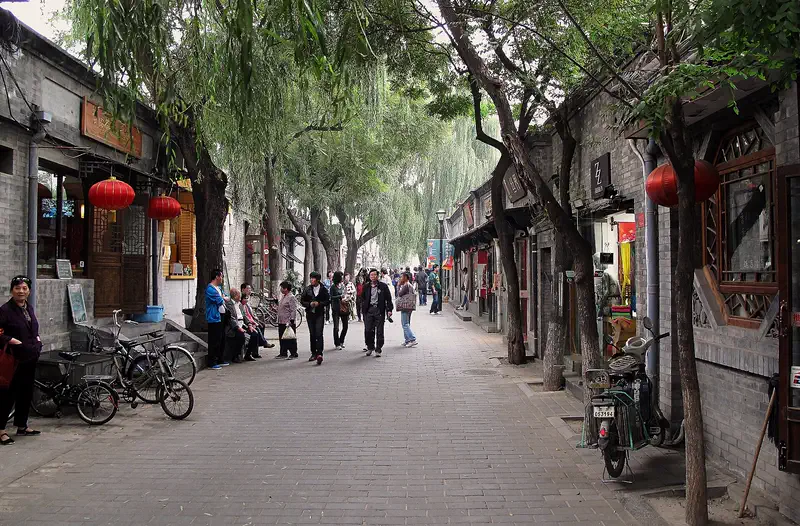
Nanluoguxiang Hutong 南锣鼓巷
Restored Yuan-dynasty hutong street, fully pedestrianised. The most-visited hutong tourist district; cafes, boutiques, baozi shops.
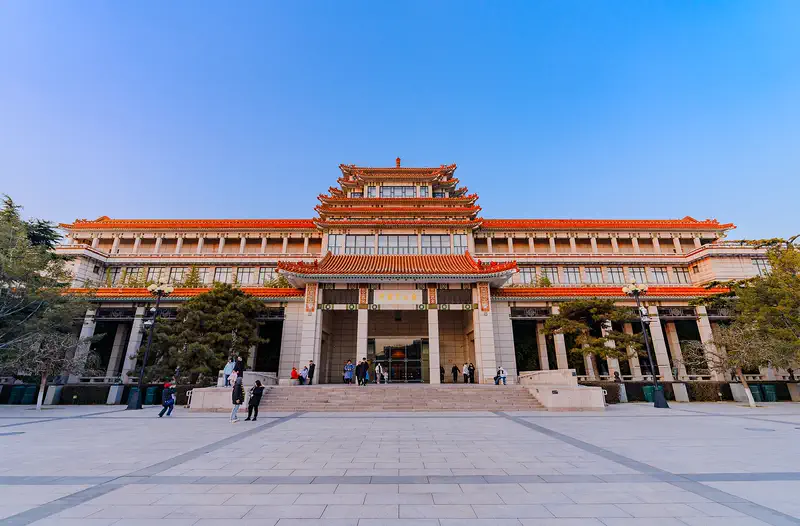
National Art Museum of China (NAMOC) 中国美术馆
China's premier museum of modern Chinese art. Free entry; rotating exhibitions of 20th- and 21st-century painting, calligraphy, sculpture.
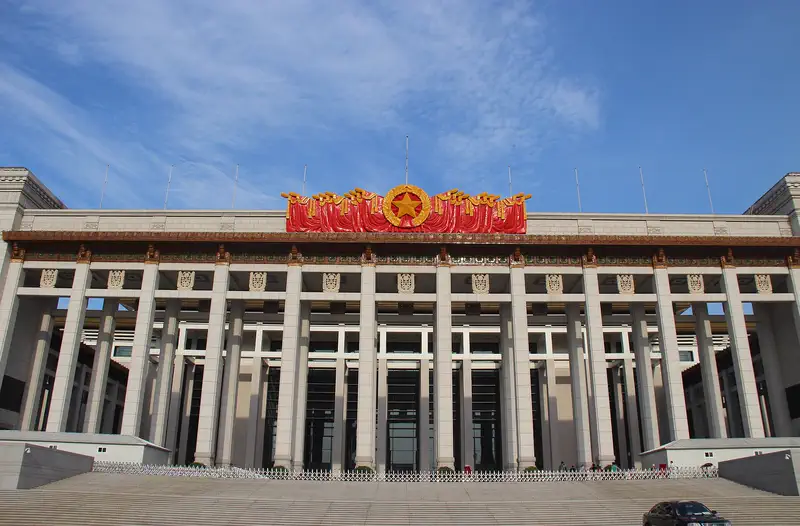
National Museum of China 中国国家博物馆
The largest museum in China by collection size, on the east side of Tiananmen Square. The Ancient China permanent exhibition is the canonical national-history walkthrough.
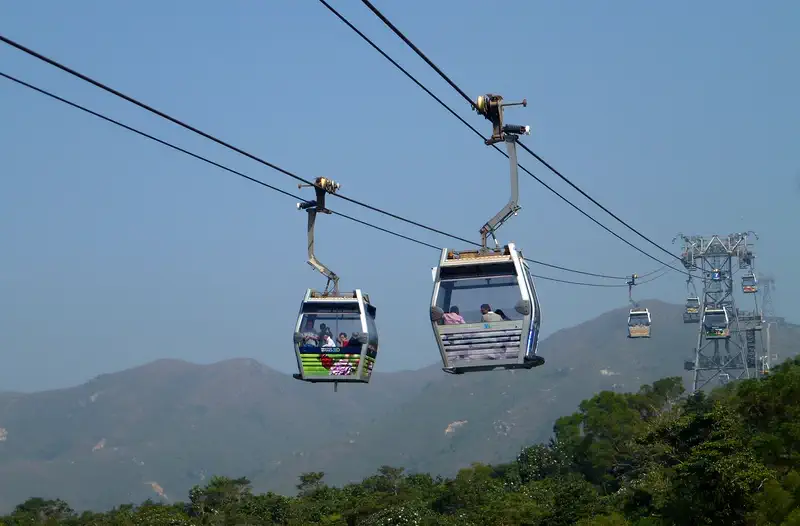
Ngong Ping 360 昂坪360
Cable car from Tung Chung to the Big Buddha plateau. 5.7 km, 25-minute ride; crystal-floor option.
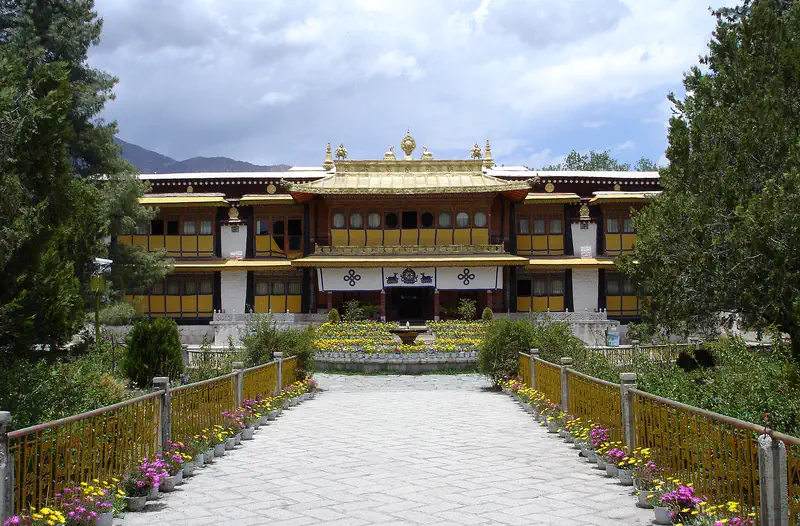
Norbulingka 罗布林卡
Summer palace of the Dalai Lamas in western Lhasa. UNESCO-listed; gardens, pavilions, the rooms where the 14th Dalai Lama lived before his exile.
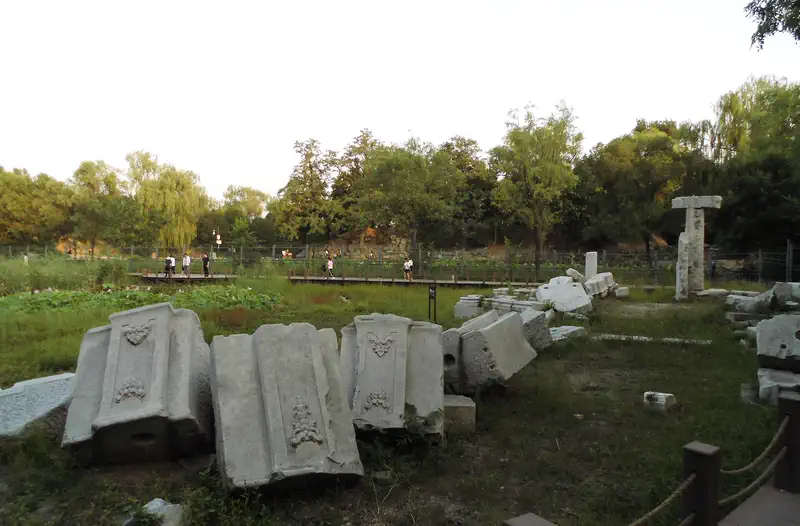
Old Summer Palace (Yuanmingyuan) 圆明园
The burnt-out remains of the Qing imperial garden destroyed by Anglo-French troops in 1860. Substantial ruins, lakes, and the famous Western-Style Mansions stone fragments.
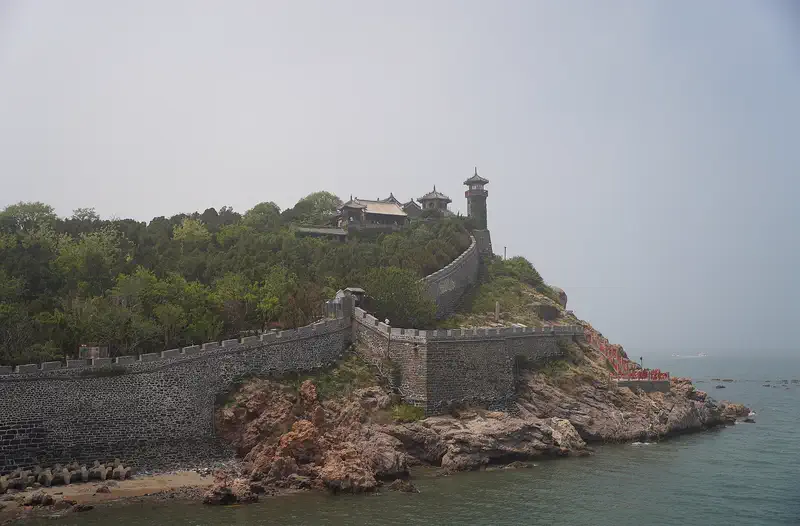
Penglai Pavilion Scenic Area 蓬莱阁
A clifftop complex of Daoist halls and multi-tiered pavilions overlooking the Bohai Strait, associated in Chinese legend with the Eight Immortals and the mythical island paradise of Penglai.
China Visit Guide
Pingyao Ancient City
Pingyao Ancient City 平遥古城
UNESCO-listed Ming-Qing walled town in central Shanxi — the most completely preserved old walled city in China. 6 km of intact city wall.
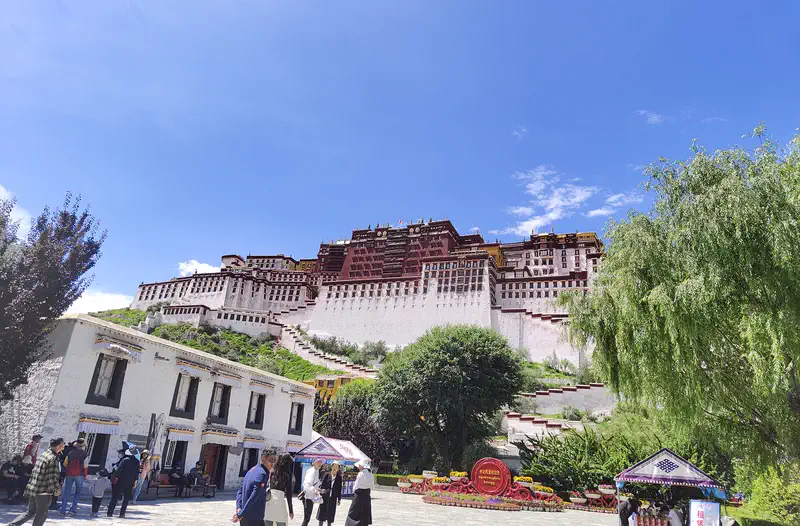
Potala Palace 布达拉宫
Former winter palace of the Dalai Lamas (founded 7th century, current structure 17th century). 1,000+ rooms, 13-storey palace on a 130m hill in central Lhasa. UNESCO-listed.
China Visit Guide
Pu'er Tea Hills Scenic Area
Pu'er Tea Hills Scenic Area 普洱茶山
Rolling hills of ancient tea gardens in southern Yunnan, the original heartland of pu-erh tea production, where century-old tea trees still grow under shade canopy on traditional family plantations.
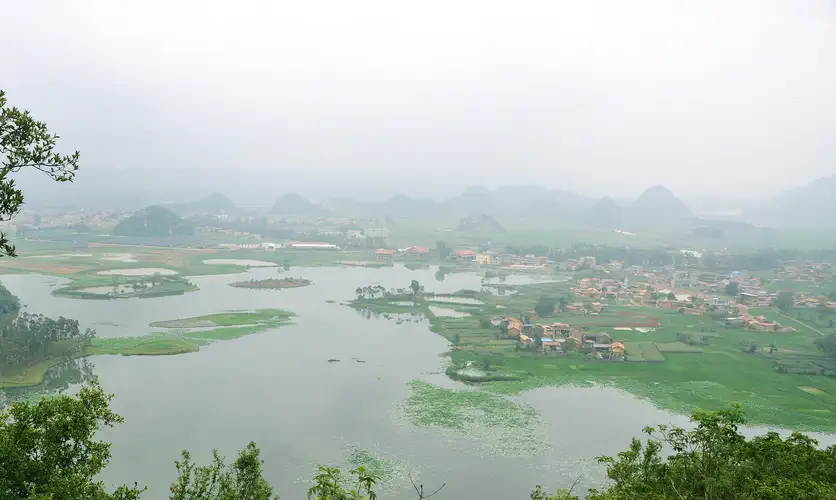
Puzhehei 普者黑
Karst landscape with lakes and lotus fields in southeastern Yunnan. Less famous than Guilin but with rare 'flat karst' geology.
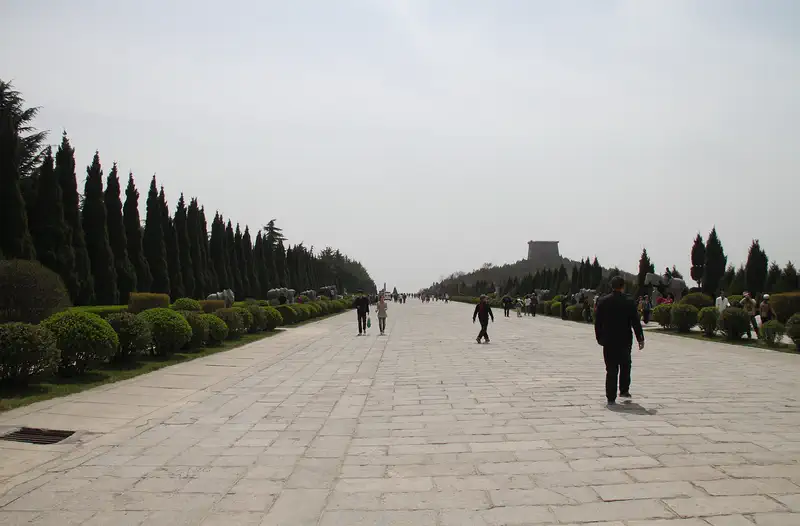
Qianling Mausoleum 乾陵
Tang dynasty joint tomb of Emperor Gaozong and Empress Wu Zetian. Massive scale; the spirit way is lined with monumental stone statues.
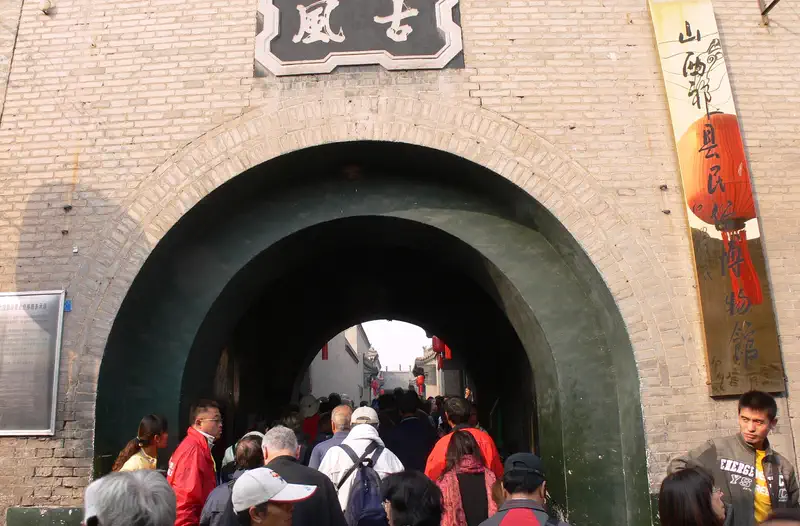
Qiao Family Compound 乔家大院
Qing-era merchant compound that featured in Zhang Yimou's Raise the Red Lantern. 6 main courtyards with 313 rooms.
China Visit Guide
Qibao Ancient Town
Qibao Ancient Town 七宝古镇
A compact Song Dynasty water town within Shanghai's Minhang district, reachable by metro in 25 minutes from People's Square, offering canal streets, Ming-Qing architecture, and traditional Shanghainese snack culture.
China Visit Guide
Qingdao Ba Da Guan Villa District
Qingdao Ba Da Guan Villa District 青岛八大关
A leafy early-20th-century neighbourhood of European-style villas — German, British, Russian, Danish and Japanese — built on a grid of streets named after strategic passes, now one of Qingdao's most photogenic residential districts.
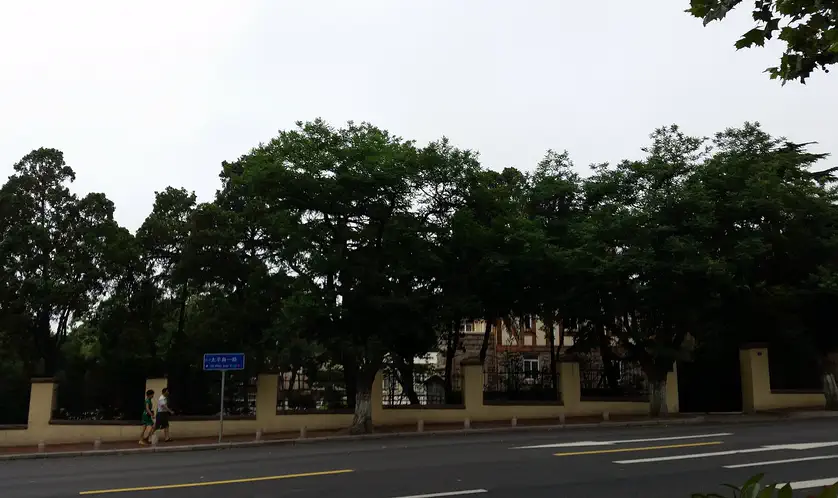
Qingdao Old Town and Beer Street 青岛老城啤酒街
German-era old town at the heart of Qingdao. The Beer Street (Dengzhou Road) is the working night-time food strip.
China Visit Guide
Qingdao Olympic Sailing Centre
Qingdao Olympic Sailing Centre 青岛奥林匹克帆船中心
Waterfront venue built for the 2008 Beijing Olympics sailing events, now a public marina and leisure park on Qingdao's eastern coastline.
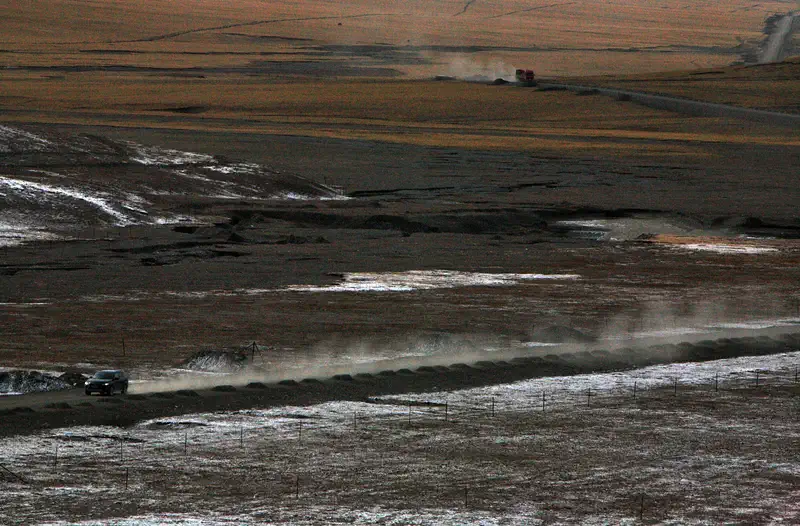
Qinghai Hoh Xil 青海可可西里
UNESCO Natural World Heritage site on the Qinghai-Tibet Plateau — a vast, near-uninhabited upland hosting the largest population of Tibetan antelope (chiru) in China and exceptional high-altitude wilderness.
China Visit Guide
Quanzhou: Emporium of the World in Song-Yuan China
Quanzhou: Emporium of the World in Song-Yuan China 泉州:宋元中国的世界海洋商贸中心
UNESCO-listed port city in Fujian that served as China's foremost maritime trade emporium during the Song and Yuan dynasties (10th–14th centuries), leaving a multi-faith heritage of mosques, temples, churches and inscriptions.
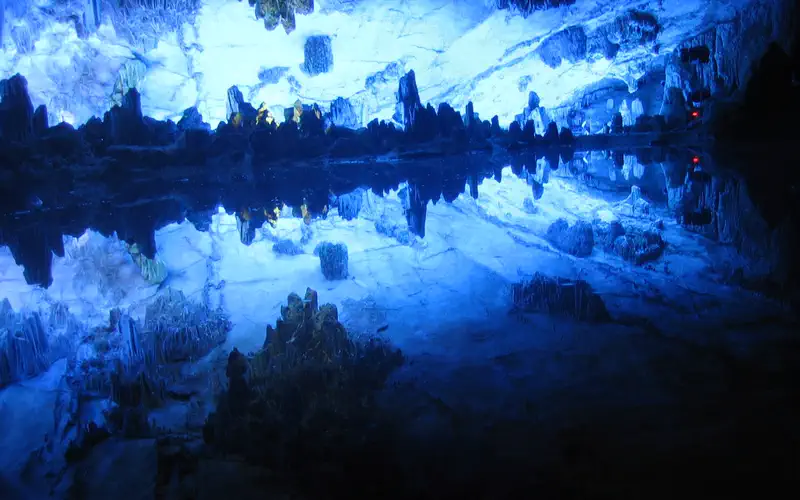
Reed Flute Cave 芦笛岩
Multicoloured-illuminated limestone cave on Guilin's western edge. Tang-era inscriptions, 240m of stalactites and stalagmites lit in coloured light.
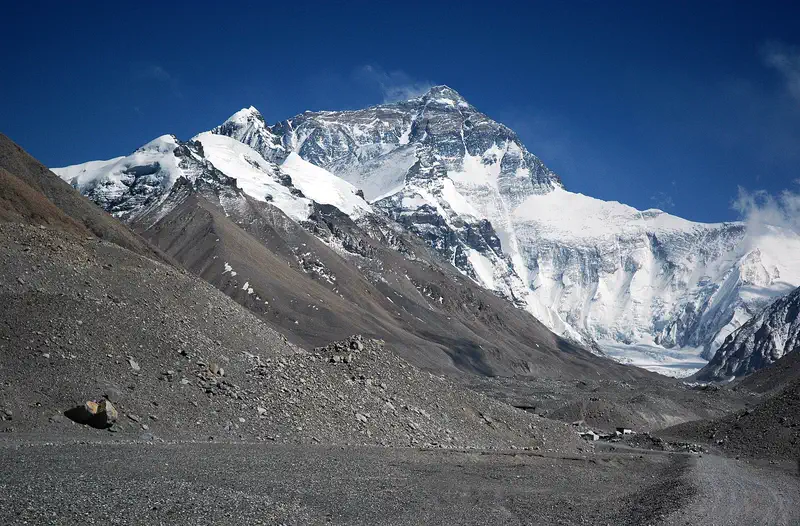
Rongbuk Monastery 绒布寺
The highest monastery in the world at 4,980 m, situated at the head of the Rongbuk Valley on the north side of Mount Everest, providing what is widely regarded as the finest close view of the mountain accessible by road.
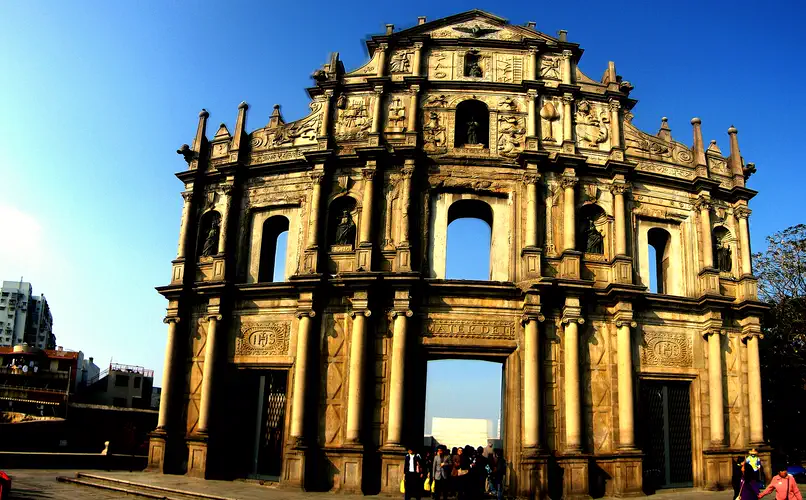
Ruins of St Paul's 大三巴牌坊
Façade of a 17th-century Jesuit cathedral, destroyed by fire in 1835. The most-photographed image of Macau, at the heart of the UNESCO historic centre.
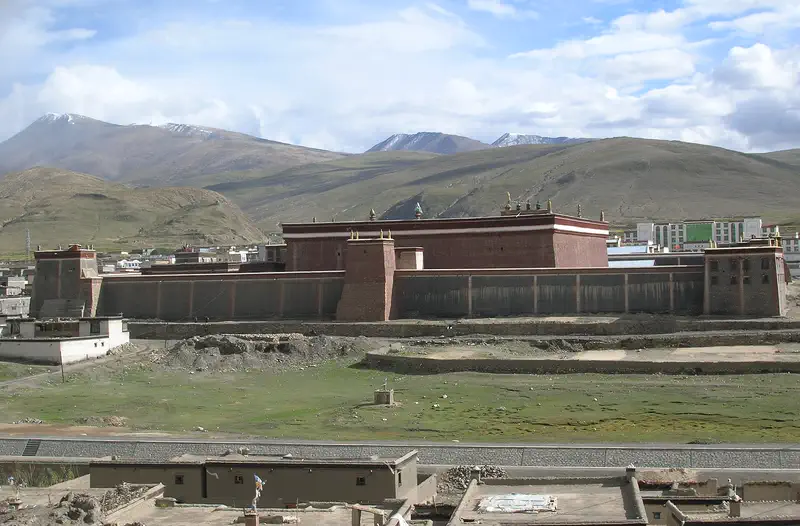
Sakya Monastery 萨迦寺
The principal monastery of the Sakya school of Tibetan Buddhism, founded in 1073 and containing a legendary library of over 84,000 manuscript scrolls alongside extraordinary medieval murals and statues.
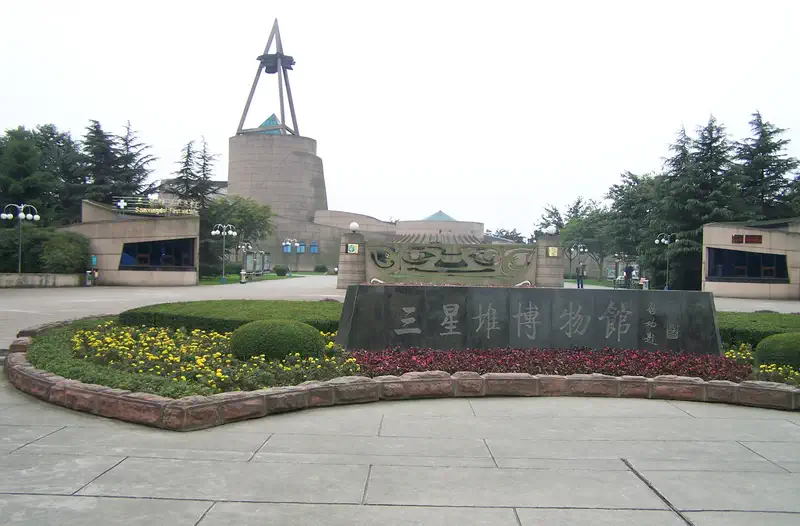
Sanxingdui Museum 三星堆博物馆
Bronze Age site museum 60 km north of Chengdu. The bronze masks of the Sanxingdui culture (1700–1100 BCE) are among the most distinctive Chinese archaeological finds.
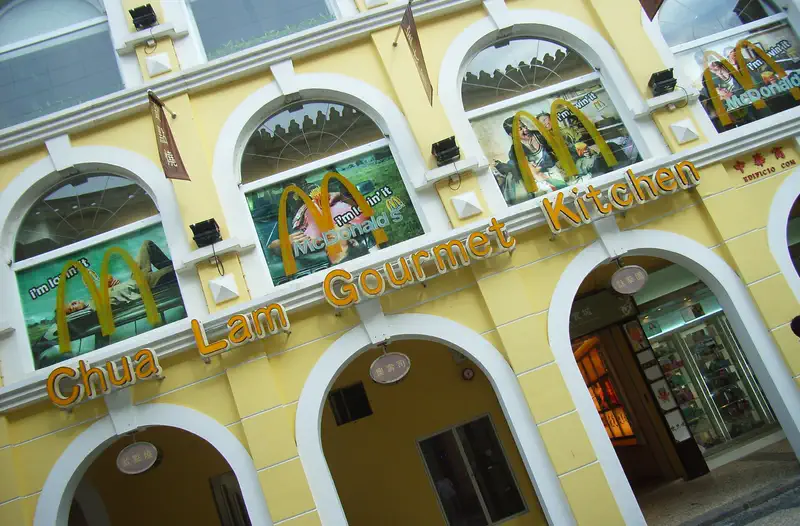
Senado Square 议事亭前地
Central pedestrian square paved in Portuguese mosaic stonework, surrounded by colonial-era public buildings. UNESCO-listed.
China Visit Guide
Shaanxi History Museum
Shaanxi History Museum 陕西历史博物馆
Premier provincial museum covering 1.2 million years of Shaanxi history — Zhou bronzes, Qin terracotta, Han murals, Tang ceramics. Free entry, advance booking essential.
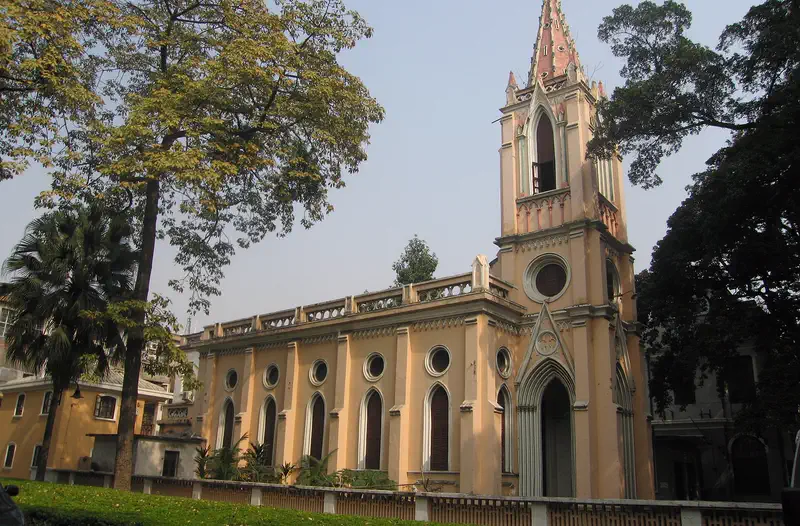
Shamian Island 沙面
Small Pearl River island that was the British and French concession from 1859. Restored late-19th-century European-style buildings, plane-tree streets.
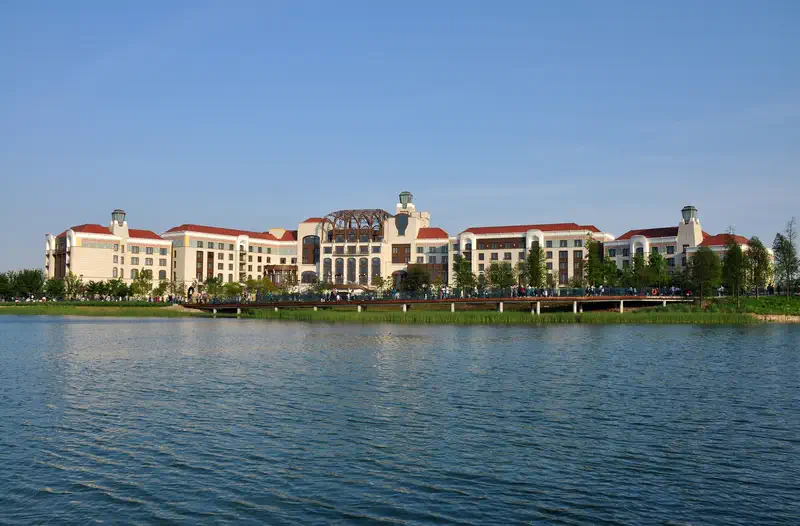
Shanghai Disneyland 上海迪士尼乐园
The largest Disney castle of any park, plus the only Pirates of the Caribbean ride built around projection-mapping. Metro-accessible from central Shanghai.
China Visit Guide
Shanghai Disneyland Toy Story Hotel and Disneytown
Shanghai Disneyland Toy Story Hotel and Disneytown 上海迪士尼乐园周边
Shopping, dining and themed-hotel area surrounding Shanghai Disneyland — accessible without a park ticket.
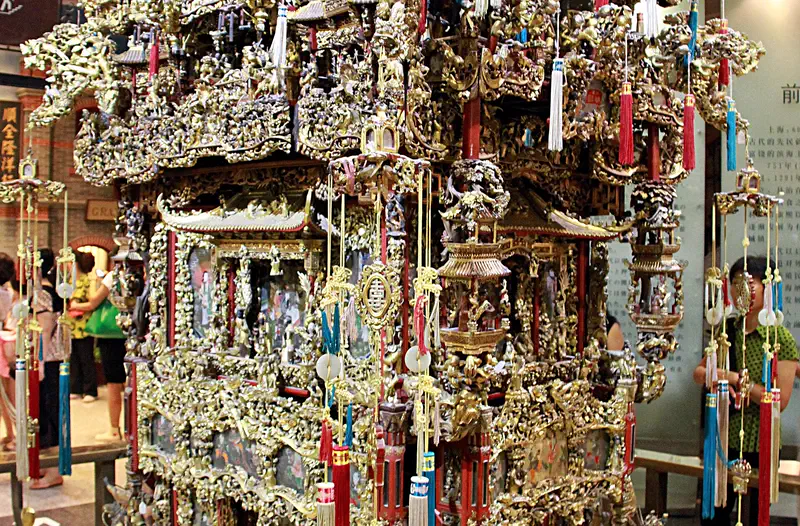
Shanghai History Museum 上海市历史博物馆
Museum of Shanghai's transformation from Yuan-era market town to modern megacity. Free; in the former Shanghai Race Club building on People's Square.
China Visit Guide
Shanghai Museum
Shanghai Museum 上海博物馆
Premier collection of Chinese bronzes, ceramics, painting and calligraphy. Free entry (booking required), one of the most respected museums in China.
China Visit Guide
Shanghai Natural History Museum
Shanghai Natural History Museum 上海自然博物馆
Modern natural-history museum in Jing'an Sculpture Park. Strong dinosaur collection; family-friendly.
China Visit Guide
Shanghai Tower observation deck
Shanghai Tower observation deck 上海中心大厦
Observation deck on the 118th floor of the second-tallest building in the world (632m). The fastest elevators on Earth at the time of construction.
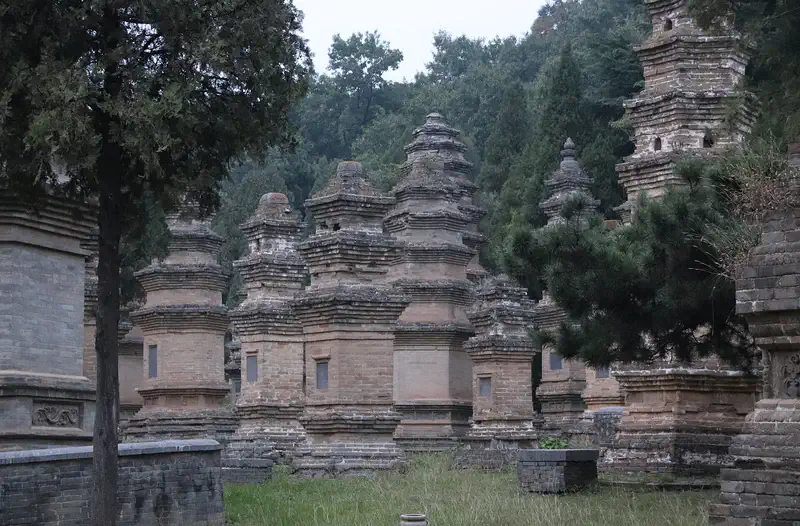
Shaolin Temple 少林寺
Birthplace of Chan (Zen) Buddhism and Chinese martial arts. Active monastery and martial arts school 70 km east of Luoyang at Mt Song.
China Visit Guide
Sheshan National Forest Park and Observatory
Sheshan National Forest Park and Observatory 佘山天文台
The highest natural elevation in Shanghai at 99 m, topped by a French Jesuit astronomical observatory and a Gothic Catholic basilica, surrounded by a forested park popular for weekend walks.
China Visit Guide
Shikumen Open House Museum
Shikumen Open House Museum 石库门博物馆
Restored shikumen lane house in Xintiandi, furnished as a 1930s upper-middle-class home. Compact and informative.
China Visit Guide
Shuhe Old Town
Shuhe Old Town 束河古镇
Smaller, quieter Naxi old town 4 km north of Lijiang Old Town. The same stone-paved street pattern with far fewer crowds.
China Visit Guide
Sichuan Giant Panda Sanctuaries
Sichuan Giant Panda Sanctuaries 四川大熊猫栖息地
UNESCO Natural World Heritage site in central Sichuan — a mosaic of seven nature reserves and nine scenic areas covering the principal wild habitat of the giant panda and dozens of other globally threatened species.
China Visit Guide
Silk Roads: Chang'an–Tianshan Corridor
Silk Roads: Chang'an–Tianshan Corridor 丝绸之路:长安-天山廊道的路网
UNESCO-listed transnational serial property along the central Silk Road, jointly inscribed by China, Kazakhstan and Kyrgyzstan, covering 33 sites from Xi'an to the Tianshan foothills.
China Visit Guide
Six Harmonies Pagoda
Six Harmonies Pagoda 六和塔
Northern Song pagoda overlooking the Qiantang River. 60m tall, 7 visible storeys (13 internal). Climbable.
China Visit Guide
Small Wild Goose Pagoda
Small Wild Goose Pagoda 小雁塔
Quieter, older Tang-era pagoda (707 CE) with the Xi'an Museum next door. Calmer alternative to the Big Wild Goose.
China Visit Guide
Songpan Old Town
Songpan Old Town 松潘古城
A remarkably intact Ming Dynasty walled town on the Min River at 2,850 m elevation, historically a key trading post between the Han Chinese lowlands and the Tibetan plateau.
China Visit Guide
South China Karst
South China Karst 中国南方喀斯特
UNESCO Natural World Heritage site spanning Yunnan, Guizhou and Guangxi — the world's largest and most diverse tropical and subtropical karst landscape, including the Stone Forest, Libo karst and Guilin limestone towers.
China Visit Guide
Stanley Market
Stanley Market 赤柱市集
Open-air market on Hong Kong Island's southern coast. Souvenirs, art, casual restaurants on the waterfront promenade.
China Visit Guide
Stone Forest (Shilin)
Stone Forest (Shilin) 石林
UNESCO-listed karst landscape 90 km southeast of Kunming. Limestone pillars resembling petrified trees, surrounding Sani-minority villages.
China Visit Guide
Summer Palace
Summer Palace 颐和园
Imperial garden retreat in northwest Beijing, around Kunming Lake. Empress Dowager Cixi's restored 1880s landscape — pavilions, the Long Corridor, the Marble Boat.
China Visit Guide
Tagong Temple (Lhagong Gompa)
Tagong Temple (Lhagong Gompa) 塔公寺
A venerated Tibetan Buddhist monastery on the open grasslands of the Garzê plateau, said to house a replica of the Jokhang Temple's most sacred Jowo Shakyamuni statue.
China Visit Guide
Tanzhe Temple
Tanzhe Temple 潭柘寺
1,700-year-old Buddhist temple in the western hills. Older than Beijing itself; 'Tanzhe before there was Youzhou' goes the saying.
China Visit Guide
Tashilhunpo Monastery
Tashilhunpo Monastery 扎什伦布寺
The seat of the Panchen Lama in Shigatse, 280 km west of Lhasa. The largest functioning Gelugpa monastery in Tibet today.
China Visit Guide
Temple of Heaven
Temple of Heaven 天坛
Ming-dynasty altar where emperors performed annual harvest rituals. The Hall of Prayer for Good Harvests (1420) is the iconic three-tier blue-tiled pavilion.
China Visit Guide
Temple Street Night Market
Temple Street Night Market 庙街夜市
Hong Kong's most famous night market, in Yau Ma Tei. Dim sum, hot pot, fortune-tellers, knock-off goods.
China Visit Guide
Tengchong Volcanic Geothermal Park
Tengchong Volcanic Geothermal Park 腾冲火山热海
A geologically active zone in western Yunnan with dozens of dormant and potentially active volcanoes, scalding hot spring fields, and mud geysers, all within reach of the frontier town of Tengchong.
China Visit Guide
Tengwang Pavilion
Tengwang Pavilion 滕王阁
Reconstructed Tang-era multi-storey wooden pavilion on the Gan River, immortalised in Wang Bo's 7th-century 'Preface to Tengwang Pavilion'.
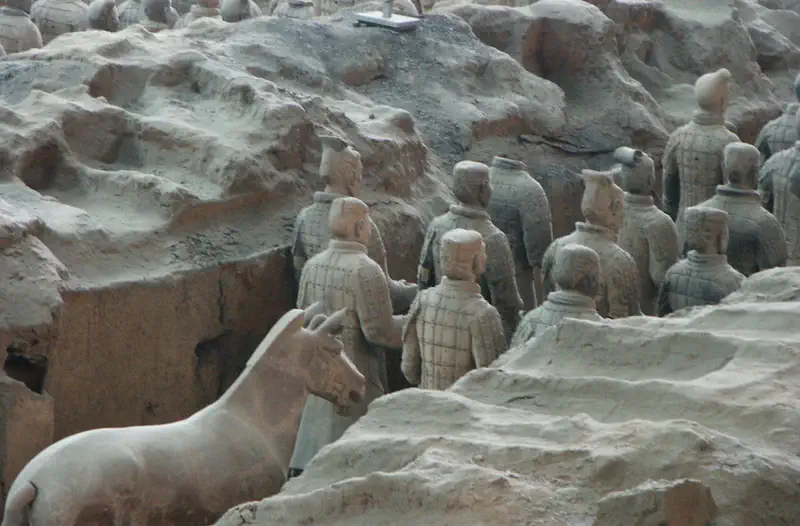
Terracotta Army 兵马俑
Some 8,000 life-size terracotta soldiers buried in 210 BCE to guard the tomb of China's first emperor. Discovered 1974. UNESCO-listed.
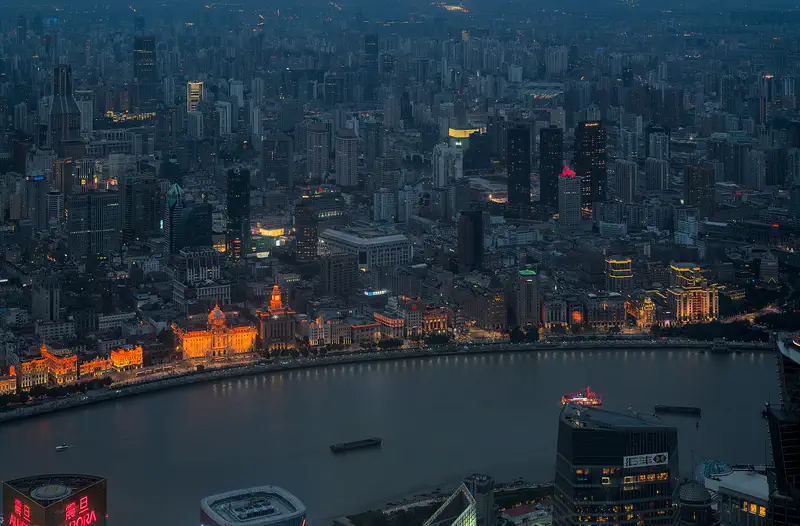
The Bund 外滩
1.5 km riverfront strip of 1920s-30s European banking houses on the west bank of the Huangpu, facing the Pudong skyline.
China Visit Guide
The Grand Canal
The Grand Canal 大运河
UNESCO-listed Grand Canal stretching 1,794 km from Beijing to Hangzhou — the longest artificial waterway in the world, built over 2,500 years and still partially navigable.
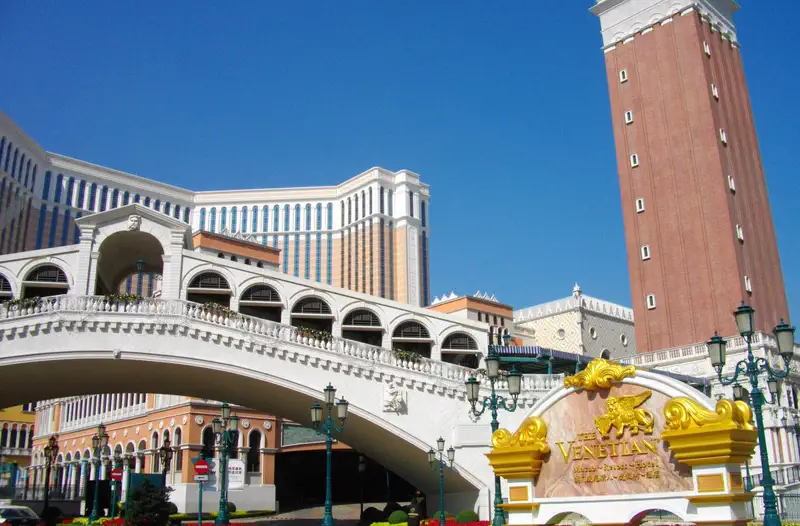
The Venetian Macau 威尼斯人
The world's largest casino by floor area. Mock-Italian streetscape with gondolas on canals; 3,000-room resort hotel.
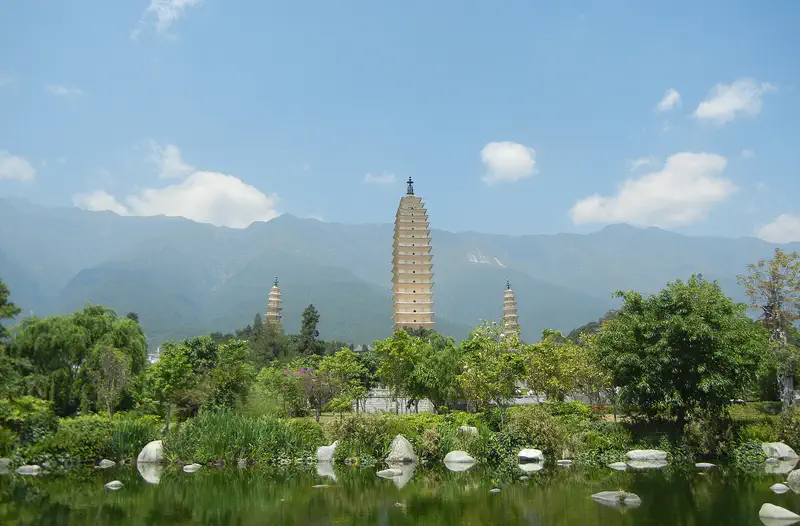
Three Pagodas of Chongsheng Temple 崇圣寺三塔
Three Tang-era pagodas (824–840 CE) in the Dali plain, with the Cangshan Mountains behind and Erhai Lake in front. The classic Dali photograph.
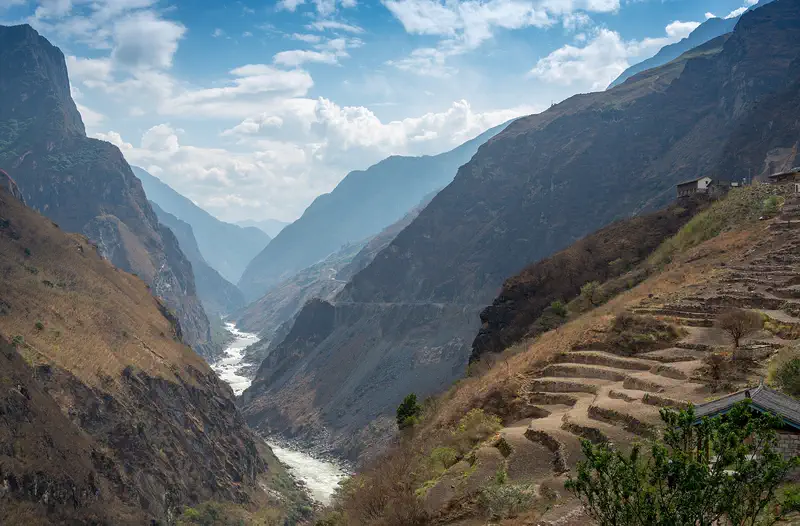
Three Parallel Rivers of Yunnan Protected Areas 云南三江并流保护区
UNESCO Natural World Heritage site in northwest Yunnan where the Yangtze, Mekong and Salween rivers run in parallel through deep gorges — one of the most biologically diverse temperate regions on Earth.
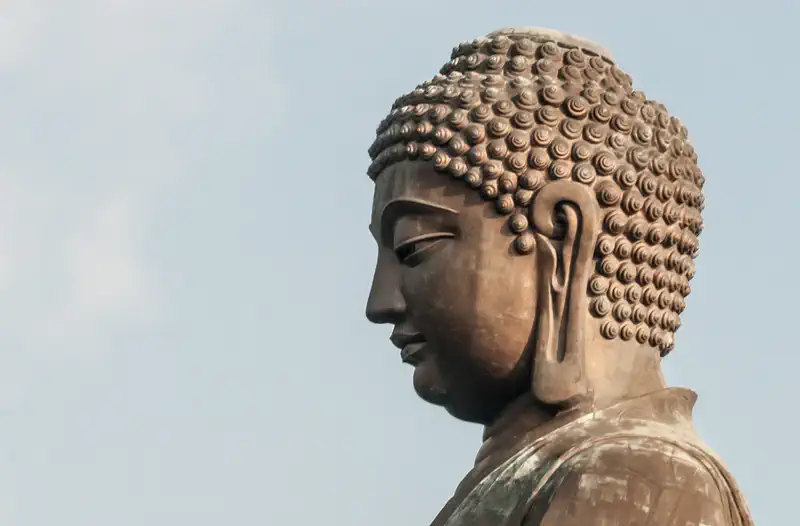
Tian Tan Buddha (Big Buddha) 天坛大佛
34m bronze seated Buddha on Lantau Island, completed 1993. Adjacent Po Lin Monastery, the Wisdom Path bamboo trail, and the Ngong Ping 360 cable car.
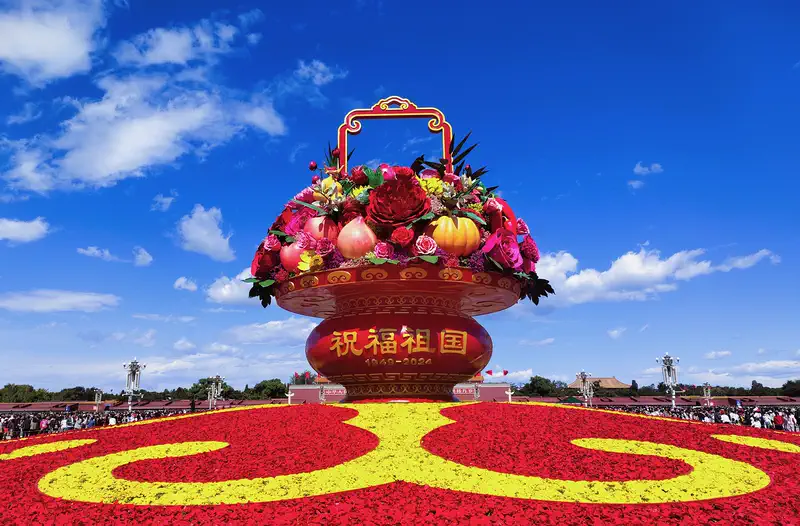
Tiananmen Square 天安门广场
The 44-hectare ceremonial square at the heart of the city. Mao Zedong Mausoleum, Monument to the People's Heroes, the Great Hall of the People, the National Museum.
China Visit Guide
Tianzifang
Tianzifang 田子坊
Maze of restored 1930s shikumen lane houses converted to galleries, boutiques, cafes and bars. The most-visited 'old Shanghai' lane neighbourhood.
China Visit Guide
Tiger Hill (Huqiu)
Tiger Hill (Huqiu) 虎丘
Founding burial site of the city of Suzhou (514 BCE). The 47m Yunyan Pagoda (961 CE) leans like Pisa.
China Visit Guide
Tiger Leaping Gorge
Tiger Leaping Gorge 虎跳峡
One of the world's deepest canyons (~3,800m from river to ridge), on the Jinsha River between Jade Dragon and Haba snow mountains. Two-day hike on the high trail.
China Visit Guide
Tin Hau Temple Yau Ma Tei
Tin Hau Temple Yau Ma Tei 油麻地天后庙
1865 Tin Hau (sea goddess) temple in Yau Ma Tei. Centre of the surrounding Temple Street night market area.
China Visit Guide
Tongli Water Town
Tongli Water Town 同里古镇
Restored Ming-Qing water town 18 km southeast of Suzhou. Less crowded than Zhouzhuang, with the Retreat & Reflection Garden as its UNESCO-listed centrepiece.
China Visit Guide
Tusi Sites
Tusi Sites 土司遗址
UNESCO-listed trio of tusi chieftain capitals in southwest China — Laosicheng (Hunan), Tangya (Hubei) and Hailongtun (Guizhou) — representing the imperial tusi system of indirect rule over ethnic minority regions.
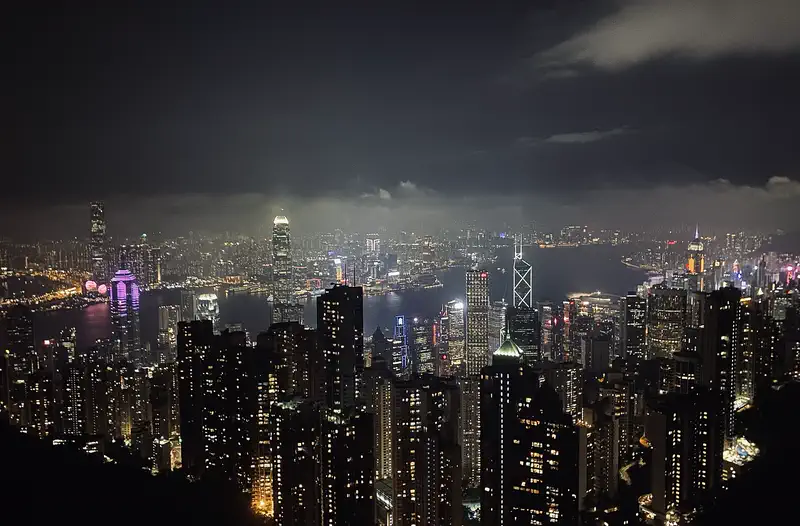
Victoria Peak 太平山
Hong Kong Island's central peak (552m). The Peak Tram funicular and the Sky Terrace 428 give the canonical Hong Kong skyline view.
China Visit Guide
Wang Family Compound
Wang Family Compound 王家大院
Massive Qing-era family compound 30 km from Pingyao. 25 courtyards over 250,000 m²; the most extensive surviving Han Chinese family residence.
China Visit Guide
Weihai Liugong Island
Weihai Liugong Island 刘公岛
A small island in Weihai harbour that served as the base of the Beiyang Fleet, China's first modern navy, and was the scene of the decisive 1895 naval battle of the First Sino-Japanese War.
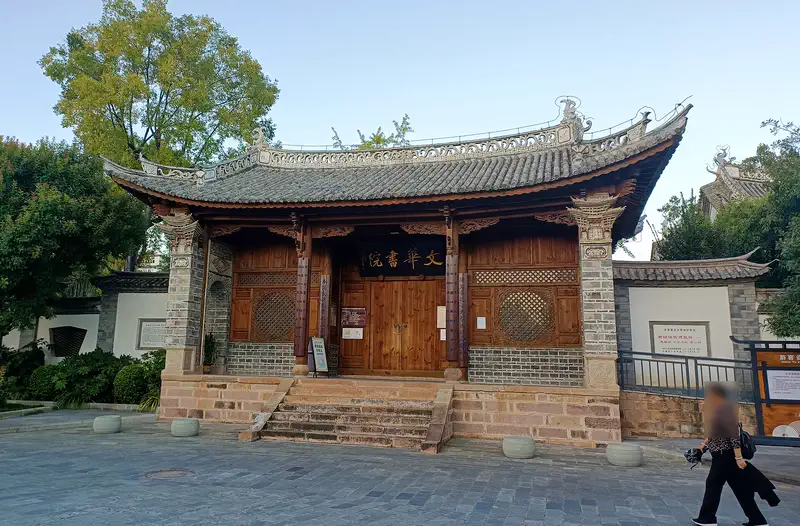
Weishan Ancient Town 巍山古城
A quiet Ming-era walled town south of Dali that served as the capital of the Nanzhao Kingdom, preserving a grid of cobbled streets, Bai architecture, and active Daoist temples largely unknown to international visitors.
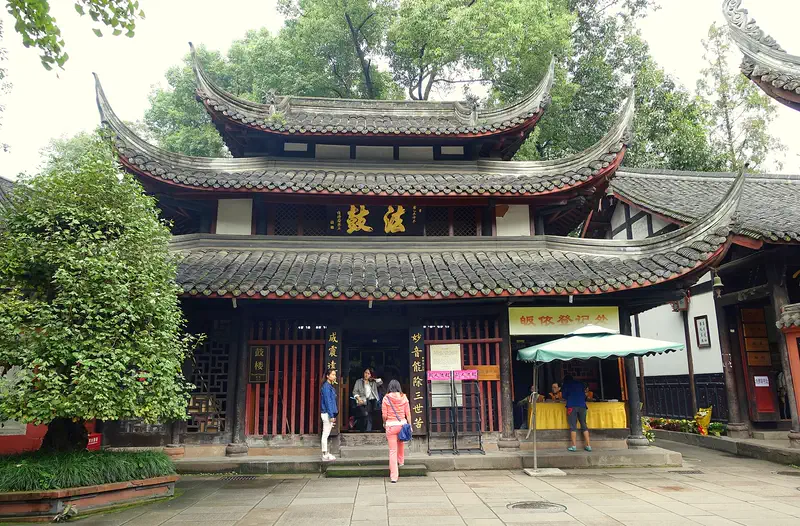
Wenshu Monastery 文殊院
Active Tang-era Buddhist monastery in central Chengdu. Vegetarian restaurant on-site; teahouse in the courtyards.
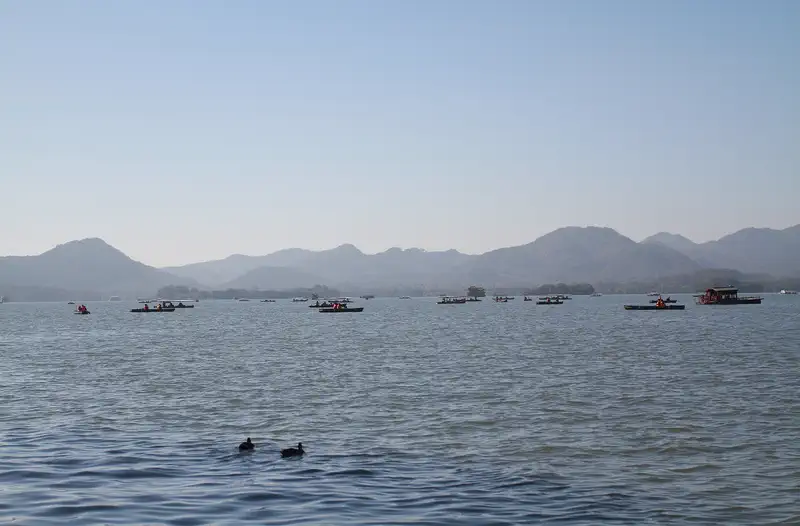
West Lake 西湖
The most-painted body of water in Chinese landscape art. UNESCO-listed since 2011. Causeways, pagodas, tea villages, full circumnavigation in half a day.
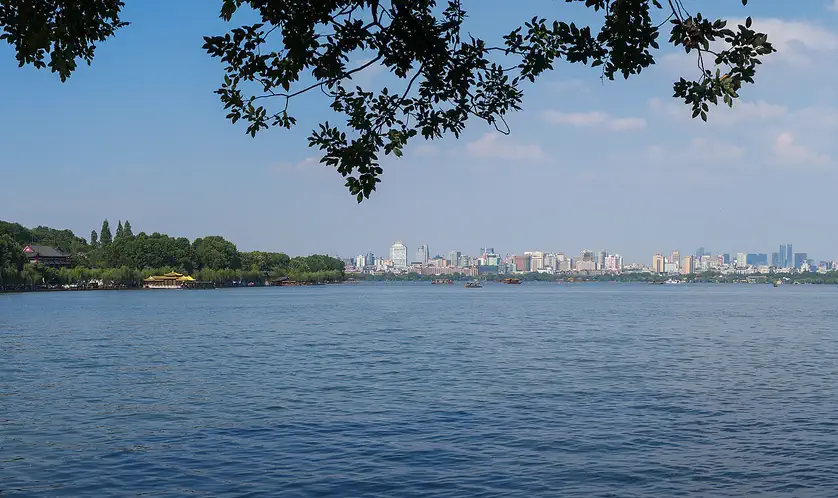
West Lake Cultural Landscape of Hangzhou 杭州西湖文化景观
UNESCO Cultural Landscape inscribed in 2011 — the designed lakeside landscape of Hangzhou's West Lake, shaped by more than 1,000 years of interaction between natural scenery and human artistic and cultural tradition.
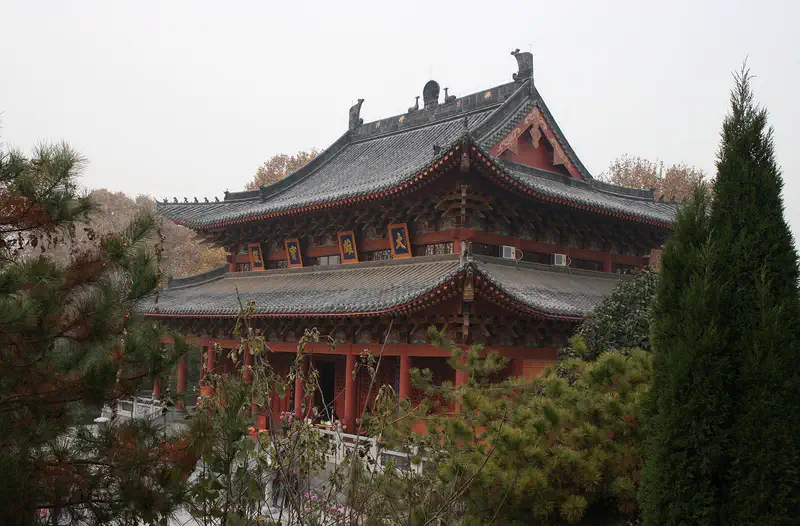
White Horse Temple 白马寺
The first Buddhist temple in China, founded 68 CE. The 'cradle of Buddhism in China'.
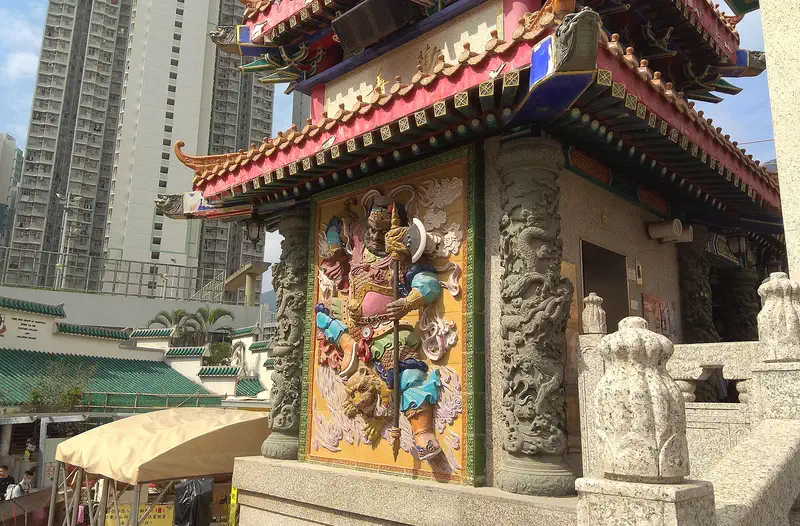
Wong Tai Sin Temple 黄大仙祠
Active Daoist-Buddhist-Confucian temple in Kowloon, famous for fortune-telling and the lunar-new-year incense offering.
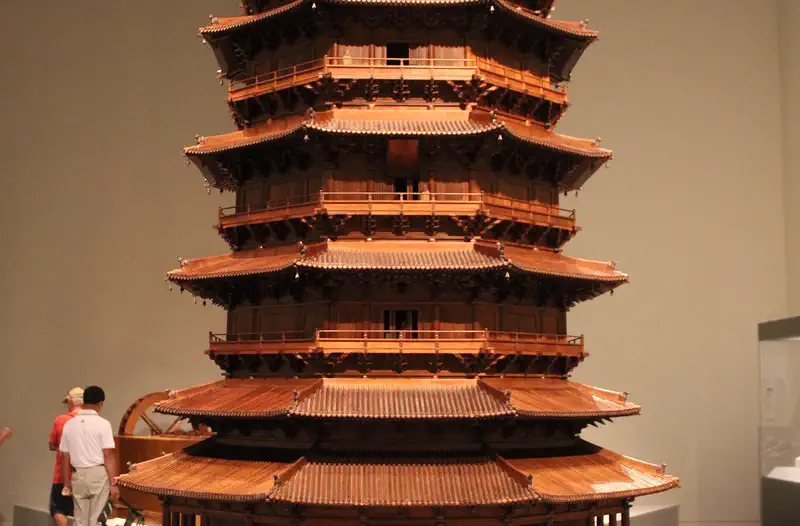
Wooden Pagoda of Yingxian 应县木塔
67m wooden pagoda built 1056 — the world's tallest existing wooden pagoda and the oldest fully timber-framed pagoda anywhere.
China Visit Guide
Wudalianchi Volcanic Formation
Wudalianchi Volcanic Formation 五大连池火山
UNESCO Global Geopark and proposed World Heritage site in northern Heilongjiang — a young volcanic field with 14 cinder cones, extensive lava flows and five interconnected crater lakes formed in eruptions as recent as 1720–1721 CE.
China Visit Guide
Wudang Mountain — Golden Summit and Temple Complex
Wudang Mountain — Golden Summit and Temple Complex 武当山金顶
A complex of Ming Dynasty Daoist temples and monasteries on a dramatic cluster of peaks in north-western Hubei, the spiritual home of Wudang martial arts and the supreme sacred site of the Xuanwu (True Martial Arts) tradition in Chinese Daoism.
Wuhou Shrine 武侯祠
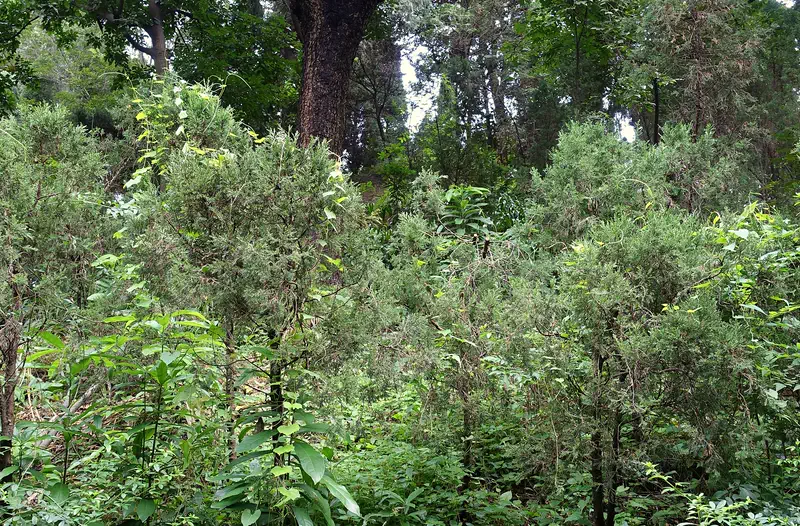
Memorial temple to Three Kingdoms-era statesman Zhuge Liang and the Liu Bei tomb. The historical anchor for the Three Kingdoms-themed Jinli Street next door.
China Visit Guide
Wuhu Fantawild Adventure Park
Wuhu Fantawild Adventure Park 芜湖方特欢乐世界
A large Chinese-developed theme park in Wuhu, Anhui, operated by Fantawild Holdings and considered one of the most visited theme parks in China, blending Chinese mythology and culture with immersive ride technology.
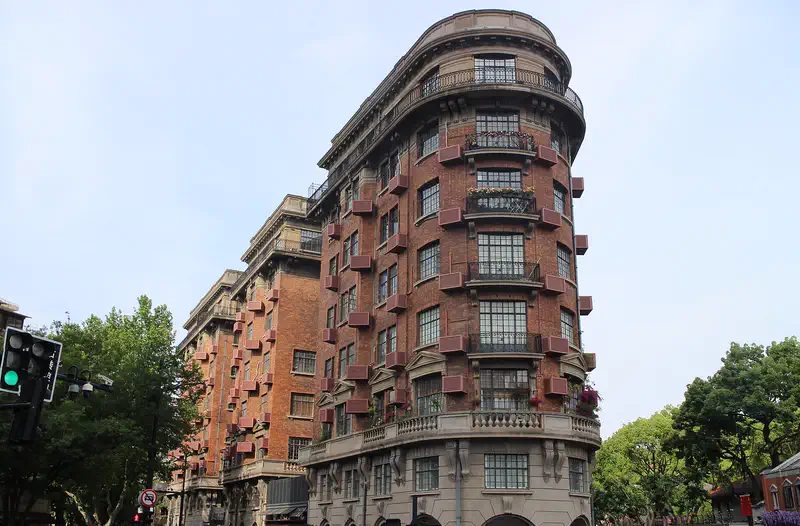
Wukang Mansion 武康大楼
1924 Norman-style apartment building on Wukang Road, the photogenic landmark of the former French Concession.
China Visit Guide
Wulingyuan Scenic and Historic Interest Area (Zhangjiajie)
Wulingyuan Scenic and Historic Interest Area (Zhangjiajie) 武陵源风景名胜区
UNESCO Natural World Heritage site in northwest Hunan — over 3,000 quartz sandstone pillars rising from subtropical forest, forming one of China's most photographed landscapes and the visual inspiration for the floating mountains in the film Avatar.
China Visit Guide
Wuyuan ancient villages
Wuyuan ancient villages 婺源
Cluster of restored Hui-style villages in northeastern Jiangxi. Famous for the late-March rapeseed-flower bloom.
China Visit Guide
Wuzhen Water Town
Wuzhen Water Town 乌镇
Restored canal town between Hangzhou and Suzhou. Two zones: West Scenic Zone (overnight, atmospheric) and East Scenic Zone (day-trip).
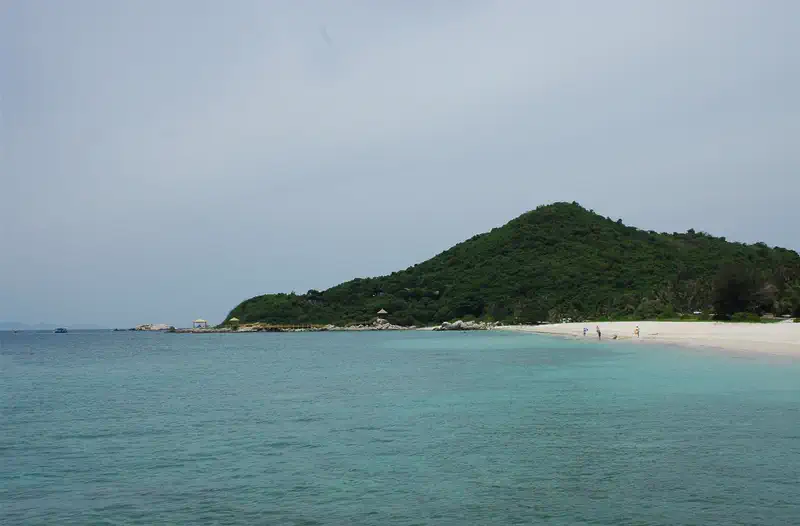
Wuzhizhou Island 蜈支洲岛
Coral-reef island 2.5 nautical miles off Sanya's eastern coast. Popular for snorkelling, diving, and beach day-trips.
China Visit Guide
Xi'an City Wall
Xi'an City Wall 西安城墙
14 km Ming-dynasty wall enclosing the historic core of Xi'an. Walk or cycle the entire loop on top of the wall — 90 minutes by bike.
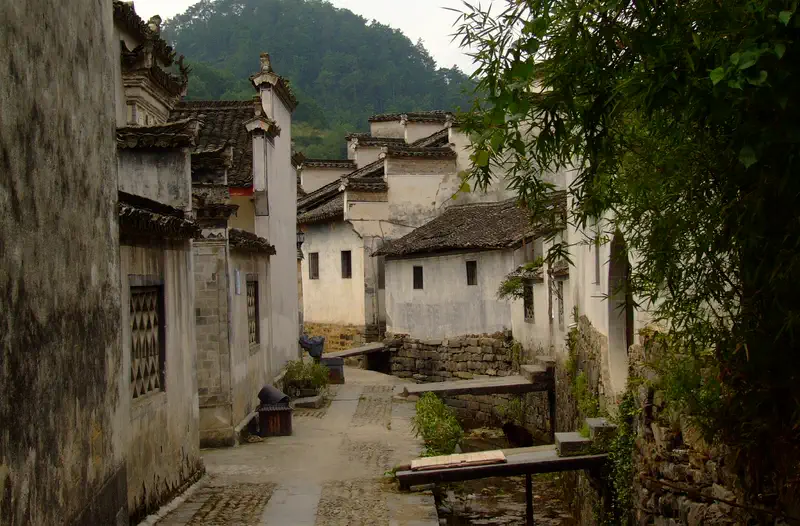
Xidi Ancient Village 西递
UNESCO-listed Hu-clan village (founded 1047), the canonical 'Anhui-style' merchant village with archway lanes, white-walled grey-tile houses and carved-stone doors.
China Visit Guide
Xinduqiao Plateau Grasslands
Xinduqiao Plateau Grasslands 新都桥
A broad plateau valley at 3,460 m nicknamed 'Photographers' Paradise', where golden poplars, meandering streams, Tibetan farmsteads, and distant snow peaks combine in a landscape celebrated by Chinese photographers.
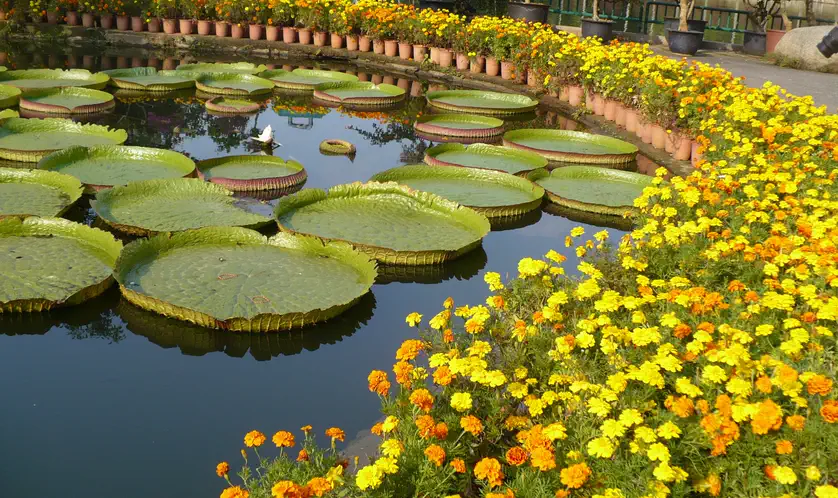
Xishuangbanna Tropical Botanical Garden 西双版纳植物园
1,125-hectare botanical garden in tropical southern Yunnan, on a Mekong tributary. The Chinese Academy of Sciences' largest research botanical garden.
China Visit Guide
Xitang Water Town
Xitang Water Town 西塘
Restored Ming-era canal town 90 minutes from Shanghai. Mission Impossible III filming location; less crowded than Zhouzhuang.
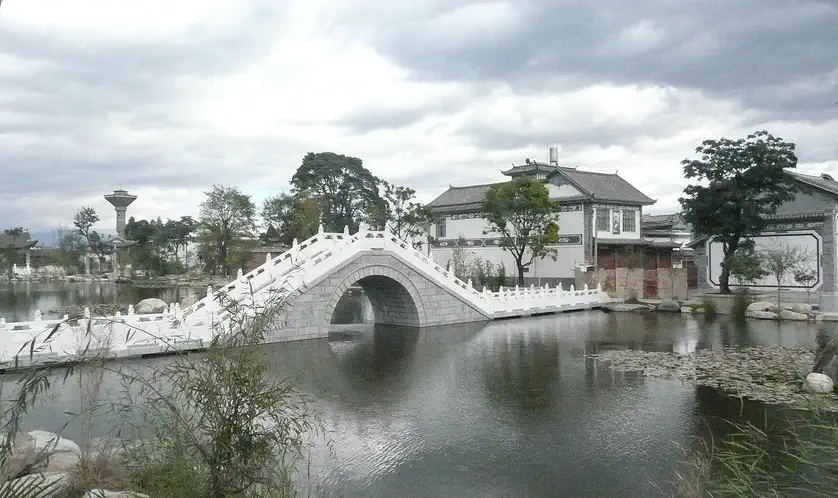
Xizhou (Bai-minority town) 喜洲
Bai-minority town on Erhai's western shore. Traditional Bai courtyard architecture and the famous Xizhou breakfast pancakes.
China Visit Guide
Xunyang Tower Historic Waterfront
Xunyang Tower Historic Waterfront 浔阳古渡
The historic Yangtze ferry crossing area of Xunyang in Jiujiang, where classical poets, merchants, and officials departed and arrived for over a millennium, now a cultural heritage waterfront with restored Ming-Qing streetscape.
China Visit Guide
Yalong Bay
Yalong Bay 亚龙湾
7.5 km crescent-shaped beach on Hainan's southern coast, lined with international-brand resort hotels. The premium beach destination in mainland China.
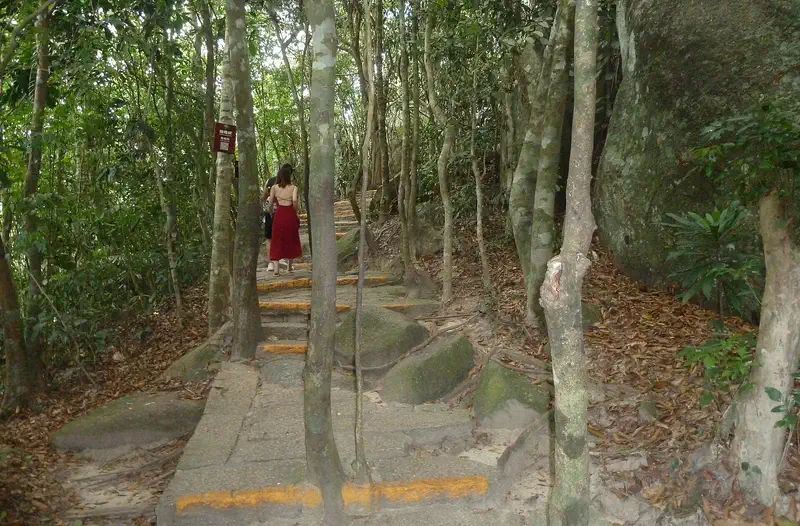
Yalong Bay Tropical Paradise Forest Park 亚龙湾热带天堂森林公园
1,506-hectare tropical rainforest park behind Yalong Bay. Featured in Crouching Tiger, Hidden Dragon's bamboo forest scene.
China Visit Guide
Yamdrok Lake (Yamdrok Tso)
Yamdrok Lake (Yamdrok Tso) 羊卓雍错
A sacred turquoise lake visible from the Lhasa-Gyantse highway at 4,441 m, considered one of the four holy lakes of Tibet and one of the most visually striking landscapes on the Tibetan plateau.
China Visit Guide
Yamdrok Tso (Yamdrok Lake)
Yamdrok Tso (Yamdrok Lake) 羊卓雍措
Sacred turquoise lake at 4,440m, 100 km south of Lhasa. Visited via the Khamba La pass (4,800m) on the road to Gyantse.
China Visit Guide
Yan'an Revolutionary Memorial Site
Yan'an Revolutionary Memorial Site 延安革命纪念馆
The former wartime capital of the Chinese Communist Party from 1936 to 1948, where Mao Zedong consolidated power and defined the political and military doctrines that underpinned the eventual CCP victory in 1949.
China Visit Guide
Yantai Golden Beach (Jinshatan)
Yantai Golden Beach (Jinshatan) 烟台金沙滩
A broad crescent of fine golden sand on the Bohai Sea, considered among the finest beaches in northern China.
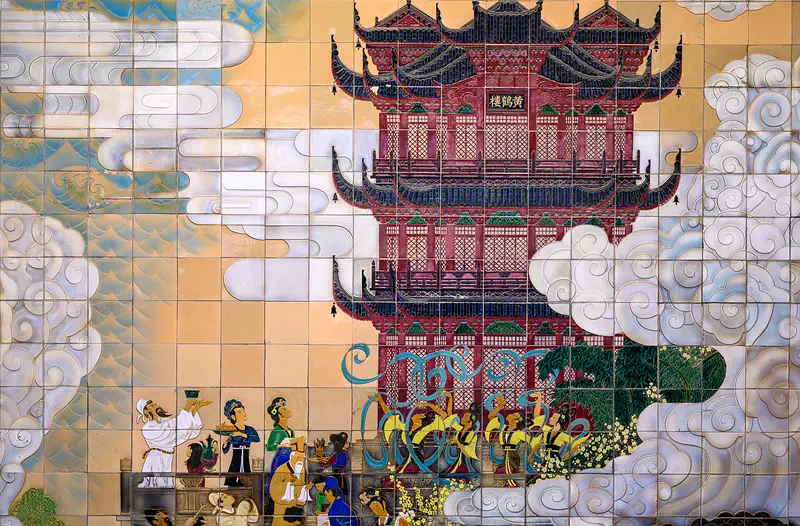
Yellow Crane Tower 黄鹤楼
Reconstructed pavilion overlooking the Yangtze in Wuchang. One of the Three Great Towers of the South.
China Visit Guide
Yu Garden
Yu Garden 豫园
16th-century classical Chinese garden in central Shanghai, surrounded by the Yuyuan Bazaar — restored Ming-style shopping streets.
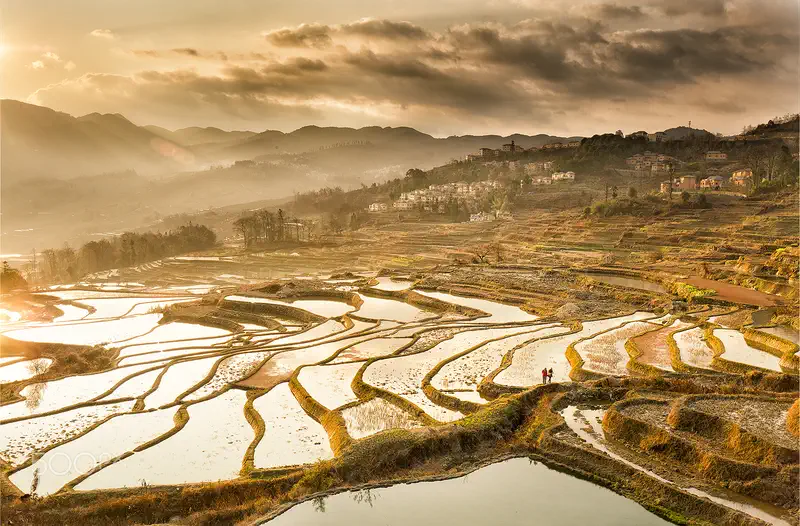
Yuanyang Rice Terraces 元阳梯田
UNESCO-listed Hani-minority rice terraces in southern Yunnan. The most spectacular terraced-paddy landscape in southern China.
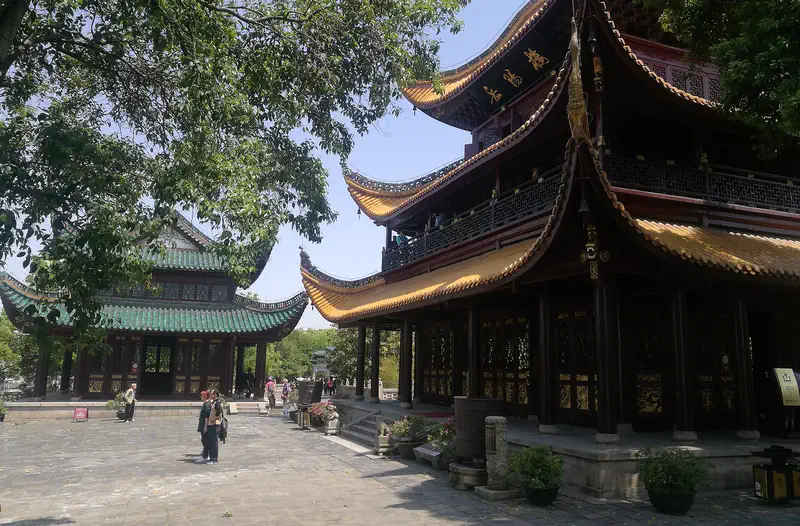
Yueyang Tower 岳阳楼
Tang-origin pavilion overlooking Dongting Lake. The third of the Three Great Towers of the South. Famous for Fan Zhongyan's 11th-century essay.
China Visit Guide
Yulong River bamboo rafting
Yulong River bamboo rafting 遇龙河竹筏
Two-person bamboo rafts down the calm Yulong River through karst countryside. 1-2 hour shorter sections; quieter than the Li River.
China Visit Guide
Yungang Grottoes
Yungang Grottoes 云冈石窟
UNESCO-listed Buddhist cliff carvings 16 km west of Datong, carved 460–525 CE under the Northern Wei. 252 caves, 51,000 statues.
China Visit Guide
Zhangye Danxia (Rainbow Mountains)
Zhangye Danxia (Rainbow Mountains) 张掖丹霞
UNESCO-listed multicoloured sandstone hills in northwest Gansu. Stripes of red, orange, yellow and white from cretaceous sediment layers.
China Visit Guide
Zhanqiao Pier
Zhanqiao Pier 栈桥
Qingdao's iconic 440m pier into the Yellow Sea, with the Huilan Pavilion at the end. The city's most-photographed sight.
China Visit Guide
Zhoukoudian Peking Man Site
Zhoukoudian Peking Man Site 周口店北京人遗址
UNESCO-listed palaeontological site southwest of Beijing where Homo erectus pekinensis fossils were unearthed, providing foundational evidence for human prehistory in East Asia.
China Visit Guide
Zhouzhuang Water Town
Zhouzhuang Water Town 周庄
Restored Yuan-era water town 50 km southeast of Suzhou. The most-photographed of the classical Yangtze water towns.
China Visit Guide
Zhujiajiao Water Town
Zhujiajiao Water Town 朱家角
Restored canal town 47 km west of central Shanghai. Half-day boat trip option, less crowded than Suzhou's Tongli or Zhouzhuang.
China Visit Guide
Zuojiang Huashan Rock Art Cultural Landscape
Zuojiang Huashan Rock Art Cultural Landscape 左江花山岩画文化景观
UNESCO-listed cluster of Luoyue people rock paintings on cliffs above the Zuojiang River in Guangxi, dating from the 5th century BCE to the 2nd century CE — the largest rock art concentration in southeast Asia.