Museum · ZHEJIANG
China National Tea Museum
中国茶叶博物馆 · Zhōngguó Cháyè Bówùguǎn
About
Comprehensive museum of Chinese tea history, varieties, and culture. Free entry; in the Longjing tea-growing hills.
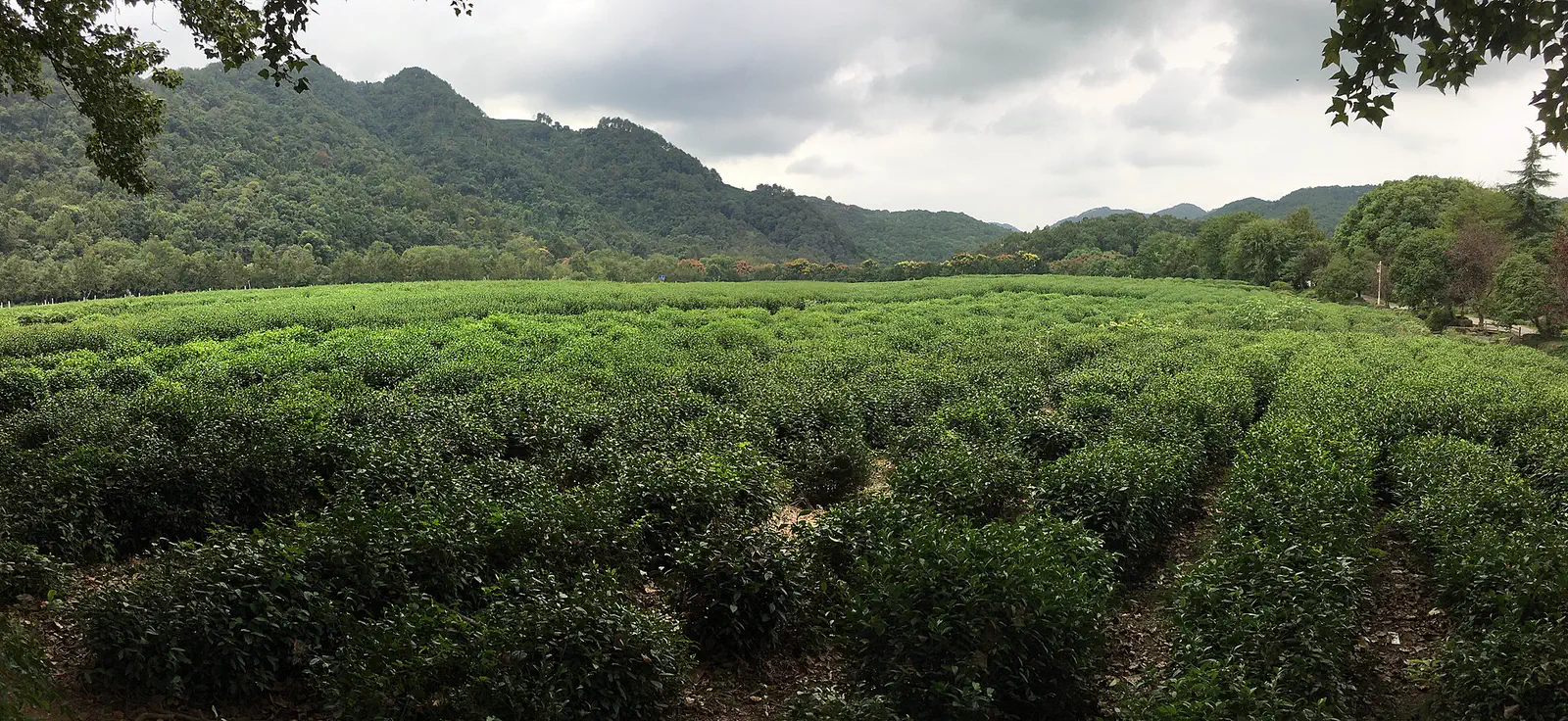
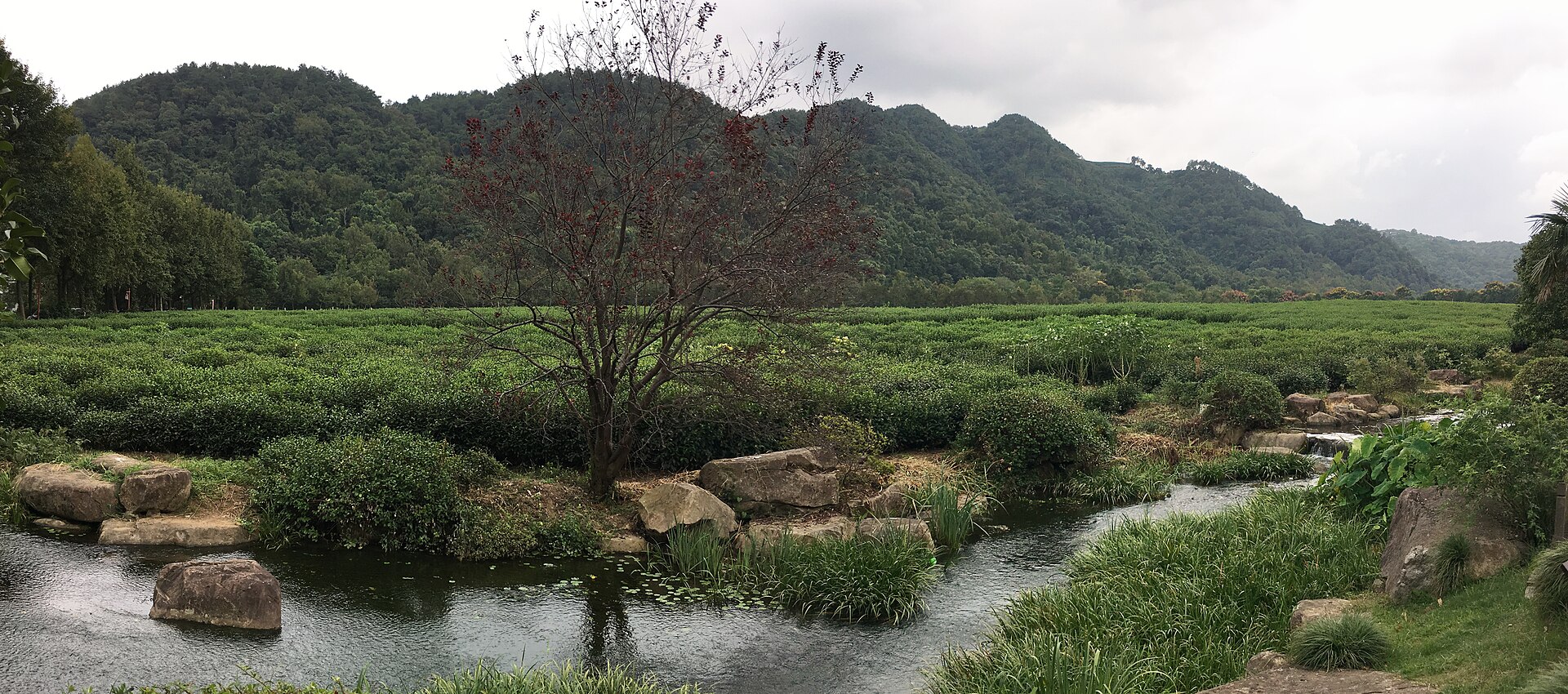
The China National Tea Museum sits in the Longjing tea-growing district on the western slopes above Hangzhou's West Lake, surrounded by working tea gardens. Opened in 1991 and expanded in the 2010s, it is the country's designated national-level tea museum — the most comprehensive institution in China dedicated to the history, cultivation, and culture of tea. Entry is free.
The museum occupies a series of low pavilion buildings in a landscaped garden setting; the building complex is designed to blend with the tea-terrace landscape on the surrounding hills. The permanent exhibition covers Chinese tea history from the earliest cultivation references in the Han dynasty through Tang-dynasty tea brick culture (documented in Lu Yu's Classic of Tea, ca. 780 CE), Song-dynasty whisked-powder tea, Ming-dynasty loose-leaf steeping (the form that became the global norm), and Qing-dynasty ceremonial practice. Regional tea varieties — Longjing, Tieguanyin, Pu-erh, Keemun, Biluochun — are presented with growing-region maps, processing explanations, and comparative tasting displays. A tea ceremony demonstration hall shows preparation methods from various periods and regional traditions.
The museum's physical location is the equal of its content. The surrounding Longjing Village and Meijiawu Village are the production centres for Longjing (Dragon Well) tea, China's most celebrated green tea. Walking from the museum into the tea gardens along the ridge paths, and stopping at one of the farm tea-houses for a cup made from the spring harvest, is the obvious extension of any museum visit. The spring harvest — mid-March to early April — is the most atmospheric time, when the hillsides are full of pickers. A bus from central Hangzhou reaches the museum stop in about 20 minutes.
How to get there
Bus 27 to the museum stop.
When to visit
March–April for the spring Longjing harvest in surrounding villages.
Gallery
Other attractions in Hangzhou
Itineraries featuring this site
- Shanghai–Suzhou–Hangzhou triangle in 5 days
5d · Two days in Shanghai, a day and a half in Suzhou's classical gardens, then West Lake and Hangzhou.
- Vegetarian and vegan China in 7 days
7d · Hangzhou (Buddhist vegetarian temples) to Putuoshan (sacred Buddhist island) to Suzhou to Shanghai. A seven-day itinerary following the tradition of Chinese Buddhist vegetarian cuisine, with reliable meat-free and vegan options at each stop.
- Classical gardens circuit in 7 days
7d · Suzhou (Humble Administrator's Garden, Lingering Garden, Master of Nets) to Yangzhou (Geyuan, Heyuan) to Hangzhou. A focused circuit around China's most significant private garden tradition, pairing the UNESCO-listed Suzhou gardens with the less-visited Yangzhou examples and Hangzhou's West Lake landscape.
- China for seniors in 10 days
10d · Beijing to Suzhou to Hangzhou to Shanghai, built around lift-accessible accommodation, manageable walking distances, gentler pacing, and accessible attractions. Designed for travellers in their 60s, 70s, and beyond who want to see China without the physical demands of the standard tourist circuit.
Other museums in China
- Capital Museum首都博物馆
Beijing's history museum — bronze, ceramics, paintings, and a strong narrative of the city's evolution from Yan kingdom through the present.
- Han Yangling Mausoleum Museum汉阳陵博物馆
A world-class Han Dynasty imperial mausoleum museum near Xi'an presenting thousands of miniature terracotta tomb figures, including nude figurines originally dressed in silk, excavated from pits surrounding the burial mound of Emperor Jing (reigned 157–141 BCE).
- Hong Kong Museum of Art香港艺术馆
Hong Kong's premier art museum on the Tsim Sha Tsui waterfront. Strong Chinese painting and contemporary HK art collections.
- Hong Kong Museum of History香港历史博物馆
Comprehensive museum of Hong Kong's history from prehistoric to the 1997 handover. Free entry.
- Hubei Provincial Museum湖北省博物馆
Major provincial museum east of central Wuhan. Famous for the Bianzhong bell-set of the Marquis Yi of Zeng.
- Imperial Kiln Museum御窑博物馆
A museum of imperial Chinese porcelain built directly over the excavated site of the Ming and Qing imperial kilns, designed by architect Zhu Pei with brick-vaulted galleries that echo the form of the kilns themselves.
- Jinsha Site Museum金沙遗址博物馆
Bronze Age site museum on a 3,000-year-old ritual centre discovered in Chengdu in 2001. The Sun Bird gold disc is the symbol of Chengdu.
- Mawangdui Han Tombs Museum (Hunan Provincial Museum)马王堆汉墓博物馆
Home to the most remarkable Han Dynasty archaeological finds ever made, including the 2,100-year-old preserved body of Lady Xin Zhui and thousands of silk manuscripts, lacquerware, and organic burial goods from the Mawangdui tombs.
Frequently asked questions
- How much does China National Tea Museum cost to visit?
- Entry to China National Tea Museum is free.
- When is China National Tea Museum open?
- China National Tea Museum opening hours: 9am–5pm, closed Mondays.
- How long do you need at China National Tea Museum?
- Allow 2–4 hours for China National Tea Museum. Add buffer time if you plan to visit at peak season or include nearby sights in the same trip.
- When is the best time to visit China National Tea Museum?
- March–April for the spring Longjing harvest in surrounding villages.
- How do you get to China National Tea Museum?
- Bus 27 to the museum stop.
Spotted something out of date? Submit a correction.
Research
Cross-checked against primary sources
Verified
Address, hours, fees confirmed at the date shown
Updated
Re-verified periodically; corrections welcome