Religious site · GANSU
Labrang Monastery
拉卜楞寺 · Lābǔlèng Sì
About
Major Tibetan Buddhist Gelugpa monastery in Xiahe, southern Gansu. Outside the Tibet Autonomous Region — accessible without TAR permits.
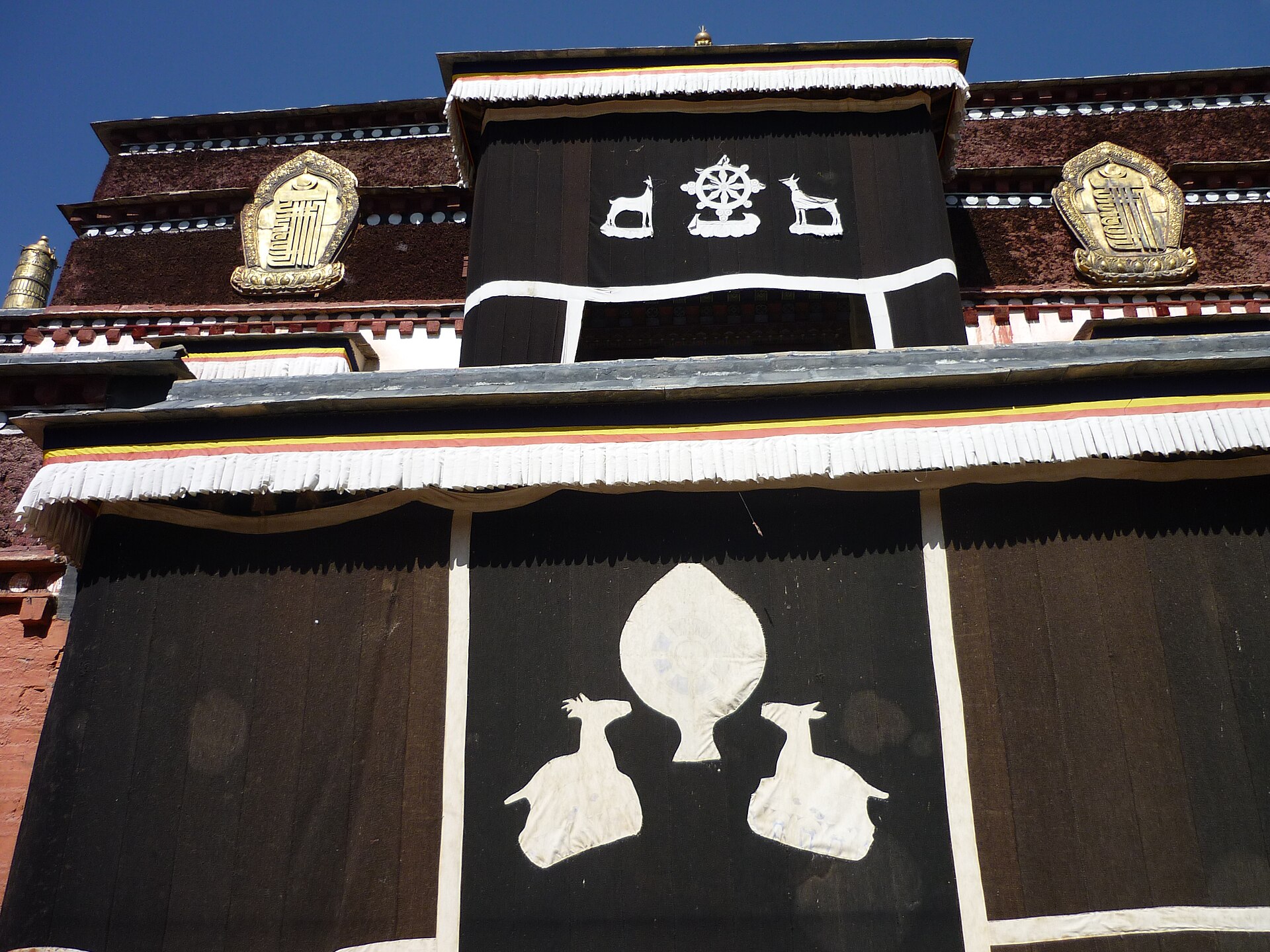
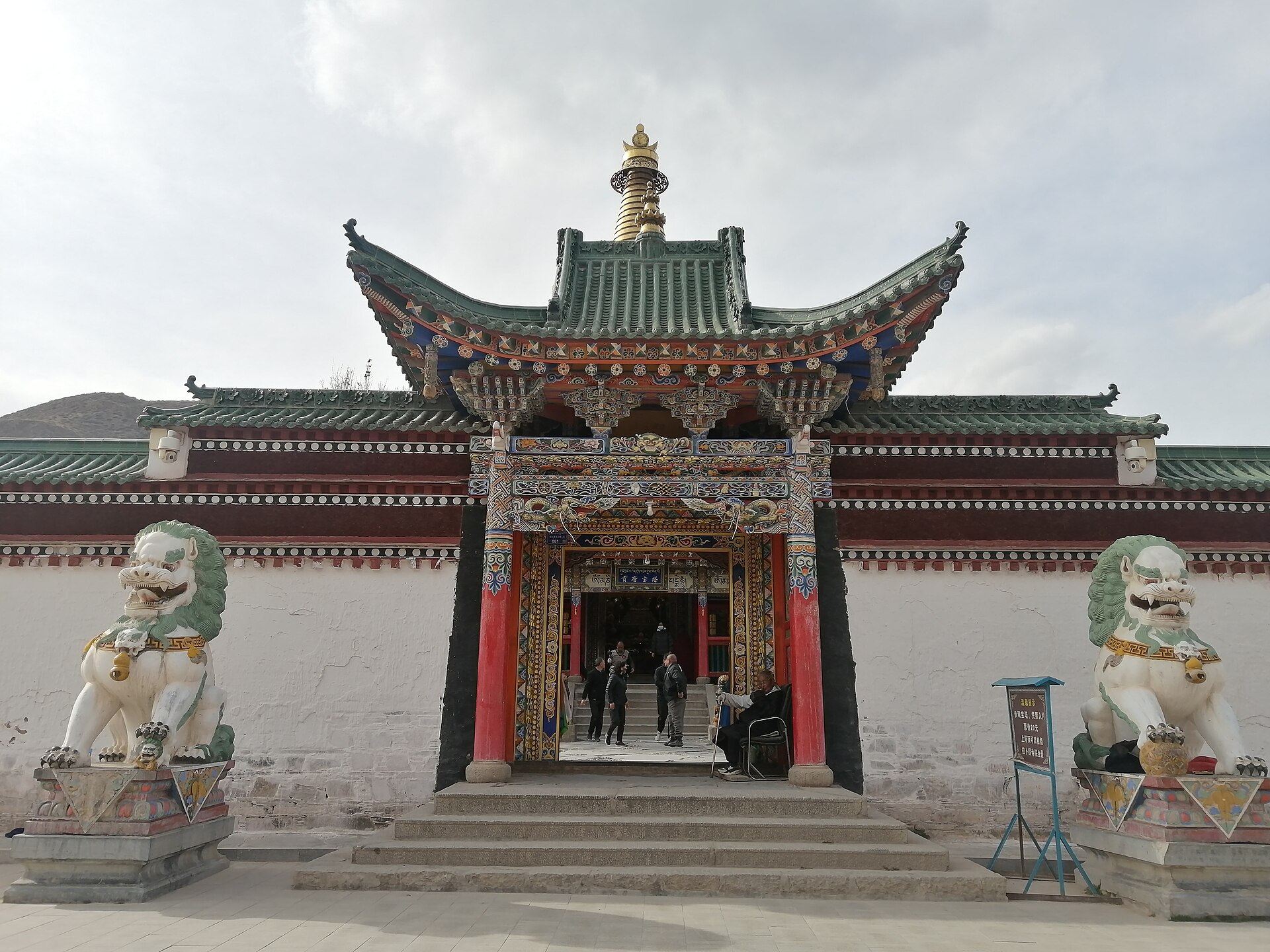
Labrang Monastery — Bla-brang bKra-shis-'khyil in Tibetan — was founded in 1709 by the first Jamyang Zhepa, a senior Gelugpa lama from the Amdo region, and became one of the six principal monasteries of the Gelugpa school alongside Drepung, Sera, Ganden, Tashilhunpo, and Kumbum. Located in the town of Xiahe in southern Gansu, at approximately 2,920 metres on the edge of the Tibetan Plateau's northeastern extension into the Amdo region, Labrang is set in a valley where the Daxia River runs below the monastery complex on the hillside above.
The monastery houses six institutes (dratsang) covering the main fields of Tibetan Buddhist study: esoteric practice, medicine, astrology, and three levels of philosophical college. At its pre-1949 peak, the monastic population approached 4,000; the current resident community of approximately 1,500 monks makes it still one of the most active Gelugpa institutions operating in China. The Monlam Chenmo — the Great Prayer Festival — held in the first month of the Tibetan lunar calendar (usually February) is the major annual event, drawing pilgrims from across the Amdo Tibetan world for 15 days of prayer, debate, and the unveiling of a giant thangka painting on the hillside.
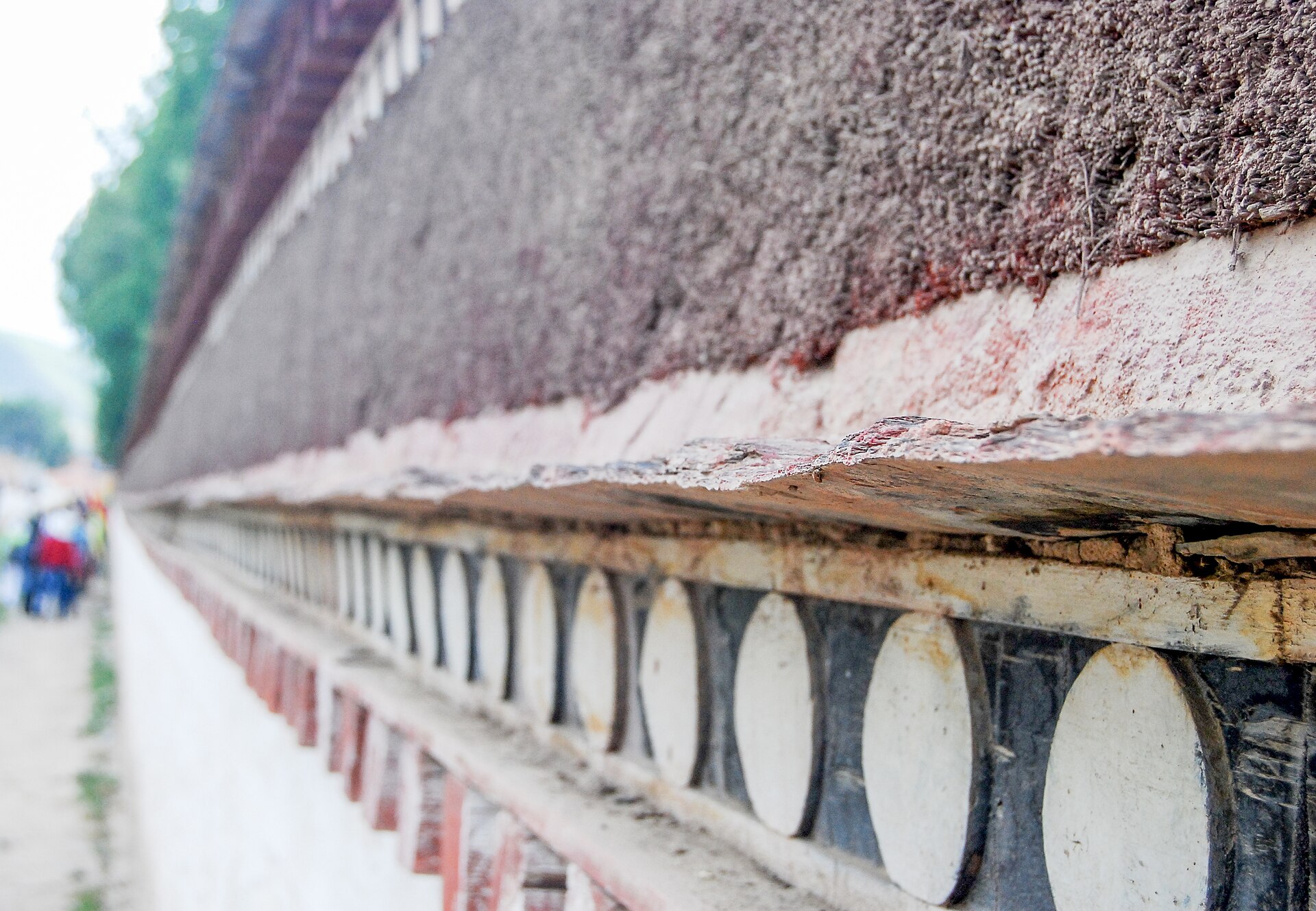
The kora — the pilgrim circumambulation route around the outer wall of the monastery — is approximately three kilometres long and lined with 1,174 prayer wheels set in a continuous covered walkway. Pilgrims turn the wheels as they walk, creating a sustained metallic sound throughout the circuit. Walking the kora takes about 30 minutes at a brisk pace; pilgrims taking their time, stopping to prostrate, or engaging in conversation with others on the circuit take longer. The route gives a different experience from the interior monastery visit — it is where the living religious community is most visible. Labrang is critically accessible without the Tibet Autonomous Region Travel Permit required for Lhasa and most Tibetan sites.
How to get there
Bus from Lanzhou (~5 hours) or Xining (~6 hours).
When to visit
Spring or autumn. The Monlam (Great Prayer) Festival in late January / February is the major annual event.
Gallery
Other religious sites in China
- Big Wild Goose Pagoda大雁塔
Tang-dynasty Buddhist pagoda, built 652 CE to house the sutras brought back by Xuanzang. 64m, seven storeys, climbable.
- Donglin Temple (East Forest Monastery)东林寺
One of the most important Buddhist monasteries in Chinese history, founded in 386 CE at the foot of Mount Lu and considered the birthplace of Pure Land Buddhism in China.
- Drepung Monastery哲蚌寺
UNESCO · Once the largest monastery in the world (10,000+ monks). 8 km west of Lhasa. Active Gelugpa monastery; debating courtyard sessions in the afternoon.
- Famen Temple法门寺
1,700-year-old Buddhist temple 110 km west of Xi'an. The 1987 discovery of a finger relic of the Buddha in its underground crypt was a major archaeological event.
- Ganden Monastery甘丹寺
The mother monastery of the Gelug school of Tibetan Buddhism, founded in 1409 by Tsongkhapa atop Wangbur Mountain 47 km east of Lhasa, offering sweeping plateau views and an important kora trail.
- Gyantse Kumbum Stupa江孜白居寺
A nine-storey mandala stupa built in 1427 containing 108 chapels on multiple floors, considered one of the finest examples of Tibetan religious architecture and the most important landmark in Gyantse.
- Hanging Temple悬空寺
1,500-year-old wooden temple complex pinned to the side of a 75m cliff at Mt Heng. Engineered with horizontal posts driven into the rock face.
- Jade Buddha Temple玉佛寺
Active urban Buddhist temple in central Shanghai. Famous for two life-size jade Buddhas brought from Burma in 1882.
Frequently asked questions
- How much does Labrang Monastery cost to visit?
- Adult entry to Labrang Monastery is ¥40, ¥20 for children.
- When is Labrang Monastery open?
- Labrang Monastery opening hours: 8am–6pm.
- How long do you need at Labrang Monastery?
- Allow 24–48 hours for Labrang Monastery. Add buffer time if you plan to visit at peak season or include nearby sights in the same trip.
- When is the best time to visit Labrang Monastery?
- Spring or autumn. The Monlam (Great Prayer) Festival in late January / February is the major annual event.
- How do you get to Labrang Monastery?
- Bus from Lanzhou (~5 hours) or Xining (~6 hours).
Spotted something out of date? Submit a correction.
Research
Cross-checked against primary sources
Verified
Address, hours, fees confirmed at the date shown
Updated
Re-verified periodically; corrections welcome