Religious site · BEIJING
Lama Temple (Yonghe Gong)
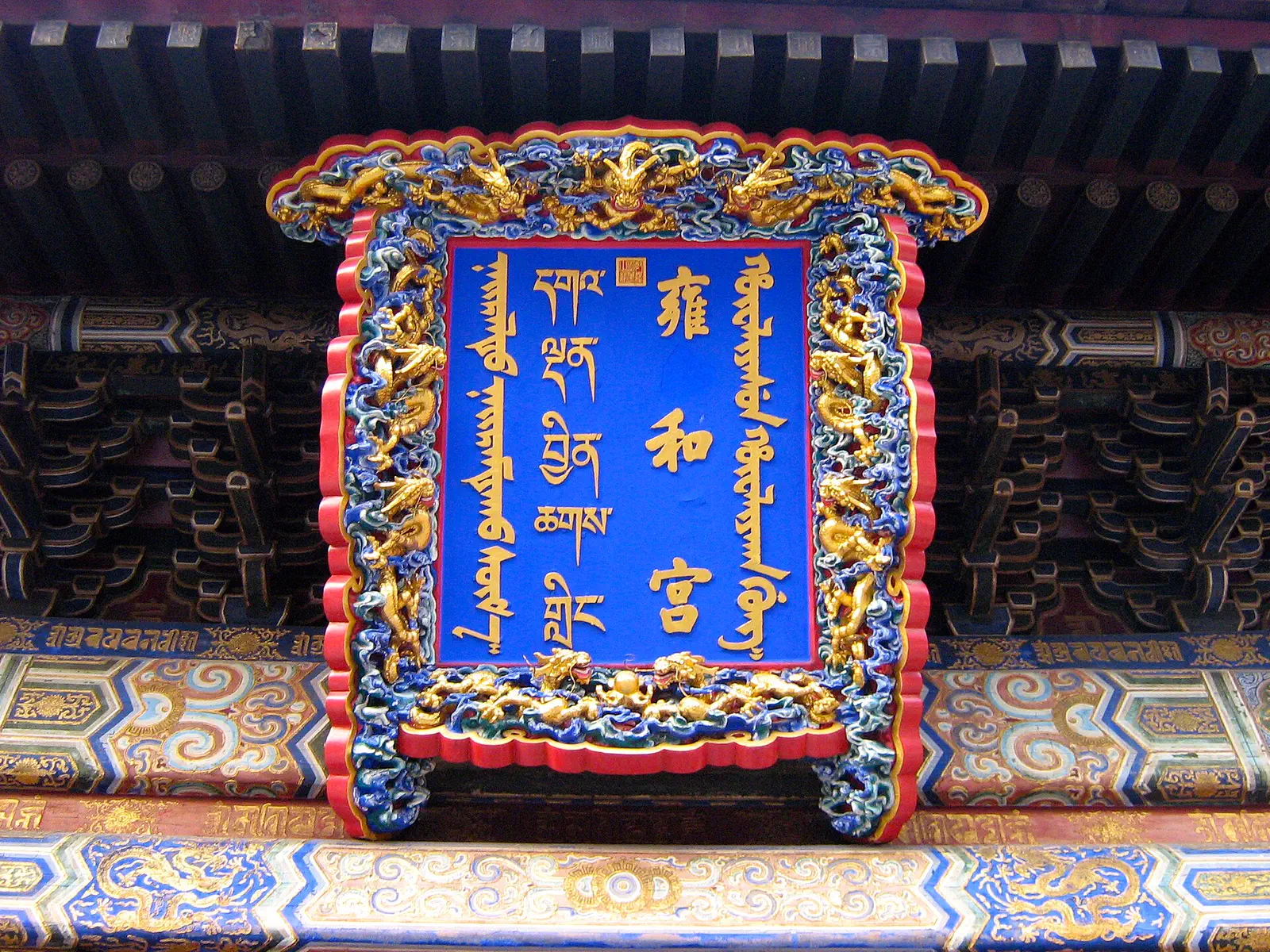
雍和宫 · Yōnghégōng
About
Active Tibetan Buddhist monastery in central Beijing. Five courtyards of halls, a 26m carved-sandalwood Maitreya, and the city's largest gathering of monks.
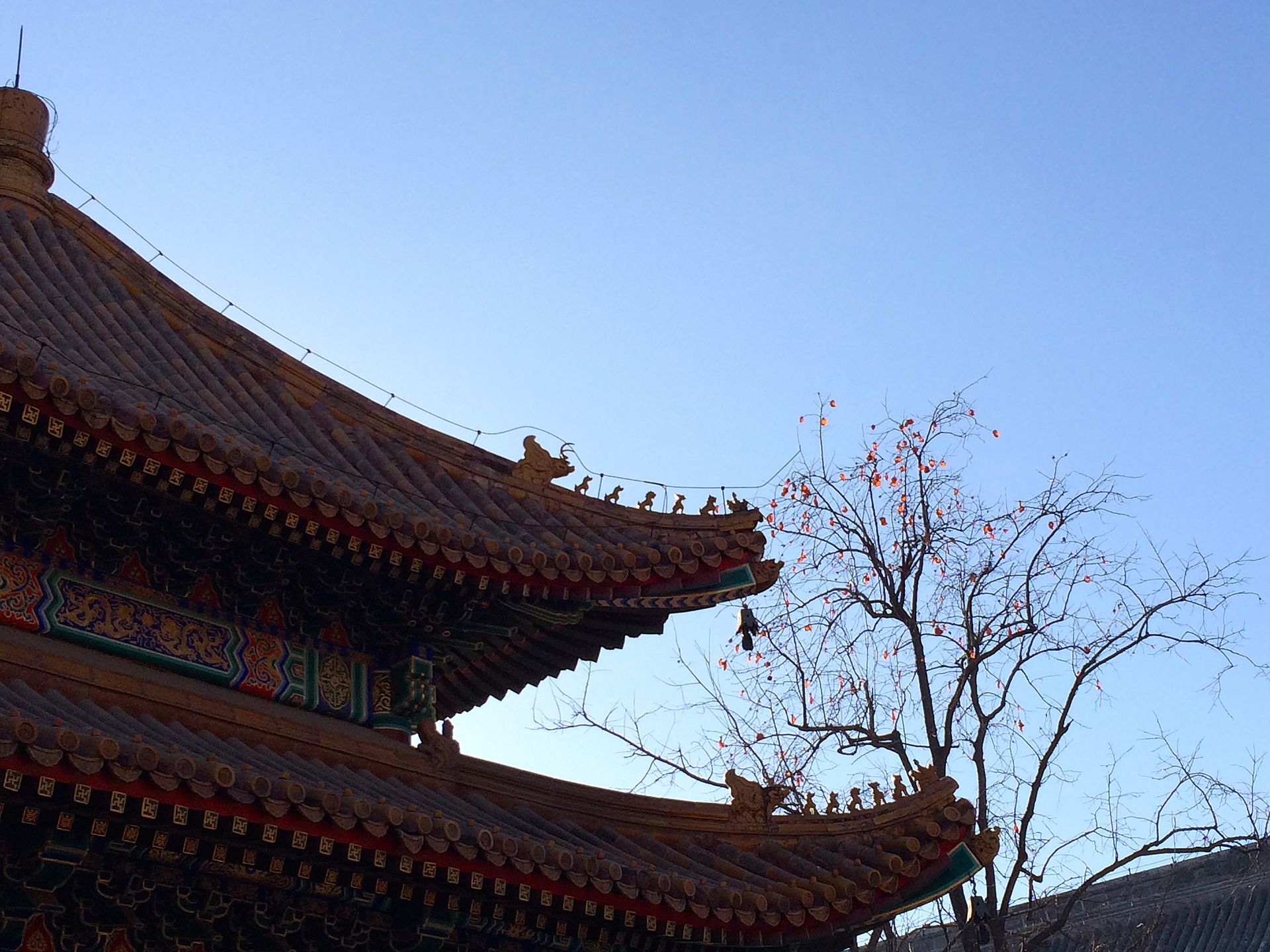
The Lama Temple — Yonghe Gong, meaning Palace of Harmony — has an unusual origin for a Buddhist monastery. The complex was built as the residential compound of Prince Yinzhen, fourth son of the Kangxi Emperor, in 1694. When Yinzhen acceded to the Qing throne in 1722 as the Yongzheng Emperor, the residence was elevated to imperial status. By Qing custom, any building an emperor had slept in was too sacred for ordinary use. When the Yongzheng Emperor died, his son the Qianlong Emperor converted the compound into a Tibetan Buddhist monastery of the Gelugpa school in 1744, partly as a gesture toward the Mongolian and Tibetan Buddhist communities whose political support mattered to the Qing imperial project.
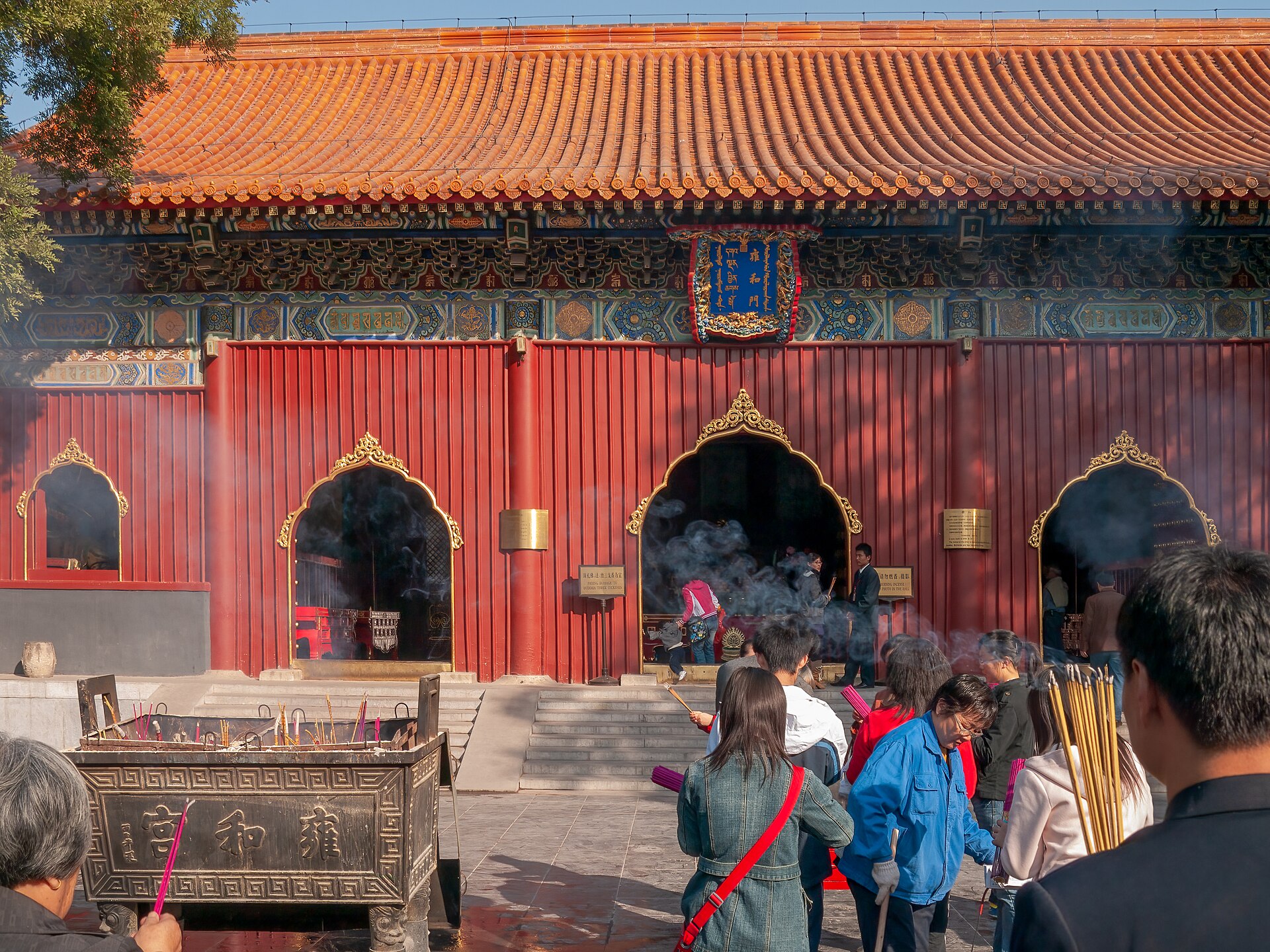
The five courtyards run north on a central axis in the manner of a standard Buddhist monastery, but the buildings are grander than most — they were, after all, an emperor's former residence. The Yonghe Gate Hall, the Hall of Harmony and Peace, the Hall of Eternal Blessing, the Hall of the Wheel of the Law, and the Pavilion of Ten Thousand Happinesses each stand progressively taller, with the Pavilion reaching 25 metres to contain a 26-metre white sandalwood statue of Maitreya Buddha carved from a single tree trunk. The statue was presented by the 7th Dalai Lama to the Qianlong Emperor; the carving is listed in the Guinness Book of Records as the world's largest single-tree carved Buddhist statue.
The temple is an active Gelugpa monastery with resident monks, and it is one of the most heavily visited religious sites in Beijing. The incense courtyards are dense with worshippers on weekends and festival days. Morning on a weekday is quieter. Photography within the main halls is restricted. The surrounding Yonghegong Dajie has food stalls and shops catering to pilgrims; the Confucius Temple and Imperial College are a short walk.
How to get there
Metro Lines 2 and 5 to Yonghegong Lama Temple Station.
When to visit
Morning. Photography of monks in private moments is not appropriate.
Official channels
Verified official contacts and booking flow — no affiliate links.
- Website
- www.yonghegong.cn
- Booking flow
- Ticket window on-site OR online booking accepted. Passport ID required at booking / gate.
- Notes
- Also known as Yonghe Temple. Ticket window at the entrance.
Gallery
Other attractions in Beijing
Itineraries featuring this site
- Beijing–Tianjin long weekend in 3 days
3d · One day on Beijing's sites, a day-trip to Tianjin's Italian quarter and food street, return same evening.
- Beijing 3-day blitz — first-timer fast pass
3d · Three full days in Beijing covering the Forbidden City, Great Wall at Mutianyu, the Temple of Heaven and the hutong lanes — the absolute core of the capital for visitors with limited time.
- Beijing weekend — 3 days in the capital
3d · Three days in Beijing covering the Forbidden City, Great Wall at Mutianyu and the Temple of Heaven — the irreducible core of the capital, managed at a pace that avoids pure exhaustion.
- Beijing + Xi'an + Shanghai — 7-day first-timer circuit
7d · The canonical first-time China loop: two days in imperial Beijing, one day in Xi'an for the Terracotta Army, and two days in Shanghai. Linked by HSR throughout.
Other religious sites in China
- Big Wild Goose Pagoda大雁塔
Tang-dynasty Buddhist pagoda, built 652 CE to house the sutras brought back by Xuanzang. 64m, seven storeys, climbable.
- Donglin Temple (East Forest Monastery)东林寺
One of the most important Buddhist monasteries in Chinese history, founded in 386 CE at the foot of Mount Lu and considered the birthplace of Pure Land Buddhism in China.
- Drepung Monastery哲蚌寺
UNESCO · Once the largest monastery in the world (10,000+ monks). 8 km west of Lhasa. Active Gelugpa monastery; debating courtyard sessions in the afternoon.
- Famen Temple法门寺
1,700-year-old Buddhist temple 110 km west of Xi'an. The 1987 discovery of a finger relic of the Buddha in its underground crypt was a major archaeological event.
- Ganden Monastery甘丹寺
The mother monastery of the Gelug school of Tibetan Buddhism, founded in 1409 by Tsongkhapa atop Wangbur Mountain 47 km east of Lhasa, offering sweeping plateau views and an important kora trail.
- Gyantse Kumbum Stupa江孜白居寺
A nine-storey mandala stupa built in 1427 containing 108 chapels on multiple floors, considered one of the finest examples of Tibetan religious architecture and the most important landmark in Gyantse.
- Hanging Temple悬空寺
1,500-year-old wooden temple complex pinned to the side of a 75m cliff at Mt Heng. Engineered with horizontal posts driven into the rock face.
- Jade Buddha Temple玉佛寺
Active urban Buddhist temple in central Shanghai. Famous for two life-size jade Buddhas brought from Burma in 1882.
Frequently asked questions
- How much does Lama Temple (Yonghe Gong) cost to visit?
- Adult entry to Lama Temple (Yonghe Gong) is ¥25, ¥0 for children.
- When is Lama Temple (Yonghe Gong) open?
- Lama Temple (Yonghe Gong) opening hours: 9am–4:30pm.
- How long do you need at Lama Temple (Yonghe Gong)?
- Allow 1–2 hours for Lama Temple (Yonghe Gong). Add buffer time if you plan to visit at peak season or include nearby sights in the same trip.
- When is the best time to visit Lama Temple (Yonghe Gong)?
- Morning. Photography of monks in private moments is not appropriate.
- How do you get to Lama Temple (Yonghe Gong)?
- Metro Lines 2 and 5 to Yonghegong Lama Temple Station.
Spotted something out of date? Submit a correction.
Research
Cross-checked against primary sources
Verified
Address, hours, fees confirmed at the date shown
Updated
Re-verified periodically; corrections welcome