Modern landmark · SHANGHAI
M50 Art District
M50创意园 · M50 Chuàngyì Yuán
About
Contemporary art galleries in former textile mill warehouses on Moganshan Road. Shanghai's longest-running independent gallery cluster.
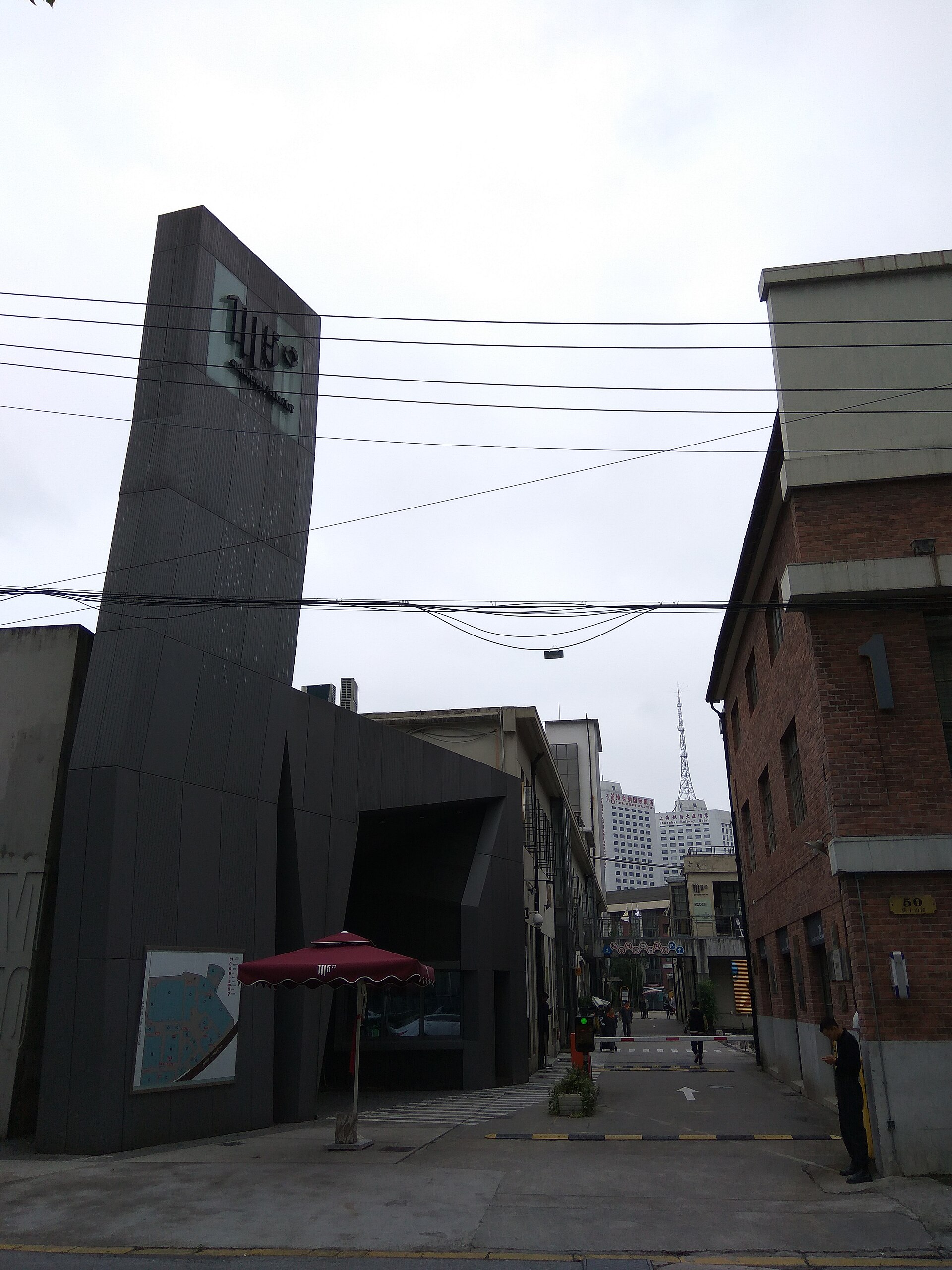
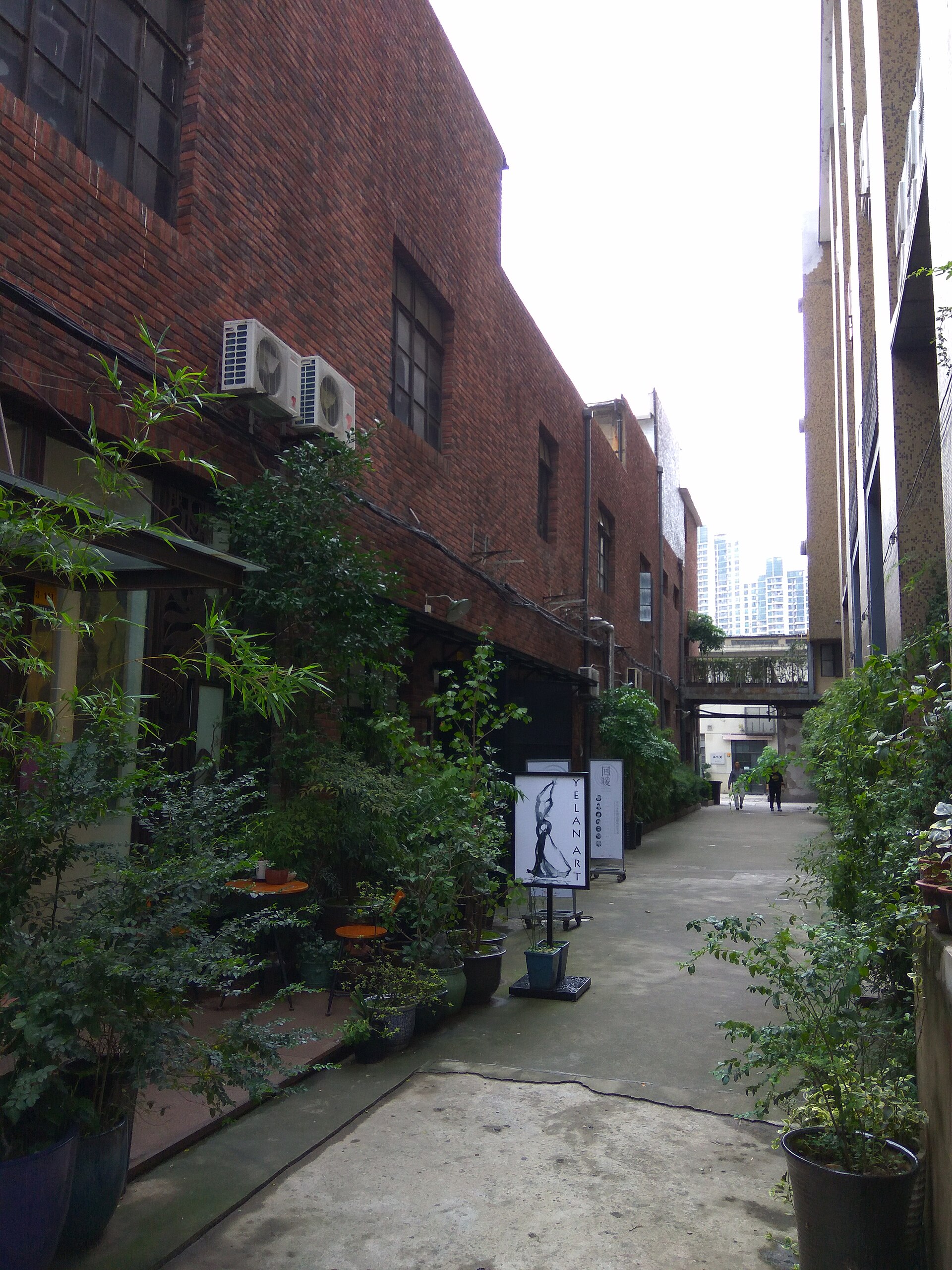
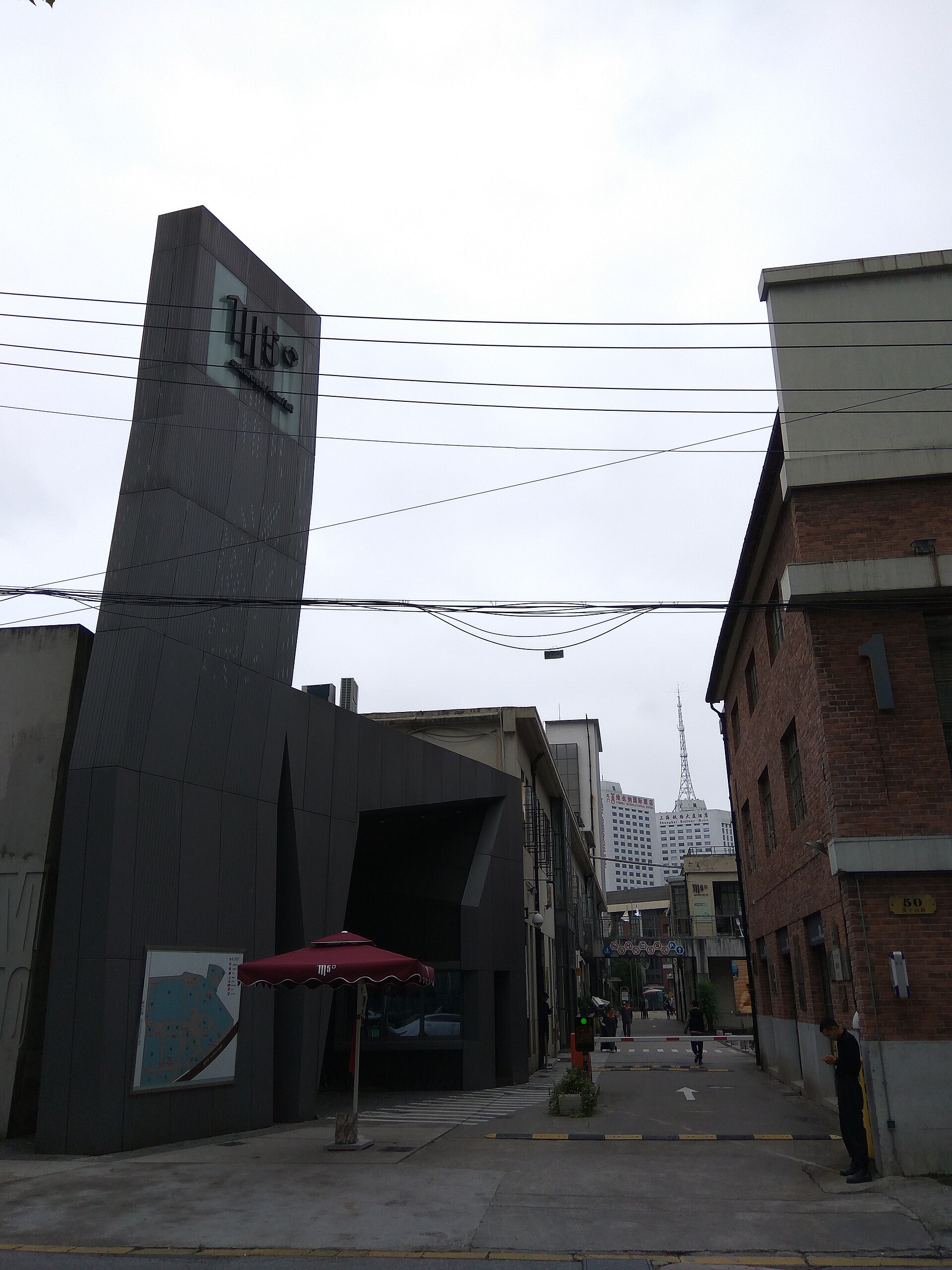
M50 at 50 Moganshan Road began as an accidental arts cluster. The complex of 1930s textile-mill warehouses along a Suzhou Creek tributary was scheduled for demolition in the late 1990s; artists moved in during the redevelopment limbo, and by 2004 the municipality had designated it a protected creative industry zone. The canal-side brick buildings — a mix of British and Chinese industrial architecture from the Republican era — were saved largely because they'd already been colonised by galleries.
The cluster now contains around 100 galleries and studios of varying scale. ShanghART, one of China's oldest contemporary art galleries, has its main space here. BANK, M97, Eastlink, and Leo Gallery are among the more established names. The mix skews toward Chinese contemporary painters and installation artists, with occasional international solo shows. Unlike 798 in Beijing, M50 has not been substantially gentrified into retail and tourism; the vibe remains closer to working studio complex than tourist attraction, though weekend afternoons do bring browsers. The back lanes along the creek, away from the Moganshan Road frontage, are quieter and more atmospheric.
There is no entrance fee and no organised tour. Walk in, wander through the alleys, push open doors that look open, and check listing boards for current exhibitions. Most galleries open around 10am and close by 6pm; some shut on Mondays. Allow two to three hours for a comfortable circuit. The Jiangning Road metro station is a 10-minute walk east.
How to get there
Metro Line 13 to Jiangning Road, walk 10 min.
When to visit
Weekend afternoons for openings; weekdays for quiet.
History and context
The site was converted from the No. 12 textile-and-cotton mill on Moganshan Road — a Republican-era industrial complex along a Suzhou Creek tributary. Artists began renting cheap studio space in the vacant sheds from around 2000 during the redevelopment freeze. The cluster was formally branded M50 in 2002 and folded into Putuo district's cultural preservation zone shortly afterwards — a designation that shielded the brick warehouses from planned demolition.
What the visit is like
Allow 2–3 hours for a full circuit of the alleys and a handful of gallery interiors. Entry to the site and to most galleries is free. Individual spaces set their own hours — roughly 10:30am to 6pm — and most close on Mondays while opening Tuesday to Sunday. There is no ticket office and no organised route. Wander in from the Moganshan Road gate and push open doors that look open.
Photography
The graffitied outer wall along Moganshan Road is the most-photographed exterior — late afternoon gives the softest light on the tags. Interior photography is permitted in most galleries but not all; look for posted signs or ask at the desk. Drones are not allowed on the site. Tripods are not permitted in the narrow alleys between buildings — handheld only.
Overlooked details
Original 1930s red brick and exposed iron mill trusses are still visible in most gallery interiors — worth looking up when you step inside. The printmaking studio on the first floor of Building 4 often has presses running and welcomes quiet visitors. An artist-run bookshop near the central lane stocks independent zines and small-edition photobooks that are difficult to find elsewhere in Shanghai.
Where to eat nearby
The coffee shops inside M50 are pleasant but overpriced for what they serve. Small noodle stalls immediately outside the main gate on Moganshan Road are cheaper and quicker. For a sit-down meal — Wei Xiang Zhai on Yuyuan Road in the Jing'an area serves classic Shanghai sesame noodles and is roughly 10 minutes by taxi. The wider Jing'an neighbourhood has a broad range of restaurants across price points.
Common misconceptions
M50 is not a single institution or museum — it is a cluster of roughly 120 individual galleries and studios operating independently. Rising commercial rents have pushed out most of the founding cooperative artists over the past two decades. Turnover is high — many galleries close permanently each year and are replaced by new tenants — so always cross-reference the specific gallery you want to visit before travelling out.
Gallery
Other attractions in Shanghai
Itineraries featuring this site
- Shanghai weekend — 3 days in the city
3d · Three full days in Shanghai covering the Bund, French Concession, Yu Garden, Tianzifang and Pudong — the city's distinct neighbourhoods at a pace that leaves time for coffee and wandering.
- Beijing + Shanghai — 5-day first-timer classic
5d · Two of China's three great cities in five days: imperial Beijing followed by the modern skyline of Shanghai, linked by a quick domestic flight or overnight train.
- Vegetarian and vegan China in 7 days
7d · Hangzhou (Buddhist vegetarian temples) to Putuoshan (sacred Buddhist island) to Suzhou to Shanghai. A seven-day itinerary following the tradition of Chinese Buddhist vegetarian cuisine, with reliable meat-free and vegan options at each stop.
- China shopping circuit: Yiwu, Guangzhou, and Shanghai in 10 days
10d · Yiwu wholesale market, Guangzhou factory-to-buyer districts, and Shanghai for retail and design sourcing.
Other modern landmarks in China
- 798 Art District798艺术区
Converted East German-built electronics factory in northeast Beijing, now China's most established contemporary-art district.
- Canton Tower广州塔
604m broadcast tower with three observation decks, glass-floor sky-walk, and the 'Bubble Tram' Ferris wheel on top.
- Hong Kong Disneyland香港迪士尼乐园
Hong Kong Disneyland — the smaller of the two Chinese Disney parks but with classic-Disney charm. On Lantau.
- Macau Tower澳门旅游塔
338m sightseeing tower in central Macau. Bungee jump (the world's highest commercial), Skywalk, observation deck.
- Ngong Ping 360昂坪360
Cable car from Tung Chung to the Big Buddha plateau. 5.7 km, 25-minute ride; crystal-floor option.
- Qingdao Olympic Sailing Centre青岛奥林匹克帆船中心
Waterfront venue built for the 2008 Beijing Olympics sailing events, now a public marina and leisure park on Qingdao's eastern coastline.
- Shanghai Disneyland上海迪士尼乐园
The largest Disney castle of any park, plus the only Pirates of the Caribbean ride built around projection-mapping. Metro-accessible from central Shanghai.
- Shanghai Disneyland Toy Story Hotel and Disneytown上海迪士尼乐园周边
Shopping, dining and themed-hotel area surrounding Shanghai Disneyland — accessible without a park ticket.
Frequently asked questions
- How much does M50 Art District cost to visit?
- Entry to M50 Art District is free.
- When is M50 Art District open?
- M50 Art District opening hours: Generally 10am–6pm; gallery-specific.
- How long do you need at M50 Art District?
- Allow 2–4 hours for M50 Art District. Add buffer time if you plan to visit at peak season or include nearby sights in the same trip.
- When is the best time to visit M50 Art District?
- Weekend afternoons for openings; weekdays for quiet.
- How do you get to M50 Art District?
- Metro Line 13 to Jiangning Road, walk 10 min.
Spotted something out of date? Submit a correction.
Research
Cross-checked against primary sources
Verified
Address, hours, fees confirmed at the date shown
Updated
Re-verified periodically; corrections welcome