Museum · HUNAN
Mawangdui Han Tombs Museum (Hunan Provincial Museum)
马王堆汉墓博物馆 · Mǎwángduī Hàn Mù Bówùguǎn
About
Home to the most remarkable Han Dynasty archaeological finds ever made, including the 2,100-year-old preserved body of Lady Xin Zhui and thousands of silk manuscripts, lacquerware, and organic burial goods from the Mawangdui tombs.
The Mawangdui tombs, excavated in Changsha between 1972 and 1974, yielded discoveries that transformed scholarly understanding of Western Han Dynasty life, thought, and material culture. Three tombs dating to approximately 160–168 BCE contained the burials of Li Cang (Chancellor of the Changsha Kingdom), Lady Xin Zhui (his wife), and a young man believed to be their son.
Lady Xin Zhui's burial, Tomb 1, was the most extraordinary find. Her body was preserved in remarkable condition — skin still supple, limbs mobile, internal organs intact — by a combination of airtight sealing, lacquer coatings, charcoal packing, and white clay. At the time of discovery she had been buried for over 2,100 years. The body, displayed in a sealed case in the museum, remains one of the best-preserved ancient human remains anywhere in the world.
Surrounding her coffin were over 1,000 grave goods, many organic and perfectly preserved: lacquered dining vessels still containing food residue, silk garments in multiple colours and patterns, wooden figurines of servants, musical instruments, and foodstuffs. The T-shaped painted silk burial banner above her innermost coffin — depicting her ascent to heaven through registers of cosmos — is considered one of the masterworks of Han Dynasty painting.
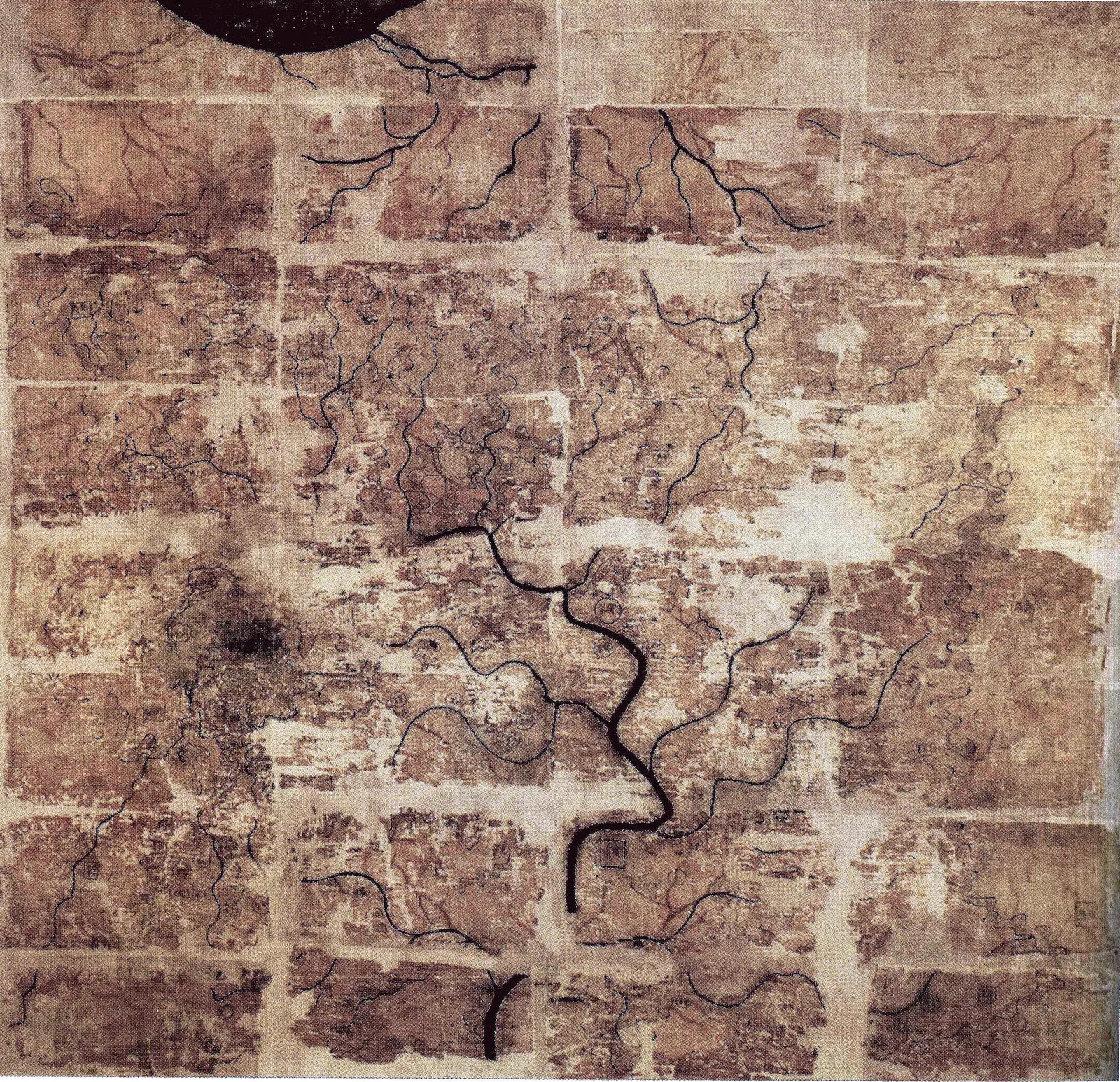
Tomb 3 yielded the Mawangdui silk manuscripts: 120,000 characters of text on silk, including the oldest known versions of texts such as the Tao Te Ching (Laozi), military strategy manuals, medical texts including China's oldest known anatomical illustrations, and astronomical charts. The manuscripts are studied by scholars worldwide and have reshuffled understanding of the textual history of several major Chinese classical works.
The Hunan Provincial Museum was substantially rebuilt and expanded in 2017 specifically to properly house these collections. The new galleries are world-class in presentation.
How to get there
Metro Line 4 or Line 6 to Shengjiahu station, then walk 10 minutes. Alternatively taxi from Changsha Railway Station (approximately 20 minutes).
When to visit
Weekday mornings for smallest crowds. Year-round as indoor museum. Book timed tickets at least 2 days in advance.
Crowds: The Lady Xin Zhui display gallery can queue significantly on weekends. The silk manuscript gallery is often less congested and equally fascinating.
Other attractions in Changsha
Other museums in China
- Capital Museum首都博物馆
Beijing's history museum — bronze, ceramics, paintings, and a strong narrative of the city's evolution from Yan kingdom through the present.
- China National Tea Museum中国茶叶博物馆
Comprehensive museum of Chinese tea history, varieties, and culture. Free entry; in the Longjing tea-growing hills.
- Han Yangling Mausoleum Museum汉阳陵博物馆
A world-class Han Dynasty imperial mausoleum museum near Xi'an presenting thousands of miniature terracotta tomb figures, including nude figurines originally dressed in silk, excavated from pits surrounding the burial mound of Emperor Jing (reigned 157–141 BCE).
- Hong Kong Museum of Art香港艺术馆
Hong Kong's premier art museum on the Tsim Sha Tsui waterfront. Strong Chinese painting and contemporary HK art collections.
- Hong Kong Museum of History香港历史博物馆
Comprehensive museum of Hong Kong's history from prehistoric to the 1997 handover. Free entry.
- Hubei Provincial Museum湖北省博物馆
Major provincial museum east of central Wuhan. Famous for the Bianzhong bell-set of the Marquis Yi of Zeng.
- Imperial Kiln Museum御窑博物馆
A museum of imperial Chinese porcelain built directly over the excavated site of the Ming and Qing imperial kilns, designed by architect Zhu Pei with brick-vaulted galleries that echo the form of the kilns themselves.
- Jinsha Site Museum金沙遗址博物馆
Bronze Age site museum on a 3,000-year-old ritual centre discovered in Chengdu in 2001. The Sun Bird gold disc is the symbol of Chengdu.
Frequently asked questions
- How much does Mawangdui Han Tombs Museum (Hunan Provincial Museum) cost to visit?
- Entry to Mawangdui Han Tombs Museum (Hunan Provincial Museum) is free. Free entry. Timed tickets must be reserved online or at the museum entrance. Demand high on weekends.
- When is Mawangdui Han Tombs Museum (Hunan Provincial Museum) open?
- Mawangdui Han Tombs Museum (Hunan Provincial Museum) opening hours: 9am–5pm, closed Mondays. Free entry (timed entry tickets required in advance).
- How long do you need at Mawangdui Han Tombs Museum (Hunan Provincial Museum)?
- Allow 3–4 hours for Mawangdui Han Tombs Museum (Hunan Provincial Museum). Add buffer time if you plan to visit at peak season or include nearby sights in the same trip.
- When is the best time to visit Mawangdui Han Tombs Museum (Hunan Provincial Museum)?
- Weekday mornings for smallest crowds. Year-round as indoor museum. Book timed tickets at least 2 days in advance.
- How do you get to Mawangdui Han Tombs Museum (Hunan Provincial Museum)?
- Metro Line 4 or Line 6 to Shengjiahu station, then walk 10 minutes. Alternatively taxi from Changsha Railway Station (approximately 20 minutes).
- How do you avoid the crowds at Mawangdui Han Tombs Museum (Hunan Provincial Museum)?
- The Lady Xin Zhui display gallery can queue significantly on weekends. The silk manuscript gallery is often less congested and equally fascinating.
Spotted something out of date? Submit a correction.
Research
Cross-checked against primary sources
Verified
Address, hours, fees confirmed at the date shown
Updated
Re-verified periodically; corrections welcome