Directory
Cities of China
Profiles of 53 cities across mainland China, Hong Kong and Macau. Each entry is a practical brief — population, climate, what to see and eat, transport, where to stay, when to go and a budget guide.
148 of 148 cities
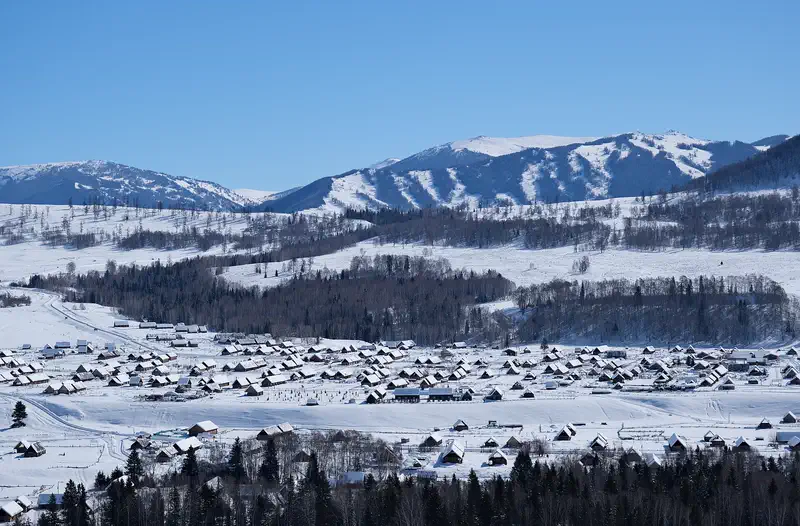
Altay 阿勒泰
Remote city in far northern Xinjiang at the base of the Altai Mountains, bordering Russia, Kazakhstan and Mongolia. Kanas Lake, Hemu village and skiing at Keketuohai are the main draws; this is China's coldest winter destination.
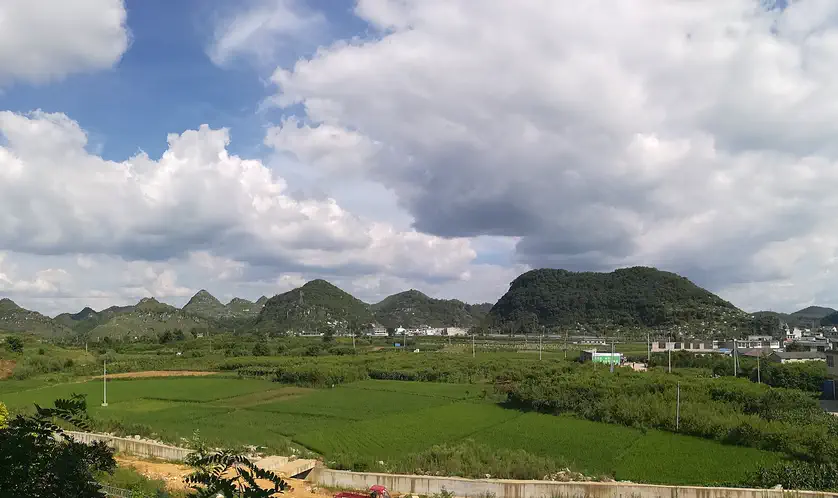
Anshun 安顺
A Guizhou plateau city and gateway to Huangguoshu Falls — China's largest waterfall — and to the Tunpu villages where descendants of Ming-dynasty Han settlers maintain a 600-year-old cultural enclave.
China Visit Guide
Anyang
Anyang 安阳
UNESCO-listed Yin Xu — the late Shang dynasty capital and the earliest Chinese writing site (oracle bones). One of the cradles of Chinese civilisation; an under-touristed essential for serious history travellers.
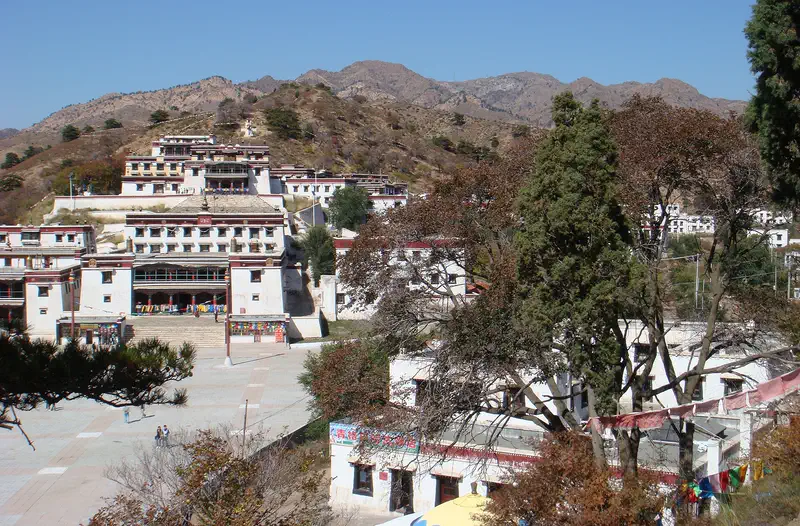
Baotou 包头
Inner Mongolia's largest city and China's rare earth capital, sitting on the Yellow River bend below the Yin Mountains. Home to Wudang Lamasery, one of China's five great Tibetan Buddhist monasteries, and a working-class industrial character that tourist itineraries rarely encounter.
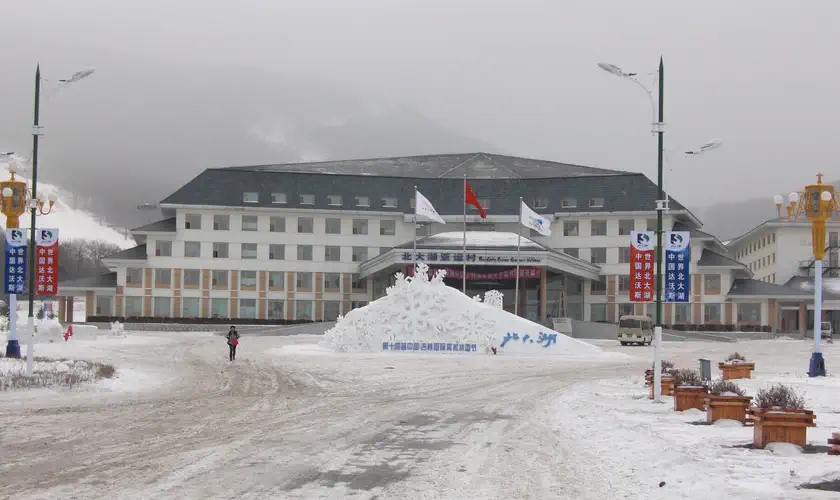
Beidahu 北大壶
Compact resort village 56 km from Jilin City, operating one of northeast China's most technically challenging ski areas on 43 runs with 900 m of vertical drop; renowned for the rime-ice (wusong) phenomenon that coats the trees in winter.
China Visit Guide
Beidaihe
Beidaihe 北戴河
Seaside resort town on the Bohai coast of Hebei, the traditional summer retreat for Beijing officials since the 1890s. Sandy beaches, birdwatching at the Nandaihe wetlands, and a position between the sea and Shanhaiguan's Ming Great Wall section.
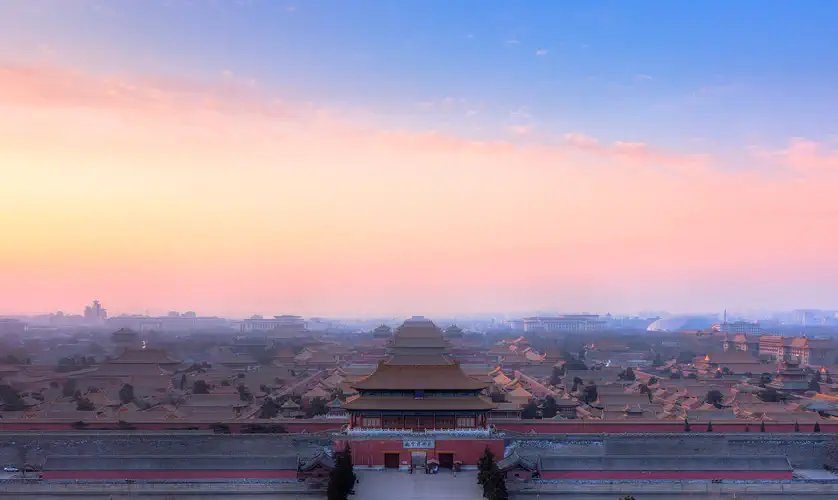
Beijing 北京
China's capital and political centre — imperial palaces, the Great Wall on its doorstep, hutong neighbourhoods, world-class museums, and the most thoroughly walkable historic core in the country.
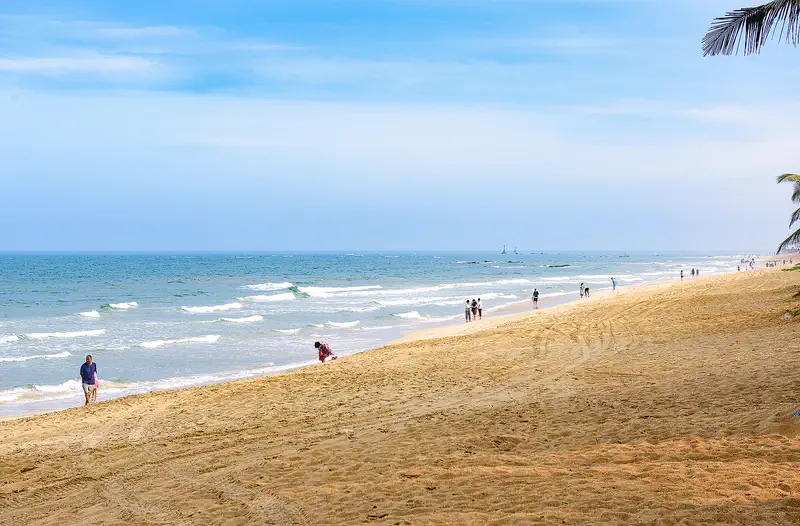
Boao 博鳌
Small coastal town on Hainan's east coast, internationally recognised as the home of the Boao Forum for Asia. A river estuary, offshore islands, good cycling roads and resort hotels make it a quieter alternative to Sanya.
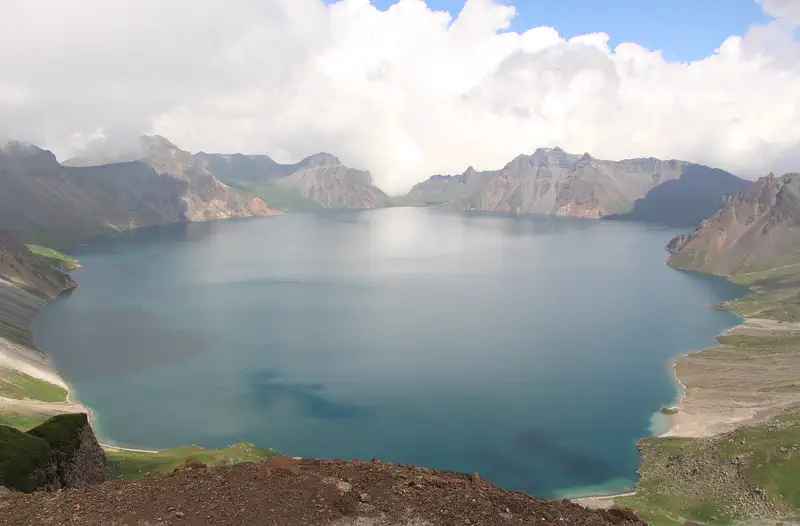
Changbaishan 长白山
Gateway town to the Changbai Mountain Nature Reserve on the Chinese-Korean border, centred on Tianchi — the caldera lake at the summit of the dormant volcano — with significant ski infrastructure, hot springs, and the cultural landscape of the Yanbian Korean Autonomous Prefecture.
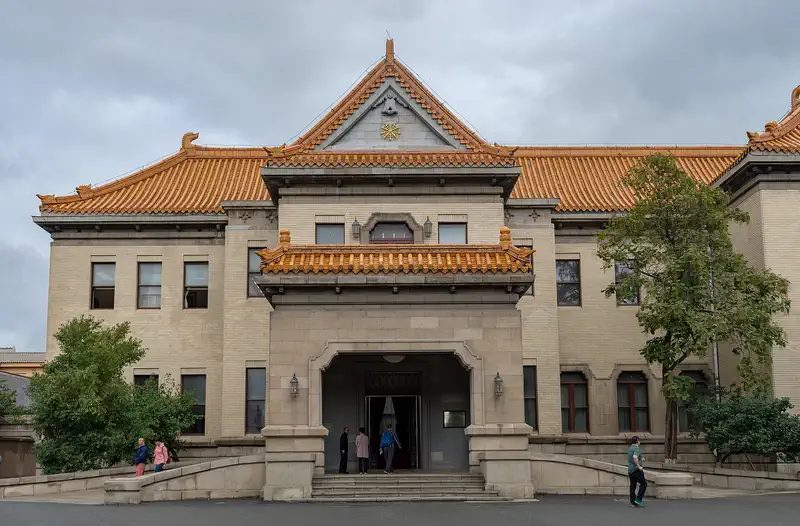
Changchun 长春
Capital of Jilin and former capital of the Japanese puppet state of Manchukuo (1932–45). Manchurian palace, automobile industry, Lake Songhua winter sports nearby.
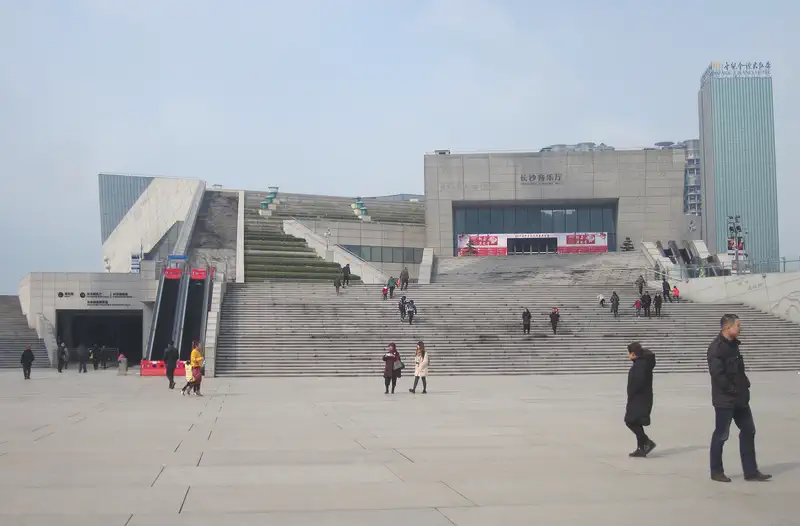
Changsha 长沙
Capital of Hunan and the home of Hunan cuisine. Hot, humid, gastronomically aggressive, with the Mawangdui tombs and a vibrant night-market food scene.
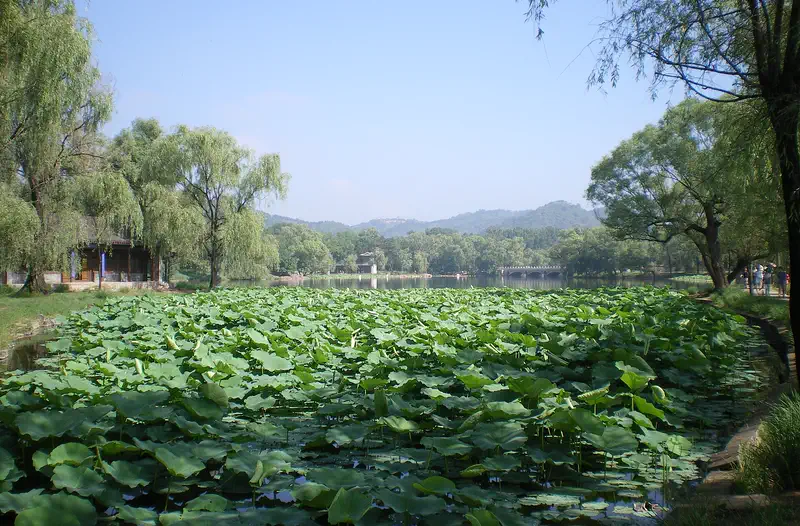
Chengde 承德
Qing imperial summer mountain resort 230 km northeast of Beijing. UNESCO-listed Mountain Resort and Eight Outer Temples — the Qing emperors' summer retreat from 1703 to 1820.
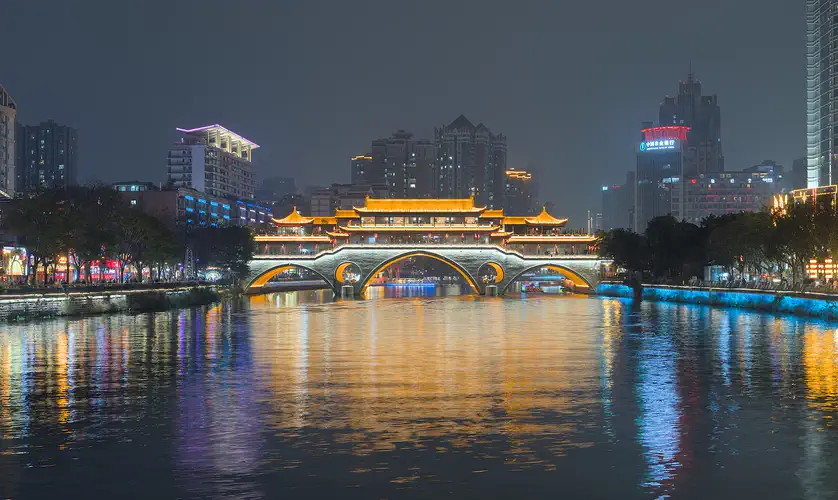
Chengdu 成都
Capital of Sichuan, the heart of Sichuan cooking and the panda capital of China. A relaxed teahouse-and-mahjong city with imperial sights, the Wuhou Shrine and the Giant Panda Breeding Base.
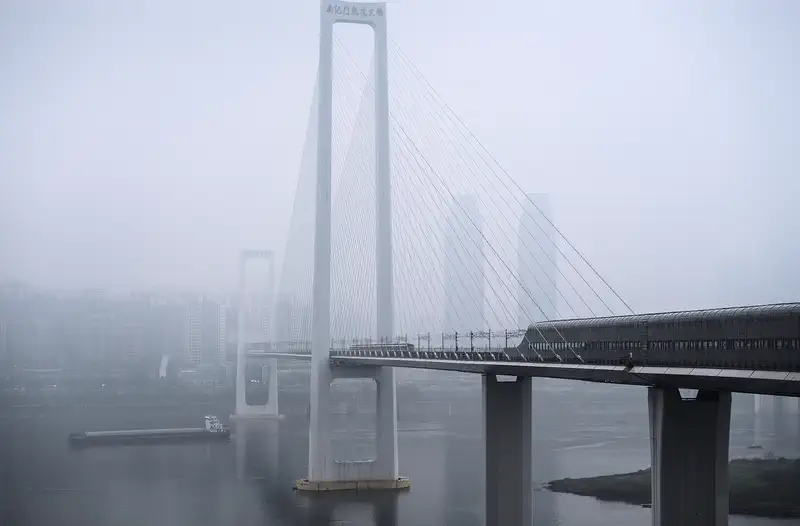
Chongqing 重庆
China's largest direct-administered municipality, built on the Yangtze in a rumpled landscape of hills and gorges. Home of the spiciest hot pot in the country, the start point for Three Gorges cruises, and a city that has gone viral for buildings whose first floor isn't always at the bottom.
China Visit Guide
Chongzuo
Chongzuo 崇左
A border prefecture in southwestern Guangxi, containing the Zuojiang Huashan Rock Art — the world's largest group of Zhuang cliff paintings, inscribed as a UNESCO World Heritage Site.
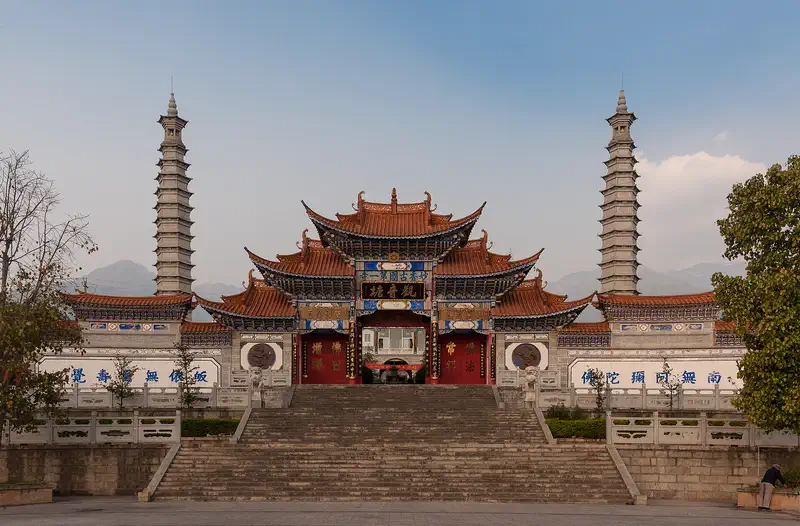
Dali 大理
Walled Bai-minority old town between Erhai Lake and the Cangshan Mountains in northwest Yunnan. Three Pagodas, lakeside cycling, a relaxed travellers' base.
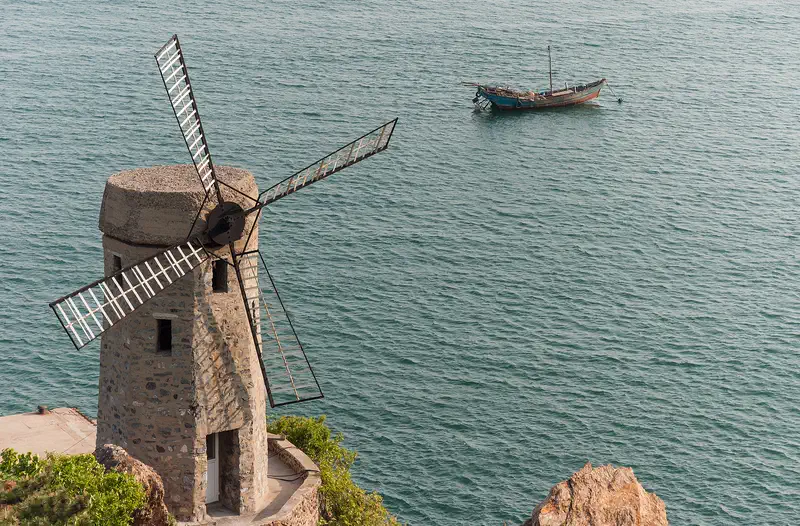
Dalian 大连
Northeast China's port and resort city, on a hilly Liaodong peninsula coast. Russian and Japanese colonial-era architecture, beaches, seafood, and the cleanest air in the northeast.
China Visit Guide
Danba
Danba 丹巴
A Tibetan Gyarong county in western Sichuan's Garzê Prefecture, famous for its ancient stone watchtowers, tiered village settlements on valley walls, and apple orchards in bloom.
China Visit Guide
Daocheng
Daocheng 稻城
A remote county town in southern Garzê Prefecture, Sichuan, serving as the gateway to Yading Nature Reserve — a high-altitude alpine sanctuary with three snow peaks sacred to Tibetan Buddhism.
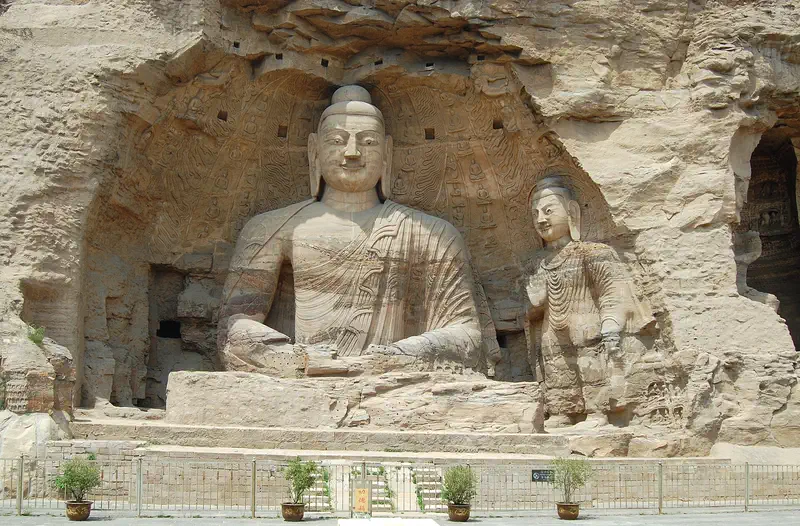
Datong 大同
Northern Shanxi gateway to the Yungang Grottoes (UNESCO) — the 5th-century Buddhist cliff carvings — and the cliff-side Hanging Temple at Mt Heng.
China Visit Guide
Dengfeng
Dengfeng 登封
County-level city at the foot of Songshan, home to the Shaolin Temple and the UNESCO-listed Historic Monuments of Dengfeng — the most concentrated gathering of ancient Chinese ceremonial and educational architecture on a single mountain.
China Visit Guide
Dongguan
Dongguan 东莞
Manufacturing megacity in the Pearl River Delta corridor between Guangzhou and Shenzhen, with a population of 7.5 million (most migrant workers). Home to Keyuan Garden, a preserved Lingnan classical garden, and the Yumin Garden. Provides an honest window into Pearl River Delta industrial urbanism.
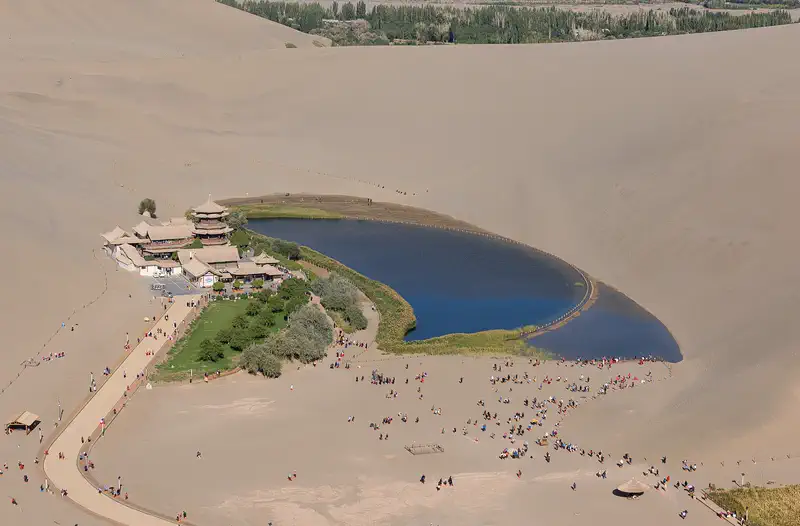
Dunhuang 敦煌
Silk Road oasis town in western Gansu. The Mogao Grottoes (UNESCO) are 492 Buddhist cave temples carved into a cliff between the 4th and 14th centuries — the greatest surviving Silk Road art repository in the world.
China Visit Guide
Emei Mountain
Emei Mountain 峨眉山
One of China's Four Sacred Buddhist Mountains, a UNESCO World Heritage site in Sichuan with dense cloud forest, monasteries and the famous sea of clouds from its 3,099-metre summit.
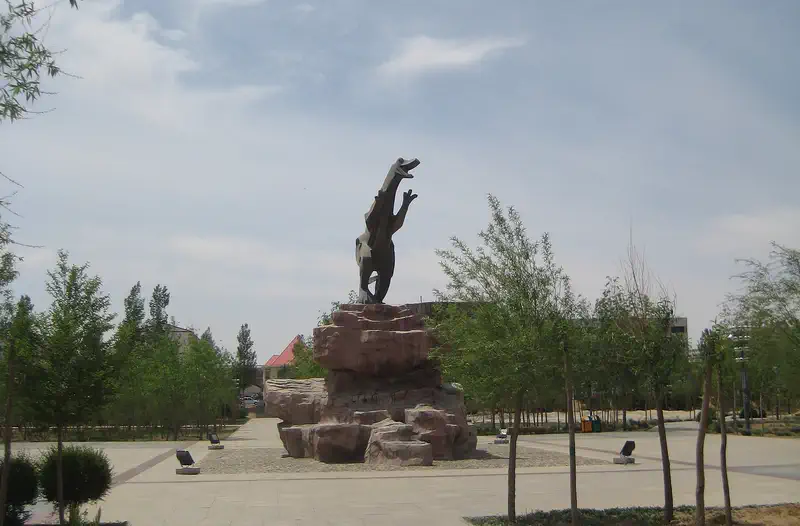
Erenhot 二连浩特
China's primary land border crossing with Mongolia, on the southern edge of the Gobi Desert. Internationally known for its Cretaceous dinosaur fossil sites, Erenhot is a small frontier city that doubles as a gateway to Ulaanbaatar and a palaeontology landmark.
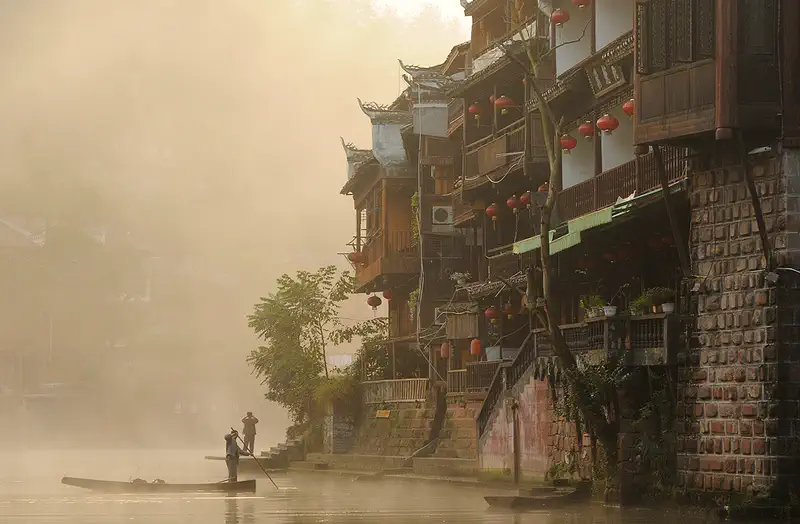
Fenghuang (Phoenix Town) 凤凰
Restored Ming-Qing river town in western Hunan. Wooden stilt-houses (diaojiaolou) along the Tuojiang River, Tujia and Miao minority culture, dramatically lit at night.

Foshan 佛山
Pearl River Delta city famous for ceramics, Cantonese opera, and martial-arts heritage. Bruce Lee's family hometown; the modern Cantonese-opera tradition's institutional base.
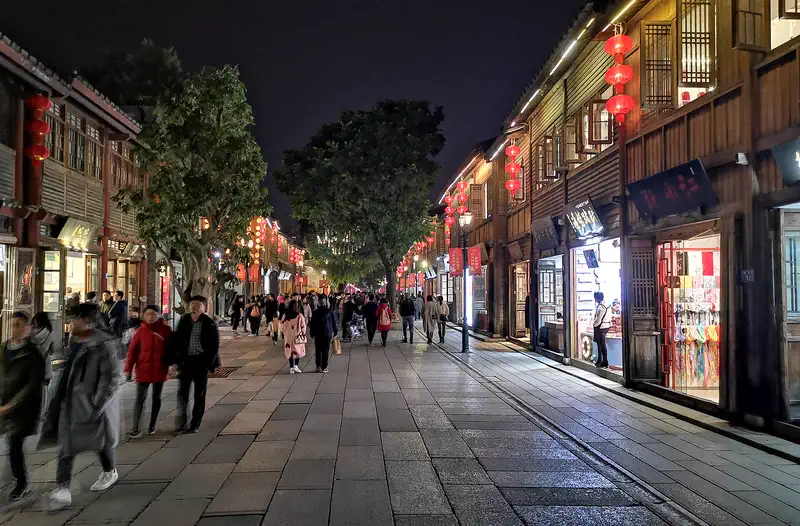
Fuzhou 福州
Capital of Fujian, on the southeast coast. Three Lanes and Seven Alleys historic district, the Fujian tea heritage, and the gateway to Wuyi Mountain.
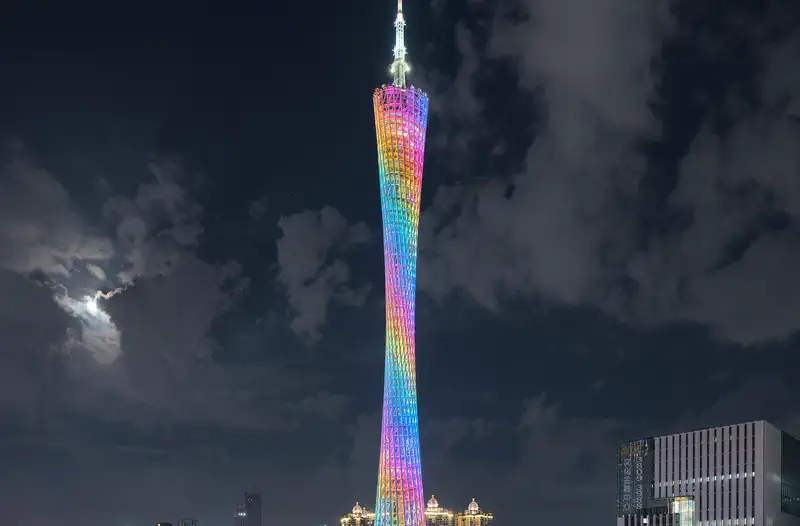
Guangzhou 广州
Capital of Guangdong, the historic southern trading port and the home of Cantonese cooking. The first Chinese city to industrialise, the centre of dim sum, and a working megacity less polished than Shanghai but with deeper food roots.
Guilin 桂林
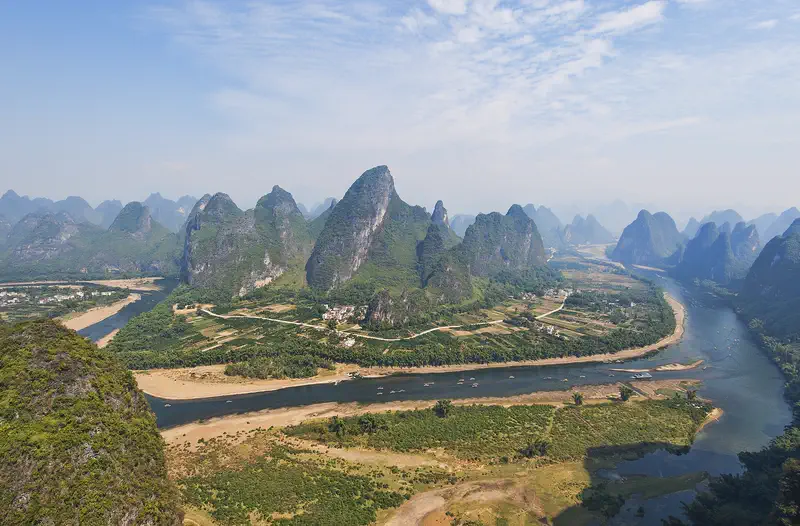
The northern gateway to the Li River karst landscape — the most-photographed countryside in China, immortalised on the back of the ¥20 note. Reed Flute Cave, Elephant Trunk Hill, and the Yangshuo cruise.
Guiyang 贵阳
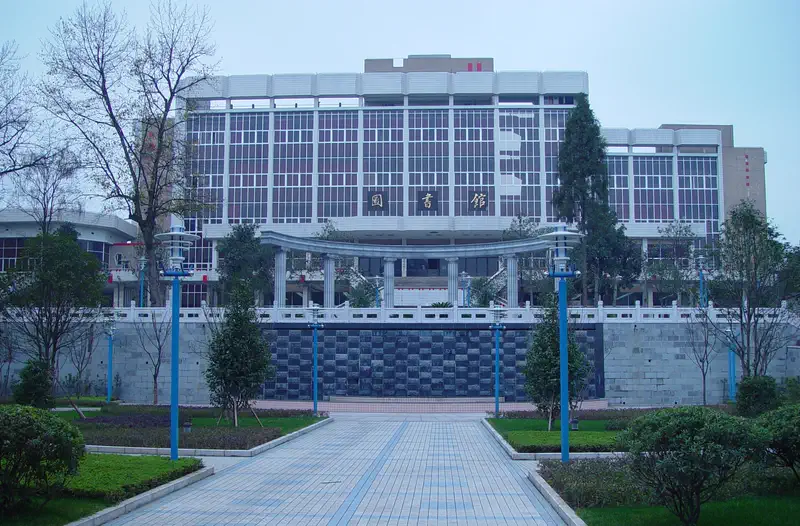
Capital of Guizhou, gateway to the Miao and Dong ethnic-minority villages and to the Huangguoshu Waterfall — China's largest. Cool mountain climate, sour and spicy local cooking.
Gyantse 江孜
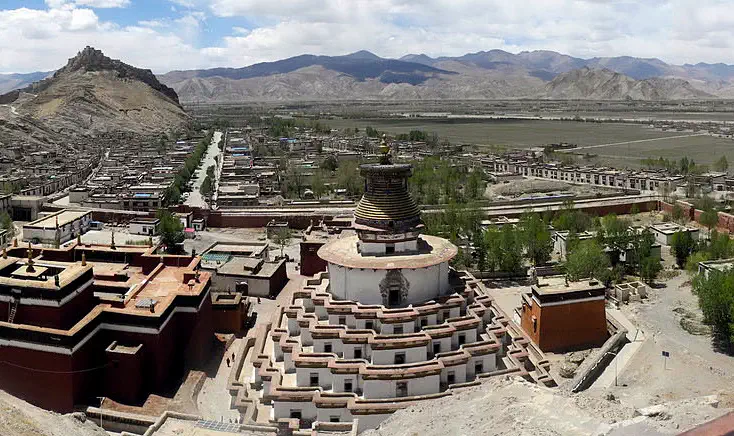
Historic Tibetan town at 4,040m on the Lhasa-Shigatse road. Pelkor Chode Monastery and the 9-tiered Kumbum Stupa are the Tibet route's photographic centrepiece.
Haikou 海口
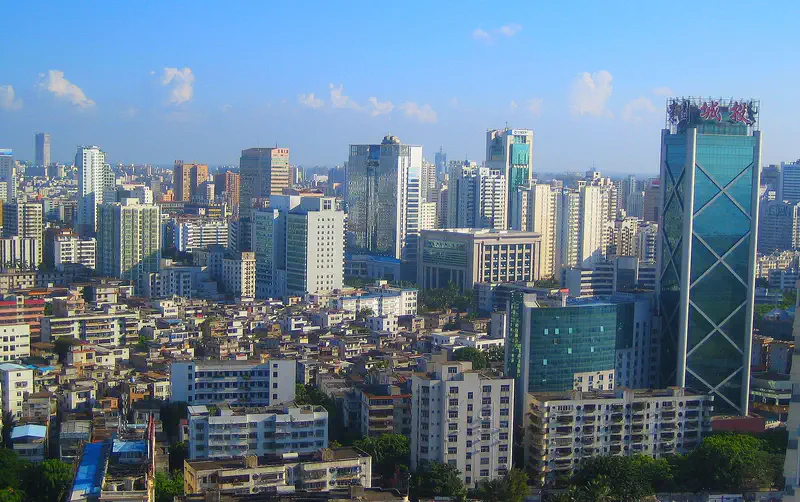
Capital of Hainan, the tropical island province. Calm coastal city with a colonial-era arcade district and a launchpad to the beach destinations of Sanya, Boao and Xinglong.
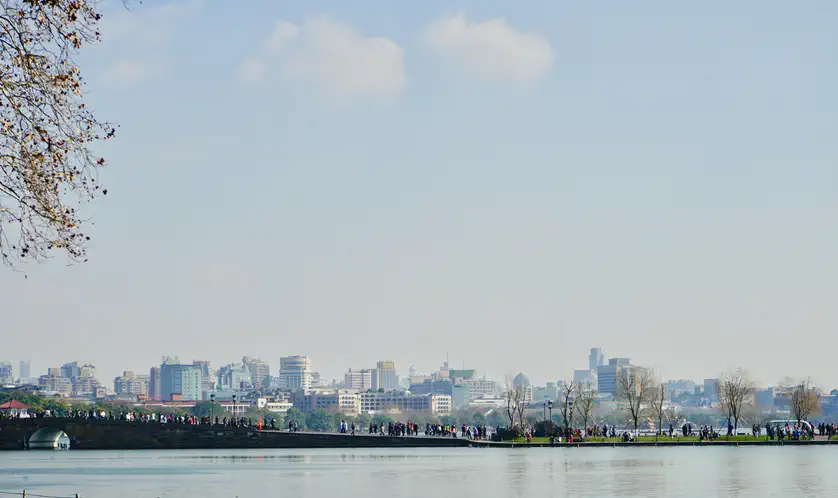
Hangzhou 杭州
West Lake city, ancient capital of the Southern Song dynasty and the home of Longjing tea. Marco Polo's 'Heaven on Earth' and now also the headquarters of Alibaba.
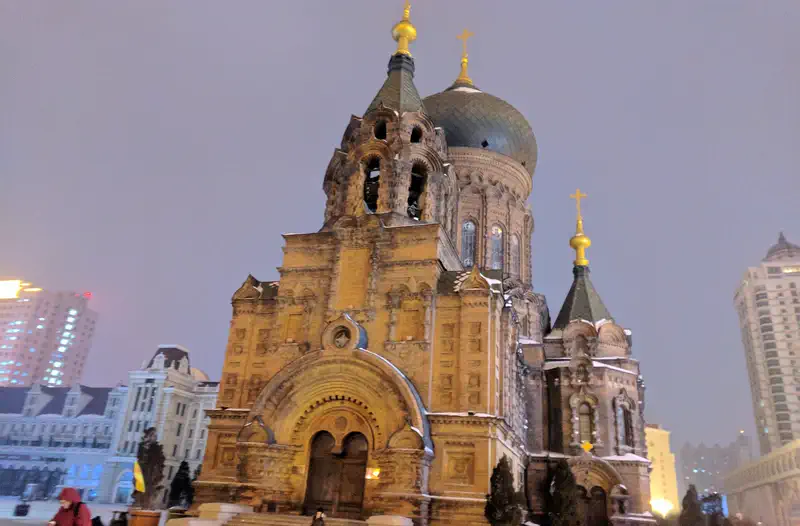
Harbin 哈尔滨
Russian-influenced city on the Songhua River. The Ice and Snow World festival (December–February) is China's most famous winter event; St Sophia Cathedral is the centrepiece of a surviving Russian district.
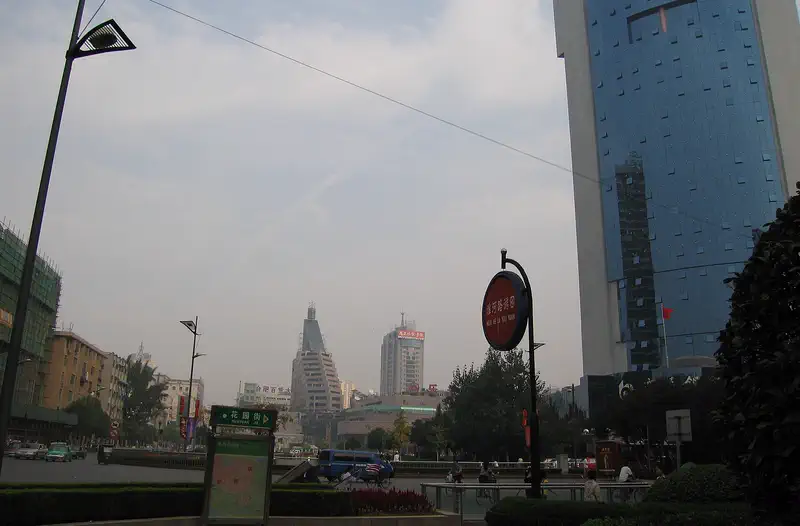
Hefei 合肥
Capital of Anhui, transport gateway to Mt Huangshan and the Hongcun-Xidi villages. Less of a destination, more of a transit hub.
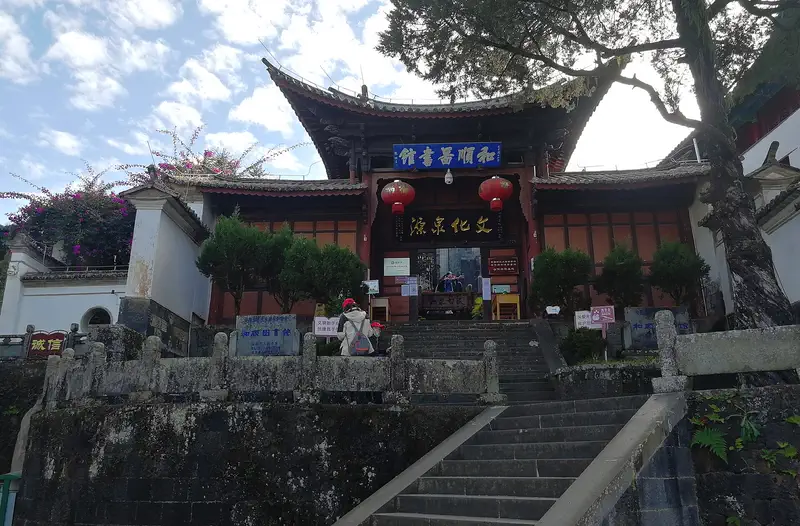
Heshun 和顺
Ancient village on the outskirts of Tengchong in western Yunnan, built by Han Chinese emigrants whose descendants became traders across Burma, Thailand and India. Ancestral halls, the first rural library in China, and well-preserved Ming-Qing domestic architecture.
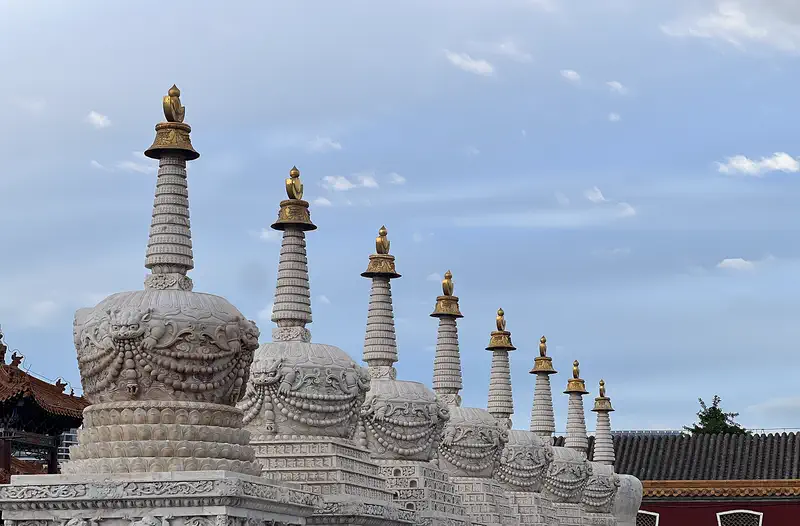
Hohhot 呼和浩特
Capital of Inner Mongolia. Mongolian and Han cultures intertwined; Tibetan Buddhist monasteries, the Inner Mongolia Museum, and the Xilamuren grasslands within driving distance.
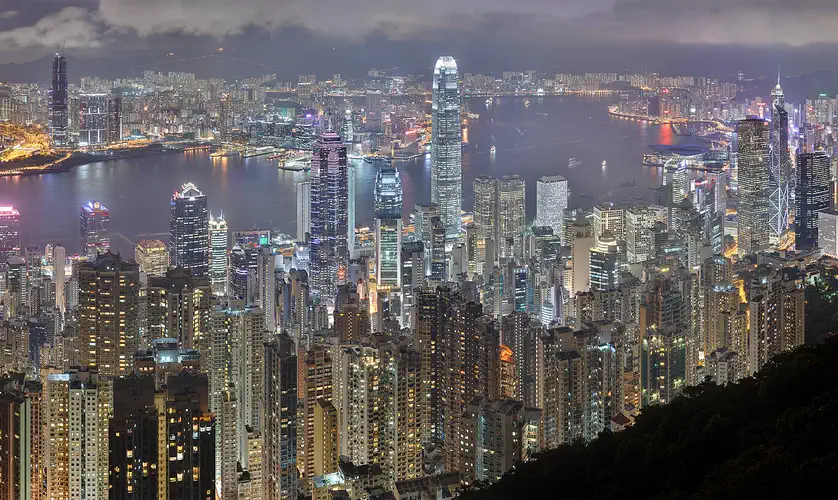
Hong Kong 香港
Special Administrative Region on the Pearl River Delta. Separate currency (HKD), separate visa rules, separate plug type (G), separate legal system. Skyline, hiking, dim sum and Peak Tram.
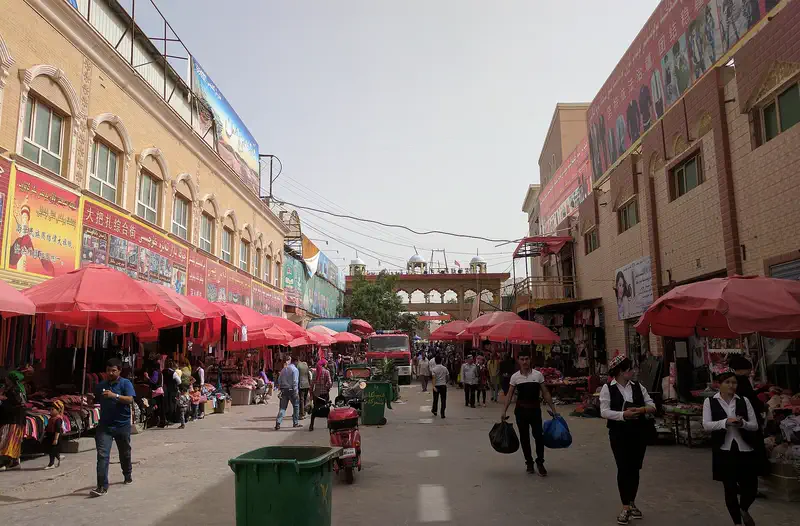
Hotan 和田
Southern Xinjiang oasis city at the edge of the Taklamakan Desert, historically famous for jade and silk. The Sunday bazaar, jade river panning, carpet workshops and the desert fringe give it a character distinct from the more-visited northern Xinjiang cities.
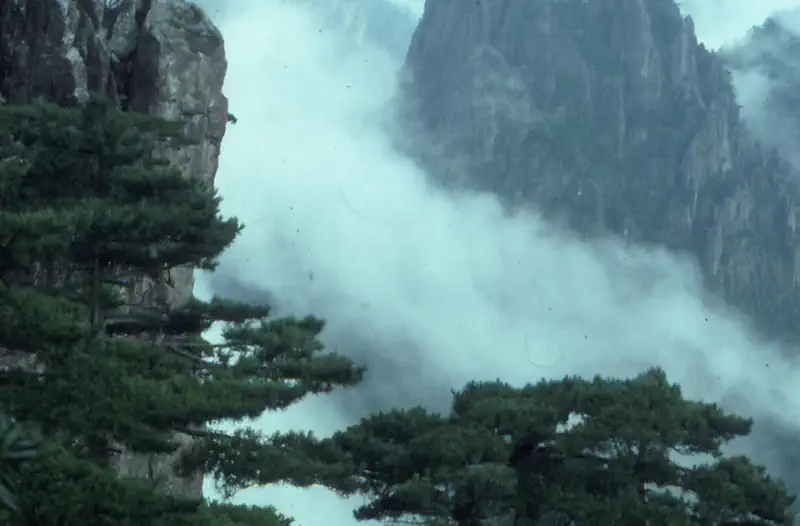
Huangshan / Yellow Mountain region 黄山
UNESCO-listed mountain in Anhui, the most-painted mountain in Chinese landscape art. Granite peaks, sea-of-clouds, ancient pines. Combine with Hongcun and Xidi villages.
Hulunbuir 呼伦贝尔
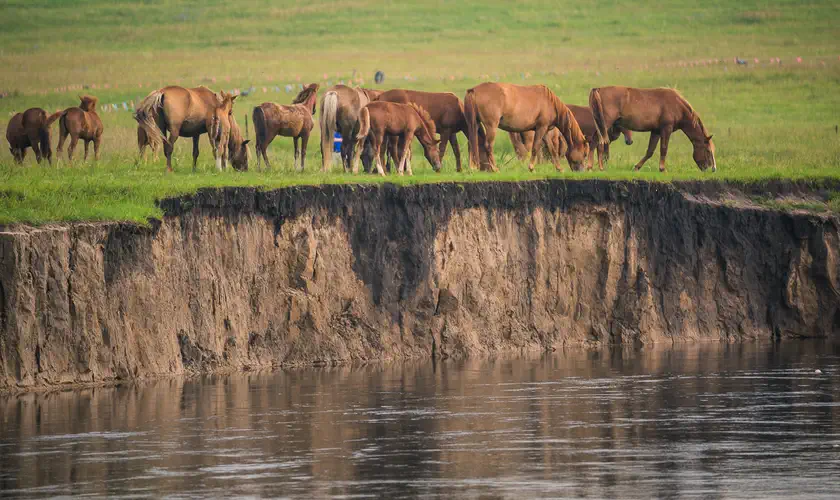
Prefecture-level city in northeastern Inner Mongolia encompassing the Hulunbuir Grasslands — one of the largest and least-degraded steppe grasslands remaining in the world. Summer yurt tourism, Evenki and Daur minority culture, and the taiga forests of the Greater Khingan Range.
China Visit Guide
Jianshui
Jianshui 建水
Late-Ming walled town in southern Yunnan. The Confucian Temple (the second-largest in China after Qufu), 700-year-old wells supplying the local tofu industry, and a meter-gauge railway built by the French in 1910.
China Visit Guide
Jiayuguan
Jiayuguan 嘉峪关
A desert city in the Hexi Corridor of Gansu, home to the western terminus of the Ming Great Wall and the Jiayuguan Fort — the First and Greatest Pass Under Heaven — gateway of the ancient Silk Road.
Jinan 济南
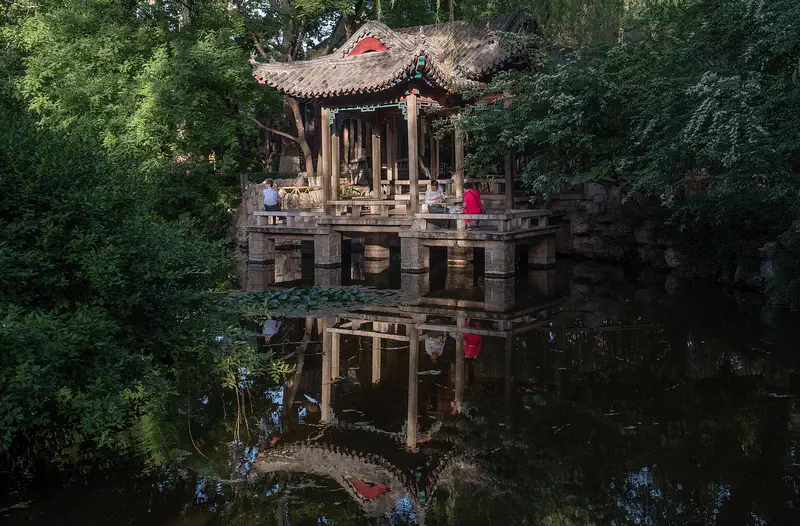
Capital of Shandong, 'City of Springs' — 72 named natural springs run through the old town, with Baotu Spring as the centrepiece.
Jingdezhen 景德镇
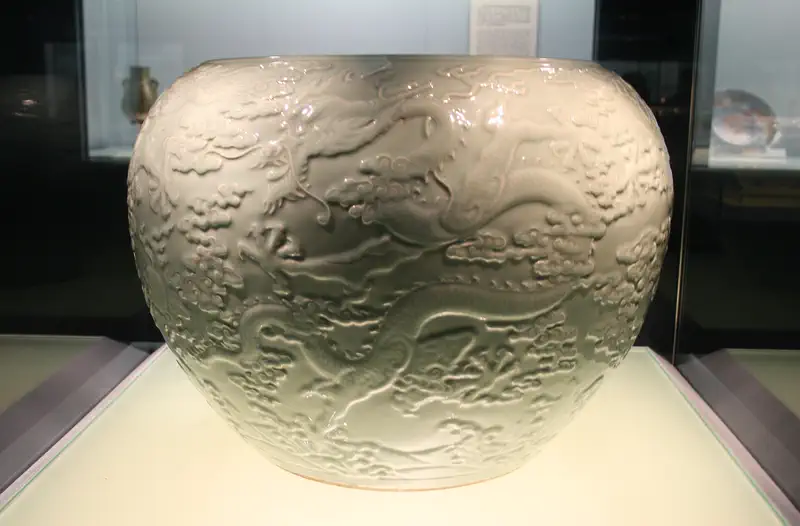
China's porcelain capital for a thousand years — blue and white porcelain, celadon, famille rose and contemporary ceramic art. The Ceramic Museum, the Imperial Kiln ruins and hundreds of working studios make Jingdezhen the only city in China organised almost entirely around a single craft.
Jiuhua Mountain 九华山
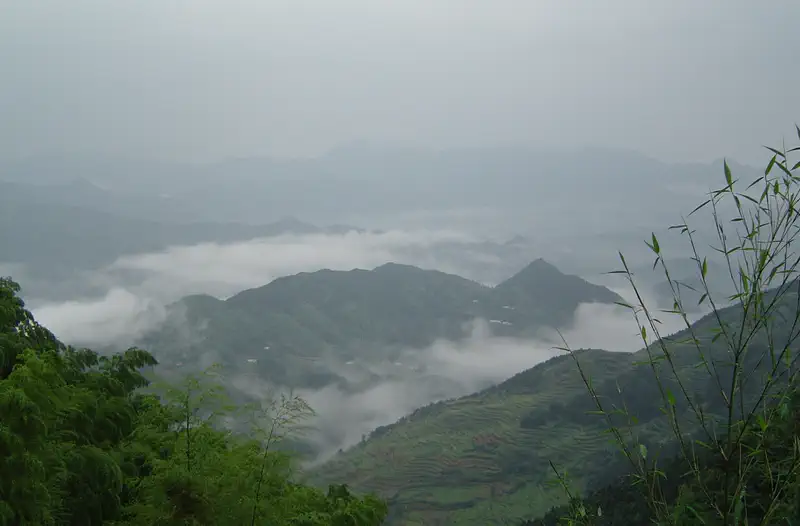
One of China's Four Sacred Buddhist Mountains in Anhui province, associated with the Bodhisattva Ksitigarbha and home to over 90 active monasteries and temples.
China Visit Guide
Jiujiang
Jiujiang 九江
Yangtze River port city in northern Jiangxi, long a gateway to Lushan mountain resort and a transit hub between the river and the interior; home to Gantang Lake and the well-preserved Donglin Temple complex on the Lushan approach.
China Visit Guide
Jiuzhaigou region
Jiuzhaigou region 九寨沟
UNESCO-listed alpine valley in northern Sichuan with multi-coloured travertine pools and waterfalls. Reopened progressively after the 2017 earthquake. Combine with Huanglong.
China Visit Guide
Kaifeng
Kaifeng 开封
Former Northern Song capital (960–1127), 70 km east of Zhengzhou. Reconstructed Song-dynasty themed old town, the Iron Pagoda, and the night market — one of the country's oldest.
China Visit Guide
Kaili
Kaili 凯里
The hub city of Guizhou's Miao minority heartland, gateway to hundreds of traditional Miao and Dong villages and one of the densest concentrations of ethnic minority textile, silver and music cultures in China.
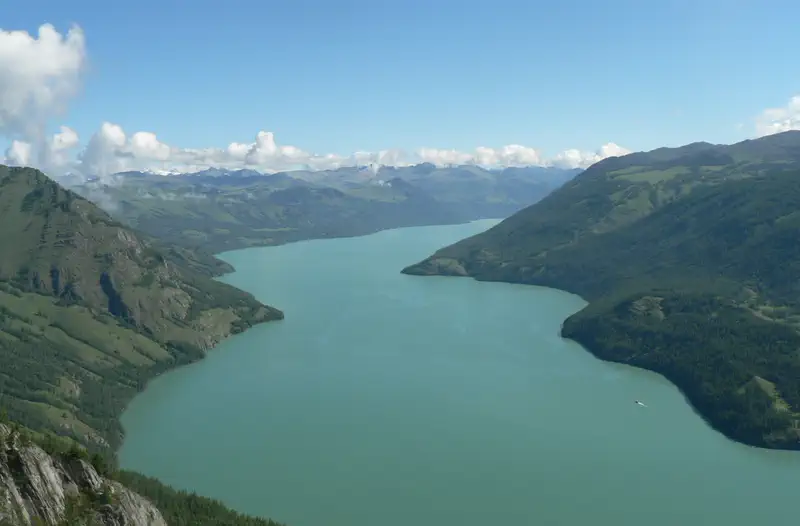
Kanas 喀纳斯
An alpine lake and valley system in the Altay Mountains of northern Xinjiang, home to Tuvan villages, Siberian flora and fauna, and one of China's most remote scenic areas.
China Visit Guide
Kangding
Kangding 康定
Gateway town on the Sichuan-Tibet Highway, set in a narrow valley at 2,560 m between Han China and the Tibetan plateau. Known for the folk song 'Kangding Love Song' and a mix of Tibetan, Han and Khampa cultures.
China Visit Guide
Kashgar
Kashgar 喀什
Western terminus of practical Chinese travel — closer to Tehran than to Beijing. The Old City, the Sunday Animal Bazaar, the Apak Hoja Tomb, and the Karakoram Highway south to Pakistan.
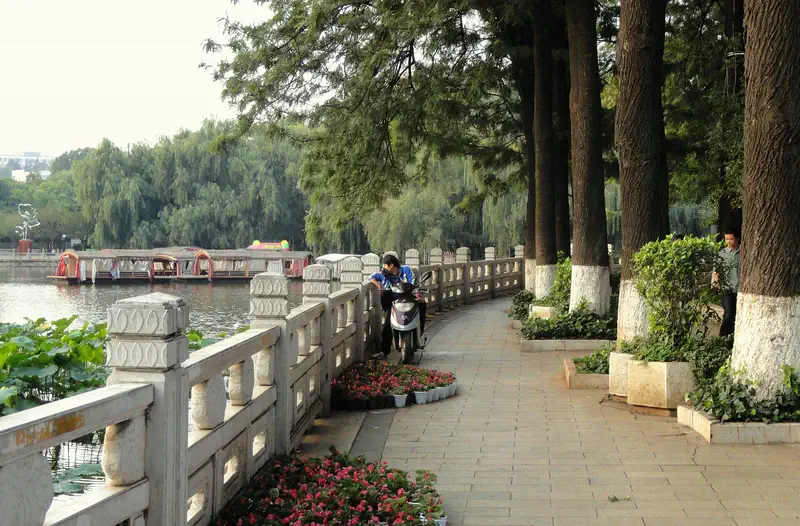
Kunming 昆明
Capital of Yunnan, the 'Spring City' — at 1,900m elevation it has mild weather year-round. Gateway to the Yunnan loop (Dali, Lijiang, Shangri-La) and to the Stone Forest.
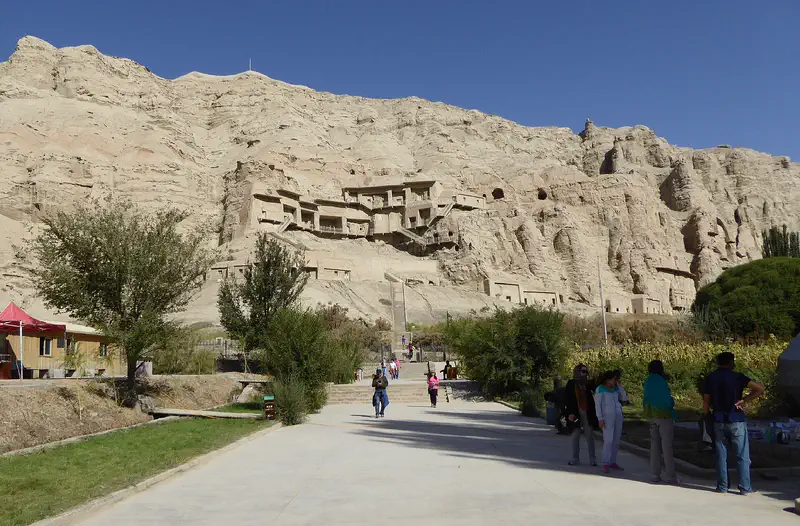
Kuqa 库车
Former Kucha kingdom capital on the northern Silk Road, rich in Kizil cave temple murals and Kushan-period Buddhist heritage. The old bazaar, Molnur Grand Canyon and the Quzi Pusha Mosque make it the most historically layered stop on the northern Tarim route.
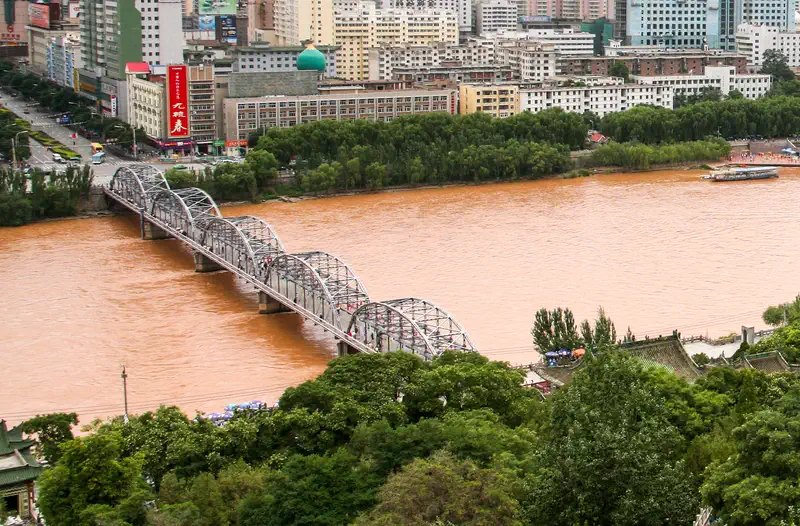
Lanzhou 兰州
Yellow River city stretched along a narrow valley. Gateway to the Silk Road (Dunhuang, Jiayuguan, Zhangye) and the home of Lanzhou hand-pulled beef noodles.
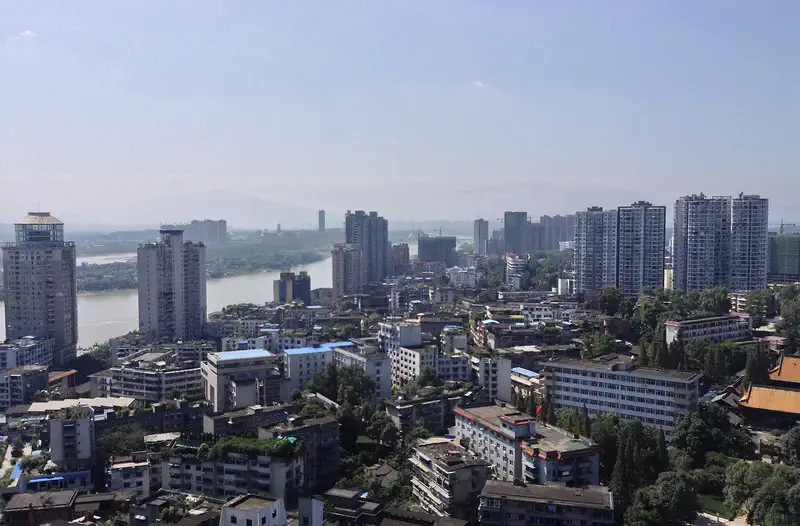
Leshan 乐山
A Sichuan city at the confluence of three rivers, home to the Leshan Giant Buddha — the world's tallest premodern stone statue at 71 metres — jointly inscribed as a UNESCO World Heritage Site with Emei Mountain.
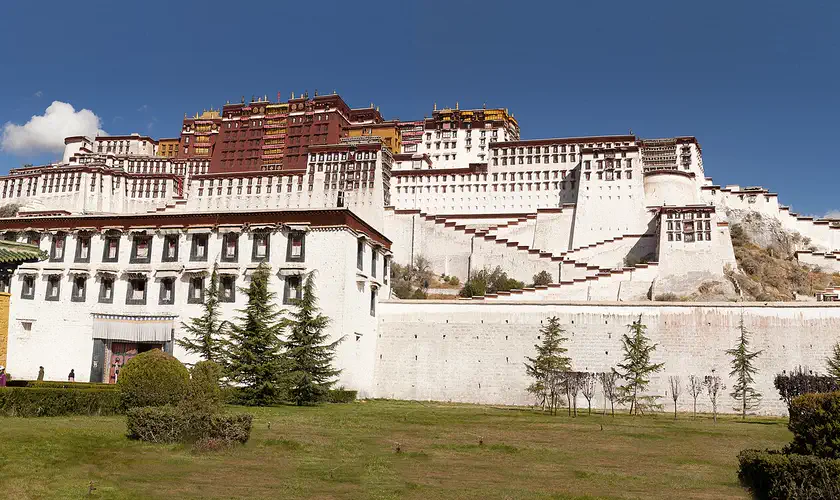
Lhasa 拉萨
Capital of Tibet Autonomous Region, on the Yarlung Tsangpo plateau at 3,656m. Potala Palace, Jokhang Temple, the Barkhor pilgrimage circuit. Independent travel is restricted; Tibet Travel Permit required.
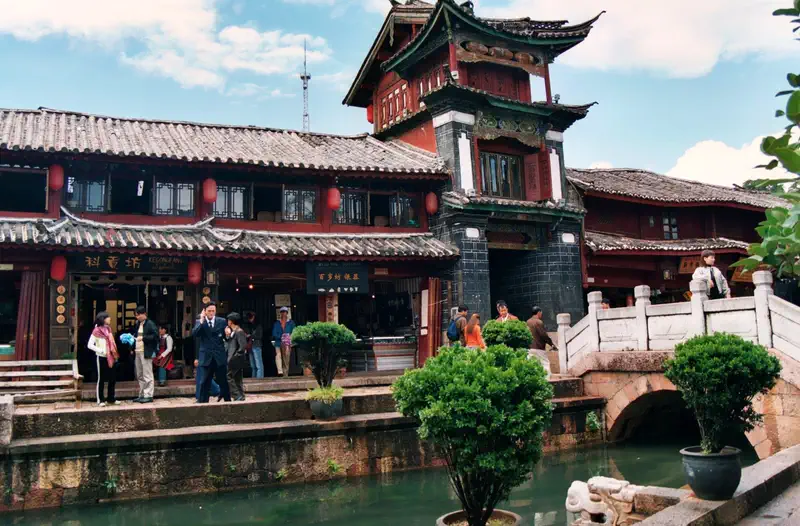
Lijiang 丽江
UNESCO-listed Naxi old town in northwest Yunnan, beneath the snow-capped Jade Dragon Snow Mountain. Cobbled lanes, water canals, the Naxi minority's pictographic Dongba script.
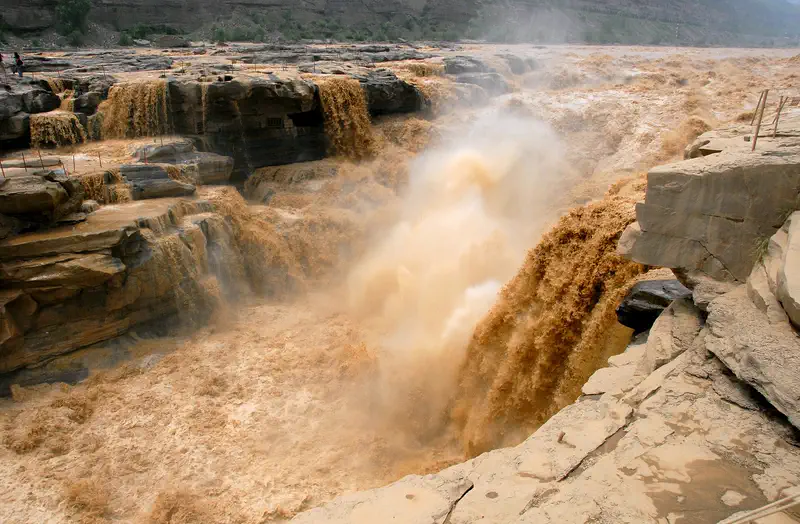
Linfen 临汾
Shanxi city in the Fen River valley, regarded in Chinese historiography as the legendary seat of Emperors Yao and Shun. Home to Hukou Waterfall — the largest yellow-water waterfall in the world — and a centre of coal-mining heritage now undergoing environmental transition.
Litang 理塘
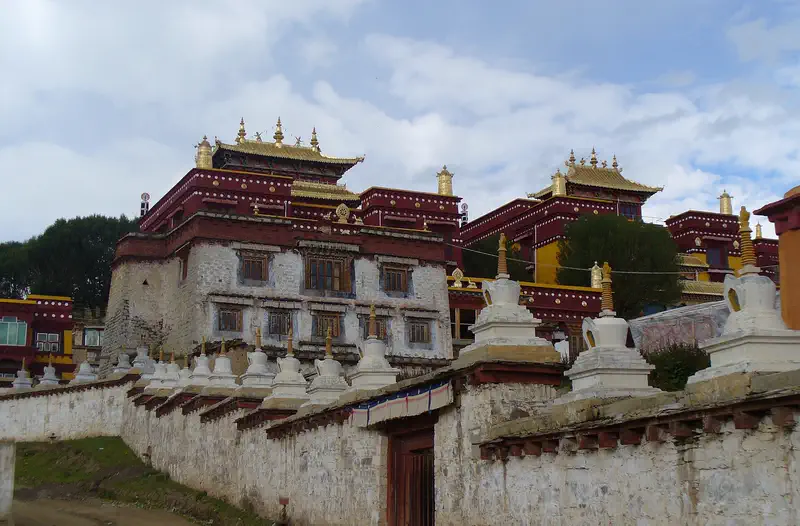
A remote Khampa Tibetan town at 4,014 metres on the Sichuan-Tibet Highway in Garzê Prefecture, famous for its high-altitude grasslands, annual horse-racing festival and the birthplace of two Dalai Lamas.
Longji 龙脊
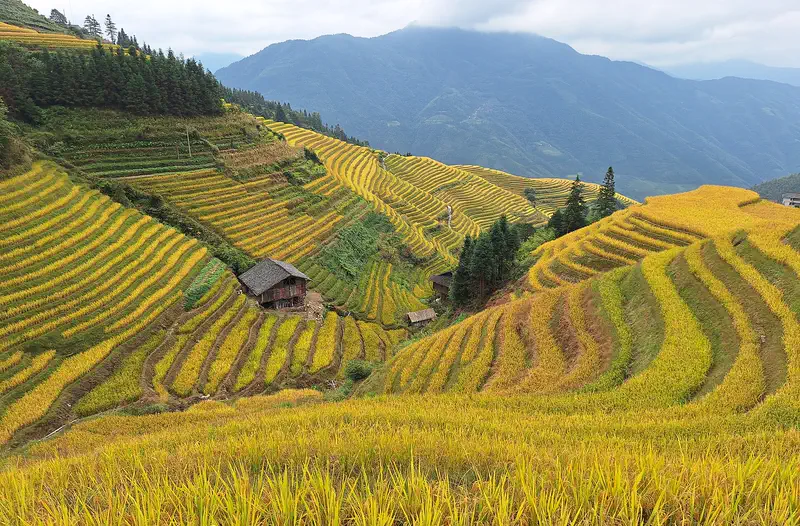
A highland area of Guangxi containing the Longji Rice Terraces — a 700-year-old terraced landscape created by Zhuang and Red Yao minority communities above Guilin.
China Visit Guide
Lugu Lake
Lugu Lake 泸沽湖
High-altitude alpine lake on the Yunnan-Sichuan border, homeland of the Mosuo people. Pig-trough dugout canoes, Mosuo matrilineal villages, and clear mountain water at 2,685 m.
Luoyang 洛阳
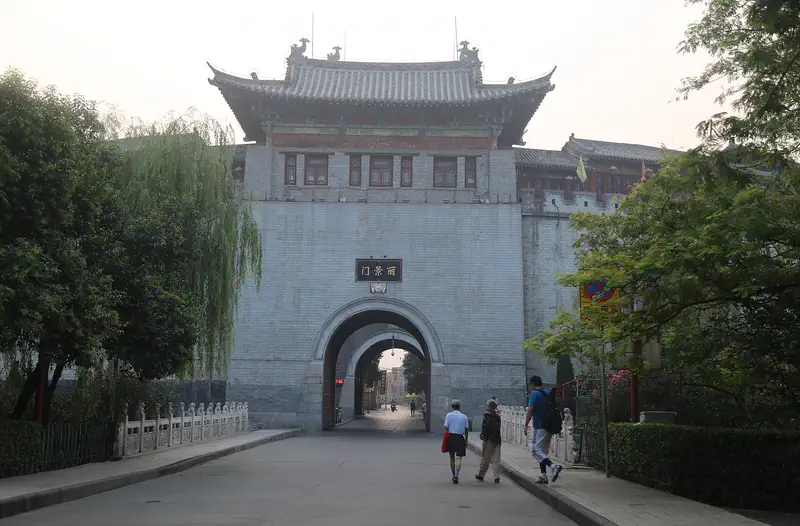
Ancient capital of 13 dynasties, on the Luo River. Longmen Grottoes (UNESCO), White Horse Temple (the first Buddhist temple in China), and the Peony Festival in April.
China Visit Guide
Lushan
Lushan 庐山
UNESCO World Heritage mountain in Jiangxi above Poyang Lake, celebrated in Chinese landscape painting and poetry for two thousand years. The Republic-era hill resort of Guling at the summit has British, American and German villas; waterfalls and granite scenery cover the mountain.
Macau 澳门
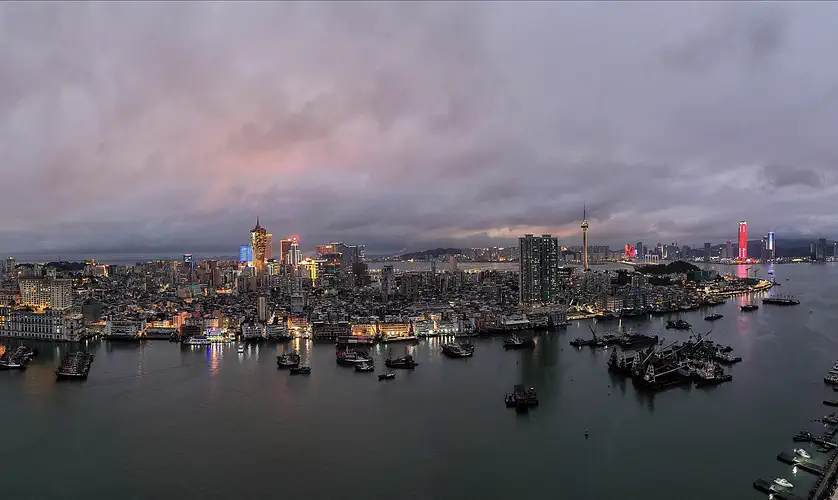
Special Administrative Region on the Pearl River Delta. Former Portuguese colony (1557–1999); the only city in the Sinosphere with a continuous Cantonese-Portuguese fusion food culture. UNESCO-listed historic centre.
China Visit Guide
Manzhouli
Manzhouli 满洲里
China's largest land border crossing with Russia, on the edge of the Hulunbuir grasslands in Inner Mongolia. Famous for matryoshka dolls, Cyrillic shopfronts, Russian goods markets, and the Trans-Siberian Railway gateway. A genuine cultural frontier town.
China Visit Guide
Mohe
Mohe 漠河
China's northernmost city, positioned in Heilongjiang Province above 53°N on the Amur River bordering Russia. The coldest inhabited place in China, reaching -52°C in extreme winters; home to the Midnight Sun and Northern Lights tourism.
China Visit Guide
Mount Hua (Huashan)
Mount Hua (Huashan) 华山
One of China's Five Sacred Daoist Mountains, known for vertiginous cliff-side plank walks and sheer granite faces, reached via Huayin on the Xi'an–Zhengzhou rail corridor.
China Visit Guide
Mount Tai (Taishan)
Mount Tai (Taishan) 泰山
The foremost of China's Five Sacred Mountains, a UNESCO World Heritage site revered by Confucians, Daoists and emperors alike, rising from the Shandong plain near the city of Tai'an.
China Visit Guide
Nalati
Nalati 那拉提
A Kazakh highland grassland scenic area in the Ili Valley of central Xinjiang, known for its sweeping summer meadows, wildflowers, and traditional yurt encampments.
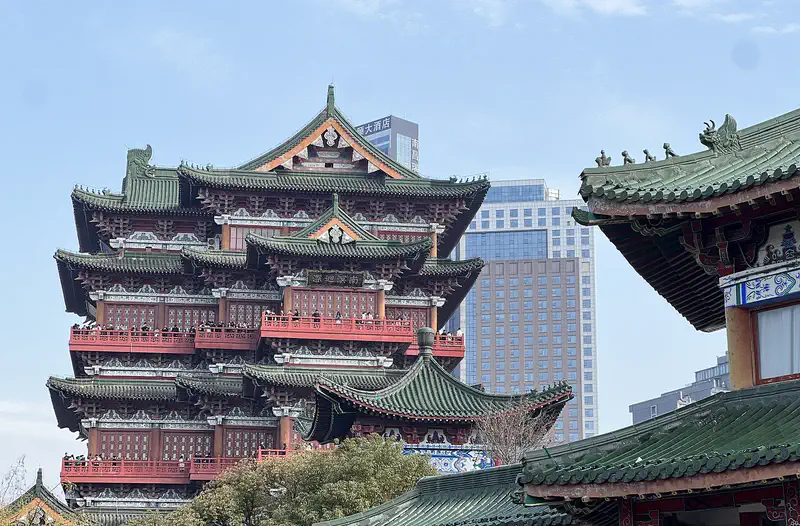
Nanchang 南昌
Capital of Jiangxi, on the Gan River. Tengwang Pavilion (one of the Three Great Towers of the South), Jingdezhen porcelain town within reach, and Mt Lu's Buddhist heritage.
China Visit Guide
Nanjing
Nanjing 南京
Former capital of the Ming dynasty and the Republic of China, on the Yangtze. Imperial walls, presidential palace, the Nanjing Massacre Memorial, and Purple Mountain.
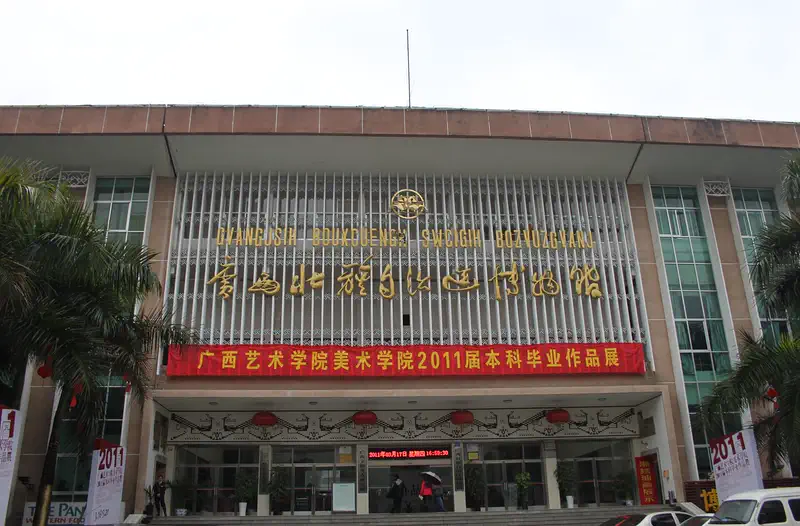
Nanning 南宁
Capital of Guangxi Zhuang Autonomous Region, the largest Zhuang ethnic area in China. Tropical, green, and the gateway to the Vietnam border crossings and the Detian waterfall.
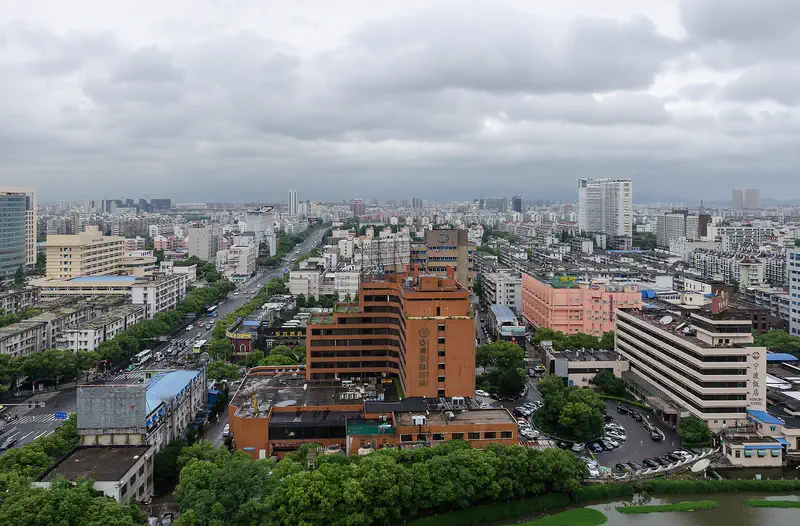
Ningbo 宁波
Major port city in Zhejiang on the East China Sea. The deepwater port at Beilun handles the largest container volume in China; the historic core preserves Tianyi Pavilion library and Ming-Qing merchant streets.
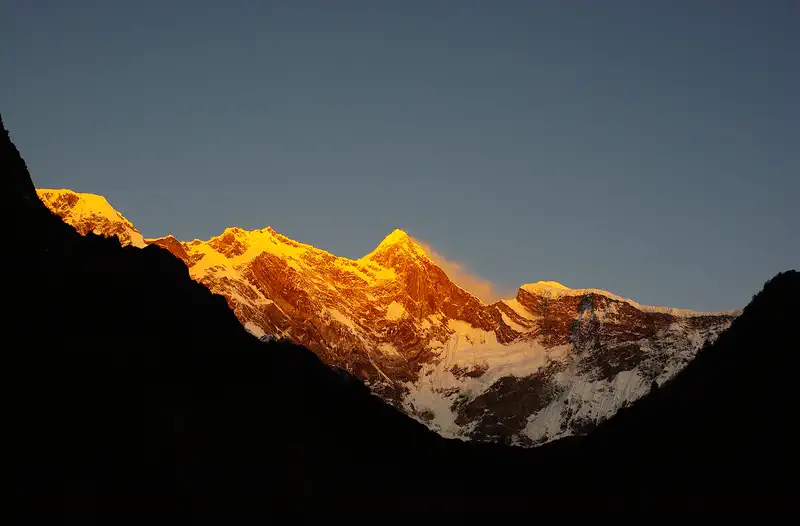
Nyingchi 林芝
Eastern Tibet Autonomous Region at 2,900m — substantially lower elevation than Lhasa. Forested rather than alpine; the Yarlung Tsangpo Grand Canyon and substantial March peach-blossom tourism.
China Visit Guide
Panjin
Panjin 盘锦
A coastal city in Liaoning with the Red Beach — one of the largest Suaeda salsa wetland ecosystems in the world, which turns vivid red in autumn — and significant rice and crab agriculture.
China Visit Guide
Pingxiang
Pingxiang 凭祥
China's main land border crossing with Vietnam via the Friendship Pass (Hữu Nghị Quan), set in Guangxi's karst hills. A small border city used primarily as a crossing point rather than a destination in its own right, though the surrounding karst scenery and historical fortifications are worth the brief stop.
China Visit Guide
Pingyao
Pingyao 平遥
UNESCO-listed Ming and Qing walled town in central Shanxi — the most completely preserved old walled city in China. Banking heritage and 6 km of intact city wall.
Pu'er 普洱
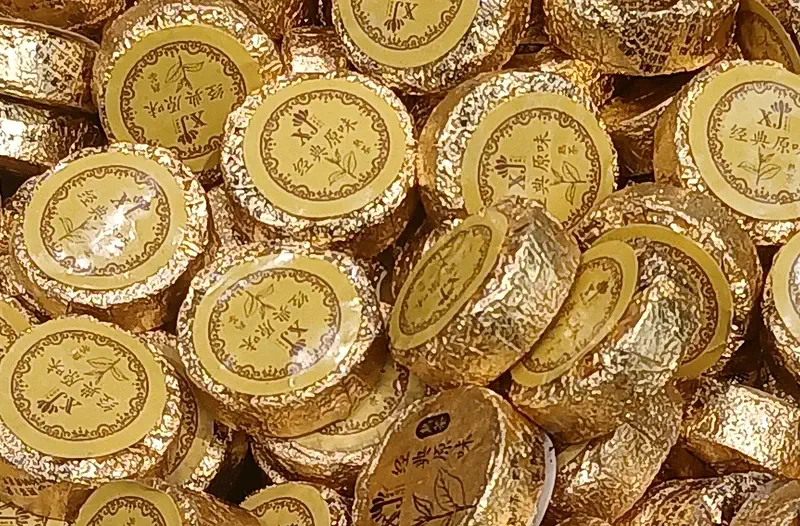
The source city of Pu'er tea in southern Yunnan, with ancient cultivated tea forests in Jingmai Mountain and surrounding hills, and a gateway to the Lancang River region and multiple ethnic minority cultures.
China Visit Guide
Putuoshan
Putuoshan 普陀山
A small island in the Zhoushan Archipelago off Zhejiang, one of China's Four Sacred Buddhist Mountains and the earthly domain of Guanyin, the Bodhisattva of Compassion.
China Visit Guide
Qingdao
Qingdao 青岛
German colonial-era port on the Shandong coast — red roofs, beer that came over with the Germans in 1903, and the cleanest beaches on the eastern coast.
China Visit Guide
Quanzhou
Quanzhou 泉州
UNESCO World Heritage Site (2021) for its role as the maritime Silk Road's medieval emporium. Mosques, churches, Hindu temples, Buddhist monasteries — Marco Polo's 'Zaytun', the largest port in the world in the 13th century.
China Visit Guide
Qufu
Qufu 曲阜
Confucius's hometown in southwestern Shandong. The Confucius Temple, Confucius Family Mansion, and Confucius Forest — collectively UNESCO-listed.
China Visit Guide
Quzhou
Quzhou 衢州
Zhejiang city in the Qu River valley, seat of the southern Kong family — descendants of Confucius who established a branch of the family mansion here in 1128. The Southern Kong Family Mansion and surrounding traditional county-town character give Quzhou a gentler, less-visited alternative to Qufu in Shandong.
China Visit Guide
Sanya
Sanya 三亚
China's premier domestic beach destination, on Hainan's southern coast. Yalong Bay, Dadonghai, and a year-round tropical climate. Russia-Chinese resort-tourism culture.
Shanghai 上海
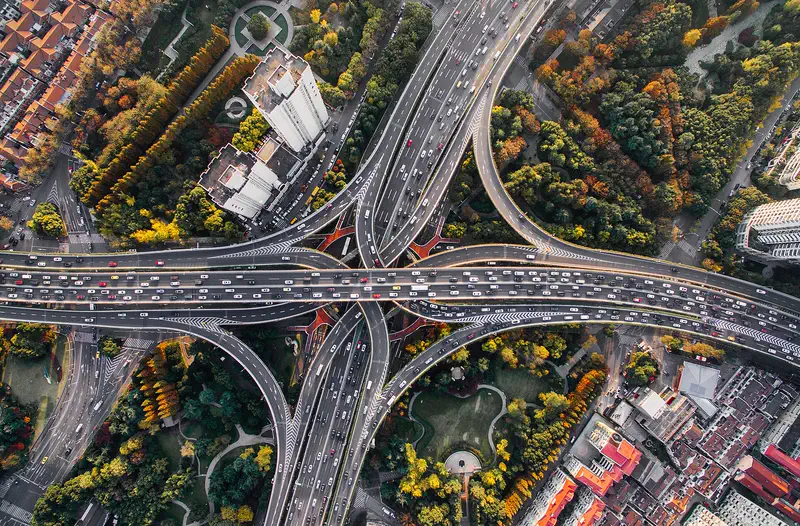
China's commercial and financial centre — a riverside megacity that ran on European concession-era trade, then exploded into the skyline that defines modern China. Walkable, cosmopolitan and the easiest first stop for foreigners.
Shangri-La (Zhongdian) 香格里拉
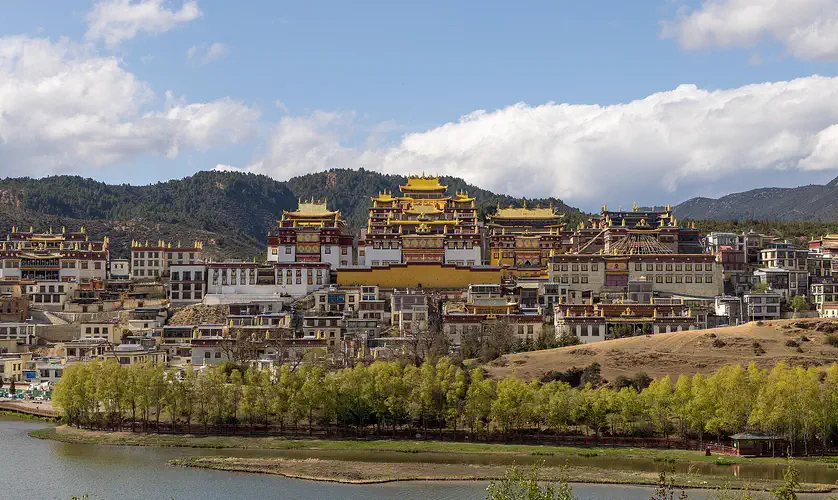
Tibetan-cultural area at 3,290m on the edge of the Tibetan plateau, renamed from Zhongdian in 2001 after the James Hilton novel. Songzanlin Monastery, Pudacuo National Park, Tibetan grassland life.
China Visit Guide
Shaoxing
Shaoxing 绍兴
Ancient Jiangnan canal city in Zhejiang, birthplace of the writer Lu Xun and associated with Shaoxing rice wine and traditional waterway culture. Stone bridges, black-awning boats, and the Orchid Pavilion calligraphy site make it a logical extension of a Hangzhou visit.
China Visit Guide
Shaxi
Shaxi 沙溪
Small Bai-minority market town in the Jianchuan Valley, once a major Tea-Horse Road staging post. A well-preserved market square, Sideng Theatre and Xingjiao Temple survived relatively intact.
Shennongjia 神农架
A national park and UNESCO World Biosphere Reserve in western Hubei containing one of China's most intact temperate forest ecosystems, named for the mythical Emperor Shennong who gathered medicinal herbs on its peaks.
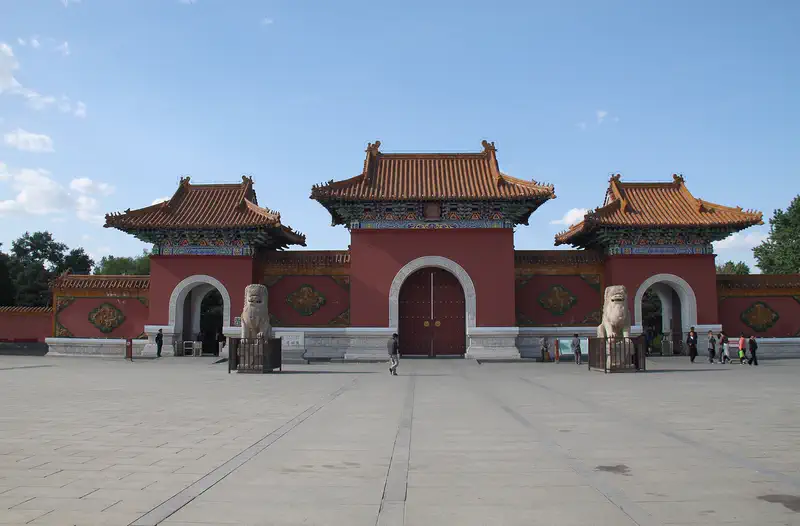
Shenyang 沈阳
Capital of Liaoning and historic capital of the Manchu Qing dynasty before they moved to Beijing in 1644. The Shenyang Imperial Palace is a UNESCO-listed smaller cousin of the Forbidden City.
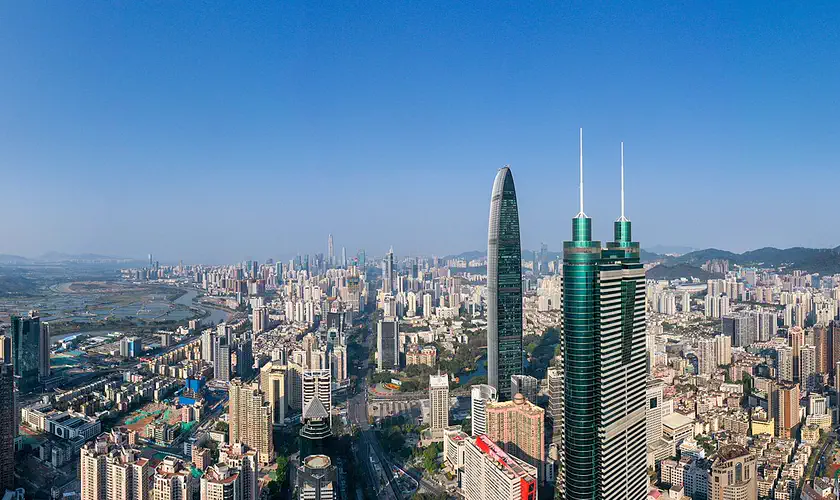
Shenzhen 深圳
Mainland China's youngest megacity, just over the Hong Kong border — the original Special Economic Zone, now home to Tencent, Huawei, DJI, BYD and a tech industry that powers most of what's in your pocket.
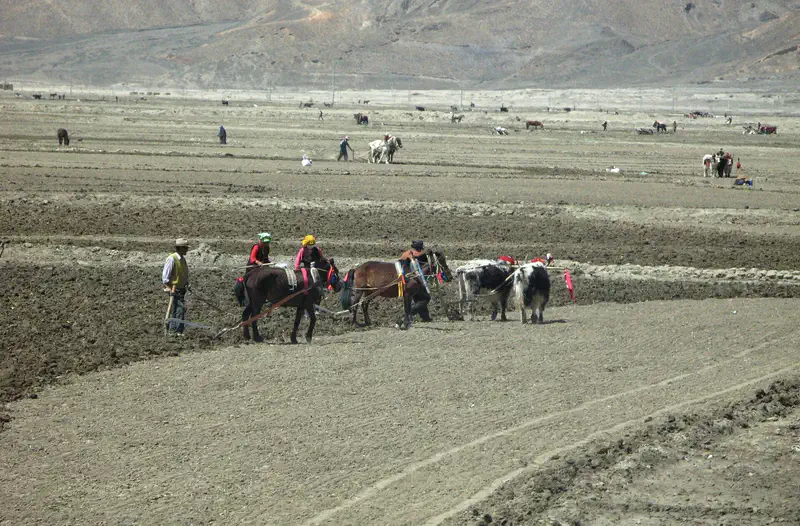
Shigatse 日喀则
Tibet's second city at 3,845m, the seat of the Panchen Lama and home to Tashilhunpo Monastery. Standard inclusion in Lhasa-area Tibet Travel Permit itineraries.
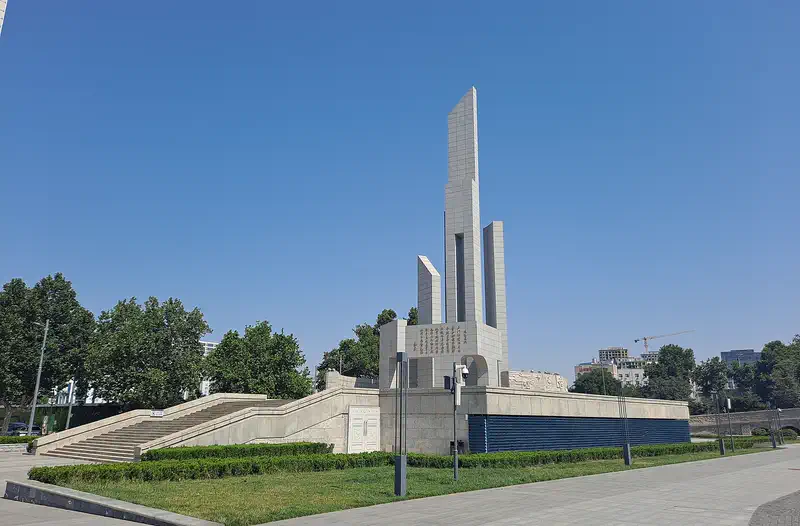
Shijiazhuang 石家庄
Capital of Hebei, an hour from Beijing on the HSR. Modern industrial city with limited tourism but as a launchpad for Mt Cangyan and Zhengding Old Town.
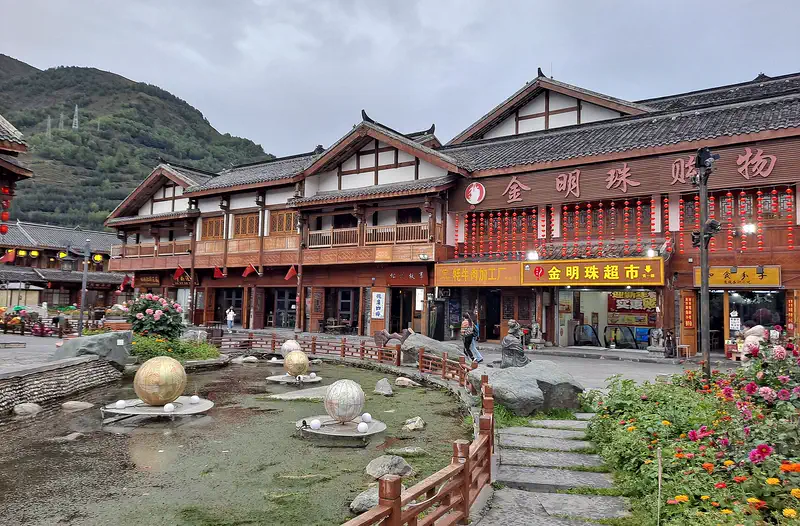
Songpan 松潘
Historic walled town in northern Sichuan at 2,850 m, gateway to Huanglong Scenic Area and the Yellow Dragon Valley. Ming-dynasty town walls, a Tibetan and Hui mix, and the nearest substantial settlement to Jiuzhaigou.
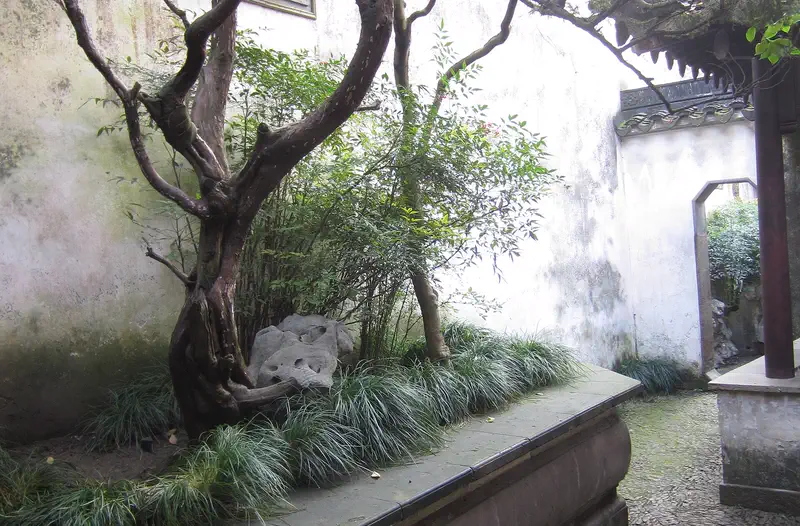
Suzhou 苏州
City of canals and classical gardens, half an hour from Shanghai. UNESCO-listed gardens, the cradle of Kunqu opera, and the historic centre of Chinese silk production.
China Visit Guide
Tai'an
Tai'an 泰安
City at the foot of Mount Tai (Taishan) — the most sacred of China's Five Sacred Mountains and a UNESCO World Heritage site. Dai Temple in the city centre is the ceremonial gateway; the mountain summit sunrise draws pilgrims and hikers in every season.
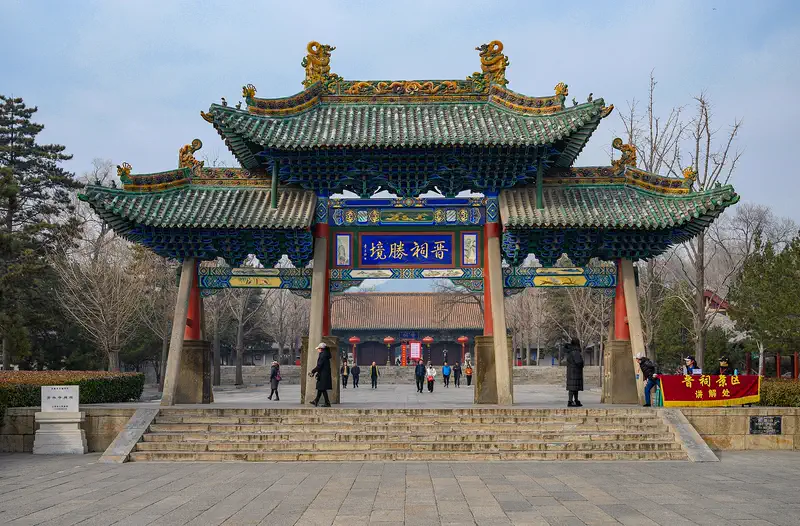
Taiyuan 太原
Capital of Shanxi, gateway to the Pingyao ancient walled town and the Yungang and Datong-area Buddhist cliff carvings. The home of vinegar.
China Visit Guide
Tengchong
Tengchong 腾冲
Far-western Yunnan border city near Myanmar. Volcanic landscapes, hot springs, and the Heshun ancient town — a centuries-old overseas-Chinese hometown of stone-paved lanes and Western-influenced returnee mansions.
China Visit Guide
Tianjin
Tianjin 天津
Beijing's port city, on the Bohai Gulf — a former treaty port whose nine European concession districts left the most coherent collection of late-19th and early-20th-century European architecture in mainland China.
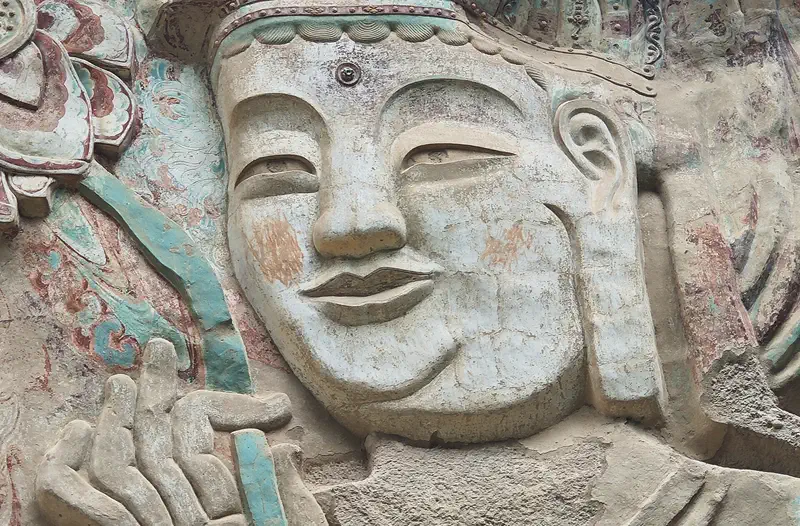
Tianshui 天水
Gansu's second city and a pivotal Silk Road waypoint, most visited for the Maijishan Grottoes — 194 Buddhist cave temples cut into a dramatic isolated butte that represents some of the finest Wei-dynasty sculpture in China.
China Visit Guide
Tongren
Tongren 铜仁
A Guizhou prefecture-level city and gateway to Fanjingshan — a sacred Buddhist mountain and UNESCO World Heritage Site with a remarkable double-peak rock formation rising above primeval forest.
China Visit Guide
Tunxi
Tunxi 屯溪
The urban base for the Huizhou cultural region in southern Anhui — gateway to Huangshan mountain and the ancient villages of Hongcun and Xidi. The Old Street (Laoijie) along the Xin'an River preserves Song, Ming and Qing commercial architecture.
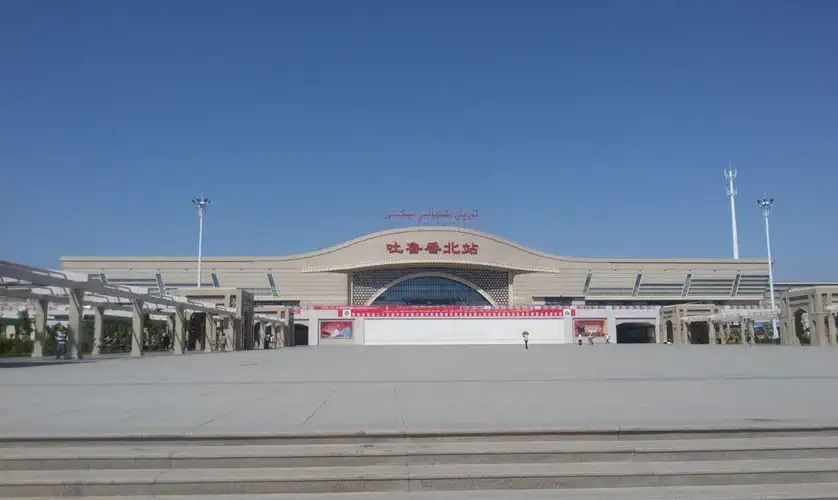
Turpan 吐鲁番
Desert oasis 150 km southeast of Urumqi at -154m below sea level — the lowest point in China. Jiaohe ancient ruins, Bezeklik Buddhist caves, the Karez well system, Flaming Mountains, and the country's grape capital.
China Visit Guide
Urumqi
Urumqi 乌鲁木齐
Capital of Xinjiang Uyghur Autonomous Region. The most westerly major Chinese city, with Uyghur and Han culture, the Heavenly Lake, and the gateway to Kashgar and the Pamirs.
China Visit Guide
Wanlong
Wanlong 万龙
Alpine ski resort village in Chongli county, Zhangjiakou, that served as a 2022 Winter Olympic competition venue; the closest internationally competitive ski destination to Beijing, reachable by the Olympic high-speed rail line in under two hours.
China Visit Guide
Weifang
Weifang 潍坊
Shandong city known internationally as the Kite Capital of the World. The Weifang International Kite Festival in April is the largest kite event on earth; the city also preserves Yangliuqing woodblock print tradition and Qing-dynasty Yangjiabu folk art village.
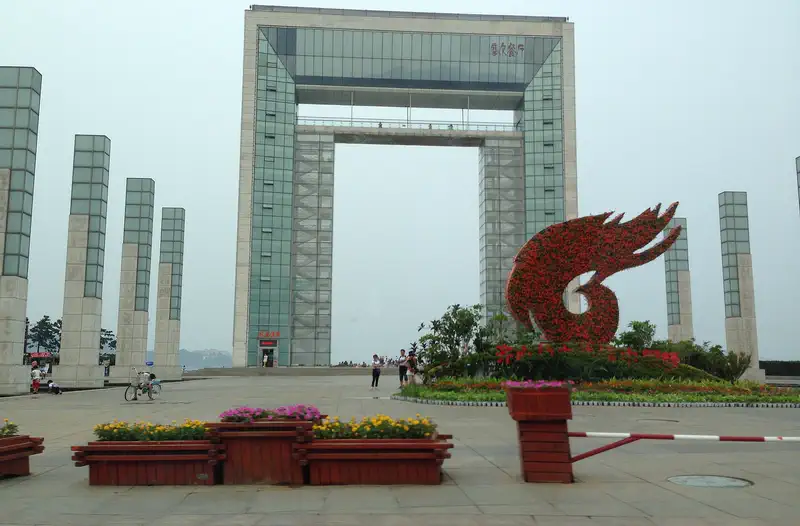
Weihai 威海
Cleanest air in eastern China by AQI — a small coastal Shandong city with substantial Korean tourism, the Liu Gong Island naval-history park, and the country's most-photographed coastal cycling route.
China Visit Guide
Wenchang
Wenchang 文昌
Northeast Hainan city famous for two things: the Wenchang chicken breed and the Wenchang Space Launch Centre. Also notable for coconut groves, the Tonggu Ridge beach area and the Qinglan Ancient Port.
China Visit Guide
Wenzhou
Wenzhou 温州
Coastal Zhejiang city famous as the engine of the Wenzhou model of private entrepreneurship. The Wenzhou diaspora is among the largest Chinese commercial diasporas globally.
China Visit Guide
Wolong
Wolong 卧龙
Small administrative town at the entrance to the Wolong Giant Panda Reserve in western Sichuan, gateway to the China Conservation and Research Centre for the Giant Panda, and a base for high-altitude birding on the Balang Pass approach to the Tibetan plateau.
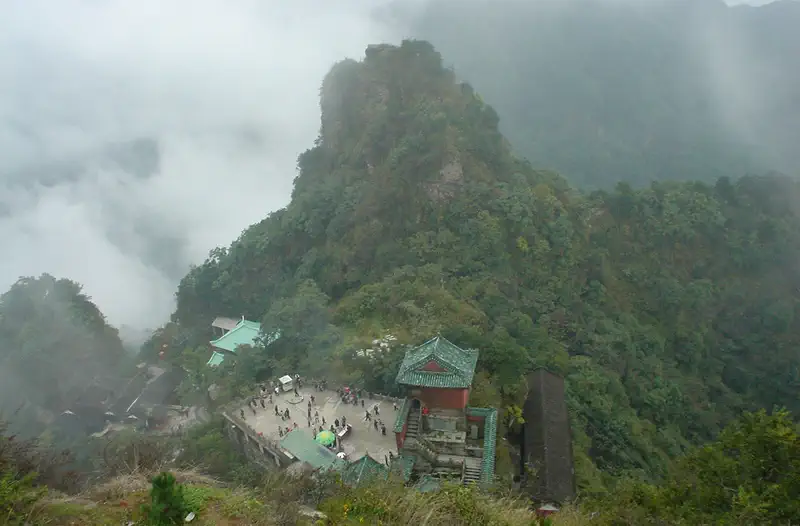
Wudang Mountains 武当山
A UNESCO-listed mountain complex of Daoist temples and palaces in Hubei, regarded as the birthplace of Taijiquan and a living centre of Daoist martial arts practice.
China Visit Guide
Wuhan
Wuhan 武汉
China's central transport hub at the meeting of the Yangtze and Han rivers. Yellow Crane Tower, East Lake, the spicy noodle breakfast (re gan mian), and the country's largest university belt.
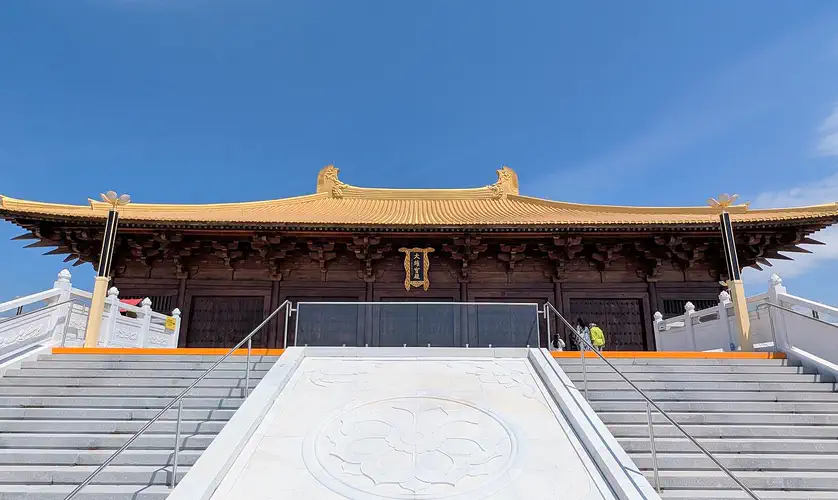
Wutai Mountain 五台山
The highest of China's Four Sacred Buddhist Mountains, a UNESCO World Heritage site in Shanxi with over 50 active monasteries set among alpine meadows at up to 3,058 metres.
China Visit Guide
Wuxi
Wuxi 无锡
Prosperous Jiangnan city on the shore of Taihu, one of China's largest freshwater lakes. Known for lake crab, the canal quarter of Nanchan Temple, Lingshan Grand Buddha, and the traditional gardens of Jichang Yuan.
China Visit Guide
Wuyishan (Mount Wuyi)
Wuyishan (Mount Wuyi) 武夷山
UNESCO mixed natural-and-cultural heritage site (1999). The most-celebrated oolong tea region in the world (Da Hong Pao, Lapsang Souchong), set against Danxia geological landscapes and Han-dynasty Yuewang Cheng walled-town remains.
China Visit Guide
Wuyuan
Wuyuan 婺源
Rural county in northeast Jiangxi described as the most beautiful village in China — a debatable claim, but the concentration of Huizhou-style whitewashed villages in a landscape of rapeseed flowers, covered bridges and terraced fields is genuinely distinctive.
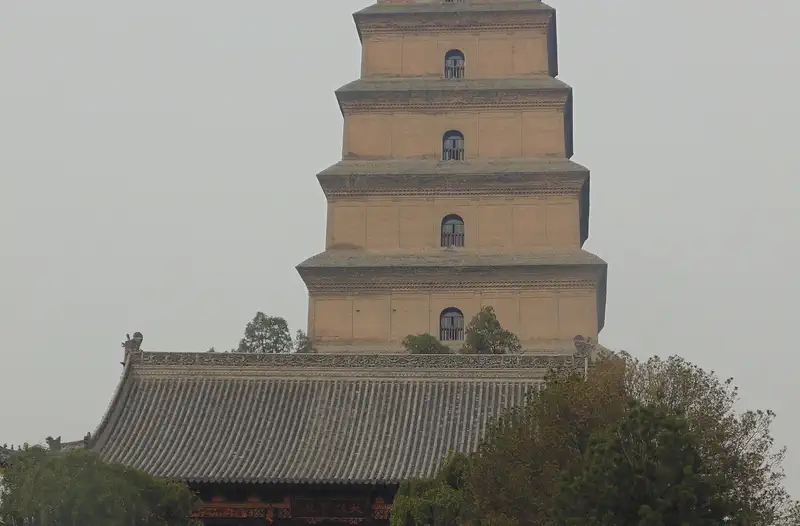
Xi'an 西安
Ancient Chang'an, capital of 13 dynasties including the Tang, eastern terminus of the Silk Road, gateway to the Terracotta Army, and the cultural heart of the Muslim Quarter.
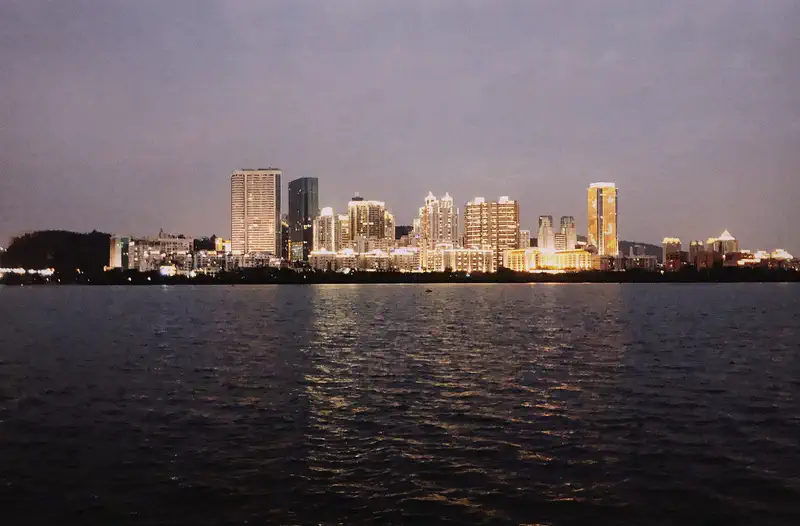
Xiamen 厦门
Coastal Fujian island-and-mainland city. Gulangyu (UNESCO) is a car-free European-villa island; the city has clean beaches, a relaxed pace and the warmest mainland climate north of Hainan.
China Visit Guide
Xijiang Qianhu Miao Village
Xijiang Qianhu Miao Village 西江千户苗寨
The largest Miao village in the world — approximately 1,200 households of stacked wooden stilt houses covering a mountain valley in Guizhou — a living community and Guizhou's single most visited tourist site.
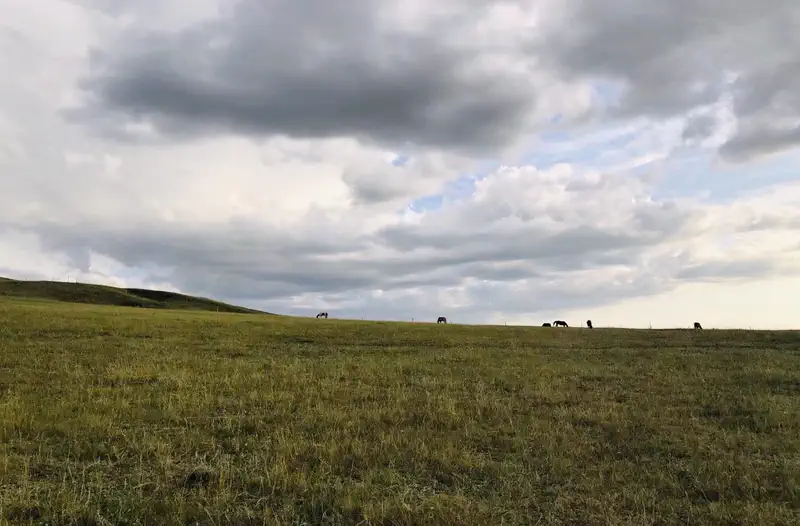
Xilinhot 锡林浩特
The capital of the Xilingol League in Inner Mongolia, gateway to one of China's largest remaining open grassland ecosystems and a centre of Mongolian herder culture.
China Visit Guide
Xining
Xining 西宁
Capital of Qinghai Province at 2,275 m, the highest provincial capital in China. Gateway to Qinghai Lake, Ta'er Monastery (Kumbum), and the Qinghai-Tibet Plateau. A Hui Muslim presence gives the city a distinct culinary and cultural identity unusual for northwest China.
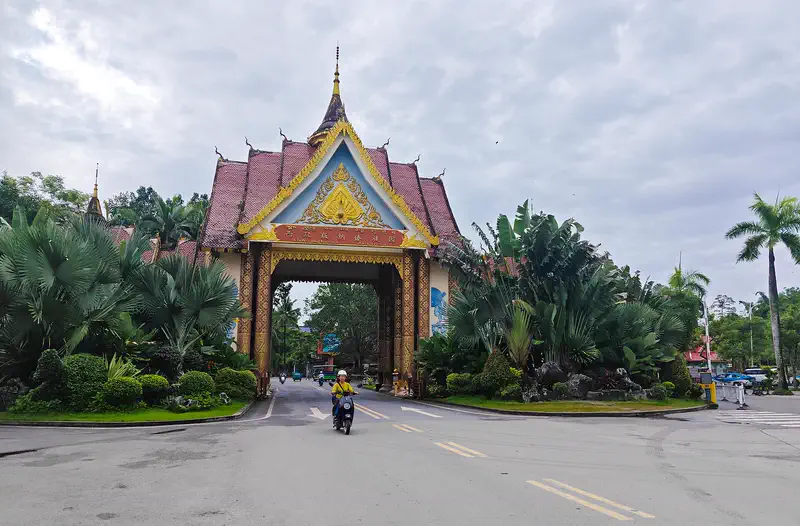
Xishuangbanna 西双版纳
A tropical Dai cultural homeland in southern Yunnan bordering Myanmar and Laos, known for its rainforest, Buddhist temples, ancient Pu'er tea forests and the Water-Splashing Festival.
China Visit Guide
Yabuli
Yabuli 亚布力
China's longest-established ski destination, set in the Zhangguangcai Mountains of Heilongjiang province, operating continuously since 1980 and serving as the National Ski Training Centre; best reached via Harbin with a three-hour road transfer.
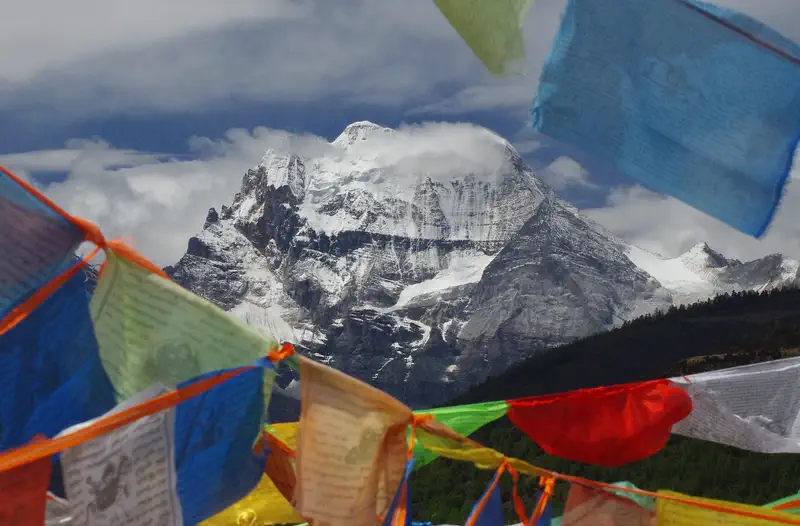
Yading 亚丁
The alpine sanctuary at the heart of Daocheng Yading Nature Reserve in Sichuan, surrounding three sacred Tibetan Buddhist snow peaks and their high-altitude turquoise lakes.
China Visit Guide
Yan'an
Yan'an 延安
Loess plateau city; the Communist Party's wartime capital from 1937 to 1947. The substantive site of revolutionary-tourism in northwest China; cave dwellings (yaodong), the Yan'an Pagoda Mountain, and the Forum on Literature and Art site.
China Visit Guide
Yancheng
Yancheng 盐城
Coastal city in east Jiangsu, centre of China's salt-pan heritage, and home to the Yancheng National Nature Reserve — a UNESCO World Heritage Site and critical staging post for millions of migratory birds on the East Asian-Australasian Flyway, including endangered red-crowned cranes and Black-faced Spoonbills.
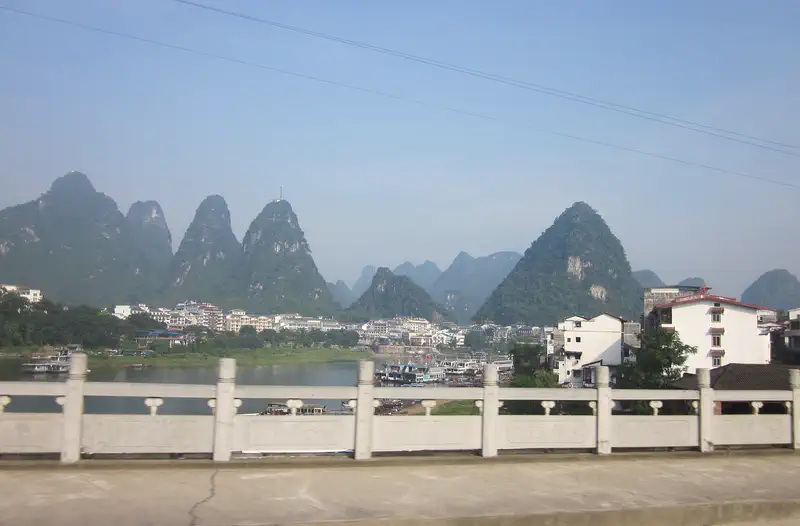
Yangshuo 阳朔
Small town on the Li River 65 km south of Guilin. The most popular base for cycling, climbing and river-rafting in the karst landscape. West Street is the backpacker spine.
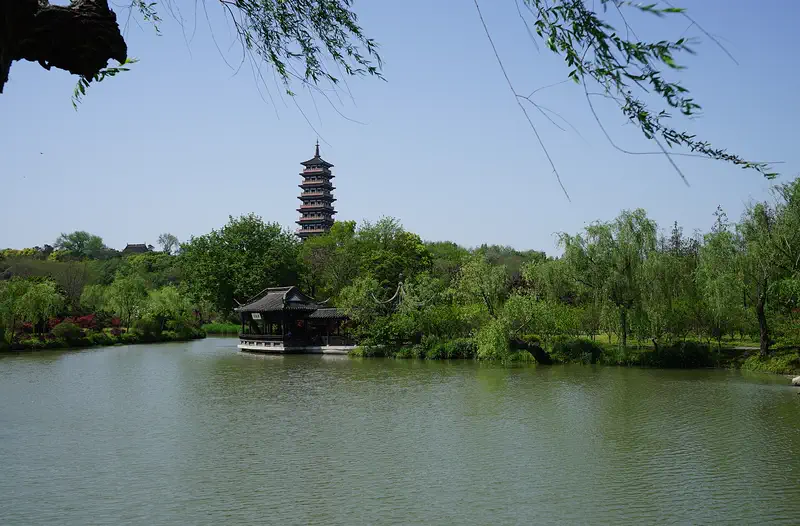
Yangzhou 扬州
Grand Canal city in central Jiangsu. The Slender West Lake, classical gardens, and Yangzhou's signature breakfast tea-and-dumplings tradition.
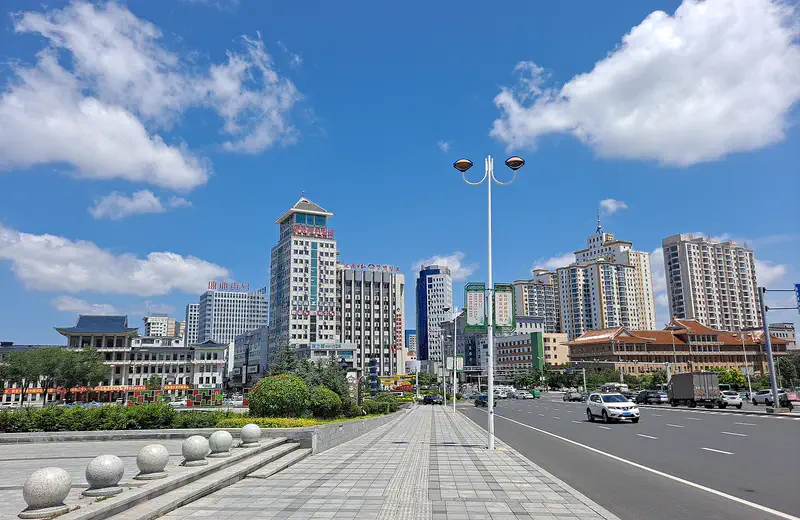
Yanji 延吉
Capital of Yanbian Korean Autonomous Prefecture in Jilin, close to the North Korean border. The Korean-Chinese culture of Yanbian gives the city a distinct culinary and social character; Changbai Mountain (Baekdu/Tianchi) is 200 km south.
Yantai 烟台
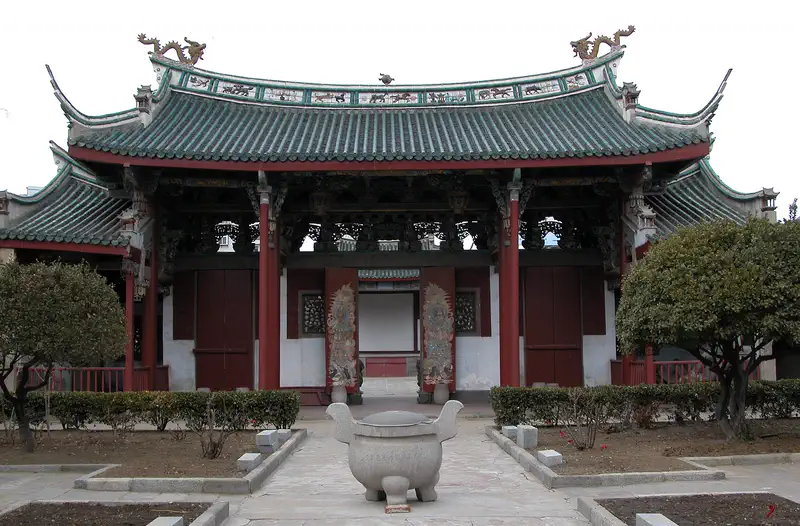
Coastal Shandong port and wine region. The Changyu Wine Culture Museum documents the 1892 founding of China's first modern winery; nearby Penglai is the legendary 'Eight Immortals' coast.
Yichang 宜昌
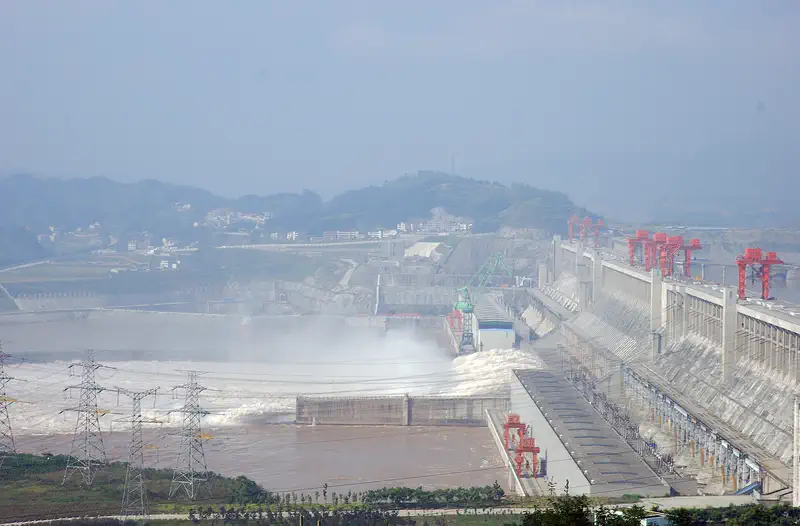
Yangtze River city at the eastern end of the Three Gorges. The Three Gorges Dam (the world's largest hydroelectric station) is 40 km upstream; most Yangtze cruises terminate or originate here.
Yinchuan 银川
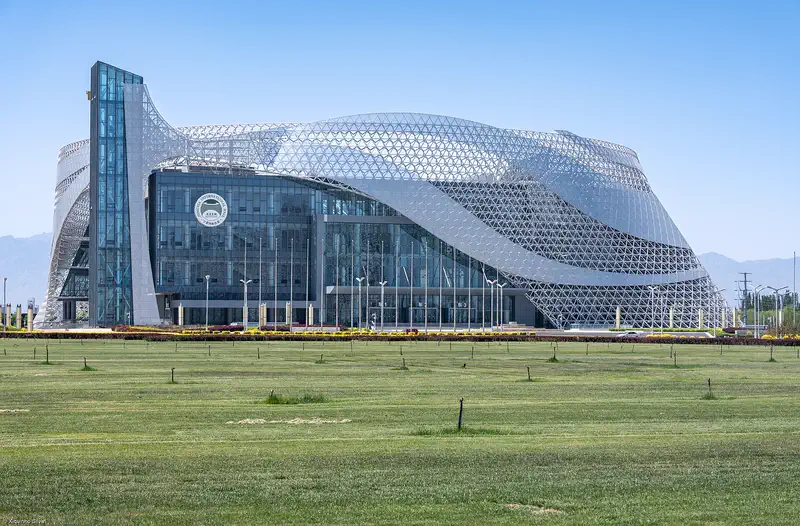
Capital of Ningxia Hui Autonomous Region. Western Xia tombs, Hui Muslim culture, the Helan Mountains and the Yellow River desert oasis landscape.
Yining 伊宁
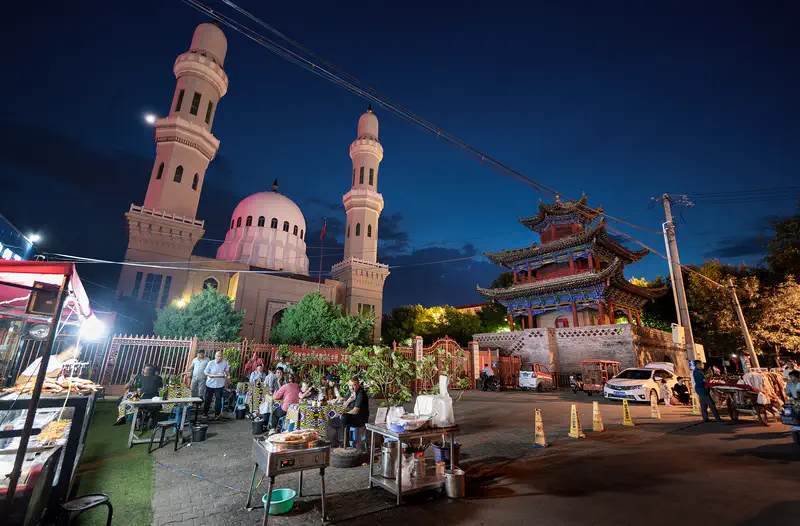
Capital of Ili Kazakh Autonomous Prefecture in northwest Xinjiang, positioned in the green Ili River Valley near the Kazakhstan border. Distinctive Russian and Kazakh architectural influence, the Kazakh grasslands of Nalati and Sayram Lake are within a day's reach.
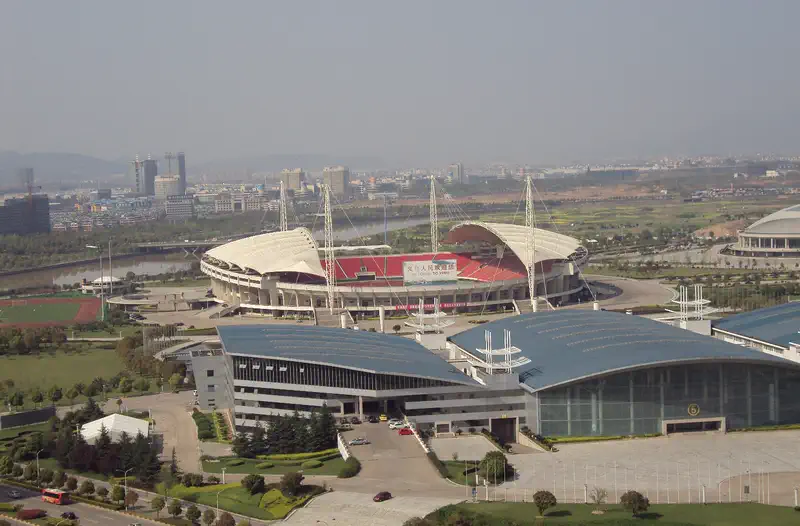
Yiwu 义乌
Zhejiang county-level city hosting the Yiwu International Trade City — widely regarded as the world's largest wholesale market for small commodities — where tens of thousands of international buyers and traders source products from Chinese manufacturers across five vast district halls.
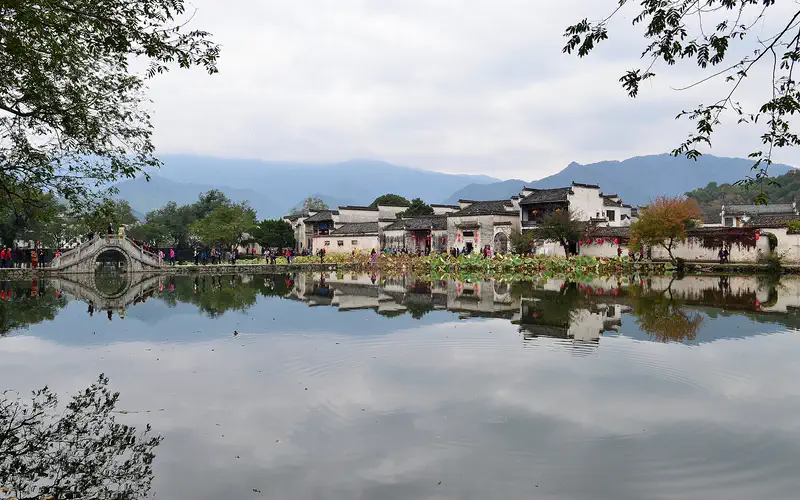
Yixian 黟县
Rural county in southern Anhui containing the UNESCO-listed Huizhou villages of Hongcun and Xidi, the best-preserved examples of vernacular merchant-class architecture in China. The county town itself is minor; the surrounding villages are the draw.
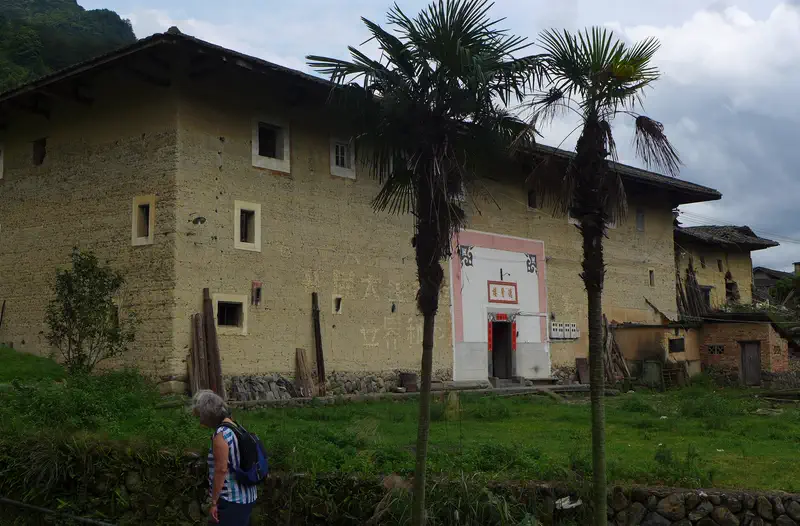
Yongding 永定
A Hakka county in western Fujian containing the largest concentration of tulou — circular and square earthen fortress buildings of the Hakka people — inscribed as a UNESCO World Heritage Site.
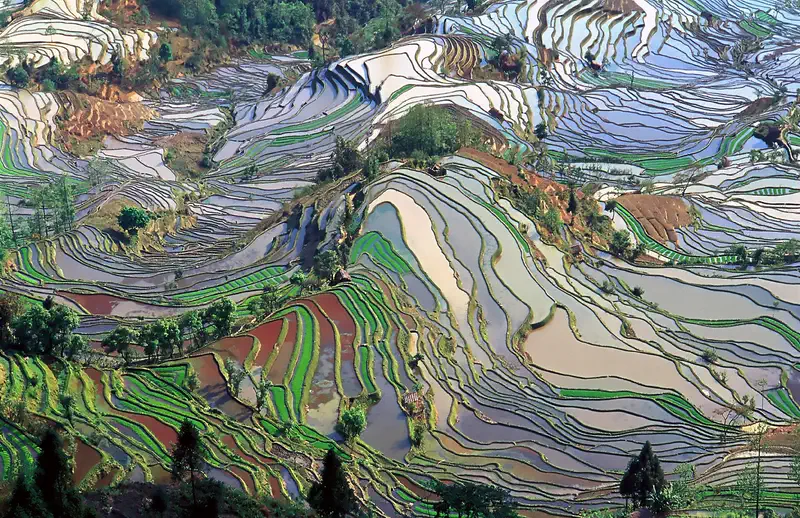
Yuanyang 元阳
A Hani minority county in southern Yunnan famous for the Honghe Hani Rice Terraces — one of the world's great agricultural landscapes, UNESCO-listed, at its most spectacular when winter water flooding fills the stepped fields.
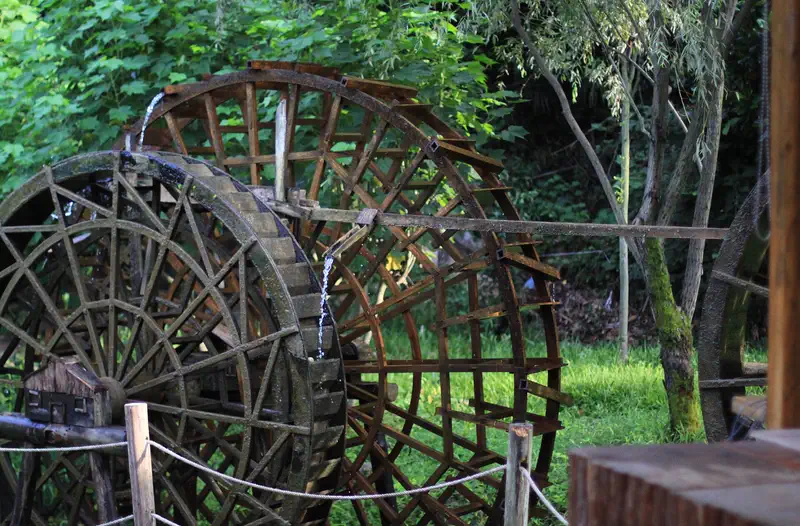
Zhangjiajie 张家界
Wulingyuan / Zhangjiajie National Forest Park (UNESCO) — the sandstone pillars that inspired the Hallelujah Mountains in Avatar. Half-day to multi-day hiking and cable cars.
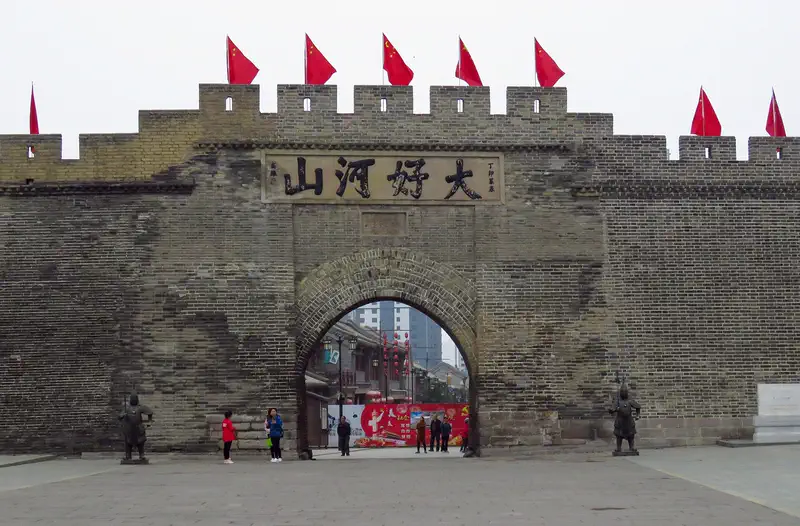
Zhangjiakou 张家口
A Hebei city northwest of Beijing that co-hosted the 2022 Winter Olympics alpine and biathlon events, with significant Great Wall sections and accessible grassland scenery.
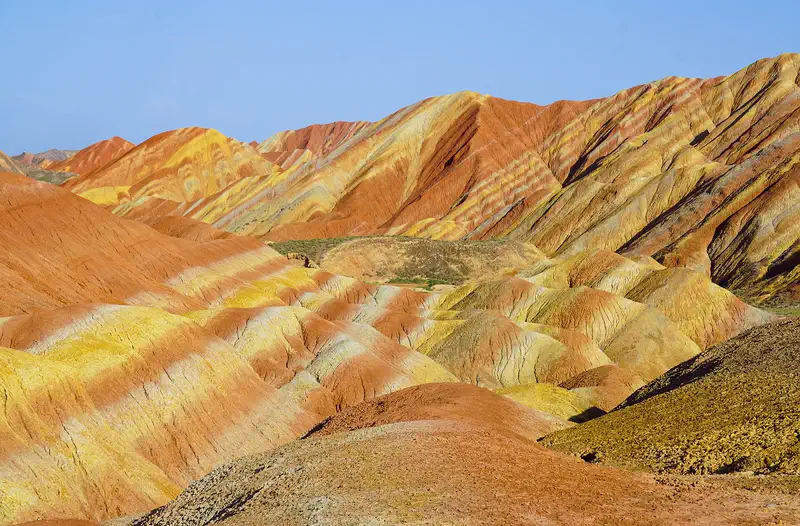
Zhangye 张掖
Hexi Corridor city famous for the multicoloured Danxia rainbow mountains (UNESCO) and the 11th-century Giant Buddha Temple housing the largest reclining Buddha in China.
China Visit Guide
Zhaoxing
Zhaoxing 肇兴
The largest Dong village in China, with five timber drum towers, covered wind-and-rain bridges, and an intact living Dong culture in the mountains of southeastern Guizhou.
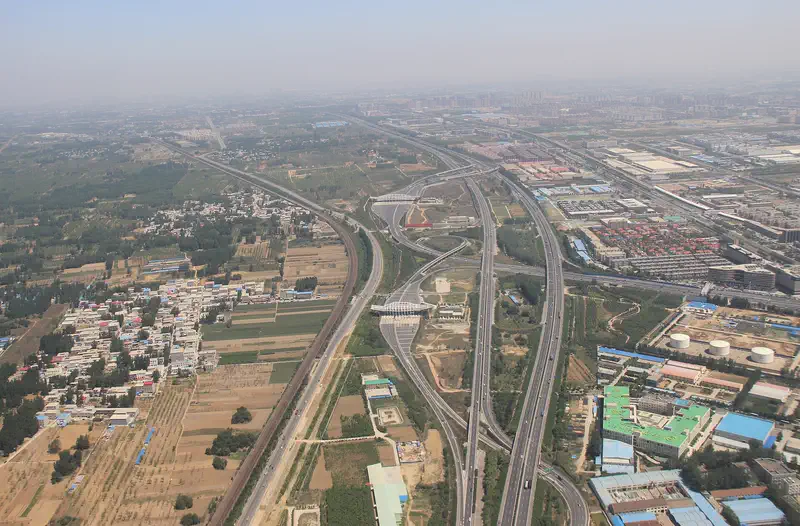
Zhengzhou 郑州
Capital of Henan, transport hub of central China, and gateway to the Shaolin Temple, the Yellow River, and the Buddhist cliff carvings of Longmen.
China Visit Guide
Zhuhai
Zhuhai 珠海
Special Economic Zone facing Macau across the Pearl River estuary. The most-walkable mainland Chinese city — a 53 km Lover's Road coastal promenade, 146 km of beaches, and the world's longest sea-crossing bridge.
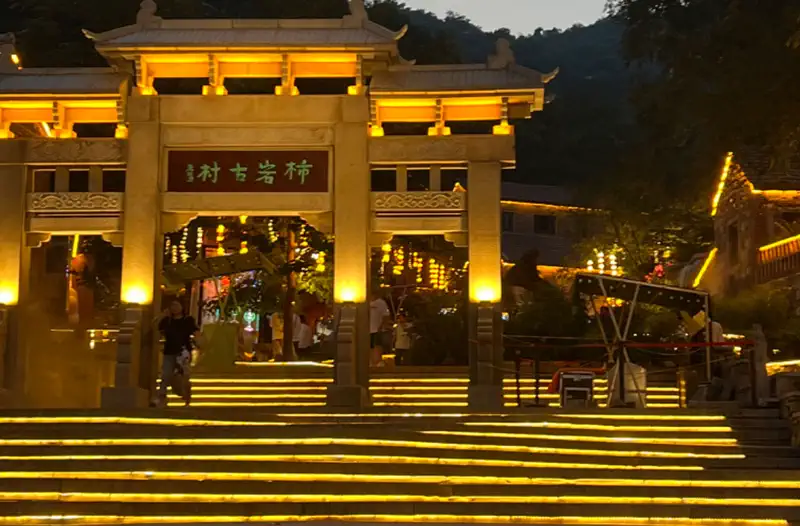
Zibo 淄博
Shandong city with more than 2,700 years of ceramic and glass-making history, centred on the ancient state of Qi whose capital Linzi once rivalled the Zhou royal court. The Zibo Ceramic Museum and the Linzi historic site are the primary draws; a barbecue craze in 2023 briefly made it a viral domestic tourism phenomenon.
China Visit Guide
Zoucheng
Zoucheng 邹城
The birthplace of Mencius (Mengzi), second sage of the Confucian tradition, with significant temple and ancestral sites that complement the nearby Confucius sites of Qufu.