CITY · HENAN
Zhengzhou
郑州 · Zhèngzhōu
Overview
Capital of Henan, transport hub of central China, and gateway to the Shaolin Temple, the Yellow River, and the Buddhist cliff carvings of Longmen.
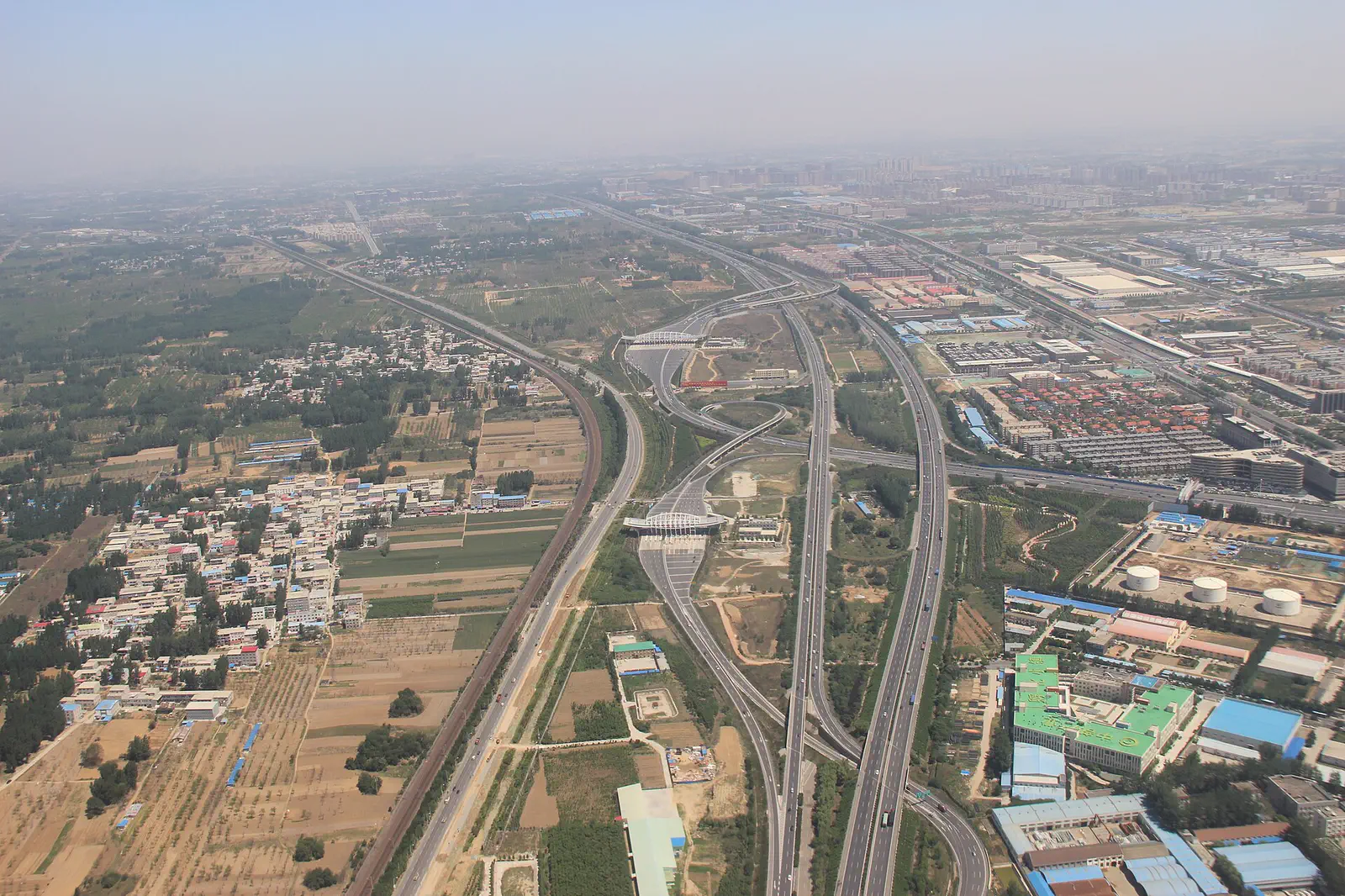
Zhengzhou is the capital of Henan province, the geographic and historical centre of China, and one of the busiest rail junctions in the country. The Beijing-Guangzhou high-speed line and the Shanghai-Xi'an high-speed line cross here; combined with regional lines, this makes Zhengzhou a place that an enormous number of people pass through on their way somewhere else. Most of them are correct to keep moving: the city's historical core was comprehensively destroyed by Yellow River flooding and wartime damage in the twentieth century, and the modern city has been rebuilt as an industrial and administrative centre without significant heritage architecture.
The reason to stay a night or two is access to an unusually rich set of day trips. The Henan Museum, in the city centre, is one of the premier provincial museums in China: its collections of Shang and Zhou dynasty bronzes reflect the fact that Henan was the cradle of the Central Plains civilisation. The Sanmenxia dragon bone relics, the famous Chinese bronze vessels from Anyang, and the painted pottery from Yangshao culture are all represented. A stop here before visiting the outlying sites contextualises what you are seeing.
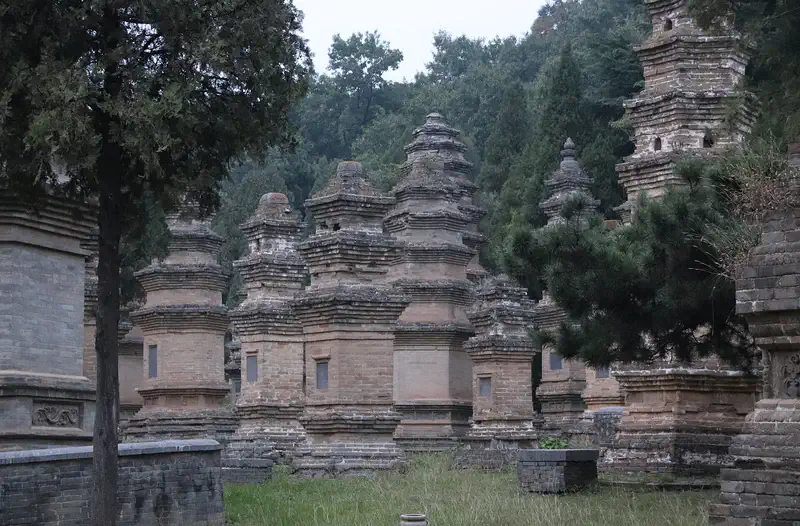
The Shaolin Temple at Mt Song (Songshan), 70 kilometres southwest, is the founding monastery of Chan (Zen) Buddhism and the origin point of the Shaolin martial arts tradition. The site itself is substantial: main temple complex, pagoda forest, a cable car to the mountain ridge, and the surrounding Songyang Academy. The martial arts performances are theatrical rather than spiritual, but the historical and religious significance of the place is real — it has been an active monastery for 1,500 years.
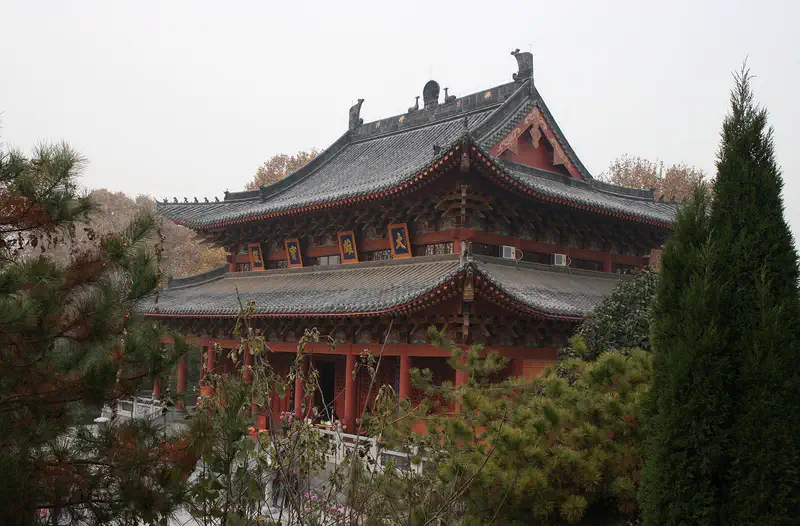
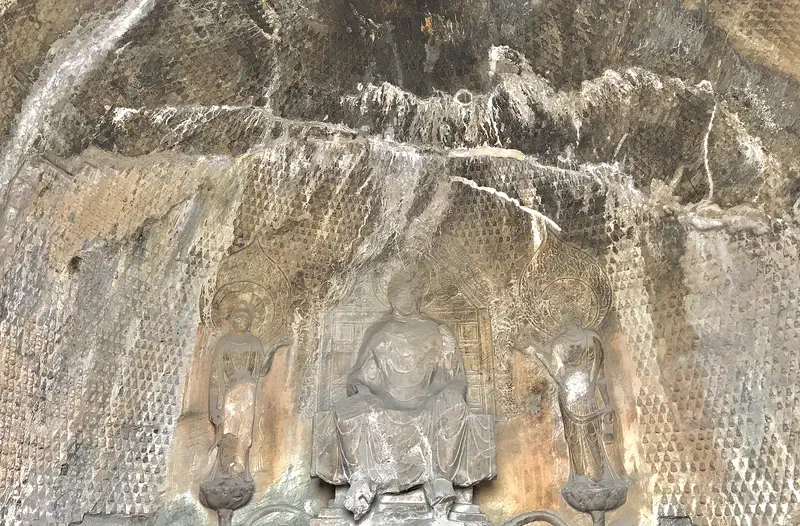
Luoyang, 40 minutes west by high-speed rail, is a separate base for the Longmen Grottoes (UNESCO), where 2,345 caves and niches contain over 100,000 Buddhist carvings from the Northern Wei to the Tang dynasty. The largest figure, the Vairocana Buddha, is 17 metres tall and was patronised by Empress Wu Zetian.
The Yellow River Scenic Area, on Zhengzhou's northern edge, provides a view of one of the more peculiar geographical phenomena in China: the Yellow River, heavily silted and hemmed by levee banks, flowing above the level of the surrounding plain — a consequence of millennia of sediment deposition and engineering interventions that have made the river its own raised feature in the landscape.
What to see
- Henan Museum (one of China's premier provincial museums)
- Yellow River Scenic Area
- Shaolin Temple at Mt Song — half-day trip
- Erqi Memorial Tower (the city symbol)
What to eat
- Henan-style braised noodles (烩面)
- Stewed lamb soup with bread
Getting there
Zhengzhou Xinzheng (CGO) airport. Zhengzhou East HSR station: Beijing 2h 30m, Shanghai 4h, Xi'an 2h.
Getting around
Metro. Buses and tour-buses to Mt Song.
Where to stay
Near Zhengzhou East HSR for transport convenience.
We list neighbourhoods, not specific hotels — we don't endorse hotels.
When to go
April–May, September–October.
Budget guide (CNY per day)
| Backpacker | ¥240 |
| Mid-range | ¥520 |
| Comfortable | ¥1200 |
Nearby attractions
Day trips within 150 km
China Visit Guide
Mt Song
Mt Song 嵩山
UNESCO-listed sacred Daoist mountain in central Henan. The Shaolin Temple sits on the western (Shaoshi) slope.
≈ 65 km from Zhengzhou
Shaolin Temple 少林寺
Birthplace of Chan (Zen) Buddhism and Chinese martial arts. Active monastery and martial arts school 70 km east of Luoyang at Mt Song.
≈ 70 km from Zhengzhou
Other cities in Henan
- Anyang安阳
UNESCO-listed Yin Xu — the late Shang dynasty capital and the earliest Chinese writing site (oracle bones). One of the cradles of Chinese civilisation; an under-touristed essential for serious history travellers.
- Dengfeng登封
County-level city at the foot of Songshan, home to the Shaolin Temple and the UNESCO-listed Historic Monuments of Dengfeng — the most concentrated gathering of ancient Chinese ceremonial and educational architecture on a single mountain.
- Kaifeng开封
Former Northern Song capital (960–1127), 70 km east of Zhengzhou. Reconstructed Song-dynasty themed old town, the Iron Pagoda, and the night market — one of the country's oldest.
- Luoyang洛阳
Ancient capital of 13 dynasties, on the Luo River. Longmen Grottoes (UNESCO), White Horse Temple (the first Buddhist temple in China), and the Peony Festival in April.
Itineraries visiting Zhengzhou
Food of Central China
- Chairman Mao's Red-Braised Pork毛氏红烧肉
Hunan-style slow-braised pork belly in soy, Shaoxing wine and chilli — the dish Mao Zedong reportedly ate weekly in Zhongnanhai.
- Doupi (Wuhan Tofu Skin)豆皮
Wuhan breakfast: layered pan-fried tofu skin and rice cake with mushroom, ham and bamboo shoots inside.
- Fish Head with Chopped Chilli剁椒鱼头
A whole silver carp head blanketed with fermented chopped red chilli and steamed until the flesh is silky and fiery.
- Hunan Chilli Fried Pork小炒肉
Thin-sliced pork belly wok-fried with fresh long green chillies and fermented black beans — Hunan's most-ordered everyday dish.
Zhengzhou weather by month
| Month | Jan | Feb | Mar | Apr | May | Jun | Jul | Aug | Sep | Oct | Nov | Dec |
|---|---|---|---|---|---|---|---|---|---|---|---|---|
| High °C | 7 | 11 | 18 | 22 | 29 | 33 | 33 | 31 | 28 | 21 | 15 | 8 |
| Low °C | -2 | 0 | 6 | 11 | 17 | 23 | 24 | 23 | 19 | 12 | 6 | -1 |
| Rain mm | 17 | 18 | 15 | 35 | 42 | 81 | 182 | 170 | 107 | 50 | 23 | 15 |
| Rain days | 4 | 4 | 3 | 5 | 4 | 7 | 12 | 13 | 8 | 8 | 3 | 2 |
2019–2023 average via Open-Meteo ERA5 (ERA5 reanalysis). "Rain days" = days per month with ≥1 mm precipitation.
Frequently asked questions
- When is the best time to visit Zhengzhou?
- The best months to visit Zhengzhou are April, May, September, and October. April–May, September–October.
- How many days do you need in Zhengzhou?
- Plan 2 days for Zhengzhou if you want to see the headline sights without rushing — Henan Museum (one of China's premier provincial museums), Yellow River Scenic Area, Shaolin Temple at Mt Song. Add an extra day for day trips from the city or for repeat visits to your favourite neighbourhood.
- How do you get around Zhengzhou?
- Metro. Buses and tour-buses to Mt Song.
- What's the daily budget for Zhengzhou?
- Budget guide for Zhengzhou: backpackers from around ¥240/day, mid-range travellers ¥520/day, comfortable trips from ¥1200/day. These ranges cover accommodation, food, local transport and one paid sight per day, and exclude flights to and from the city.
- Where should you stay in Zhengzhou?
- Near Zhengzhou East HSR for transport convenience.
Spotted something out of date? Submit a correction.
Research
Cross-checked against primary sources
Verified
Address, hours, fees confirmed at the date shown
Updated
Re-verified periodically; corrections welcome