CITY · JIANGXI
Nanchang
南昌 · Nánchāng
Overview
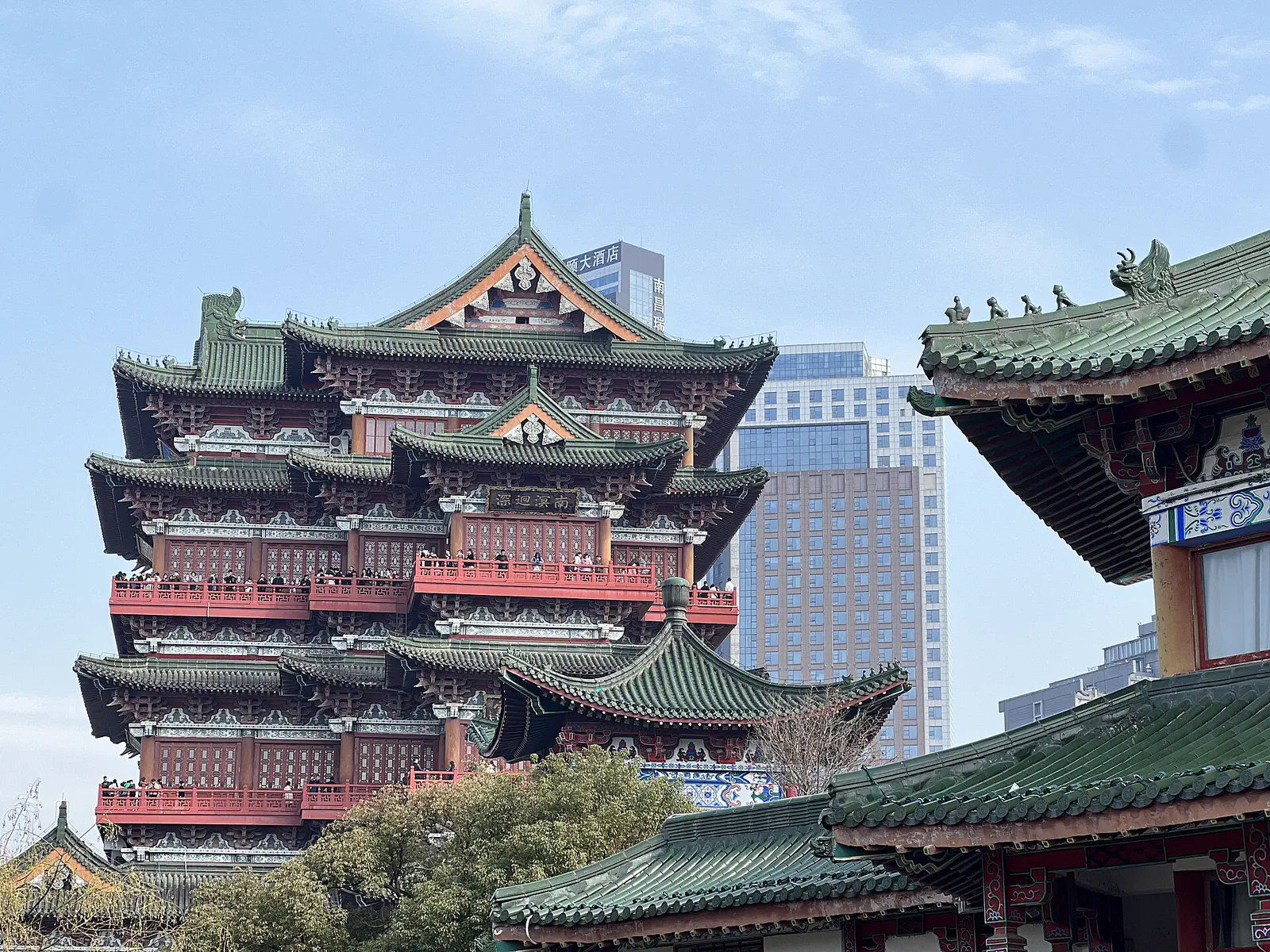
Capital of Jiangxi, on the Gan River. Tengwang Pavilion (one of the Three Great Towers of the South), Jingdezhen porcelain town within reach, and Mt Lu's Buddhist heritage.
Nanchang is the capital of Jiangxi province, a city on the Gan River with a layered historical identity: it is simultaneously one of the great literary cities of the Tang dynasty, the symbolic birthplace of the People's Liberation Army, and the nearest city to two of China's outstanding day-trip destinations.
The Tengwang Pavilion (Tengwang Ge) is the anchor. The original pavilion was built in 653 CE by a prince of the Tang imperial family and became famous when the scholar Wang Bo wrote a celebrated prose-poem describing the view over the Gan River from its upper galleries. The poem — with its famous closing lines about how a true hero keeps ambition intact despite misfortune — became one of the most-quoted pieces of Tang literature. The current pavilion is a large-scale reconstruction (the historical structure was burned and rebuilt more than twenty times), but it is architecturally accomplished and the river view that inspired Wang Bo is still there.
Bayi Square, the large ceremonial square in the centre of the city, and the August 1 Uprising Museum commemorate 1 August 1927, when Communist forces under Zhu De and Zhou Enlai launched an uprising in Nanchang that is officially marked as the founding moment of the People's Liberation Army. The PLA's formal birthday — 1 August — is observed nationally; in Nanchang the event has particular local significance.
The city's museums and parks are pleasant without being exceptional. The more rewarding use of time in Nanchang is as a base for its surroundings. Jingdezhen, 90 minutes east by high-speed rail, has been the porcelain capital of China for over a thousand years. The clay and mineral conditions of the Jingdezhen basin supported the development of blue-and-white, famille rose, and other canonical porcelain traditions that defined what the world understood as 'China' in the material sense. Contemporary Jingdezhen has a large colony of ceramic artists and designers alongside the historical kiln heritage, making it one of the more interesting manufacturing-town visits in the country.
Mt Lu (Lushan, UNESCO World Heritage), two hours north by bus or taxi, is a forested mountain retreat with a dense heritage: a base for Buddhist monasteries, summer residence of foreign missionaries and colonial-era figures, and the location of two significant political conferences in PRC history. The landscape is dramatic — mist-shrouded granite peaks, waterfalls, and winding stone paths — and best appreciated over a night on the mountain rather than as a rushed day trip.
What to see
- Tengwang Pavilion
- Bayi Square and the August 1 Uprising Museum
- Jingdezhen (porcelain capital) — day trip
- Mt Lu (UNESCO) — overnight
What to eat
- Jiangxi-style spicy fish
- Lai Xiao mei lao chicken
Getting there
Nanchang Changbei (KHN) airport. Nanchang West HSR: Shanghai 4h, Wuhan 1h 30m.
Getting around
Metro.
Where to stay
Around Bayi Square / the Tengwang Pavilion area.
We list neighbourhoods, not specific hotels — we don't endorse hotels.
When to go
March–April, October–November.
Budget guide (CNY per day)
| Backpacker | ¥220 |
| Mid-range | ¥480 |
| Comfortable | ¥1100 |
Nearby attractions
Other cities in Jiangxi
- Jingdezhen景德镇
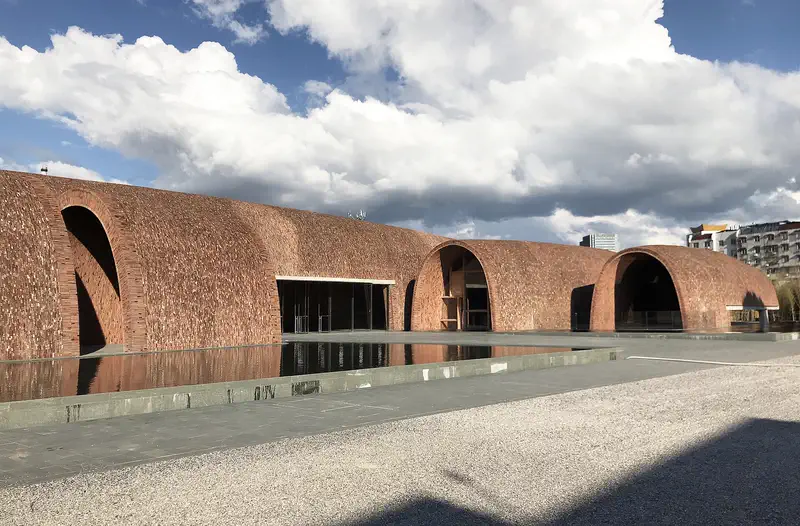
China's porcelain capital for a thousand years — blue and white porcelain, celadon, famille rose and contemporary ceramic art. The Ceramic Museum, the Imperial Kiln ruins and hundreds of working studios make Jingdezhen the only city in China organised almost entirely around a single craft.
- Jiujiang九江
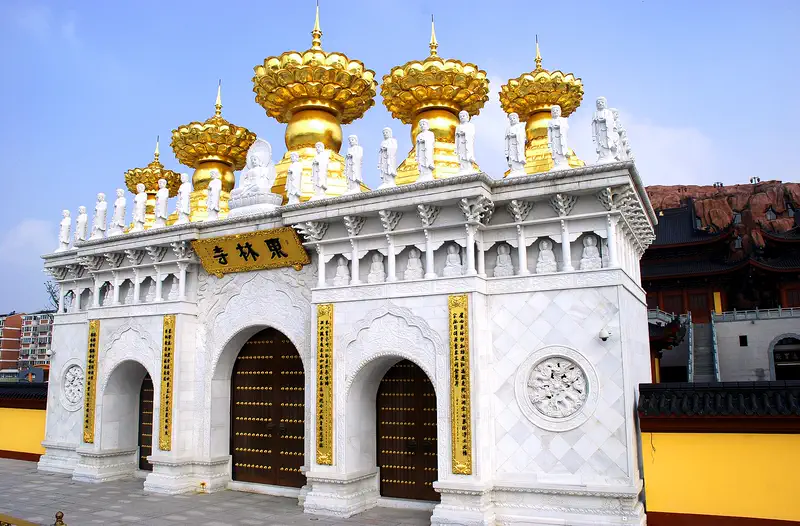
Yangtze River port city in northern Jiangxi, long a gateway to Lushan mountain resort and a transit hub between the river and the interior; home to Gantang Lake and the well-preserved Donglin Temple complex on the Lushan approach.
- Lushan庐山
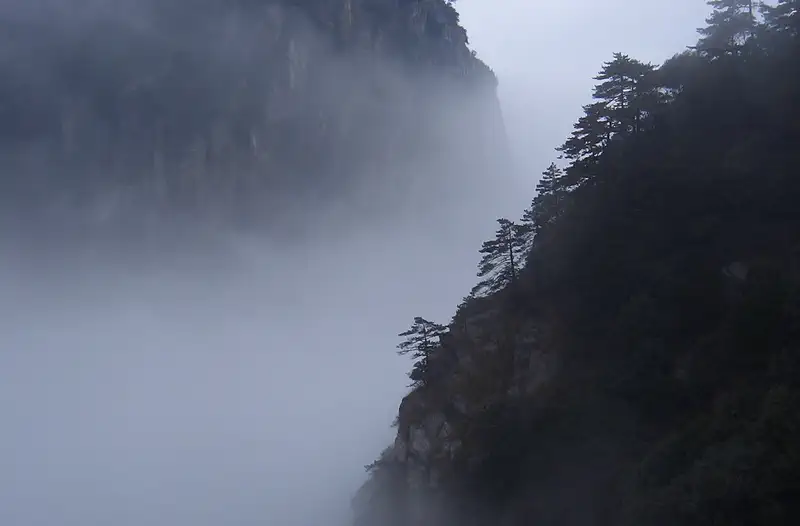
UNESCO World Heritage mountain in Jiangxi above Poyang Lake, celebrated in Chinese landscape painting and poetry for two thousand years. The Republic-era hill resort of Guling at the summit has British, American and German villas; waterfalls and granite scenery cover the mountain.
- Wuyuan婺源
Rural county in northeast Jiangxi described as the most beautiful village in China — a debatable claim, but the concentration of Huizhou-style whitewashed villages in a landscape of rapeseed flowers, covered bridges and terraced fields is genuinely distinctive.
Itineraries visiting Nanchang
Food of Central China
- Chairman Mao's Red-Braised Pork毛氏红烧肉
Hunan-style slow-braised pork belly in soy, Shaoxing wine and chilli — the dish Mao Zedong reportedly ate weekly in Zhongnanhai.
- Doupi (Wuhan Tofu Skin)豆皮
Wuhan breakfast: layered pan-fried tofu skin and rice cake with mushroom, ham and bamboo shoots inside.
- Fish Head with Chopped Chilli剁椒鱼头
A whole silver carp head blanketed with fermented chopped red chilli and steamed until the flesh is silky and fiery.
- Hunan Chilli Fried Pork小炒肉
Thin-sliced pork belly wok-fried with fresh long green chillies and fermented black beans — Hunan's most-ordered everyday dish.
Nanchang weather by month
| Month | Jan | Feb | Mar | Apr | May | Jun | Jul | Aug | Sep | Oct | Nov | Dec |
|---|---|---|---|---|---|---|---|---|---|---|---|---|
| High °C | 11 | 13 | 19 | 23 | 27 | 30 | 33 | 34 | 31 | 25 | 20 | 13 |
| Low °C | 4 | 6 | 11 | 15 | 20 | 24 | 27 | 27 | 23 | 17 | 12 | 5 |
| Rain mm | 88 | 112 | 179 | 178 | 208 | 333 | 226 | 87 | 51 | 24 | 73 | 32 |
| Rain days | 11 | 15 | 16 | 15 | 17 | 20 | 16 | 11 | 6 | 6 | 8 | 6 |
2019–2023 average via Open-Meteo ERA5 (ERA5 reanalysis). "Rain days" = days per month with ≥1 mm precipitation.
Frequently asked questions
- When is the best time to visit Nanchang?
- The best months to visit Nanchang are March, April, October, and November. March–April, October–November.
- How many days do you need in Nanchang?
- Plan 2 days for Nanchang if you want to see the headline sights without rushing — Tengwang Pavilion, Bayi Square and the August 1 Uprising Museum, Jingdezhen (porcelain capital). Add an extra day for day trips from the city or for repeat visits to your favourite neighbourhood.
- How do you get around Nanchang?
- Metro.
- What's the daily budget for Nanchang?
- Budget guide for Nanchang: backpackers from around ¥220/day, mid-range travellers ¥480/day, comfortable trips from ¥1100/day. These ranges cover accommodation, food, local transport and one paid sight per day, and exclude flights to and from the city.
- Where should you stay in Nanchang?
- Around Bayi Square / the Tengwang Pavilion area.
Spotted something out of date? Submit a correction.
Research
Cross-checked against primary sources
Verified
Address, hours, fees confirmed at the date shown
Updated
Re-verified periodically; corrections welcome