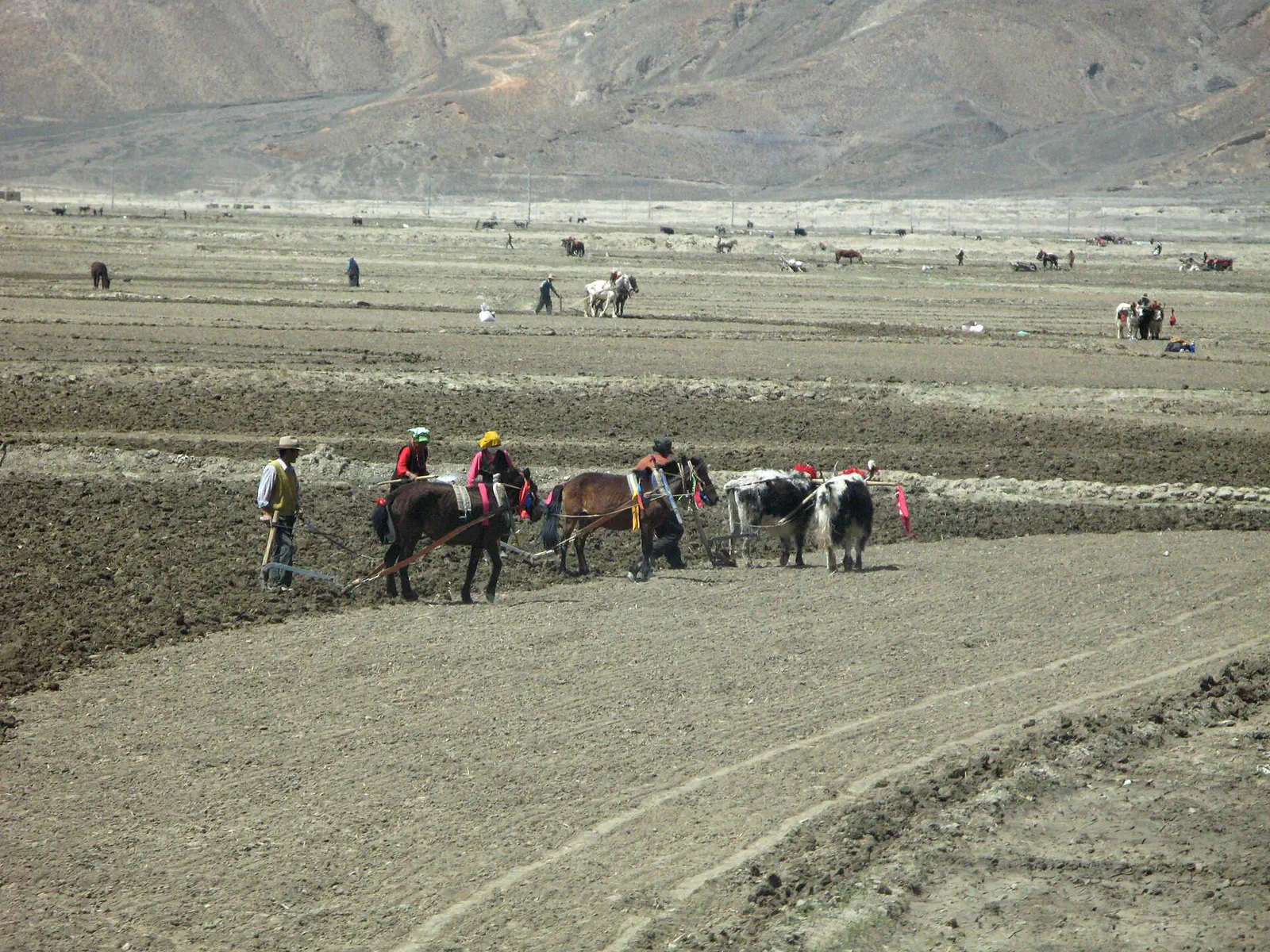
CITY · TIBET AUTONOMOUS REGION
Shigatse
日喀则 · Rìkāzé
Overview
Tibet's second city at 3,845m, the seat of the Panchen Lama and home to Tashilhunpo Monastery. Standard inclusion in Lhasa-area Tibet Travel Permit itineraries.
Shigatse (Tibetan: Shigatse; Chinese: Rìkāzé) sits 280 km southwest of Lhasa at the confluence of the Yarlung Tsangpo and Nyangchu rivers, at 3,845 metres — nearly 200 metres higher than Lhasa. Tibet's second city and historically the seat of the Panchen Lama from the 17th century onward, it remains the religious and administrative centre of Tsang province, the western half of central Tibet.
Tashilhunpo Monastery, founded in 1447 by Gendun Drup (later recognised as the 1st Dalai Lama) and the seat of successive Panchen Lamas since the 17th century, is the largest functioning Gelugpa monastery complex in Tibet. The monastery's gilded chortens, assembly halls and college buildings spread across a hillside and are the city's defining sight. A large maitreya (future Buddha) statue housed in its own building and a courtyard used for cham dance performances are among the monastery's particular features.
The Sakya Monastery, 130 km southwest, is the institutional centre of the Sakya school of Tibetan Buddhism and preserves a library of 84,000 scrolls said to be the most complete collection of Tibetan Buddhist texts outside the major temples.
All visits require the Tibet Travel Permit and a licensed-agency tour. Standard 4–7 day Lhasa-region itineraries include one or two nights in Shigatse. The Friendship Highway west from Shigatse leads toward the Nepal border at Gyirong, passing the Everest Base Camp access road.
What to see
- Tashilhunpo Monastery — seat of the Panchen Lama
- Shigatse Old Town and the daily Tibetan market
- Sakya Monastery (130 km southwest)
- Mt Everest Base Camp expedition launch (4-day extension)
What to eat
- Tibetan momos and thukpa noodle soup
- Yak butter tea
- Tsampa (roasted barley flour)
Getting there
Shigatse Peace (RKZ) airport — limited flights. Standard road from Lhasa as part of agency itinerary (5-6 hours).
Getting around
Walking + tour vehicle.
Where to stay
Hotels licensed for foreign guests near Tashilhunpo.
We list neighbourhoods, not specific hotels — we don't endorse hotels.
When to go
April–June, September–October.
Budget guide (CNY per day)
| Backpacker | ¥400 |
| Mid-range | ¥800 |
| Comfortable | ¥1700 |
Safety notes
Tibet Travel Permit and licensed-agency tour mandatory. Altitude 3,845m — most visitors arrive having already acclimatised at Lhasa (3,656m). Confirm current permit rules with your agency before flights.
Nearby attractions
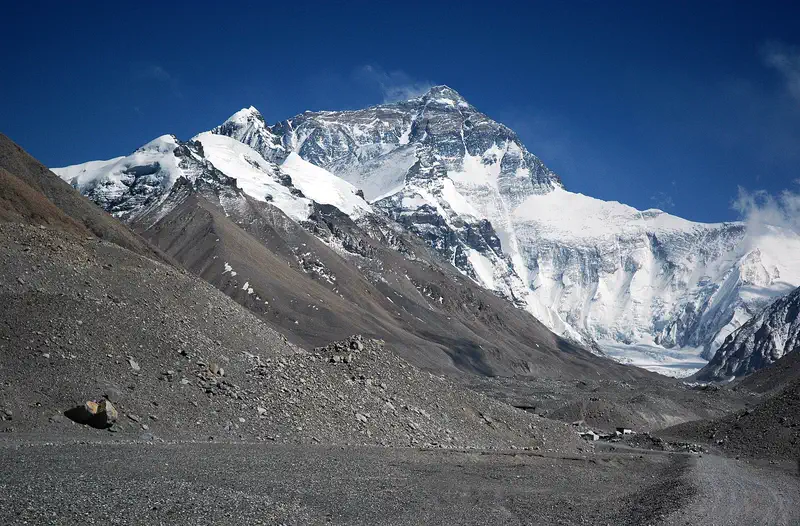
Rongbuk Monastery 绒布寺
The highest monastery in the world at 4,980 m, situated at the head of the Rongbuk Valley on the north side of Mount Everest, providing what is widely regarded as the finest close view of the mountain accessible by road.
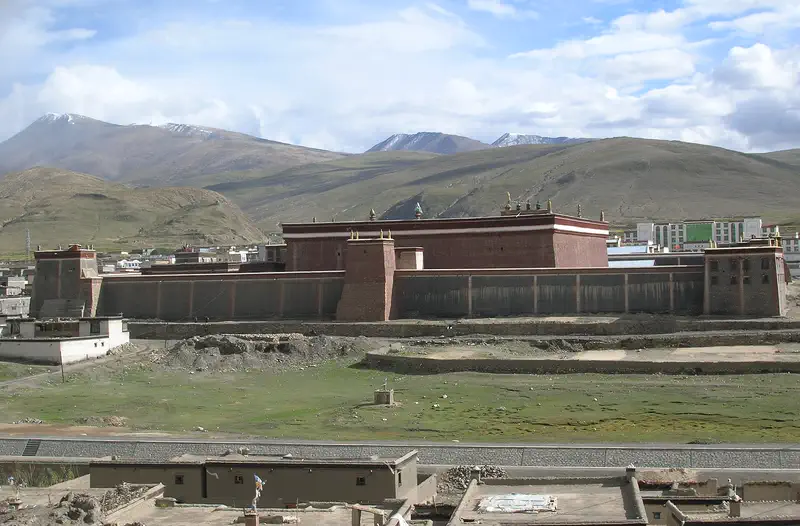
Sakya Monastery 萨迦寺
The principal monastery of the Sakya school of Tibetan Buddhism, founded in 1073 and containing a legendary library of over 84,000 manuscript scrolls alongside extraordinary medieval murals and statues.
China Visit Guide
Tashilhunpo Monastery
Tashilhunpo Monastery 扎什伦布寺
The seat of the Panchen Lama in Shigatse, 280 km west of Lhasa. The largest functioning Gelugpa monastery in Tibet today.
Day trips within 150 km
Other cities in Tibet Autonomous Region
- Gyantse江孜
Historic Tibetan town at 4,040m on the Lhasa-Shigatse road. Pelkor Chode Monastery and the 9-tiered Kumbum Stupa are the Tibet route's photographic centrepiece.
- Lhasa拉萨
Capital of Tibet Autonomous Region, on the Yarlung Tsangpo plateau at 3,656m. Potala Palace, Jokhang Temple, the Barkhor pilgrimage circuit. Independent travel is restricted; Tibet Travel Permit required.
- Nyingchi林芝
Eastern Tibet Autonomous Region at 2,900m — substantially lower elevation than Lhasa. Forested rather than alpine; the Yarlung Tsangpo Grand Canyon and substantial March peach-blossom tourism.
Food of Southwestern China
- Baba Flatbread粑粑
Yunnan's daily flatbread — a thick wheat or rice-flour round cooked on a griddle and eaten plain or stuffed.
- Bang Bang Chicken棒棒鸡
Cold poached chicken shredded by hand, dressed in chilli oil, sesame paste and Sichuan peppercorn.
- Boiled Fish in Chilli Oil水煮鱼
Fish slices submerged in a deep pool of chilli oil and Sichuan peppercorns. Served bubbling.
- Chongqing Hotpot重庆火锅
The original mala hotpot — a simmering cauldron of beef tallow, Pixian doubanjiang and Sichuan peppercorn for communal dipping.
Shigatse weather by month
| Month | Jan | Feb | Mar | Apr | May | Jun | Jul | Aug | Sep | Oct | Nov | Dec |
|---|---|---|---|---|---|---|---|---|---|---|---|---|
| High °C | 6 | 8 | 12 | 16 | 20 | 24 | 22 | 21 | 20 | 17 | 12 | 8 |
| Low °C | -7 | -6 | -3 | 1 | 5 | 9 | 11 | 10 | 8 | 3 | -2 | -5 |
| Rain mm | 1 | 3 | 3 | 8 | 38 | 46 | 144 | 120 | 63 | 5 | 0 | 2 |
| Rain days | 0 | 1 | 1 | 3 | 9 | 10 | 22 | 18 | 14 | 2 | 0 | 0 |
2019–2023 average via Open-Meteo ERA5 (ERA5 reanalysis). "Rain days" = days per month with ≥1 mm precipitation.
Frequently asked questions
- When is the best time to visit Shigatse?
- The best months to visit Shigatse are April, May, June, September, and October. April–June, September–October.
- How many days do you need in Shigatse?
- Plan 2 days for Shigatse if you want to see the headline sights without rushing — Tashilhunpo Monastery, Shigatse Old Town and the daily Tibetan market, Sakya Monastery (130 km southwest). Add an extra day for day trips from the city or for repeat visits to your favourite neighbourhood.
- Is Shigatse safe for tourists?
- Tibet Travel Permit and licensed-agency tour mandatory. Altitude 3,845m — most visitors arrive having already acclimatised at Lhasa (3,656m). Confirm current permit rules with your agency before flights.
- How do you get around Shigatse?
- Walking + tour vehicle.
- What's the daily budget for Shigatse?
- Budget guide for Shigatse: backpackers from around ¥400/day, mid-range travellers ¥800/day, comfortable trips from ¥1700/day. These ranges cover accommodation, food, local transport and one paid sight per day, and exclude flights to and from the city.
- Where should you stay in Shigatse?
- Hotels licensed for foreign guests near Tashilhunpo.
Spotted something out of date? Submit a correction.
Research
Cross-checked against primary sources
Verified
Address, hours, fees confirmed at the date shown
Updated
Re-verified periodically; corrections welcome