CITY · HONG KONG SAR
Hong Kong
香港 · Xiānggǎng
Overview
Special Administrative Region on the Pearl River Delta. Separate currency (HKD), separate visa rules, separate plug type (G), separate legal system. Skyline, hiking, dim sum and Peak Tram.
Hong Kong is a Special Administrative Region of the People's Republic of China, with its own currency (Hong Kong Dollar, HKD), its own immigration and customs system, its own legal system under the Basic Law, and Type G power sockets (the same as the UK and Ireland). Crossing between Hong Kong and the mainland is treated as an international border crossing — mainland Chinese visa requirements do not apply, and most nationalities enter visa-free for 90 days.
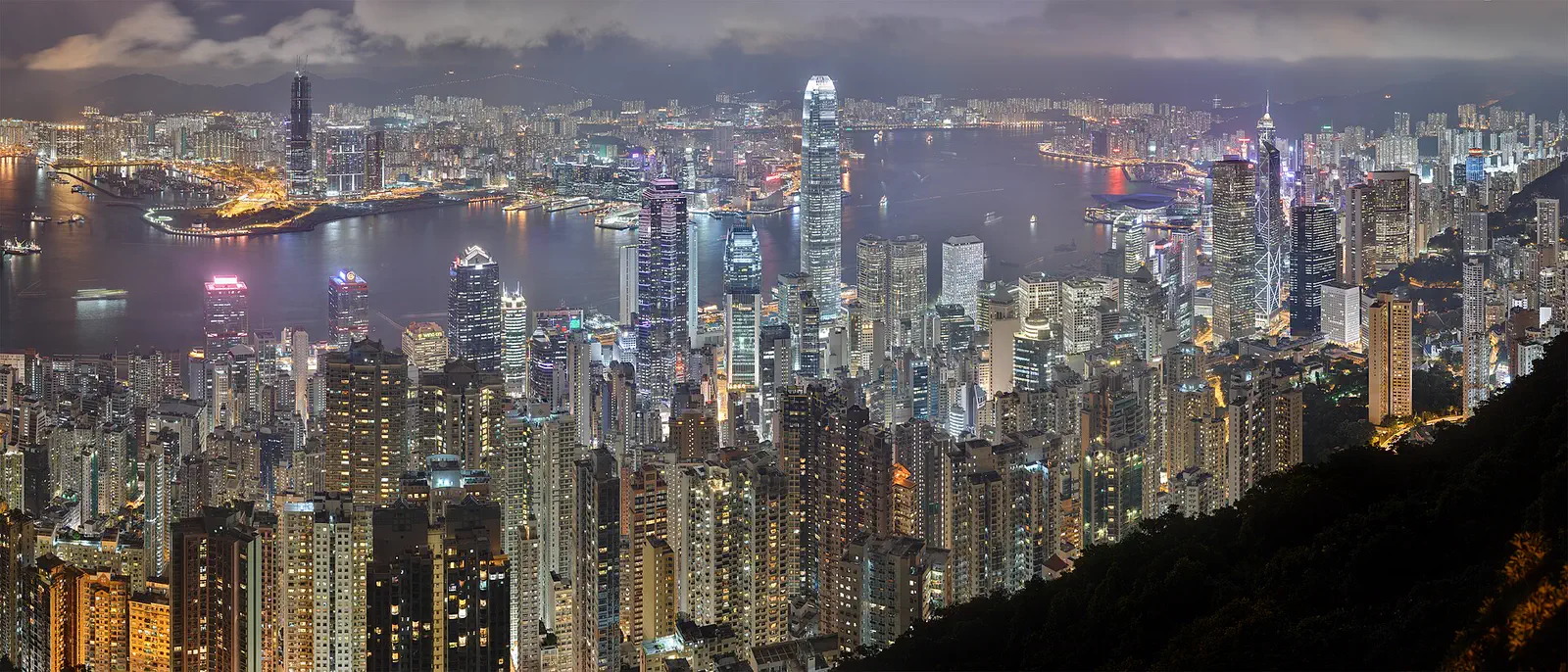
The territory consists of Hong Kong Island, Kowloon, the New Territories and 263 outlying islands, covering 1,114 km². Victoria Harbour, between Hong Kong Island's north shore and the Kowloon peninsula, is the iconic central vista. The north shore packs some of the world's densest vertical architecture up the slopes of Victoria Peak — but 70% of the territory's land area is protected country park. Trails like Dragon's Back on Hong Kong Island, Lion Rock in Kowloon and the 100 km MacLehose Trail in the New Territories run through mature forest, granite ridgelines and coastline.
For visitors, the practical advantages are substantial: extensive English signage, a metro (MTR) that is reliable, air-conditioned and fast, an Octopus card usable across all forms of public transport (plus 7-Eleven and supermarkets), and a press freedom that until recently made Hong Kong's English-language media the most useful in Asia. The culinary culture is the most concentrated expression of Cantonese cooking anywhere: yum cha dim sum as a daily institution, roast-meat shops by the block, congee and wonton noodle shops on every lane.
Day trips to Lantau (Tian Tan Big Buddha, Tai O fishing village), Lamma Island (seafood restaurants) and Cheung Chau (beaches, bun festival) are 30–45 minutes by ferry.
Cultural & access notes
Cantonese is the dominant local language; English is universally understood; Mandarin (Putonghua) is widely understood but less commonly spoken. Tipping is not expected; restaurants add a 10% service charge. Octopus cards work for almost everything (transport, 7-Eleven, vending machines).
What to see
- Victoria Peak (the Peak Tram)
- Star Ferry across Victoria Harbour
- Tsim Sha Tsui Promenade and Avenue of Stars
- Tian Tan Big Buddha and Po Lin Monastery (Lantau)
- Lan Kwai Fong and SoHo (Central nightlife)
- Wong Tai Sin Temple
- Dragon's Back hike (3 hours)
- Mong Kok markets (Ladies' Market, Goldfish Market, Flower Market)
- Sham Shui Po — Apliu Street electronics, Kowloon street life
- Day trip to Cheung Chau or Lamma Island
What to eat
- Dim sum (Lin Heung, Tim Ho Wan, Lung King Heen) — yum cha is a daily ritual
- Roast goose at Yat Lok or Yung Kee
- Cha chaan teng (Hong Kong-style cafes) — milk tea, pineapple bun, macaroni in soup
- Wonton noodles at Mak's Noodle or Tsim Chai Kee
- Egg waffles and pineapple buns from street stalls
- Cantonese seafood at Lei Yue Mun or on Lamma Island
Getting there
Hong Kong International Airport (HKG) on Lantau, 35 km — Airport Express to Hong Kong Station in 24 minutes (HK$110). Hong Kong West Kowloon HSR station connects to mainland: Shenzhen 14 min, Guangzhou 47 min, Beijing 9h. Cross-border buses, the Lo Wu metro crossing into Shenzhen, and ferries to Macau and Pearl River Delta destinations.
Getting around
MTR (metro) is the spine — 11 lines, English signage, ¥4–¥60 per trip; pay by Octopus or contactless credit card. Star Ferry between Central and Tsim Sha Tsui (HK$5). Trams on Hong Kong Island's north shore. Buses for the Peak and outlying areas. Walking is feasible in Central, Tsim Sha Tsui and Causeway Bay.
Where to stay
Central / Sheung Wan for the financial/heritage centre. Tsim Sha Tsui for the harbour view. Causeway Bay for shopping. Sai Kung for fishing-village atmosphere. Lantau Tung Chung near the airport and the Big Buddha.
We list neighbourhoods, not specific hotels — we don't endorse hotels.
When to go
October–early December and March are the comfortable windows. Summer is hot, humid and prone to typhoons (June–September). Winter (December–February) is mild but can be grey.
Budget guide (CNY per day)
| Backpacker | ¥700 |
| Mid-range | ¥1500 |
| Comfortable | ¥4000 |
Safety notes
Hong Kong is among the safest major cities globally. Standard urban precautions. Crossing into the mainland (Lo Wu, Lok Ma Chau, Futian, Shenzhen Bay) requires the appropriate Chinese visa or visa-free entitlement; Hong Kong visa or visa-free status does NOT cover the mainland.
Nearby attractions
China Visit Guide
Hong Kong Disneyland
Hong Kong Disneyland 香港迪士尼乐园
Hong Kong Disneyland — the smaller of the two Chinese Disney parks but with classic-Disney charm. On Lantau.
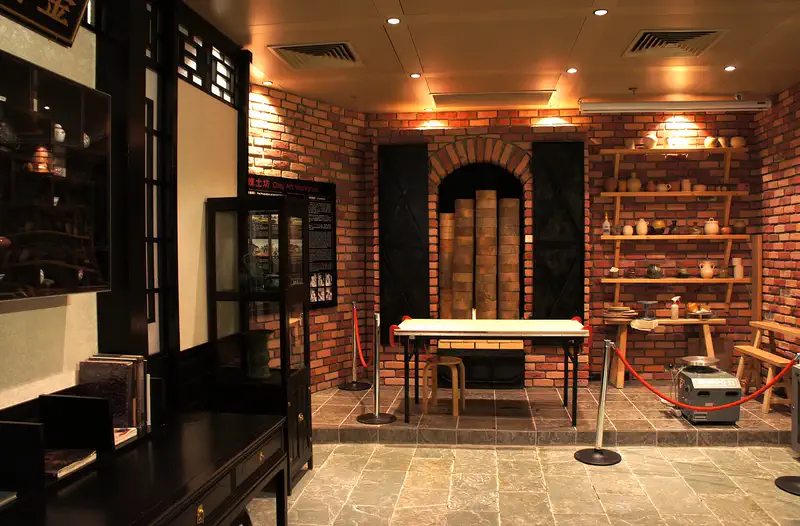
Hong Kong Museum of Art 香港艺术馆
Hong Kong's premier art museum on the Tsim Sha Tsui waterfront. Strong Chinese painting and contemporary HK art collections.
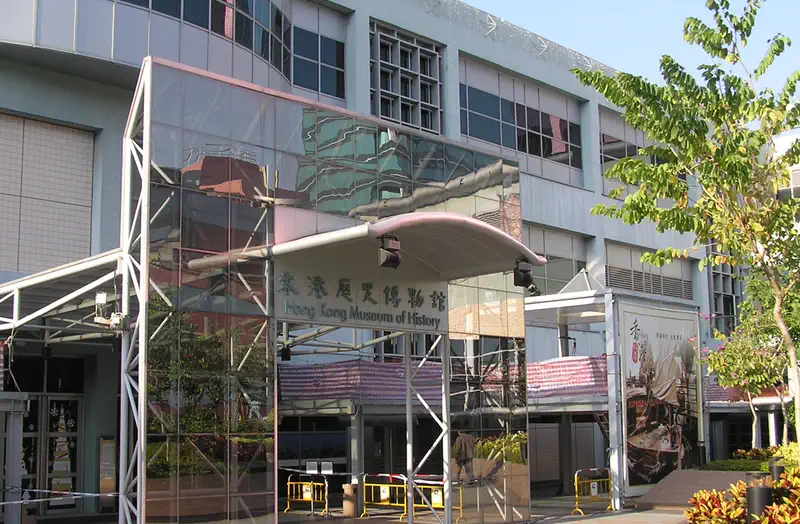
Hong Kong Museum of History 香港历史博物馆
Comprehensive museum of Hong Kong's history from prehistoric to the 1997 handover. Free entry.
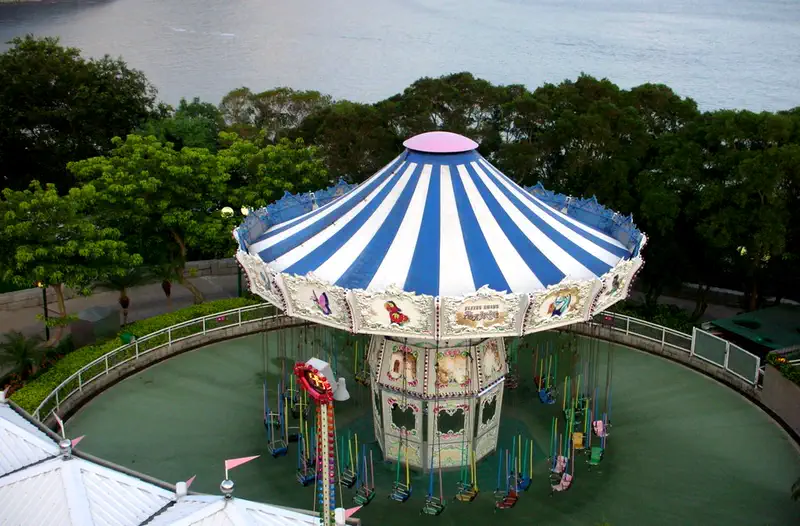
Hong Kong Ocean Park 海洋公园
Older theme park on the south side of Hong Kong Island. Marine animals, mountain-and-coast roller coasters, a panda enclosure.
China Visit Guide
Lantau Trail
Lantau Trail 凤凰径
70 km circular trail around Lantau Island. Crosses Lantau Peak (934m) and Sunset Peak. 4–5 days at a leisurely pace.
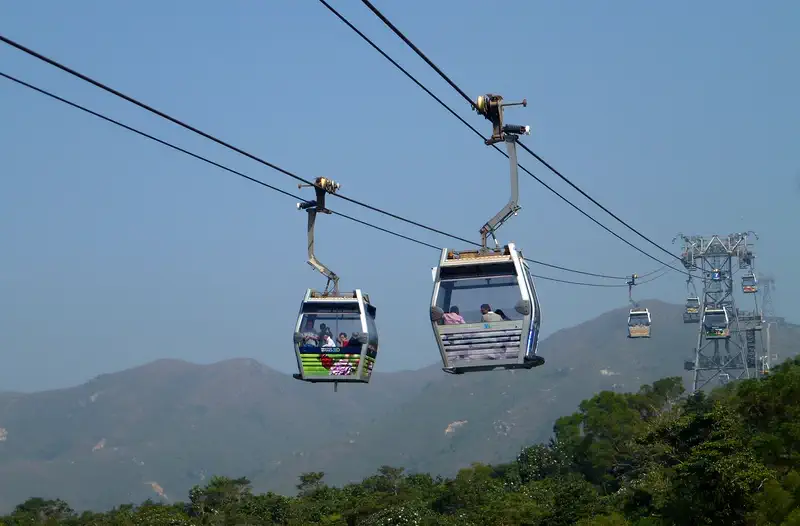
Ngong Ping 360 昂坪360
Cable car from Tung Chung to the Big Buddha plateau. 5.7 km, 25-minute ride; crystal-floor option.
China Visit Guide
Stanley Market
Stanley Market 赤柱市集
Open-air market on Hong Kong Island's southern coast. Souvenirs, art, casual restaurants on the waterfront promenade.
China Visit Guide
Temple Street Night Market
Temple Street Night Market 庙街夜市
Hong Kong's most famous night market, in Yau Ma Tei. Dim sum, hot pot, fortune-tellers, knock-off goods.
See all 12 Hong Kong attractions →
Day trips within 150 km
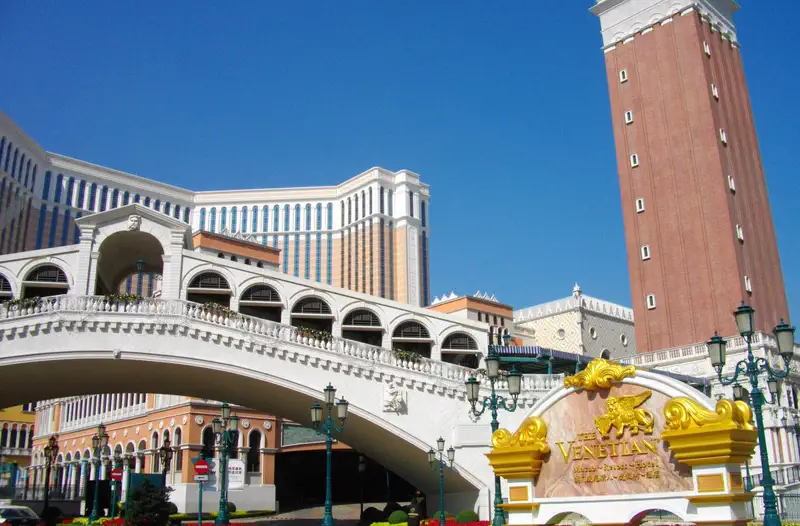
The Venetian Macau 威尼斯人
The world's largest casino by floor area. Mock-Italian streetscape with gondolas on canals; 3,000-room resort hotel.
≈ 65 km from Hong Kong
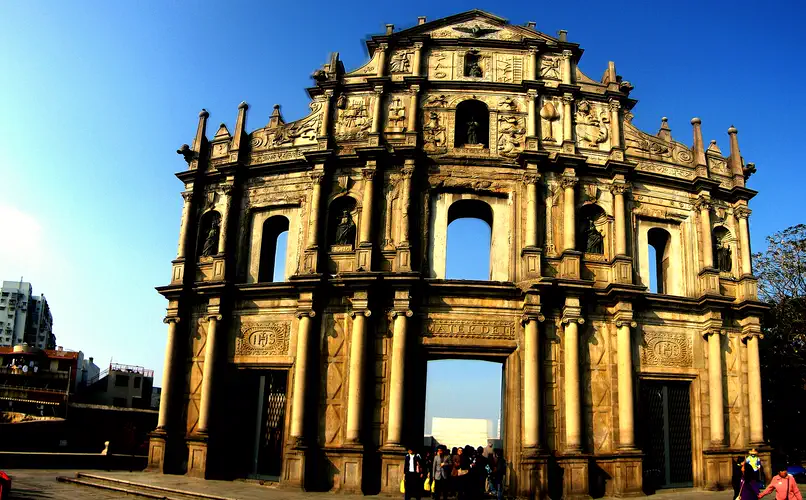
Ruins of St Paul's 大三巴牌坊
Façade of a 17th-century Jesuit cathedral, destroyed by fire in 1835. The most-photographed image of Macau, at the heart of the UNESCO historic centre.
≈ 65 km from Hong Kong
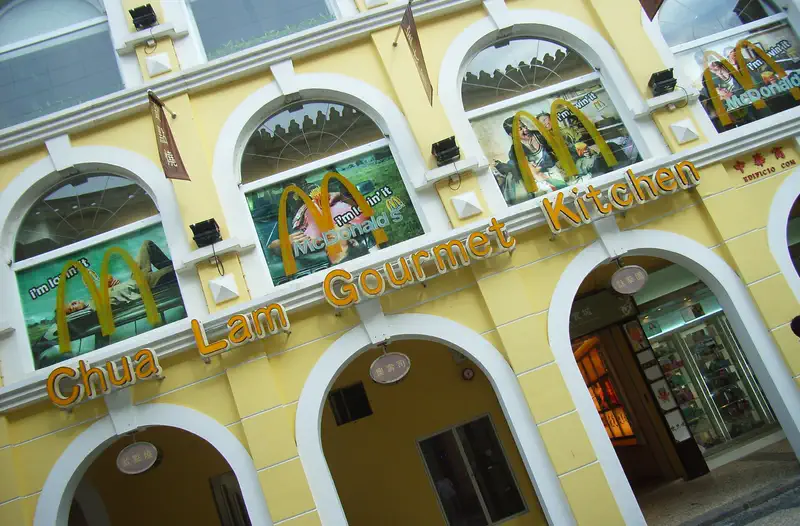
Senado Square 议事亭前地
Central pedestrian square paved in Portuguese mosaic stonework, surrounded by colonial-era public buildings. UNESCO-listed.
≈ 65 km from Hong Kong
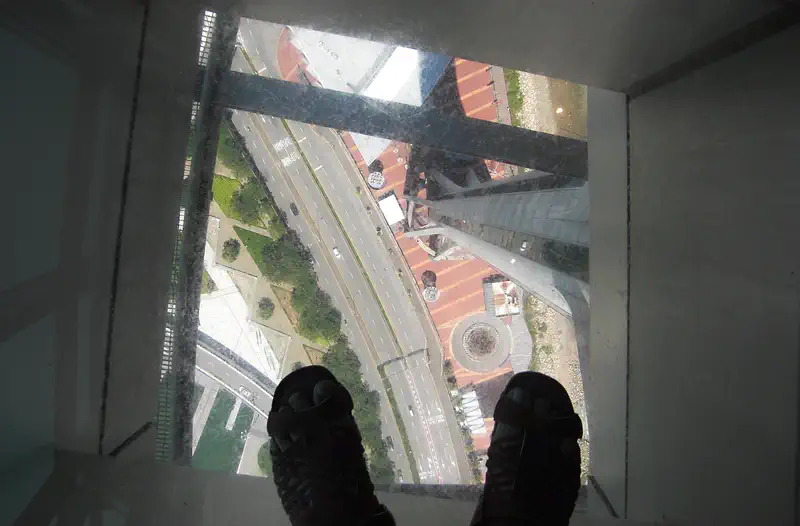
Macau Tower 澳门旅游塔
338m sightseeing tower in central Macau. Bungee jump (the world's highest commercial), Skywalk, observation deck.
≈ 65 km from Hong Kong
More on Hong Kong
Travelling with children?
Hong Kong has family-friendly attractions, accessible transport, and good medical facilities. Our guide covers what works and what to prepare for.
China with kids: family travel guide →Living here?
We have a dedicated expat guide covering cost of living, neighbourhoods, international schools, hospitals, and community life in Hong Kong.
Hong Kong expat living guide →Itineraries visiting Hong Kong
- Hong Kong + Macau weekend — 4 days
4d · Two days Hong Kong, one full day Macau, return.
- Guangzhou–Hong Kong–Macau triangle in 5 days
5d · Two days in Guangzhou's ancestral halls and food streets, two in Hong Kong, one in Macau.
- South China — Hong Kong, Guangzhou, Yangshuo and Guilin, 10 days
10d · Ten days through the south: Hong Kong as the entry point, Guangzhou for Cantonese food culture, then the karst river landscape of Yangshuo and Guilin before flying home.
Food of Special Administrative Region
Hong Kong weather by month
| Month | Jan | Feb | Mar | Apr | May | Jun | Jul | Aug | Sep | Oct | Nov | Dec |
|---|---|---|---|---|---|---|---|---|---|---|---|---|
| High °C | 19 | 20 | 23 | 25 | 27 | 29 | 30 | 30 | 30 | 27 | 25 | 20 |
| Low °C | 14 | 15 | 18 | 20 | 24 | 26 | 27 | 26 | 25 | 22 | 19 | 14 |
| Rain mm | 17 | 70 | 108 | 114 | 298 | 348 | 285 | 386 | 293 | 231 | 66 | 27 |
| Rain days | 5 | 8 | 15 | 16 | 24 | 29 | 27 | 27 | 22 | 12 | 5 | 4 |
2019–2023 average via Open-Meteo ERA5 (ERA5 reanalysis). "Rain days" = days per month with ≥1 mm precipitation.
Frequently asked questions
- When is the best time to visit Hong Kong?
- The best months to visit Hong Kong are October, November, December, and March. October–early December and March are the comfortable windows. Summer is hot, humid and prone to typhoons (June–September).
- How many days do you need in Hong Kong?
- Plan 4 to 5 days for Hong Kong if you want to see the headline sights without rushing — Victoria Peak (the Peak Tram), Star Ferry across Victoria Harbour, Tsim Sha Tsui Promenade and Avenue of Stars. Add an extra day for day trips from the city or for repeat visits to your favourite neighbourhood.
- Is Hong Kong safe for tourists?
- Hong Kong is among the safest major cities globally. Standard urban precautions. Crossing into the mainland (Lo Wu, Lok Ma Chau, Futian, Shenzhen Bay) requires the appropriate Chinese visa or visa-free entitlement; Hong Kong visa or visa-free status does NOT cover the mainland.
- How do you get around Hong Kong?
- MTR (metro) is the spine — 11 lines, English signage, ¥4–¥60 per trip; pay by Octopus or contactless credit card. Star Ferry between Central and Tsim Sha Tsui (HK$5). Trams on Hong Kong Island's north shore.
- What's the daily budget for Hong Kong?
- Budget guide for Hong Kong: backpackers from around ¥700/day, mid-range travellers ¥1500/day, comfortable trips from ¥4000/day. These ranges cover accommodation, food, local transport and one paid sight per day, and exclude flights to and from the city.
- Where should you stay in Hong Kong?
- Central / Sheung Wan for the financial/heritage centre. Tsim Sha Tsui for the harbour view. Causeway Bay for shopping.
Spotted something out of date? Submit a correction.
Research
Cross-checked against primary sources
Verified
Address, hours, fees confirmed at the date shown
Updated
Re-verified periodically; corrections welcome