3 days
Day 1: Chengdu — Wuhou Shrine, Jinli, panda research base early morning, hotpot dinner. Day 2: Leshan Giant Buddha + Mount Emei. Day 3: Dujiangyan + Qingcheng Mountain.
Province · Southwest China
四川省 · Sìchuān Shěng — capital Chengdu, sichuan / chuan (numbing-spicy with sichuan pepper, mapo tofu, kung pao chicken, dan dan noodles, dry-pot, hotpot).
History & character
Sichuan ("four rivers") covers the eastern half of what was historically a culturally distinct civilization area. The Sanxingdui bronze-mask culture (c. 1200 BCE) at Guanghan was as sophisticated as the contemporaneous Shang dynasty in Henan but stylistically completely different — eyes-on-stalks bronze masks unlike anything in the central-plain tradition.
The Sichuan Basin was historically the "land of plenty" — irrigated by the Dujiangyan (3rd century BCE, still functional, UNESCO listed), self-sufficient in grain, oil, and tea, walled off from the rest of China by mountains. It became the wartime stronghold of the Nationalist government in WWII and remains a major industrial and tech base — the Chengdu IT corridor produces over half of the world's iPads.
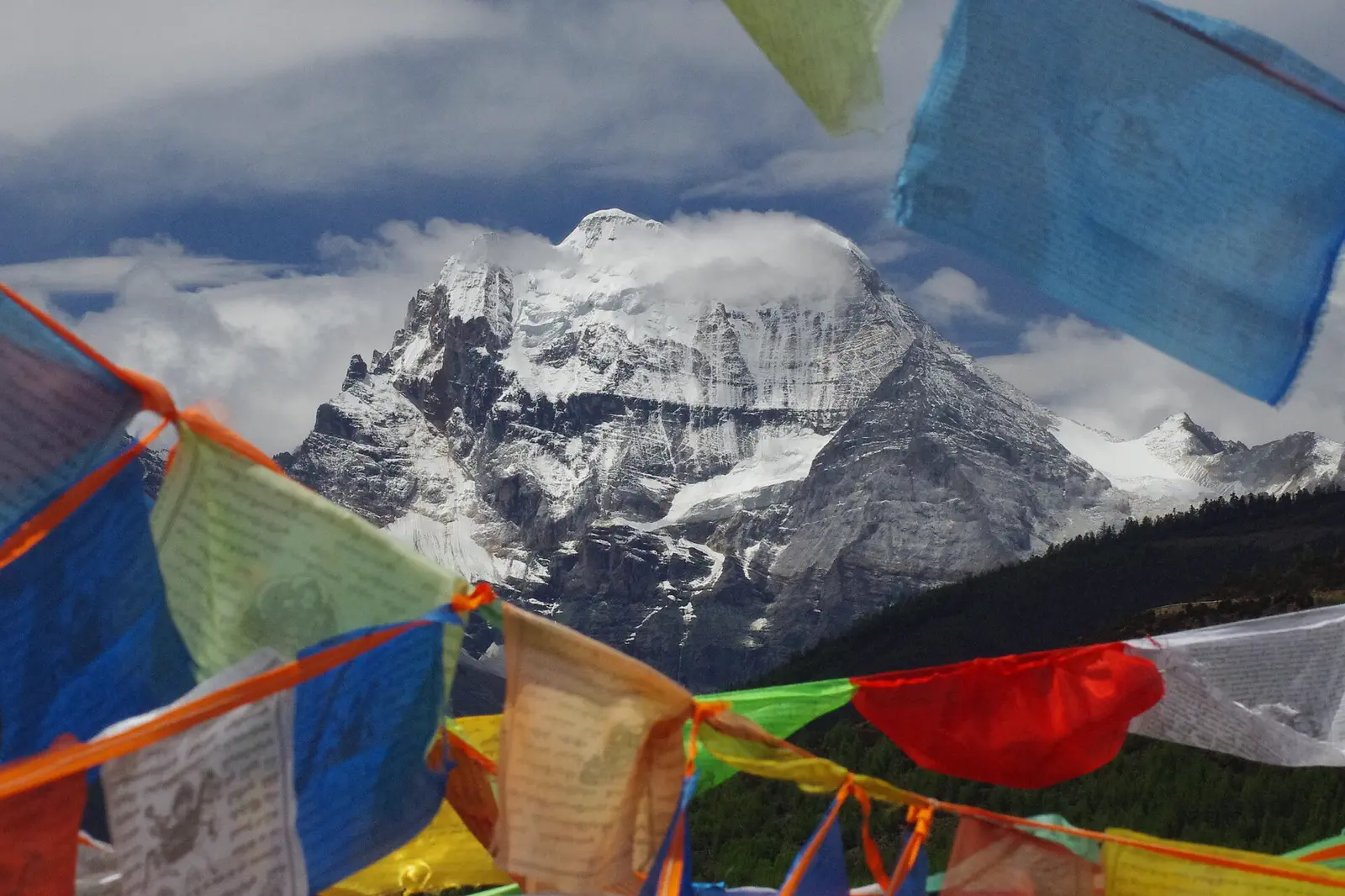
Western Sichuan transitions into the eastern Tibetan Plateau and Tibetan-cultural zones — Garze and Aba prefectures. Tibetan monasteries, alpine meadows, and high-altitude lakes (Jiuzhaigou, Huanglong, both UNESCO listed) draw visitors. The 2008 Wenchuan earthquake devastated parts of this region; reconstruction has been thorough and visible. Giant pandas concentrate around Wolong, Bifengxia, and Chengdu's research bases.
When to visit
April–early June and September–early November. Western Sichuan high country is best June–September. Avoid the rainy season (July–August in the basin).
How to get there
Chengdu Tianfu (TFU) and Shuangliu (CTU) are the major airports. HSR from Beijing 8h, Shanghai 11h, Xi'an 3h. Tibet rail starts from Chengdu (44h to Lhasa).
Key cities
All cities →Key attractions
All attractions →More cities in Sichuan
More attractions in Sichuan
Sample itineraries
Day 1: Chengdu — Wuhou Shrine, Jinli, panda research base early morning, hotpot dinner. Day 2: Leshan Giant Buddha + Mount Emei. Day 3: Dujiangyan + Qingcheng Mountain.
Add Jiuzhaigou + Huanglong (3 days), Sanxingdui Museum, Langzhong ancient town, Bifengxia panda base, plus optional eastern Tibet via Litang/Daocheng.
Dishes of Sichuan
Yunnan's daily flatbread — a thick wheat or rice-flour round cooked on a griddle and eaten plain or stuffed.
Cold poached chicken shredded by hand, dressed in chilli oil, sesame paste and Sichuan peppercorn.
Fish slices submerged in a deep pool of chilli oil and Sichuan peppercorns. Served bubbling.
The original mala hotpot — a simmering cauldron of beef tallow, Pixian doubanjiang and Sichuan peppercorn for communal dipping.
Chongqing's signature breakfast noodle — wheat noodles in a fierce chilli-oil-and-pepper soup.
Yunnan rice noodles in a hot oil-sealed broth, with raw and cooked toppings added at the table.
Itineraries touching Sichuan
5d · Two and a half days each: pandas and Leshan from Chengdu, Dazu rock carvings and hotpot from Chongqing.
5d · The ancient Sichuan-Tibet Tea-Horse Road from Chengdu through Ya'an, the Erlang Mountain pass, and the Tibetan gateway town of Kangding — a classic highland road journey.
7d · Seven days driving west from Chengdu into the Kham Tibetan highlands of Sichuan — Kangding, Litang and the sacred Yading Nature Reserve near Daocheng. No Tibet Autonomous Region permit required.
10d · China's four sacred Buddhist mountains in sequence: Wutai (Shanxi), Jiuhua (Anhui), Emei (Sichuan), and Putuo (Zhejiang) — each dedicated to a different bodhisattva.
Other Southwest China regions
Spotted something out of date? Submit a correction.
Research
Cross-checked against primary sources
Verified
Address, hours, fees confirmed at the date shown
Updated
Re-verified periodically; corrections welcome