A neutral practical reference
China for travellers and expats.
Practical reference for visiting and living in mainland China, Hong Kong, and Macau. Real numbers, real addresses, no booking funnels.
Independent · No paid placements · No affiliate links · Verified May 2026
Cities
Where to start

Beijing 北京
China's capital and political centre — imperial palaces, the Great Wall on its doorstep, hutong neighbourhoods, world-class museums, and the most thoroughly walkable historic core in the country.
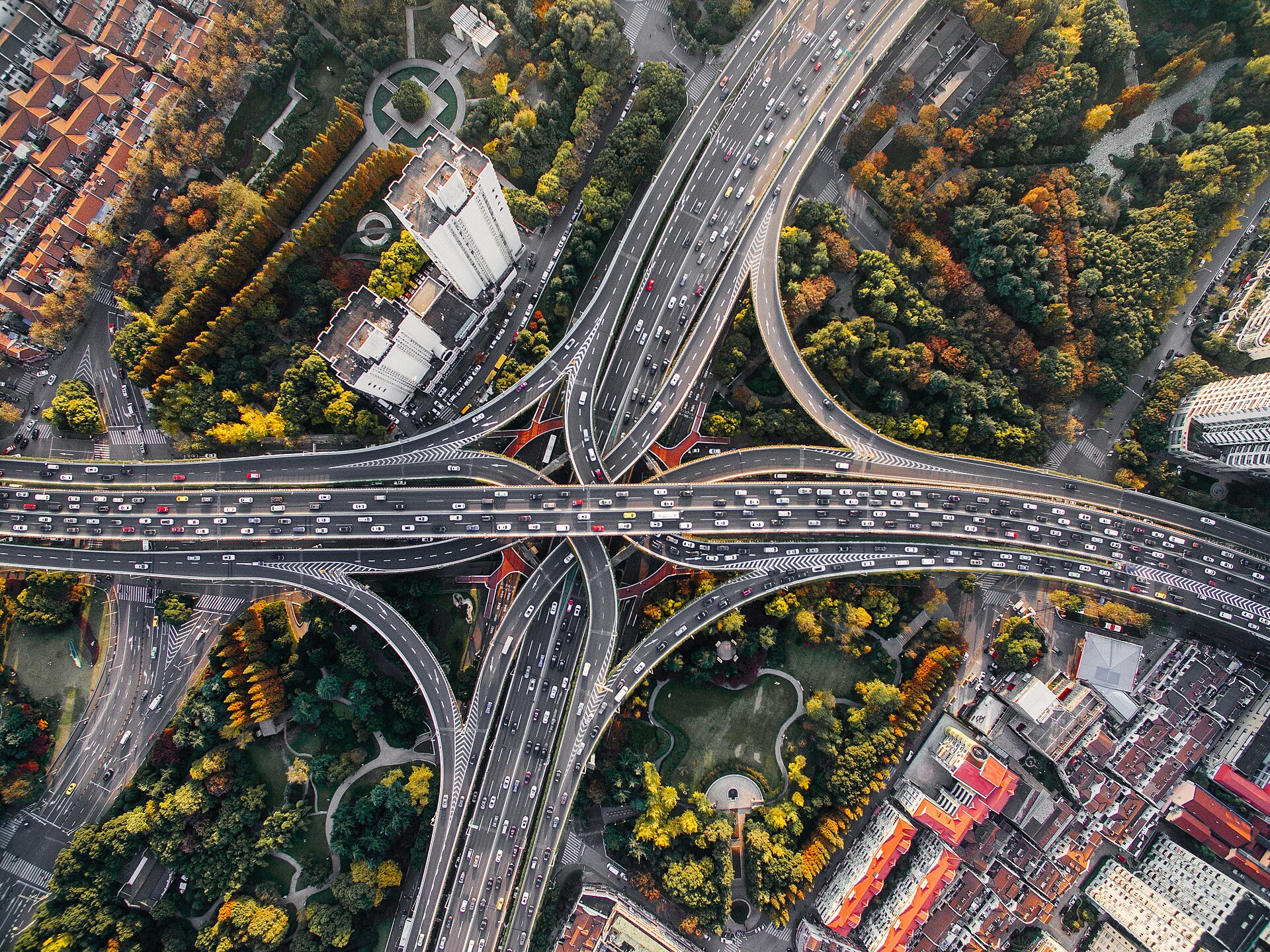
Shanghai 上海
China's commercial and financial centre — a riverside megacity that ran on European concession-era trade, then exploded into the skyline that defines modern China. Walkable, cosmopolitan and the easiest first stop for foreigners.
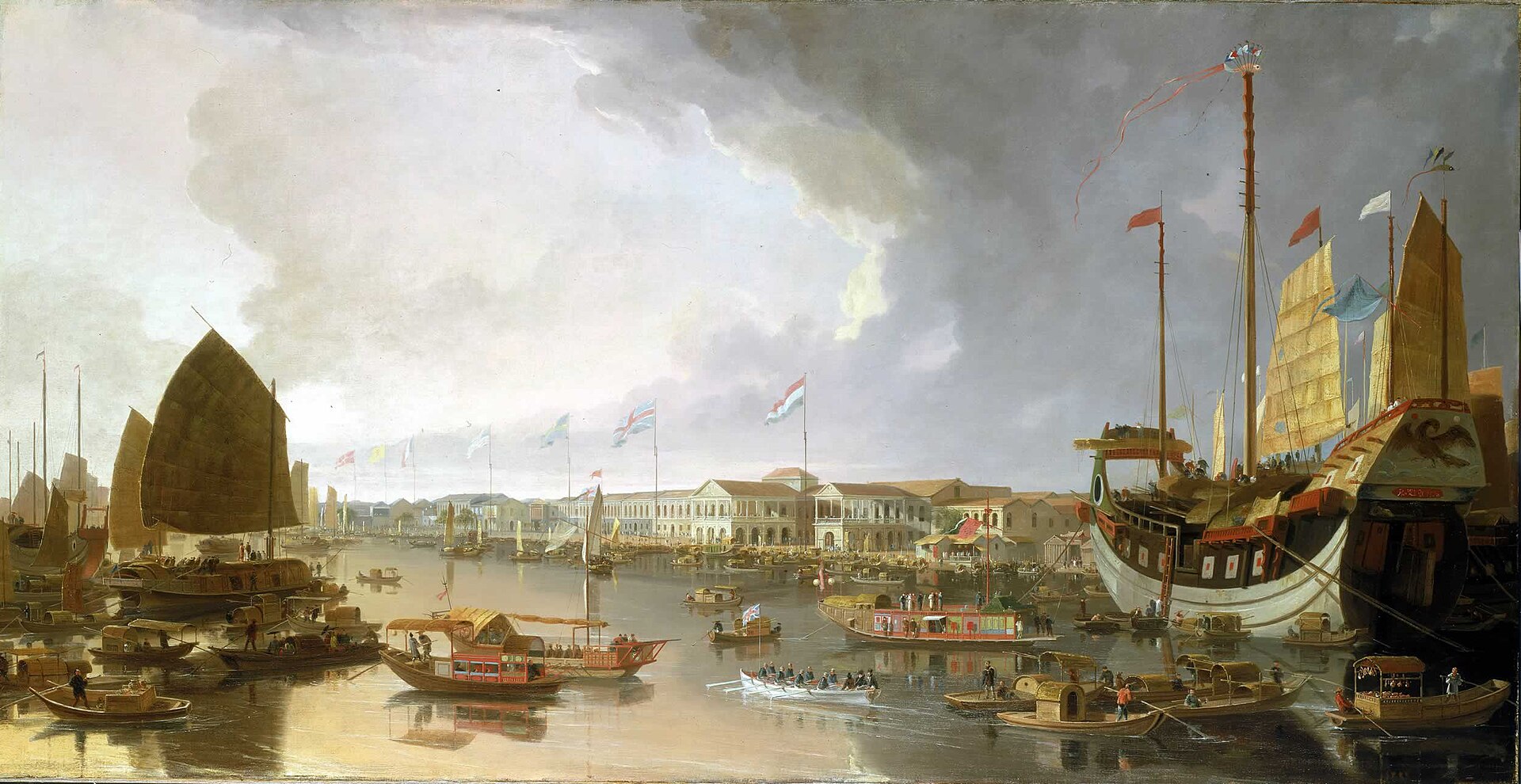
Guangzhou 广州
Capital of Guangdong, the historic southern trading port and the home of Cantonese cooking. The first Chinese city to industrialise, the centre of dim sum, and a working megacity less polished than Shanghai but with deeper food roots.
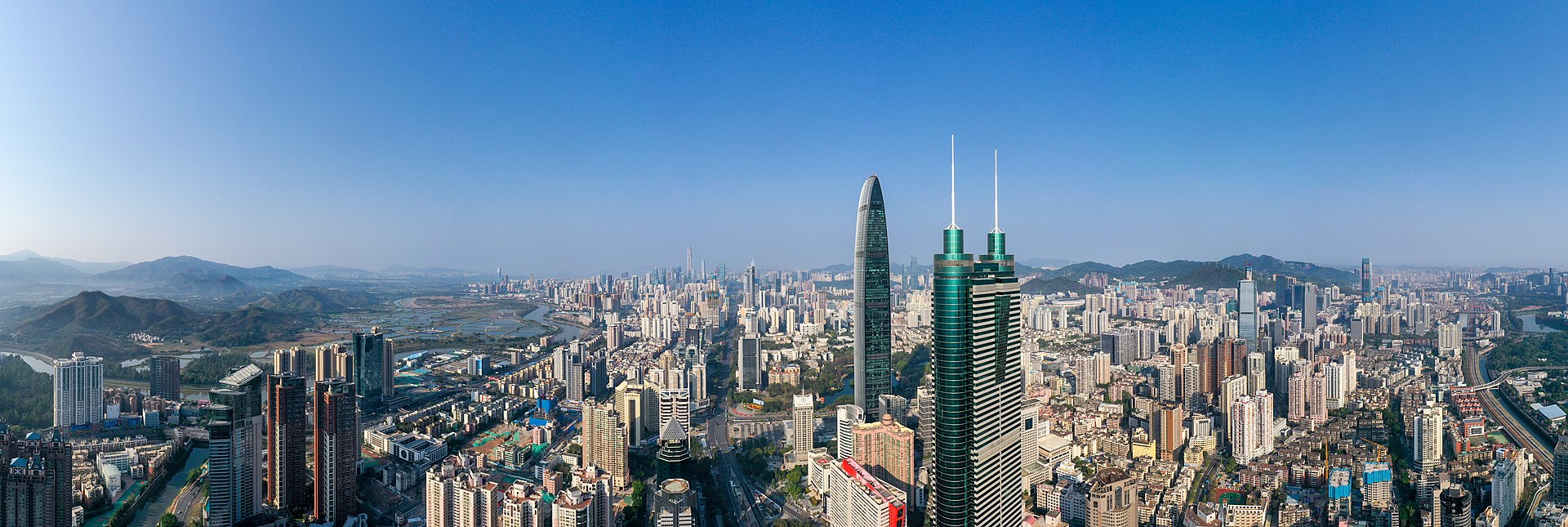
Shenzhen 深圳
Mainland China's youngest megacity, just over the Hong Kong border — the original Special Economic Zone, now home to Tencent, Huawei, DJI, BYD and a tech industry that powers most of what's in your pocket.
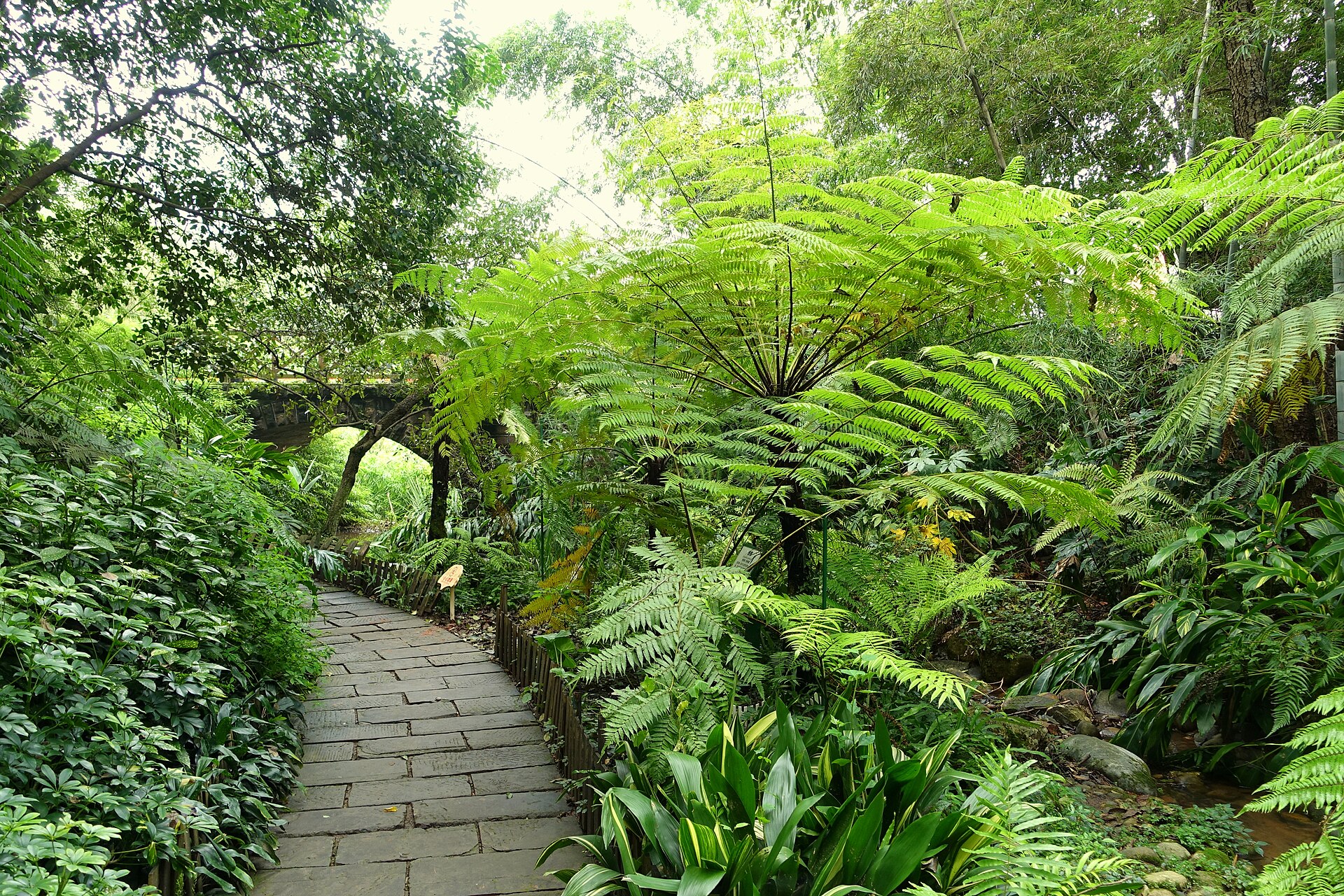
Chengdu 成都
Capital of Sichuan, the heart of Sichuan cooking and the panda capital of China. A relaxed teahouse-and-mahjong city with imperial sights, the Wuhou Shrine and the Giant Panda Breeding Base.
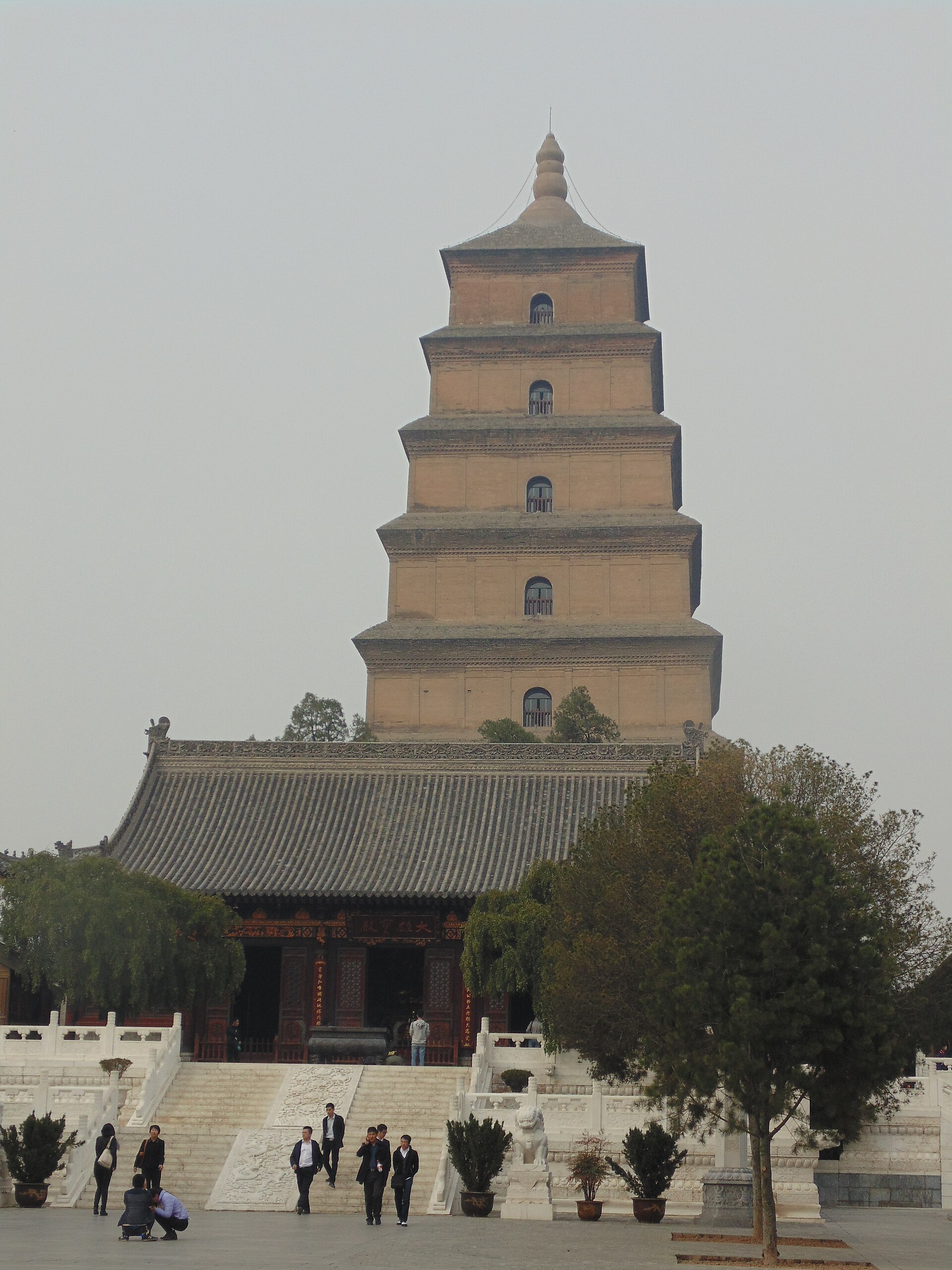
Xi'an 西安
Ancient Chang'an, capital of 13 dynasties including the Tang, eastern terminus of the Silk Road, gateway to the Terracotta Army, and the cultural heart of the Muslim Quarter.
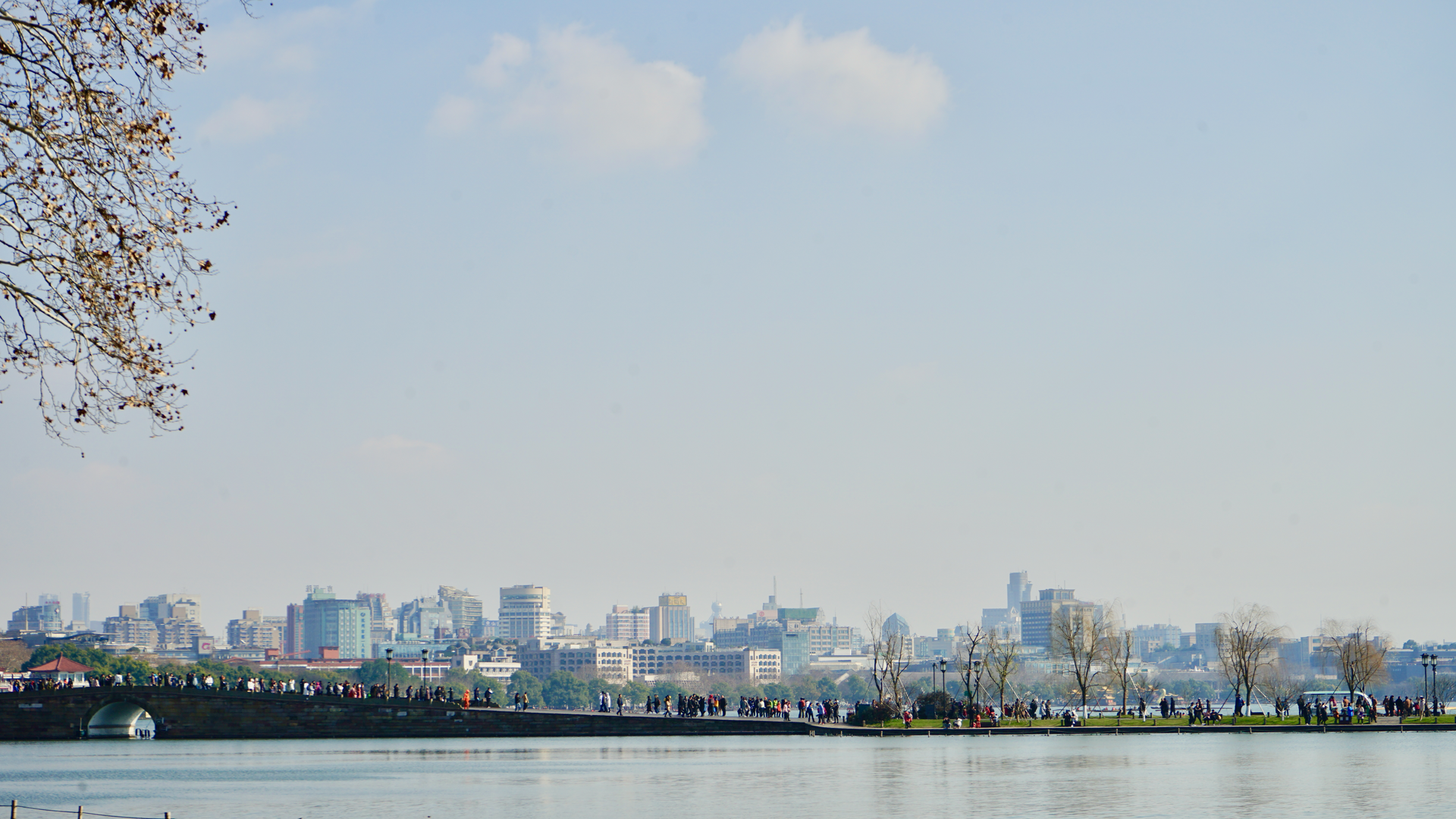
Hangzhou 杭州
West Lake city, ancient capital of the Southern Song dynasty and the home of Longjing tea. Marco Polo's 'Heaven on Earth' and now also the headquarters of Alibaba.
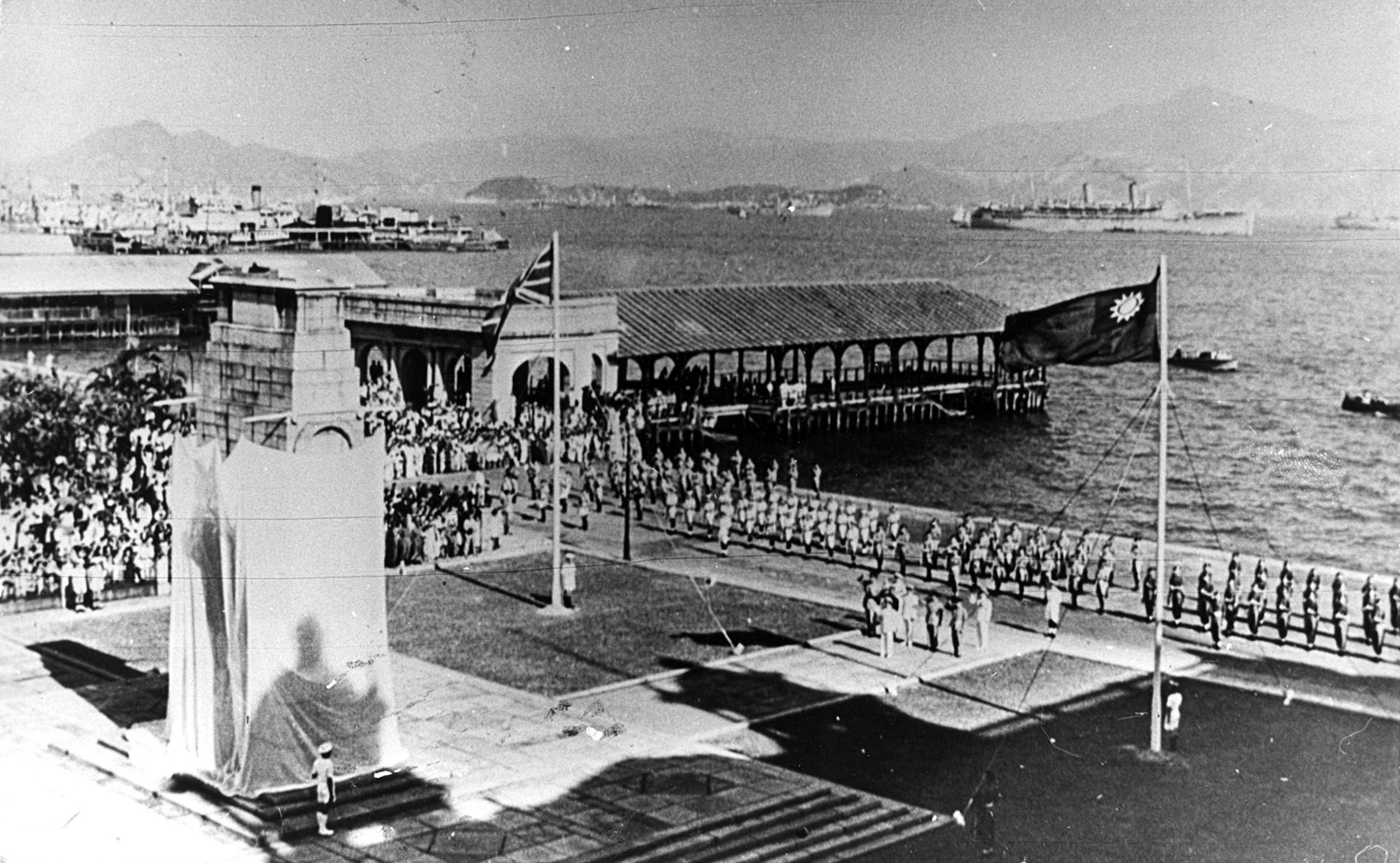
Hong Kong 香港
Special Administrative Region on the Pearl River Delta. Separate currency (HKD), separate visa rules, separate plug type (G), separate legal system. Skyline, hiking, dim sum and Peak Tram.
Attractions
You'll have heard of these
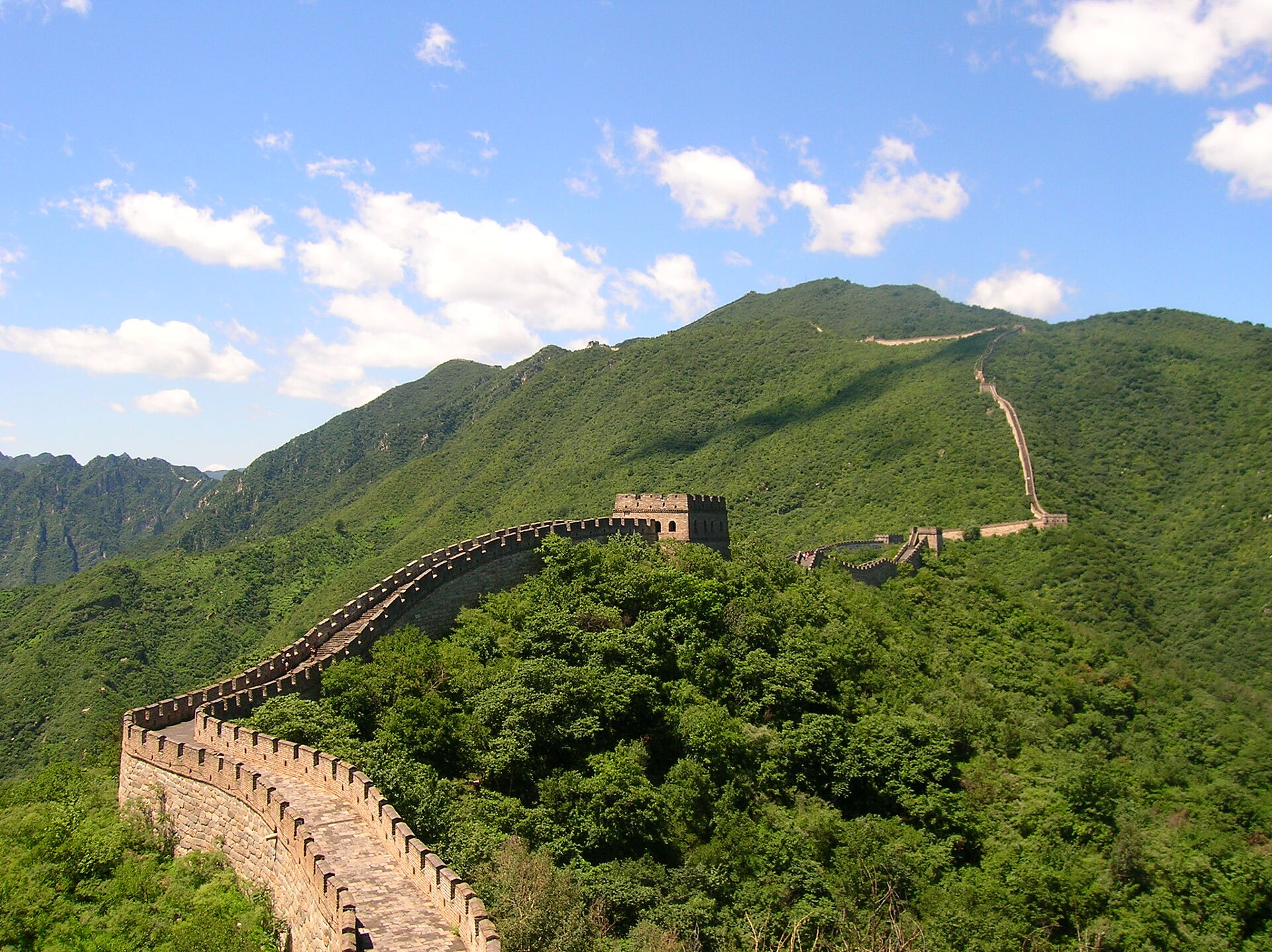
Great Wall — Mutianyu 慕田峪长城
The most accessible restored Great Wall section from Beijing, with cable car, watchtowers and a toboggan ride down. Less crowded than Badaling, more polished than the wilder sections.
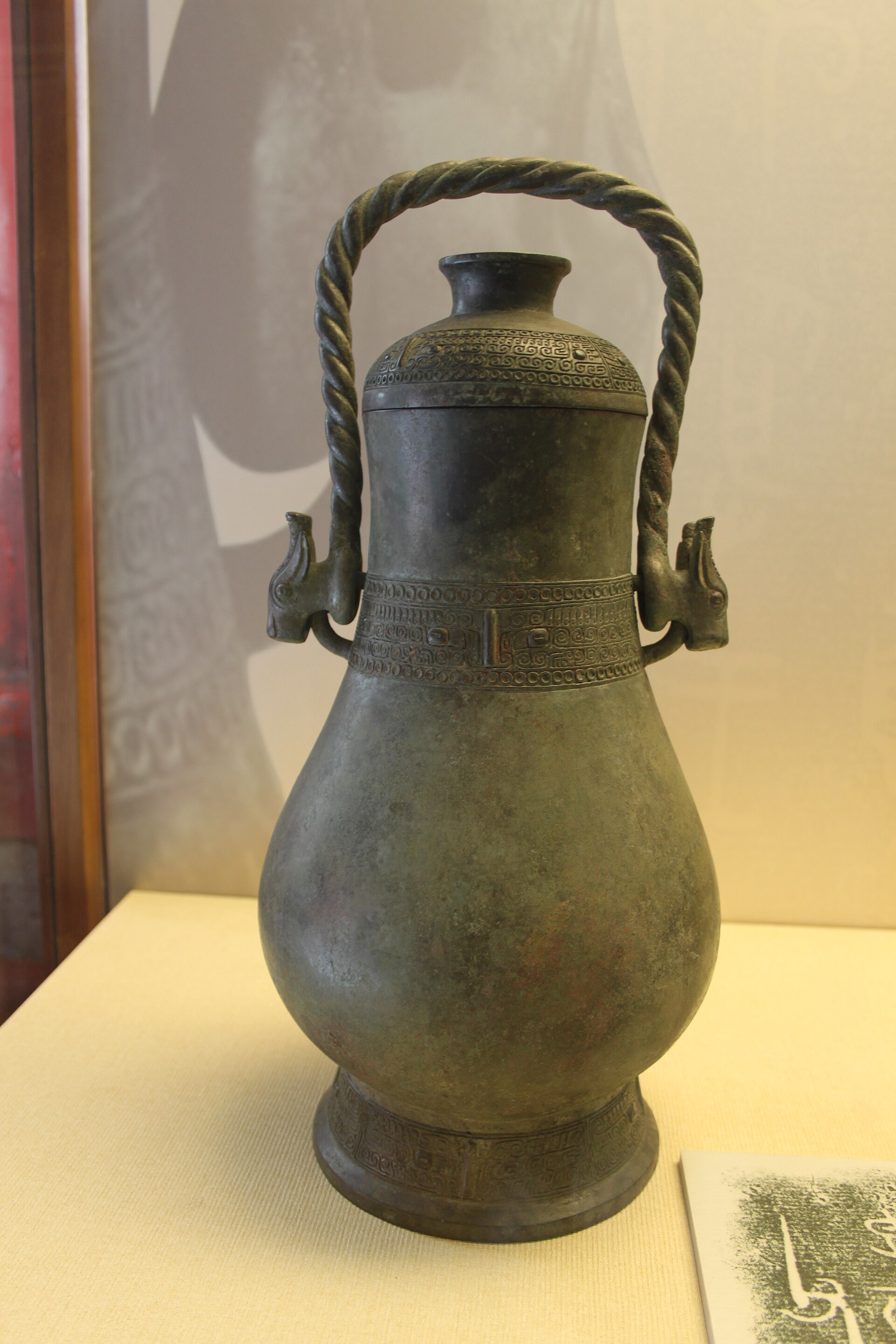
Forbidden City (Palace Museum) 故宫
The largest preserved imperial palace complex in the world, residence of 24 emperors of the Ming and Qing dynasties.

Terracotta Army 兵马俑
Some 8,000 life-size terracotta soldiers buried in 210 BCE to guard the tomb of China's first emperor. Discovered 1974. UNESCO-listed.

West Lake 西湖
The most-painted body of water in Chinese landscape art. UNESCO-listed since 2011. Causeways, pagodas, tea villages, full circumnavigation in half a day.
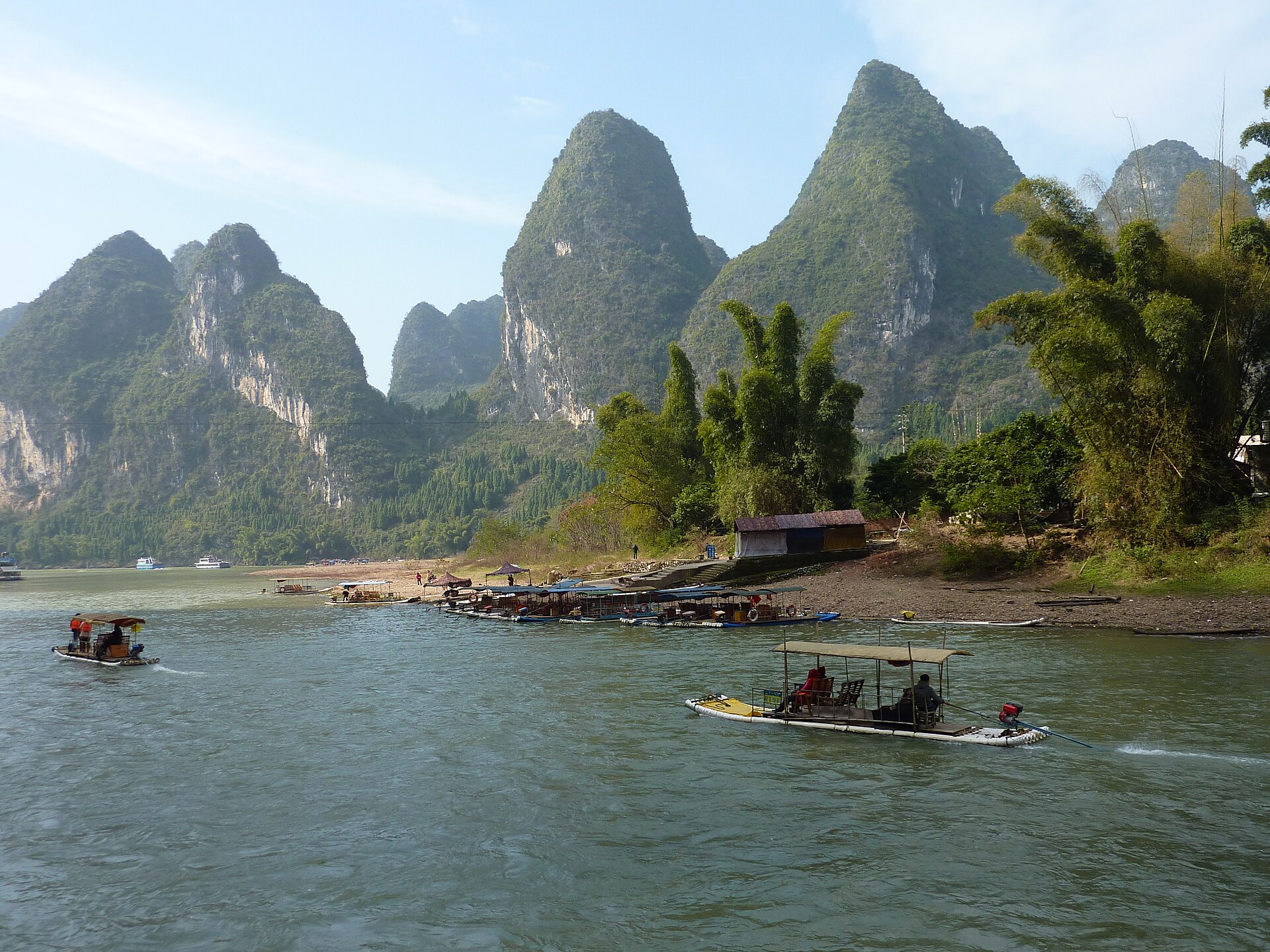
Li River cruise (Guilin to Yangshuo) 漓江
4-hour boat journey through the karst pinnacles between Guilin and Yangshuo — the most-photographed countryside in China, on the back of the ¥20 banknote.
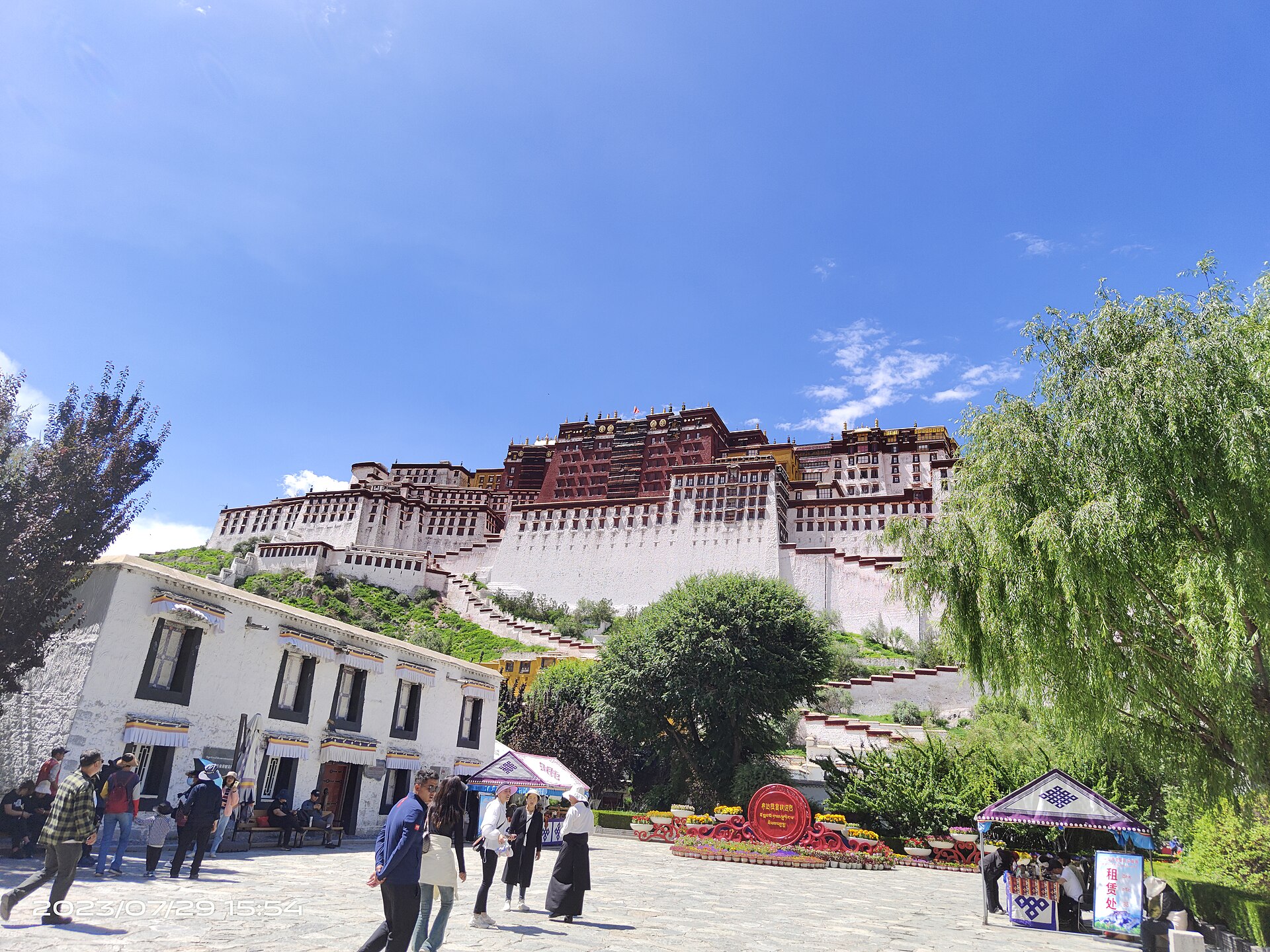
Potala Palace 布达拉宫
Former winter palace of the Dalai Lamas (founded 7th century, current structure 17th century). 1,000+ rooms, 13-storey palace on a 130m hill in central Lhasa. UNESCO-listed.
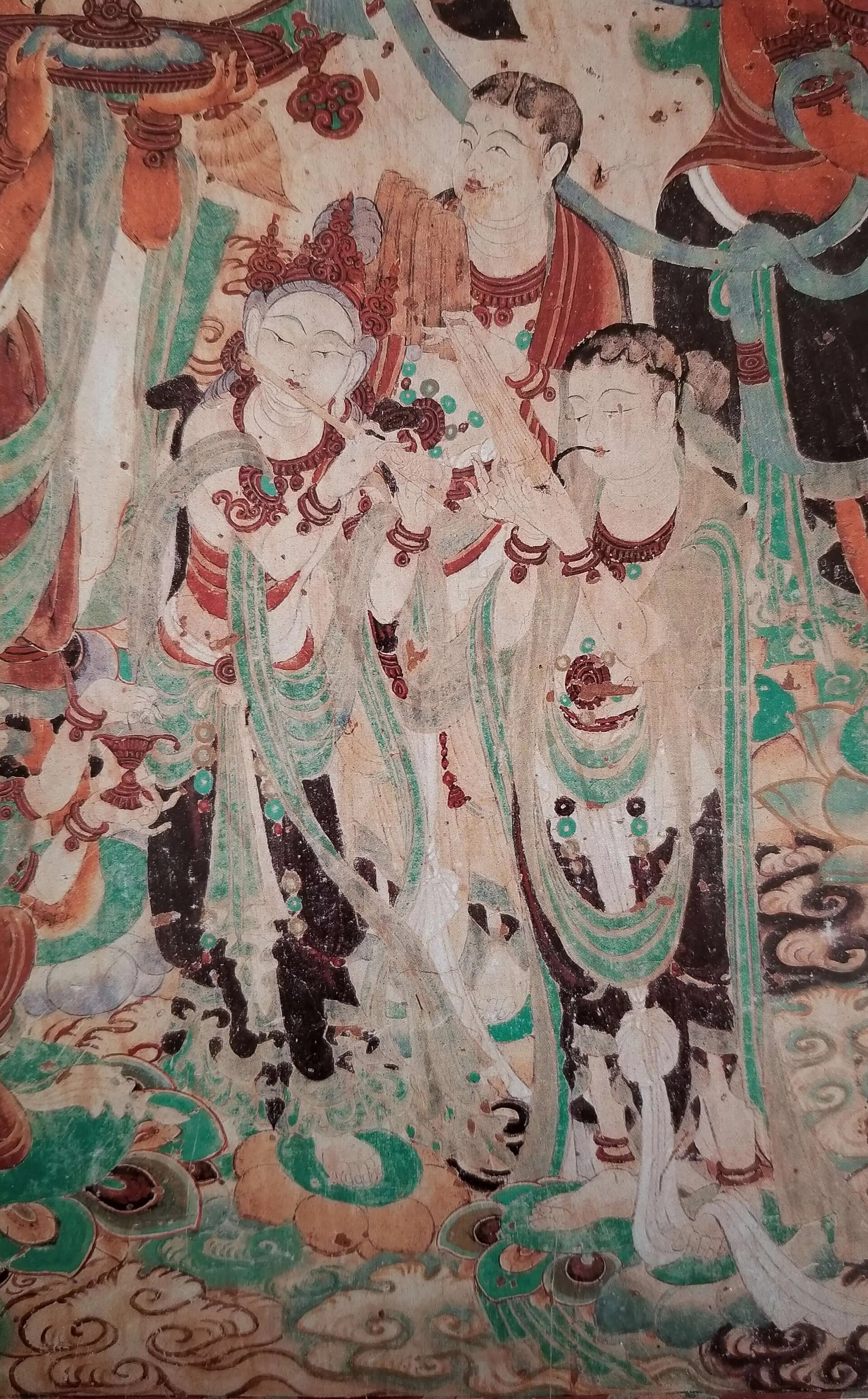
Mogao Caves 莫高窟
UNESCO-listed Silk Road Buddhist cave complex with 492 caves and 45,000 m² of wall paintings, carved between the 4th and 14th centuries.
Plan your trip
The practical brief
Living in China
For long-stayers
Food
Eight regional cuisines, dozens of regional kitchens
Sichuan and Hunan run on chillies. Cantonese reads as the cuisine of restraint and freshness. Shandong defines northern banquet cooking. The list has eight canonical regions and many more local kitchens — Yunnan mushrooms, Uyghur lamb, Lanzhou hand-pulled noodles, Dongbei stews. Start at the cuisines page, or jump to the dishes A-Z.
Blog
Latest
living
Raising bilingual children in China
Raising bilingual children in China — start early, choose schooling tier deliberately, maintain home language at home, manage the reading problem. The 8-10 year investment that produces fluent bilingual adults.
history
Kashgar — Silk Road history still visible
Kashgar's 2,000-year history as a Silk Road oasis — the Han Protectorate, the Tang trading peak, Islamisation, the Apak Hoja, the 2009-2017 reconstruction of the Old City, and what's still visible in 2026.
practical
What not to photograph in China
What not to photograph in China — police, military, government buildings, religious settings during prayer, children, industrial facilities, sensitive areas in Tibet/Xinjiang. Plus what to do if security stops you.
What this site is
A practical reference, not a sales funnel
ChinaVisitGuide exists to give you the actual fact you came for. Real prices, real addresses, real opening hours, dated and verified. We do not sell tours, take referral fees, or run paid placements. We try to be useful and stay out of your way.
And what it isn't
Not a clickbait blog
No superlatives, no “ultimate” lists, no political commentary. Mainland China, Hong Kong SAR and Macau SAR each have their own visa rules, currency and customs — we treat them as separate places. Read the methodology for how we research, verify and update content.