Itinerary · 7 days · balanced
Classical gardens circuit in 7 days
Suzhou (Humble Administrator's Garden, Lingering Garden, Master of Nets) to Yangzhou (Geyuan, Heyuan) to Hangzhou. A focused circuit around China's most significant private garden tradition, pairing the UNESCO-listed Suzhou gardens with the less-visited Yangzhou examples and Hangzhou's West Lake landscape.
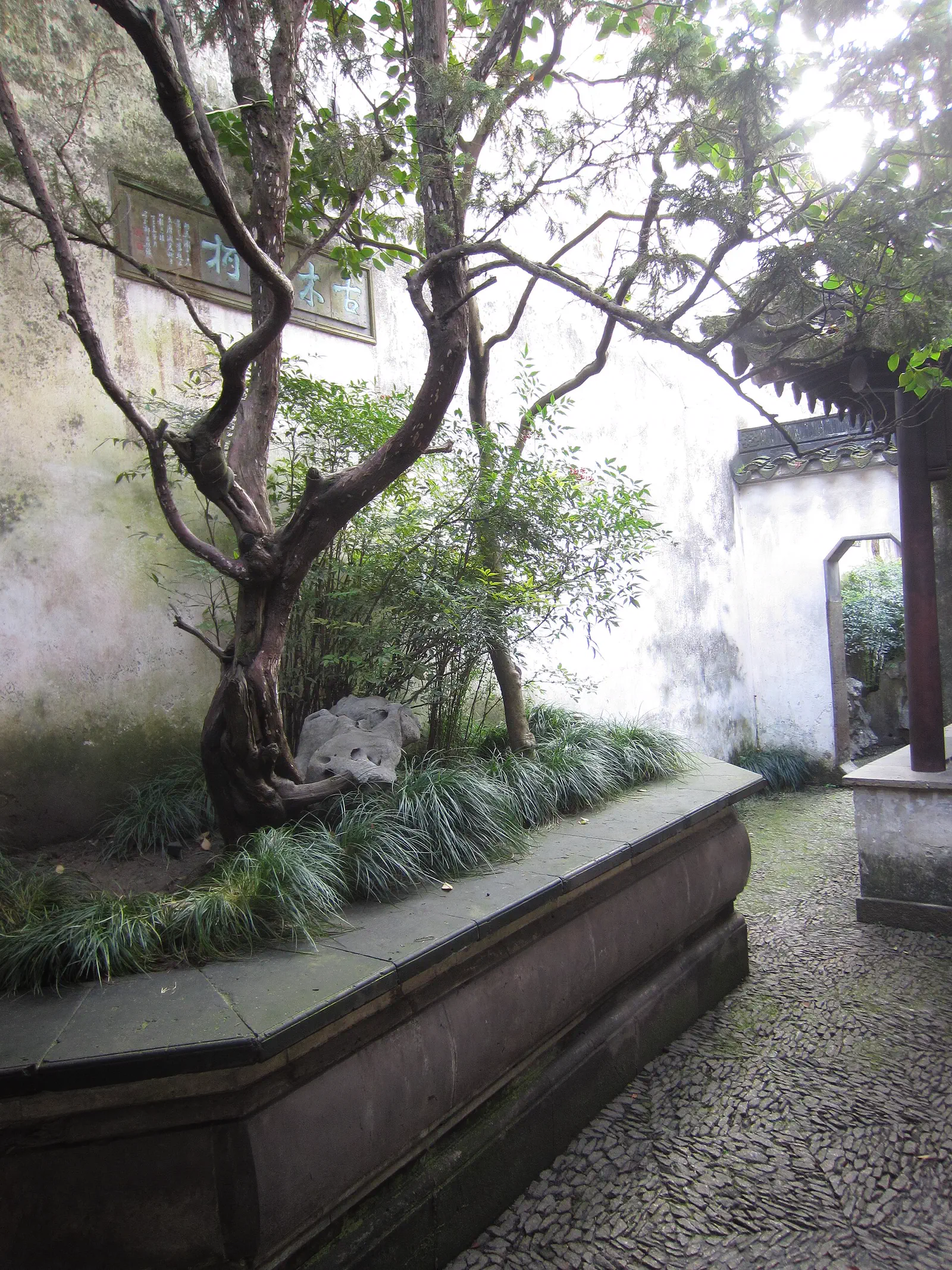
China's classical garden tradition is one of its most distinctive cultural contributions — a compressed, layered approach to landscape that creates the illusion of depth and distance in relatively small urban plots, using rock arrangements, borrowed scenery, serpentine paths, and the strategic placement of water and pavilions to create a series of framed vistas. The gardens of Suzhou represent the apex of this tradition; the Yangzhou gardens offer a less-visited but historically significant variant; and Hangzhou's West Lake provides the public landscape counterpart.
This itinerary moves deliberately: a minimum of two full days in Suzhou, one day in Yangzhou, and two days in Hangzhou, with travel days built in. Suzhou's gardens are categorically different from each other despite sharing a design language — the Humble Administrator's Garden is the largest and most architecturally varied; the Lingering Garden is more intimate and obsessive about its rock arrangements; the Master of Nets is the most compressed and spatially clever. The itinerary is for visitors willing to pay attention to small-scale design rather than grand spectacle.
Day by day
Day 1 · suzhou
Arrive Suzhou — Humble Administrator's Garden
High-speed train from Shanghai takes 25–30 minutes; from Beijing 4 hours. Check into a hotel in the historic district near Pingjiang Road. Afternoon at the Humble Administrator's Garden (拙政园, Zhuōzhèng Yuán) — the largest of Suzhou's UNESCO gardens at 5.2 hectares. Do not rush. The garden changes mood with the light; arrive for the 3pm light shift if possible. Evening walk along Pingjiang Road.
Attractions: humble-administrators-garden
Day 2 · suzhou
Suzhou — Lingering Garden and Master of Nets
Morning at the Lingering Garden (留园, Liú Yuán) — arrive at opening to avoid mid-morning crowds. The Guanyun Peak rock, at 6.5 metres, is the garden's centrepiece and one of the most celebrated scholar's rocks in China. After lunch, Master of Nets Garden (网师园, Wǎngshī Yuán) in the afternoon — the most spatially clever of the three, designed to feel larger than its 0.54 hectares. Evening: the Night Garden programme at Master of Nets (classical music performances in garden pavilions, seasonal).
Attractions: lingering-garden, master-of-nets-garden
Day 3 · suzhou
Suzhou — Tiger Hill and Canglang Pavilion
Morning at Tiger Hill (虎丘, Hǔ Qiū) — the leaning Cloud Rock Pagoda and the Swords Pond are the landmarks, but the hillside garden itself rewards a slow circuit. Afternoon at Canglang Pavilion (沧浪亭) — the oldest surviving garden in Suzhou (11th century Song dynasty), outside the standard tourist circuit and substantially quieter. Dinner in the Shantang Street area.
Attractions: tiger-hill-suzhou
Day 4 · yangzhou
Travel to Yangzhou — Geyuan Garden
High-speed rail Suzhou to Yangzhou Dongzhan (approximately 1.5 hours, may require a change at Zhenjiang or Nanjing — check current routing). Check into a hotel in central Yangzhou. Afternoon at Geyuan Garden (个园, Gè Yuán) — a Qing-dynasty garden famous for its four-seasons rock arrangements: spring bamboo shoots, summer lotus, autumn rust-coloured rocks, and white winter stones. More conceptual than Suzhou's gardens; worth taking slowly.
Attractions: geyuan-garden
Day 5 · yangzhou
Yangzhou — Heyuan Garden and old town
Morning at Heyuan Garden (何园, Hé Yuán) — a late Qing garden with a distinctive double-layer veranda corridor running the perimeter, and a mixture of Western and Chinese architectural elements. One of the best-preserved examples of the 19th-century garden-building period. Afternoon: Dongguan Street (old commercial street), Tianning Temple, and the Yangzhou Museum. Yangzhou is also a significant food city — the fried rice, steamed dim sum breakfast, and lion's head meatballs are worth a dedicated meal.
Attractions: heyuan-garden
Day 6 · hangzhou
Travel to Hangzhou — West Lake afternoon
High-speed rail Yangzhou to Hangzhou (approximately 2 hours via Nanjing South). Check into a hotel on the western shore of West Lake — the quieter side. Afternoon boat circuit of West Lake, which takes approximately 1.5 hours. The landscape garden quality of West Lake — with causeways, islands, pagodas, and borrowed mountain scenery — is the public-scale counterpoint to the private enclosed gardens of Suzhou and Yangzhou.
Attractions: west-lake-hangzhou
Day 7 · hangzhou
Hangzhou — Guo's Manor and depart
Morning at Guo's Manor (郭庄, Guō Zhuāng) on the western shore of West Lake — a small, relatively unknown private garden that may be the most beautiful on the lake, with open pavilions looking directly onto the water. Late morning at the China National Tea Museum and Meijiawu tea fields. Afternoon depart from Hangzhou. High-speed rail to Shanghai Hongqiao (1 hour) for connections, or fly from Hangzhou Xiaoshan.
Attractions: west-lake-hangzhou, china-national-tea-museum
Budget guide (CNY per day)
| Backpacker | ¥450 |
| Mid-range | ¥1100 |
| Comfortable | ¥2500 |
Garden admissions: Humble Administrator's ¥90, Lingering ¥70, Master of Nets ¥70, Geyuan ¥45, Heyuan ¥40. West Lake entrance free; boat circuit approximately ¥70. Accommodation in Suzhou's historic district and on West Lake's quieter shore runs ¥400–2,000/night mid-range.
Cities covered
Attractions covered
Other itineraries visiting Suzhou
- Shanghai–Suzhou–Hangzhou triangle in 5 days
5d · Two days in Shanghai, a day and a half in Suzhou's classical gardens, then West Lake and Hangzhou.
- Water towns circuit in 5 days
5d · Shanghai to Tongli to Wuzhen to Zhujiajiao — four of the Yangtze Delta's most visited canal towns in a compact loop, using a Shanghai base with day excursions and one overnight in Wuzhen.
- Vegetarian and vegan China in 7 days
7d · Hangzhou (Buddhist vegetarian temples) to Putuoshan (sacred Buddhist island) to Suzhou to Shanghai. A seven-day itinerary following the tradition of Chinese Buddhist vegetarian cuisine, with reliable meat-free and vegan options at each stop.
- China for seniors in 10 days
10d · Beijing to Suzhou to Hangzhou to Shanghai, built around lift-accessible accommodation, manageable walking distances, gentler pacing, and accessible attractions. Designed for travellers in their 60s, 70s, and beyond who want to see China without the physical demands of the standard tourist circuit.
- Chinese opera circuit in 10 days
10d · Beijing Peking opera, Suzhou Kunqu, Shanghai Yueju, Chengdu Sichuan opera — four traditions in ten days.
- Classical Gardens Circuit — Suzhou, Hangzhou, and Beyond, 12 days
12d · China's finest classical gardens in sequence: Suzhou's UNESCO garden quartet, Hangzhou's West Lake landscape, Yangzhou's slender garden tradition, and Shaoxing's canal-town context.