Shanxi · noodle
Cat's Ear Noodles
猫耳朵 · Māo'ěrduo
Small thumbnail-pinched Shanxi pasta, shaped like cat's ears. Stir-fried with vegetables or in soup.
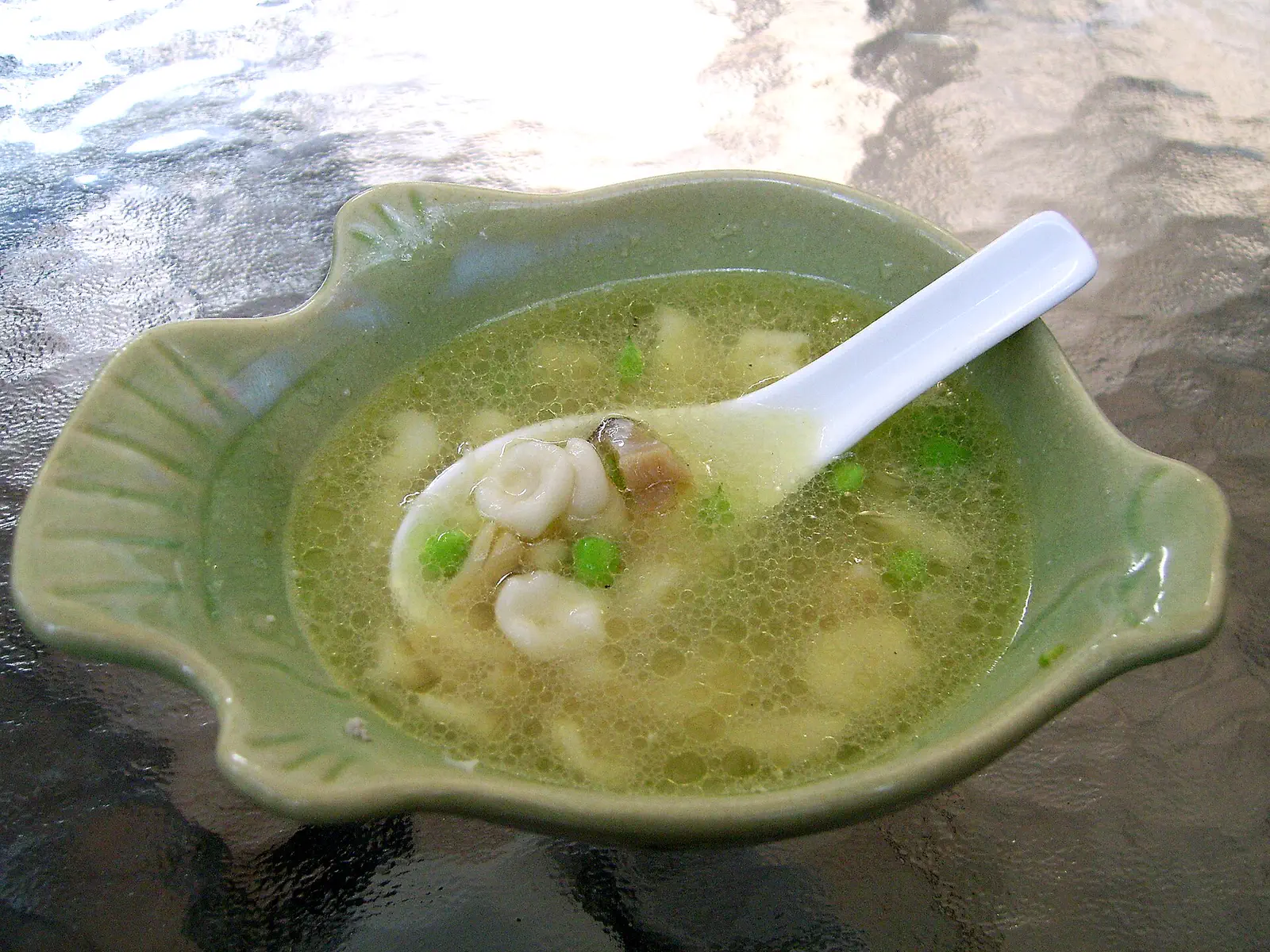
Cat's ear noodles (mao er duo) are one of the many shape-specific pasta forms in the extraordinarily diverse noodle culture of Shanxi province. Shanxi is China's wheat-culture heartland, and the province's noodle repertoire — knife-scraped, scissor-cut, pulled, pinched, and shaped by hand in more ways than the rest of China combined — reflects centuries of domestic wheat processing ingenuity.
The cat's ear is made by pinching small pieces of wheat-flour dough between the thumb and forefinger, pressing down and dragging in a single motion that leaves a curved, indented piece roughly one to two centimetres across, shaped like a small shell or, as the name suggests, a cat's ear. The pinching technique determines the thickness and the depth of the indentation — a deep cup holds more sauce, a shallower press gives more of a flat-ear shape. The pieces are made in batches and either cooked immediately or dried for later use.
The shape is similar to the Italian orecchiette, and the resulting pasta has similar properties: a slightly thick, chewy piece with a concave interior that collects sauce and small ingredients. This is not a coincidence of invention so much as convergent solution to the same culinary problem.
Cat's ears are prepared by stir-frying with vegetables — the typical Shanxi combination is julienned carrot, diced potato, mung bean sprouts, and garlic chive, seasoned with soy sauce and vinegar — in a very hot wok until the pasta pieces have some colour and the vegetables are just cooked. Alternatively they are served in a clear meat broth with similar vegetable additions. A small amount of aged Shanxi vinegar (chencu) is often added at the table.
In Shanxi, cat's ear noodles are home cooking and canteen food rather than restaurant food; they appear in dedicated noodle shops alongside the better-known knife-scraped noodles (dao xiao mian). Outside Shanxi they are found in specialty northern Chinese noodle restaurants and in Shanxi-cuisine restaurants that have expanded to other provinces.
Where to try
Shanxi noodle houses.
Dietary notes
Wheat. Vegetable versions vegetarian.
Cities to try Cat's Ear Noodles
Other north dishes
- Beijing Lamb Hot Pot涮羊肉
Beijing-Mongolian style hot pot — clear broth, thinly-sliced lamb, sesame-paste dipping sauce.
- Boiled Dumplings (Shuijiao)水饺
Wheat-wrapper dumplings filled with pork-and-cabbage, lamb-and-leek, or vegetable, boiled and served with vinegar.
- Goubuli Baozi狗不理包子
Tianjin's signature steamed pork buns. The original house, founded 1858, is still operating.
- Hand-Grasped Lamb手把肉
Boiled mutton eaten with the hands. The social centrepiece of an Inner Mongolian steppe meal.
More Shanxi dishes