3 days
Day 1: Central + Mid-Levels Escalator + Peak Tram + Star Ferry to Tsim Sha Tsui evening. Day 2: Mong Kok markets + Wong Tai Sin Temple + Sham Shui Po. Day 3: Lantau — Big Buddha + Tai O fishing village.
SAR · Special Administrative Regions
香港特别行政区 · Xiānggǎng Tèbié Xíngzhèngqū — capital Hong Kong, cantonese (yum cha, char siu, wonton noodles, milk tea, egg waffles, plus the most concentrated international dining scene in greater china).
History & character
Hong Kong was a sparsely-populated cluster of fishing villages until 1841, when British forces seized Hong Kong Island during the First Opium War; it became a Crown Colony in 1842, expanded to include Kowloon (1860) and the New Territories on a 99-year lease (1898). The colony grew into one of the great Asian commercial entrepôts under British administration, and retained that role through Japanese occupation (1941–45), the Cold War, the manufacturing boom of the 1960s–80s, and the financial-services pivot of the 1990s and 2000s.
The 1997 handover transferred sovereignty to the People's Republic of China under the "one country, two systems" framework, with the SAR retaining its own legal system, currency, immigration, and customs regime. Hong Kong issues its own visas; mainland Chinese visas do not cover entry. The city remains a global financial centre, the world's busiest container-port-or-runner-up depending on the year, and Asia's most concentrated dining scene.
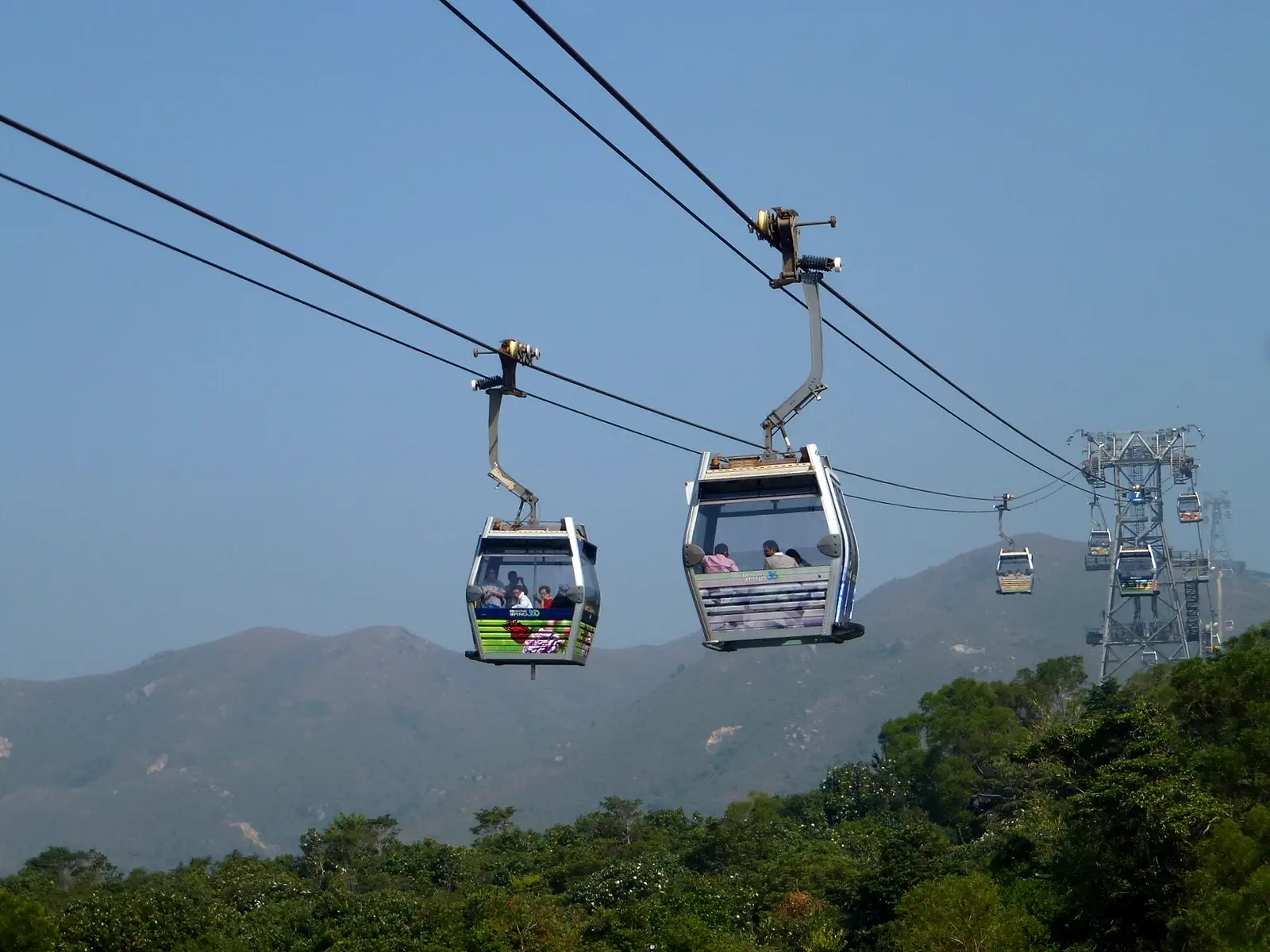
Geographically, the SAR packs extraordinary variety into a small area. Central and Tsim Sha Tsui's vertical financial districts; the temples and street food of Mong Kok; the colonial architecture of Sheung Wan; the wild beaches of Sai Kung; the working fishing village of Tai O on Lantau; the country parks that cover roughly 40% of the territory. The Mass Transit Railway is among the world's most efficient.
When to visit
October–early December and February–early April are optimal. Avoid July–September typhoon season; summer humidity is intense. Chinese New Year (varies, typically late January–mid February) is a vibrant but crowded time.
How to get there
Hong Kong International Airport (HKG) is one of Asia's largest hubs with global connections. Cross-border rail at West Kowloon connects to mainland HSR (Guangzhou 50 min, Shenzhen 14 min). Ferries to Macau (1h), Shenzhen, and Zhuhai. The Hong Kong–Zhuhai–Macau Bridge runs 55 km of road across the Pearl River estuary.
Key cities
All cities →Sample itineraries
Day 1: Central + Mid-Levels Escalator + Peak Tram + Star Ferry to Tsim Sha Tsui evening. Day 2: Mong Kok markets + Wong Tai Sin Temple + Sham Shui Po. Day 3: Lantau — Big Buddha + Tai O fishing village.
Add Sai Kung country parks + Tap Mun, the New Territories Hakka walled villages, Cheung Chau or Lamma Island, Macau day trip, and a typical Hong Kong food crawl across yum cha + wonton noodles + cha chaan teng + Michelin street stalls.
Dishes of Hong Kong
Flat rice noodles dry-fried with silky marinated beef, beansprouts and spring onion over a fierce wok flame.
Taiwanese milk tea served with chewy tapioca pearls (boba) through a wide straw. The foundational format — oolong or black tea shaken with milk and ice — has spawned hundreds of variations across China's enormous tea-chain industry.
Fujian's banquet centrepiece — a slow-simmered soup of dried abalone, sea cucumber, scallop, ham and 20+ other ingredients.
Whole goose roasted to crisp-skinned tenderness. The most prized of the Cantonese siu mei roasted meats.
Preserved duck or quail egg cured in an alkaline mixture of clay, ash, salt, and quicklime until the white becomes a translucent dark jelly and the yolk a creamy grey-green. Eaten with congee, cold tofu, or as a stand-alone side dish.
Cantonese roast pork — marinated, hung in special ovens, glazed with honey and maltose. Eaten over rice or in buns.
Itineraries touching Hong Kong
4d · Two days Hong Kong, one full day Macau, return.
5d · Two days in Guangzhou's ancestral halls and food streets, two in Hong Kong, one in Macau.
10d · Ten days through the south: Hong Kong as the entry point, Guangzhou for Cantonese food culture, then the karst river landscape of Yangshuo and Guilin before flying home.
Other Special Administrative Regions regions
Spotted something out of date? Submit a correction.
Research
Cross-checked against primary sources
Verified
Address, hours, fees confirmed at the date shown
Updated
Re-verified periodically; corrections welcome