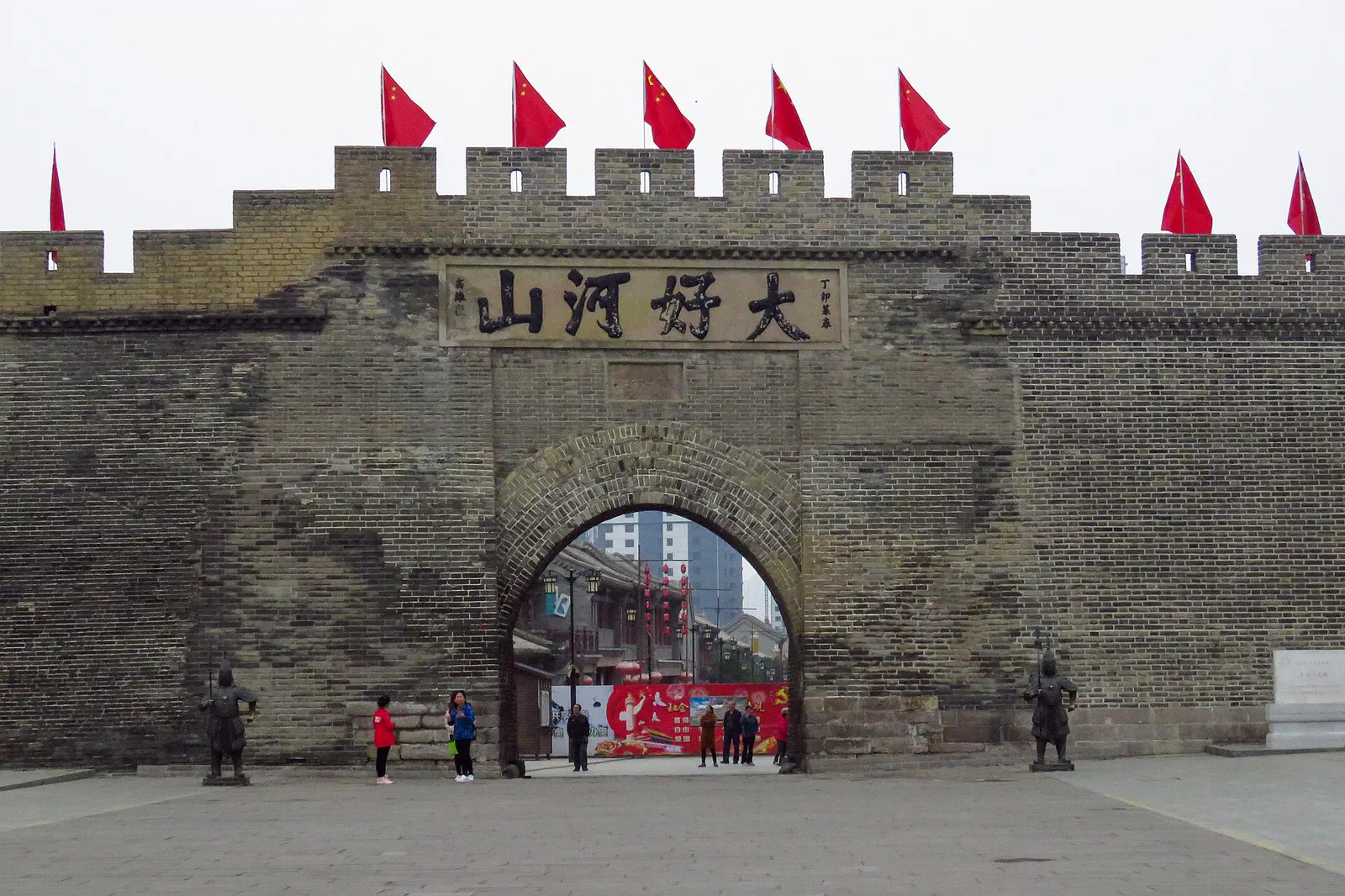
CITY · HEBEI
Zhangjiakou
张家口 · Zhāngjiākǒu
Overview
A Hebei city northwest of Beijing that co-hosted the 2022 Winter Olympics alpine and biathlon events, with significant Great Wall sections and accessible grassland scenery.
Zhangjiakou is a prefecture-level city in northwest Hebei province, approximately 180 km northwest of Beijing on the northern edge of the North China Plain where it meets the Inner Mongolian plateau. The city's history is as a strategic military pass and trading gateway between the Han Chinese interior and the Mongol and Manchu territories beyond — Kalgan, as it was known in the era of the Silk Road tea trade, was one of the great overland commercial crossings of northern China.
In the contemporary period, Zhangjiakou became globally known as the co-host of the 2022 Beijing Winter Olympics and Paralympics. The alpine skiing, cross-country skiing, biathlon and ski jumping events were held at the National Alpine Ski Centre and Biathlon Centre in Chongli District, south of the city. The Olympic venues remain operational as a winter sports destination; the Chongli ski resorts — Wanlong, Thaiwoo (Taizicheng) and others — are now among the most developed and visited ski areas in northern China.
Beyond the ski industry, Zhangjiakou has several sections of well-preserved Great Wall including the Zhenbiancheng, Xuanhua, and the wall sections in the Guyuan and Kangbao areas. The city also has a historic old city district (Xia Huayuan) with Ming and Qing architecture. The Bashang grassland areas to the north of the city offer accessible steppe scenery within a half-day's drive.
A dedicated high-speed rail line connects Zhangjiakou to Beijing North station in under an hour, built specifically for the Olympics.
Cultural & access notes
Zhangjiakou sits at the historic border between Han Chinese and Mongolian cultural worlds. The surrounding area has a significant Mongol and Hui (Muslim) minority population, and lamb and beef dominate the local food culture rather than pork. The Olympic legacy is a point of local pride.
What to see
- Chongli Olympic venues — the 2022 Winter Olympics ski facilities, open to the public
- Wanlong Ski Resort — one of the original and most established ski resorts in Chongli
- Great Wall sections — several significant but less-visited wall sections in the wider prefecture
- Zhenbiancheng fort — a Ming-dynasty fortress at a strategic pass in the western hills
- Bashang grassland — semi-arid steppe 150 km north of the city, popular for autumn colour
- Xia Huayuan old city district — preserved late-imperial commercial streetscape
What to eat
- Zhang fei beef — cured and pressed beef, a regional specialty sold throughout the city
- Lamb and mutton dishes — Mongolian-influenced border-zone cooking
- Buckwheat (kuqiao) noodles and porridge — a staple grain of the highland plateau
- Hand-made dumplings with lamb and onion filling
- Hebei-style donkey meat sandwiches (lürou huoshao) — available in many local restaurants
Getting there
High-speed rail from Beijing North (ZQZ direction) takes approximately 50 minutes. Zhangjiakou Ningyuan Airport (ZQZ) has flights to Shanghai, Guangzhou, Chengdu and other cities. From Beijing by road, the journey is 2–3 hours via the G6 expressway.
Getting around
The urban area is served by local buses and taxis. The Chongli ski district is 90 km south of the city centre — shuttle buses run from Zhangjiakou main station during the ski season. Hired vehicles are the best option for reaching the Great Wall sections and the Bashang grassland.
Where to stay
The city centre has standard Chinese hotel options. The Chongli ski district has a rapidly expanding range of ski-resort hotels, many built for the 2022 Olympics and representing the best quality accommodation in the area.
We list neighbourhoods, not specific hotels — we don't endorse hotels.
When to go
Winter (December–March) for skiing and the Olympic landscape. April–May and September–October for Great Wall exploration and the Bashang grassland's autumn colour (best in mid-September). Summer is warm but the grassland is green.
Budget guide (CNY per day)
| Backpacker | ¥200 |
| Mid-range | ¥450 |
| Comfortable | ¥950 |
Safety notes
Winter driving in the Chongli area and on roads to the Great Wall sections requires proper winter tyres. The Bashang plateau can be very cold in autumn with sudden weather changes. Ski resort facilities meet international standards.
Nearby attractions
Day trips within 150 km
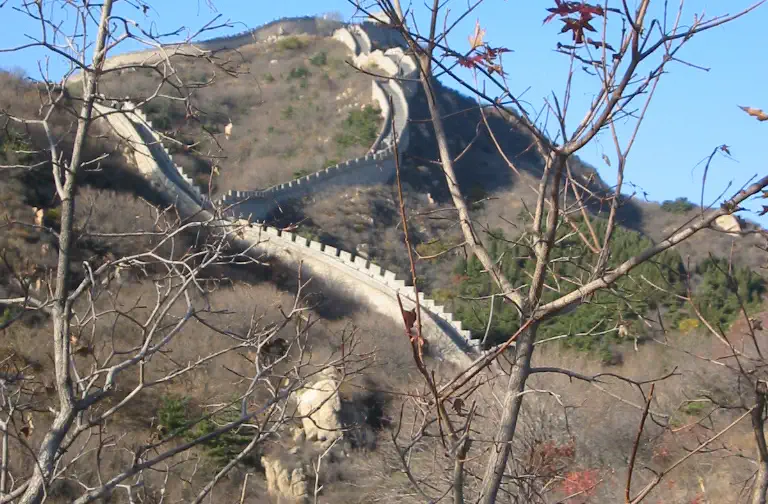
Great Wall — Badaling 八达岭长城
The closest and most-visited Great Wall section. Heavily restored, fully accessible, and packed with domestic tour groups. Useful if time is short.
≈ 110 km from Zhangjiakou
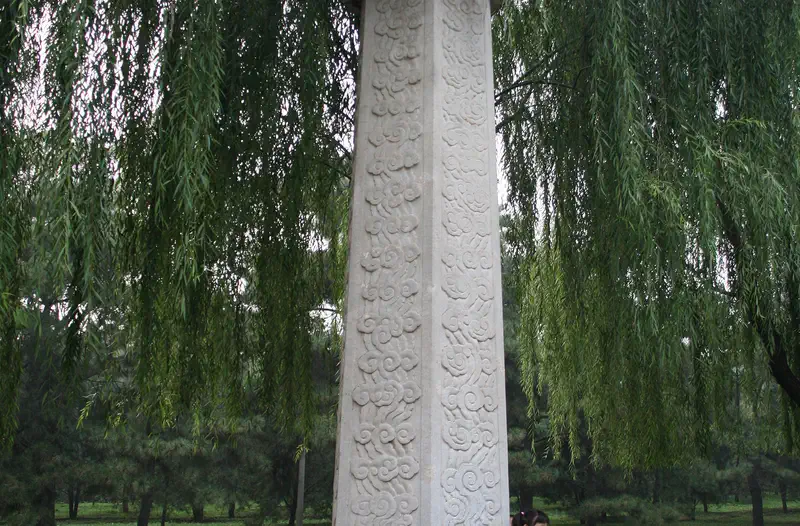
Ming Tombs and Sacred Way 明十三陵
Burial complex of 13 of the 16 Ming-dynasty emperors, north of Beijing. The 7 km Sacred Way is lined with stone-statue guardians.
≈ 130 km from Zhangjiakou
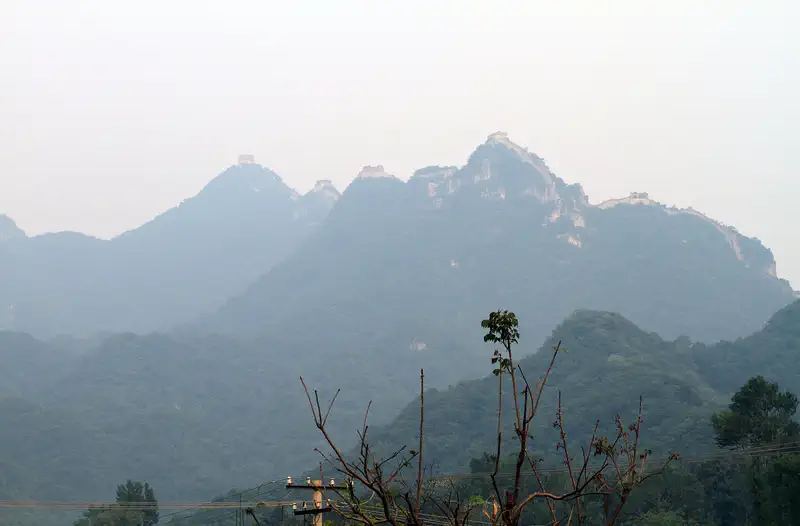
Great Wall — Jiankou 箭扣长城
Unrestored, partially collapsed Wall section in steep terrain. For experienced hikers only — the most photogenic 'wild Wall' segment near Beijing.
≈ 140 km from Zhangjiakou
Other cities in Hebei
- Beidaihe北戴河
Seaside resort town on the Bohai coast of Hebei, the traditional summer retreat for Beijing officials since the 1890s. Sandy beaches, birdwatching at the Nandaihe wetlands, and a position between the sea and Shanhaiguan's Ming Great Wall section.
- Chengde承德
Qing imperial summer mountain resort 230 km northeast of Beijing. UNESCO-listed Mountain Resort and Eight Outer Temples — the Qing emperors' summer retreat from 1703 to 1820.
- Shijiazhuang石家庄
Capital of Hebei, an hour from Beijing on the HSR. Modern industrial city with limited tourism but as a launchpad for Mt Cangyan and Zhengding Old Town.
- Wanlong万龙
Alpine ski resort village in Chongli county, Zhangjiakou, that served as a 2022 Winter Olympic competition venue; the closest internationally competitive ski destination to Beijing, reachable by the Olympic high-speed rail line in under two hours.
Itineraries visiting Zhangjiakou
Food of Northern China
- Beijing Lamb Hot Pot涮羊肉
Beijing-Mongolian style hot pot — clear broth, thinly-sliced lamb, sesame-paste dipping sauce.
- Boiled Dumplings (Shuijiao)水饺
Wheat-wrapper dumplings filled with pork-and-cabbage, lamb-and-leek, or vegetable, boiled and served with vinegar.
- Cat's Ear Noodles猫耳朵
Small thumbnail-pinched Shanxi pasta, shaped like cat's ears. Stir-fried with vegetables or in soup.
- Goubuli Baozi狗不理包子
Tianjin's signature steamed pork buns. The original house, founded 1858, is still operating.
Zhangjiakou weather by month
| Month | Jan | Feb | Mar | Apr | May | Jun | Jul | Aug | Sep | Oct | Nov | Dec |
|---|---|---|---|---|---|---|---|---|---|---|---|---|
| High °C | -1 | 3 | 11 | 18 | 25 | 29 | 29 | 28 | 24 | 16 | 6 | -2 |
| Low °C | -13 | -9 | -2 | 3 | 10 | 16 | 18 | 17 | 12 | 3 | -4 | -12 |
| Rain mm | 2 | 8 | 19 | 24 | 22 | 53 | 106 | 86 | 41 | 16 | 16 | 3 |
| Rain days | 0 | 2 | 5 | 4 | 5 | 8 | 12 | 10 | 6 | 4 | 3 | 1 |
2019–2023 average via Open-Meteo ERA5 (ERA5 reanalysis). "Rain days" = days per month with ≥1 mm precipitation.
Frequently asked questions
- When is the best time to visit Zhangjiakou?
- The best months to visit Zhangjiakou are April, May, September, October, January, and February. Winter (December–March) for skiing and the Olympic landscape. April–May and September–October for Great Wall exploration and the Bashang grassland's autumn colour (best in mid-September).
- How many days do you need in Zhangjiakou?
- Plan 3 days for Zhangjiakou if you want to see the headline sights without rushing — Chongli Olympic venues, Wanlong Ski Resort, Great Wall sections. Add an extra day for day trips from the city or for repeat visits to your favourite neighbourhood.
- Is Zhangjiakou safe for tourists?
- Winter driving in the Chongli area and on roads to the Great Wall sections requires proper winter tyres. The Bashang plateau can be very cold in autumn with sudden weather changes. Ski resort facilities meet international standards.
- How do you get around Zhangjiakou?
- The urban area is served by local buses and taxis. The Chongli ski district is 90 km south of the city centre — shuttle buses run from Zhangjiakou main station during the ski season. Hired vehicles are the best option for reaching the Great Wall sections and the Bashang grassland.
- What's the daily budget for Zhangjiakou?
- Budget guide for Zhangjiakou: backpackers from around ¥200/day, mid-range travellers ¥450/day, comfortable trips from ¥950/day. These ranges cover accommodation, food, local transport and one paid sight per day, and exclude flights to and from the city.
- Where should you stay in Zhangjiakou?
- The city centre has standard Chinese hotel options. The Chongli ski district has a rapidly expanding range of ski-resort hotels, many built for the 2022 Olympics and representing the best quality accommodation in the area.
Spotted something out of date? Submit a correction.
Research
Cross-checked against primary sources
Verified
Address, hours, fees confirmed at the date shown
Updated
Re-verified periodically; corrections welcome