3 days
Day 1: Jinshanling Great Wall (overnight option). Day 2: Chengde Mountain Resort + Outer Temples. Day 3: Eastern Qing Tombs.
Province · North China
河北省 · Héběi Shěng — capital Shijiazhuang, hebei (lamb, wheat noodles, donkey-meat sandwiches in the south).
History & character
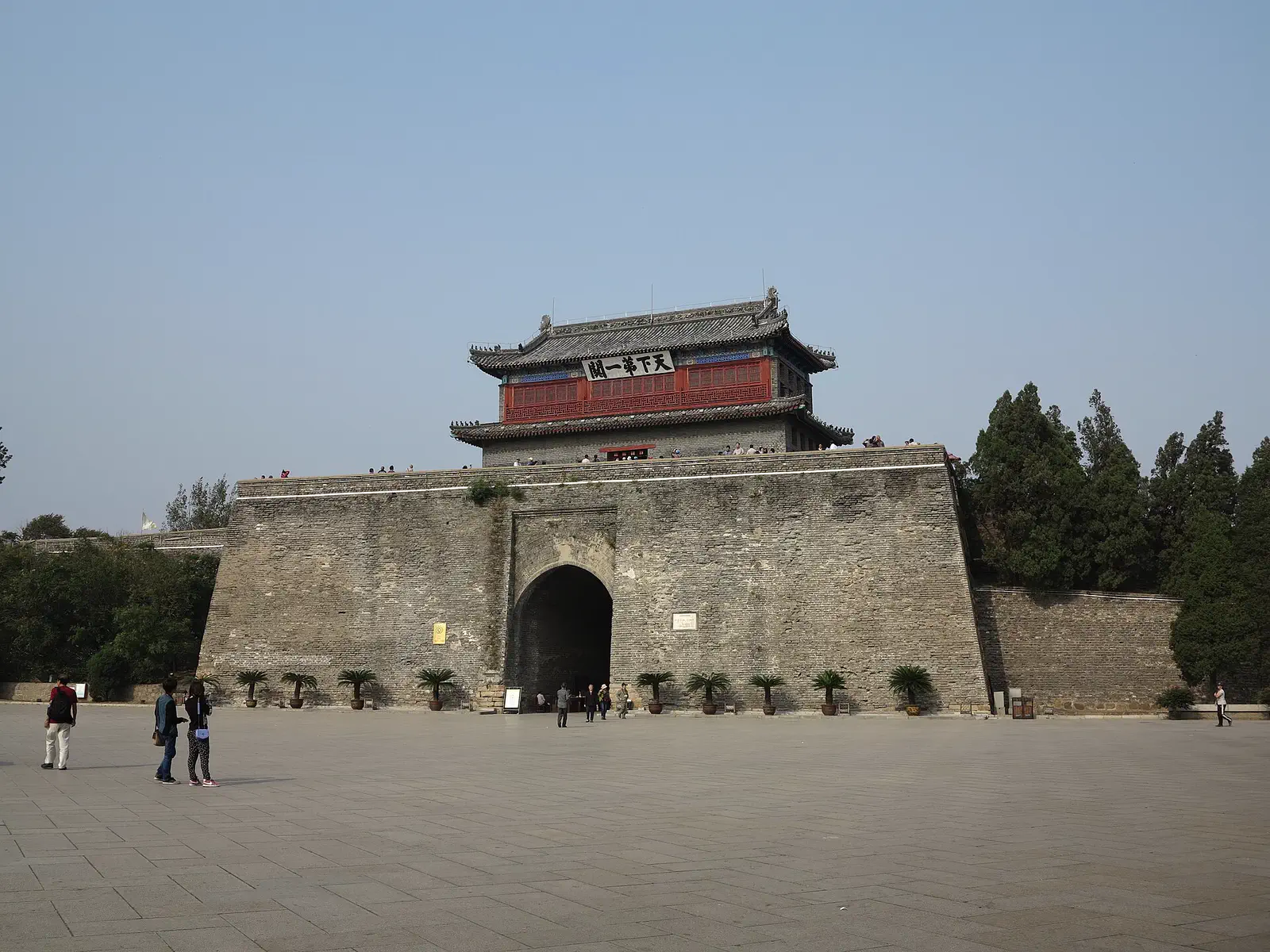
Hebei wraps around Beijing and Tianjin like a horseshoe. Its name means "north of the river" — the river being the Yellow. Historically it was the capital region's hinterland: the Ming Great Wall ran across its northern hills, the Qing emperors retreated to summer mountain resorts at Chengde, and grain barges from the south unloaded along its eastern coast.
The province contains some of the most dramatic surviving stretches of the Great Wall — Jinshanling, Simatai, Gubeikou — that draw far fewer crowds than the Beijing-administered Mutianyu and Badaling sections. Chengde Mountain Resort, a UNESCO site, was the Qing emperors' summer capital and houses one of the densest concentrations of imperial-era temples and gardens outside the Forbidden City.
Heavy industry concentrates in the south around Shijiazhuang, Tangshan, and Handan. The northern half is mountainous and forested, with the climate transitioning quickly into the steppe environment of Inner Mongolia.
When to visit
September–October for the Great Wall and Chengde — autumn light, comfortable temperatures, leaf colour. Avoid July–August (humid, hazy) and December–February (very cold at the wall sections).
How to get there
Most visitors enter Hebei via Beijing or Tianjin. Shijiazhuang has its own airport and HSR hub. Chengde is 4 hours by road from Beijing or accessible via the Beijing–Chengde HSR.
Key cities
All cities →More cities in Hebei
More attractions in Hebei
Sample itineraries
Day 1: Jinshanling Great Wall (overnight option). Day 2: Chengde Mountain Resort + Outer Temples. Day 3: Eastern Qing Tombs.
Add Shanhaiguan (Great Wall meets the sea), Beidaihe coast, Baoding for the Old Town, and the Western Qing Tombs.
Dishes of Hebei
Beijing-Mongolian style hot pot — clear broth, thinly-sliced lamb, sesame-paste dipping sauce.
Wheat-wrapper dumplings filled with pork-and-cabbage, lamb-and-leek, or vegetable, boiled and served with vinegar.
Small thumbnail-pinched Shanxi pasta, shaped like cat's ears. Stir-fried with vegetables or in soup.
Tianjin's signature steamed pork buns. The original house, founded 1858, is still operating.
Boiled mutton eaten with the hands. The social centrepiece of an Inner Mongolian steppe meal.
Northern Chinese breakfast crepe: thin wheat-and-mung-bean batter, egg, scallion, hoisin, chilli, optional crispy cracker.
Itineraries touching Hebei
7d · Wanlong near Beijing, then a flight north to Jilin province for Beidahu or Yabuli in Heilongjiang — the best ski in China.
10d · Overnight train from Beijing north through Zhangjiakou and Hohhot to the Mongolian steppe — combining Great Wall railway heritage, Inner Mongolia grasslands, and the ruined Xanadu of Kublai Khan.
10d · Beijing, then Tengchong's volcanic hot springs in Yunnan, and Beidaihe's seaside recovery on the return.
Other North China regions
Spotted something out of date? Submit a correction.
Research
Cross-checked against primary sources
Verified
Address, hours, fees confirmed at the date shown
Updated
Re-verified periodically; corrections welcome