CITY · ZHEJIANG
Shaoxing
绍兴 · Shàoxīng
Overview
Ancient Jiangnan canal city in Zhejiang, birthplace of the writer Lu Xun and associated with Shaoxing rice wine and traditional waterway culture. Stone bridges, black-awning boats, and the Orchid Pavilion calligraphy site make it a logical extension of a Hangzhou visit.
Shaoxing is one of the oldest inhabited cities in Zhejiang Province — settlement on the Shaoxing Plain dates back more than 2,500 years, and the city was the capital of the ancient state of Yue during the Spring and Autumn and Warring States periods. It sits in the low-lying waterway landscape east of Hangzhou, a city of canals, stone arch bridges and traditional water-town architecture that has been less aggressively developed than many comparable Jiangnan towns.
The city is most widely known in China through two associations: its rice wine (Shaoxing huangjiu) and its literature. Shaoxing yellow wine is a fermented grain wine aged in sealed pottery jars — it has been produced here since at least the Han dynasty and is a fundamental ingredient in Chinese cooking throughout the country, particularly the Zhejiang and Jiangnan kitchen. The city's wine-making tradition is active: working distilleries can be visited, and the yellow wine museum explains the process in detail. The writer Lu Xun (1881–1936), widely regarded as the father of modern Chinese literature, was born in Shaoxing and spent his formative years here. His preserved childhood home and the associated Sanwei Bookhouse and Hundred Grass Garden are maintained as a museum complex that is a significant domestic cultural pilgrimage site.
The Orchid Pavilion (Lanting) on the southwestern outskirts of the city is associated with Wang Xizhi, the most celebrated calligrapher in Chinese history, who composed the Preface to the Orchid Pavilion Collection here in 353 CE — a piece of writing that became the paradigmatic text of Chinese cursive script. The site has pavilions, a preserved woodland and the Goose Pool where Wang is said to have watched geese to observe the forms of characters.
Shaoxing's old canal quarter and its traditional black-awning flat-bottomed boats (wupeng chuan) remain a living transport and leisure feature of the city, particularly in the Cangqiao area and around the Fushan area.
What to see
- Lu Xun's former residence — writer's childhood home, Sanwei Bookhouse and Hundred Grass Garden
- Orchid Pavilion (Lanting) — Wang Xizhi's 353 CE calligraphy site
- Cangqiao historical district — canals, stone bridges and traditional streetscape
- Shaoxing Yellow Wine Museum — history and production of Shaoxing huangjiu
- Dayu Mausoleum — temple complex commemorating the legendary flood-tamer
- Keyan Scenic Area — ancient stone quarry landscape west of the city
- Mao Dun Memorial in Wuzhen (day trip accessible)
- Black-awning boat (wupeng chuan) rides on the inner canal network
What to eat
- Shaoxing yellow wine (huangjiu) — the city's defining product, drunk warm with ginger
- Stinky tofu (chòu dòufu) — pungent fermented tofu, deep-fried and sold at street stalls
- Shaoxing wine-braised pork (zāo kòu ròu) — pork in wine lees sauce
- Dried tofu with Shaoxing wine and spices
- Freshwater shrimp and crab from local waterways
- Fermented vegetables — a staple of the Shaoxing table
Getting there
Shaoxing has no commercial airport. By high-speed rail: Shaoxing North station is on the Hangzhou-Ningbo and Hangzhou-Wenzhou lines — from Hangzhou East approximately 25 minutes; from Ningbo approximately 30 minutes. From Shanghai: change at Hangzhou or take a direct high-speed service, approximately 90 minutes total.
Getting around
Metro Line 1 (extending toward Hangzhou). Taxis and electric tricycles in the old town area. Bicycle hire available. Boat tours on the inner canals depart from the old town piers.
Where to stay
Hotels in the new city near the rail station, or traditional guesthouses in the Cangqiao old quarter. Shaoxing is easily visited as a day trip from Hangzhou (35 minutes by HSR), which keeps accommodation costs down.
We list neighbourhoods, not specific hotels — we don't endorse hotels.
When to go
Spring (March–May) for plum blossom and canal scenery. Autumn (October–November) for comfortable temperatures. Summer is hot and humid. The city is significantly less crowded than Hangzhou or Suzhou.
Budget guide (CNY per day)
| Backpacker | ¥220 |
| Mid-range | ¥460 |
| Comfortable | ¥1050 |
Nearby attractions
Day trips within 150 km
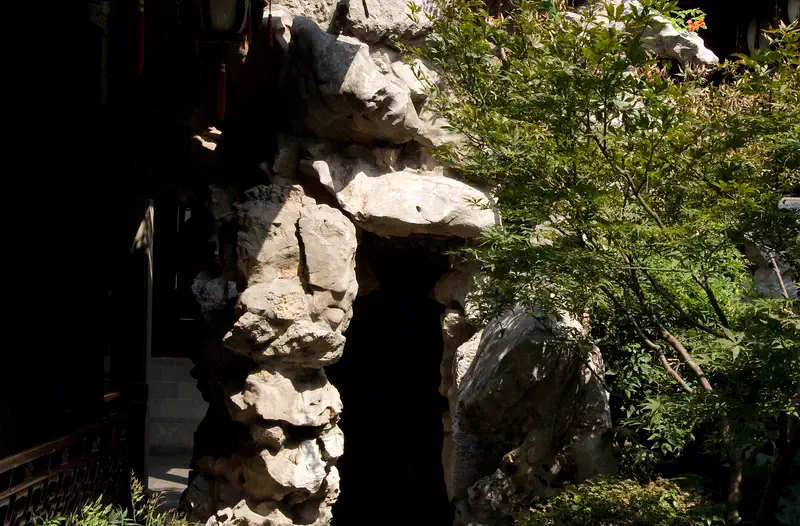
Hu Xueyan's Mansion 胡雪岩故居
Restored late-Qing merchant residence in central Hangzhou. The largest preserved private mansion of its era.
≈ 50 km from Shaoxing
China Visit Guide
Six Harmonies Pagoda
Six Harmonies Pagoda 六和塔
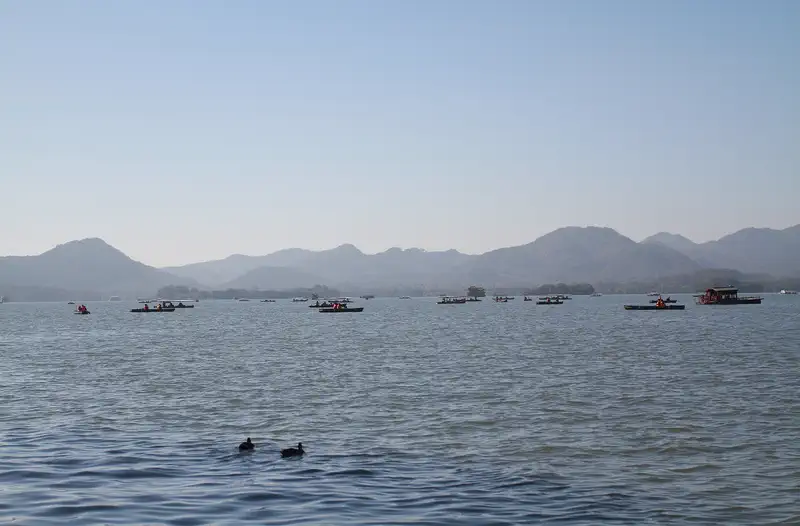
Northern Song pagoda overlooking the Qiantang River. 60m tall, 7 visible storeys (13 internal). Climbable.
≈ 50 km from Shaoxing
Other cities in Zhejiang
- Hangzhou杭州
West Lake city, ancient capital of the Southern Song dynasty and the home of Longjing tea. Marco Polo's 'Heaven on Earth' and now also the headquarters of Alibaba.
- Ningbo宁波
Major port city in Zhejiang on the East China Sea. The deepwater port at Beilun handles the largest container volume in China; the historic core preserves Tianyi Pavilion library and Ming-Qing merchant streets.
- Putuoshan普陀山
A small island in the Zhoushan Archipelago off Zhejiang, one of China's Four Sacred Buddhist Mountains and the earthly domain of Guanyin, the Bodhisattva of Compassion.
- Quzhou衢州
Zhejiang city in the Qu River valley, seat of the southern Kong family — descendants of Confucius who established a branch of the family mansion here in 1128. The Southern Kong Family Mansion and surrounding traditional county-town character give Quzhou a gentler, less-visited alternative to Qufu in Shandong.
- Wenzhou温州
Coastal Zhejiang city famous as the engine of the Wenzhou model of private entrepreneurship. The Wenzhou diaspora is among the largest Chinese commercial diasporas globally.
- Yiwu义乌
Zhejiang county-level city hosting the Yiwu International Trade City — widely regarded as the world's largest wholesale market for small commodities — where tens of thousands of international buyers and traders source products from Chinese manufacturers across five vast district halls.
Itineraries visiting Shaoxing
Food of Eastern China
- Beggar's Chicken叫花鸡
A whole chicken stuffed with aromatics, wrapped in lotus leaves and clay, then slow-baked until the meat steams in its own juices.
- Drunken Chicken醉鸡
Chicken steamed and marinated in Shaoxing rice wine, served chilled. A Shanghai banquet starter.
- Eight-Treasure Rice八宝饭
A steamed dome of glutinous rice layered with red bean paste and decorated with eight types of preserved fruits and nuts.
- Hairy Crab大闸蟹
Yangcheng Lake mitten crab — the autumn delicacy of the Yangtze Delta. Eaten steamed with vinegar dip.
Shaoxing weather by month
| Month | Jan | Feb | Mar | Apr | May | Jun | Jul | Aug | Sep | Oct | Nov | Dec |
|---|---|---|---|---|---|---|---|---|---|---|---|---|
| High °C | 10 | 12 | 17 | 22 | 26 | 29 | 33 | 33 | 28 | 23 | 19 | 11 |
| Low °C | 2 | 4 | 8 | 12 | 17 | 22 | 26 | 25 | 21 | 15 | 10 | 3 |
| Rain mm | 93 | 107 | 143 | 98 | 184 | 329 | 235 | 202 | 167 | 78 | 57 | 49 |
| Rain days | 11 | 12 | 16 | 10 | 14 | 19 | 19 | 16 | 13 | 9 | 10 | 7 |
2019–2023 average via Open-Meteo ERA5 (ERA5 reanalysis). "Rain days" = days per month with ≥1 mm precipitation.
Frequently asked questions
- When is the best time to visit Shaoxing?
- The best months to visit Shaoxing are March, April, May, October, and November. Spring (March–May) for plum blossom and canal scenery. Autumn (October–November) for comfortable temperatures.
- How many days do you need in Shaoxing?
- Plan 4 to 5 days for Shaoxing if you want to see the headline sights without rushing — Lu Xun's former residence, Orchid Pavilion (Lanting), Cangqiao historical district. Add an extra day for day trips from the city or for repeat visits to your favourite neighbourhood.
- How do you get around Shaoxing?
- Metro Line 1 (extending toward Hangzhou). Taxis and electric tricycles in the old town area. Bicycle hire available.
- What's the daily budget for Shaoxing?
- Budget guide for Shaoxing: backpackers from around ¥220/day, mid-range travellers ¥460/day, comfortable trips from ¥1050/day. These ranges cover accommodation, food, local transport and one paid sight per day, and exclude flights to and from the city.
- Where should you stay in Shaoxing?
- Hotels in the new city near the rail station, or traditional guesthouses in the Cangqiao old quarter. Shaoxing is easily visited as a day trip from Hangzhou (35 minutes by HSR), which keeps accommodation costs down.
Spotted something out of date? Submit a correction.
Research
Cross-checked against primary sources
Verified
Address, hours, fees confirmed at the date shown
Updated
Re-verified periodically; corrections welcome