CITY · ZHEJIANG
Yiwu
义乌 · Yìwū
Overview
Zhejiang county-level city hosting the Yiwu International Trade City — widely regarded as the world's largest wholesale market for small commodities — where tens of thousands of international buyers and traders source products from Chinese manufacturers across five vast district halls.
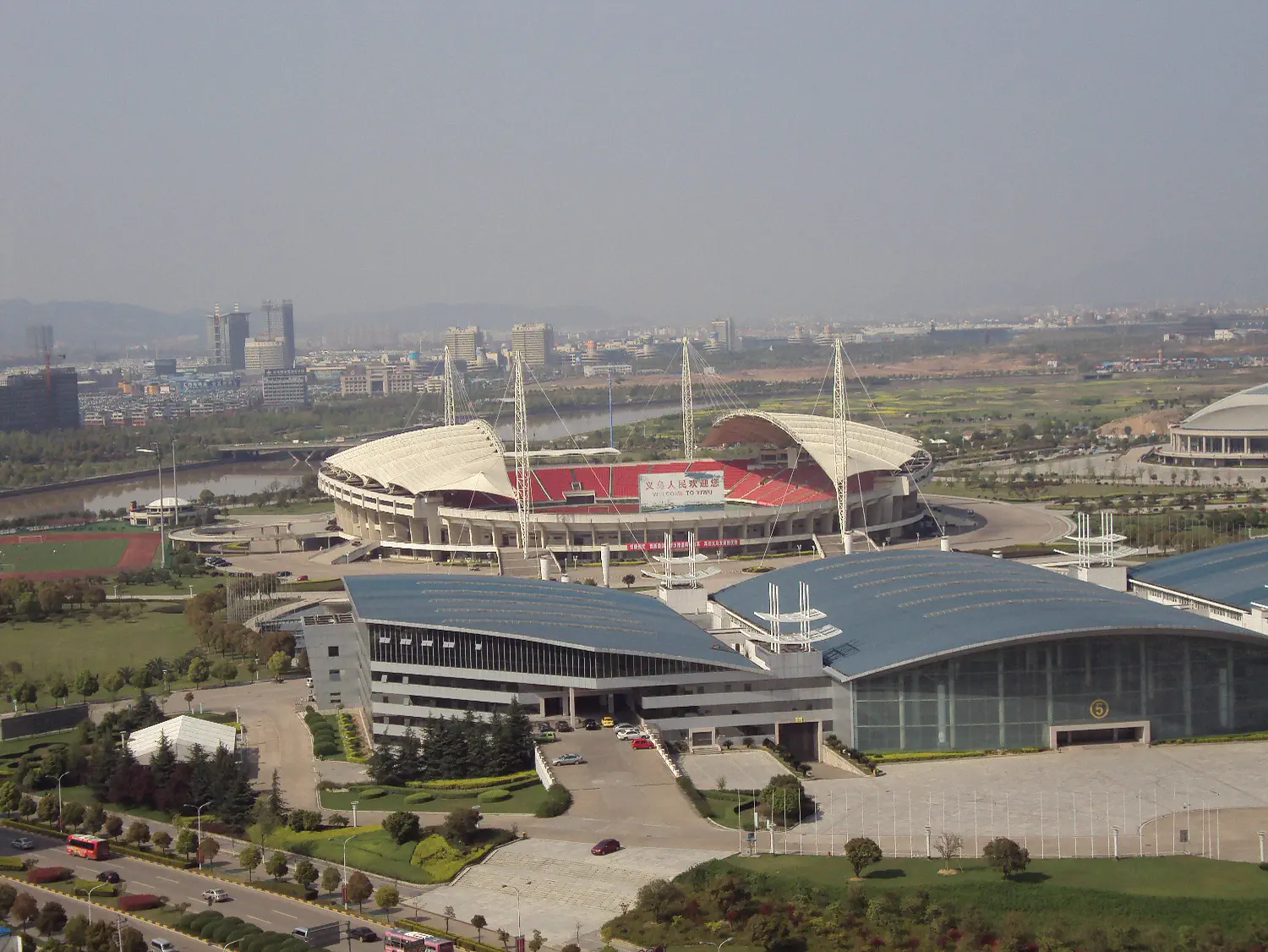
Yiwu occupies a basin in central Zhejiang province between Hangzhou and Wenzhou. For much of its history it was a modest market town, known for trading in goods of small individual value but large collective volume — a commercial culture that evolved into the Yiwu International Trade City (Futian Market), a complex so large that even experienced buyers need several days to cover it properly.
The market complex is divided into five districts covering approximately 5.5 million square metres of trading floor space. The range of goods is comprehensive in a way that is difficult to convey without visiting: toys, hardware, textiles, jewellery, sports equipment, Christmas decorations, stationery, artificial flowers, and daily-use household commodities each occupy dedicated zones, with thousands of stalls per category. Minimum order quantities in Yiwu are lower than at factory-direct sources, making the market accessible to importers operating at smaller scale than China's major export fairs require. An estimated 500,000 international buyers visit annually, representing over 200 countries — the Arab, African, and South Asian trading communities in Yiwu are large enough to have generated dedicated restaurant districts, mosques, and cultural infrastructure.
The international profile of Yiwu extended further with the launch of the Yiwu–London and Yiwu–Madrid freight rail routes under the Belt and Road Initiative — Yiwu is promoted as the eastern terminus of these overland container connections, though the volume of rail freight remains a fraction of seaborne trade.
Perhaps the most counterintuitive fact about Yiwu is its role as the global centre of the Christmas decoration trade: an estimated 60–70 per cent of the world's Christmas ornaments, lights, and related products are manufactured or wholesale-traded in and around Yiwu, generating a year-round trade in a product category tied to a festival that no local population observes.
Beyond the market, Yiwu has a functioning city with parks, shopping streets, and a cosmopolitan food scene shaped by its international trader community. The China Commodities City Museum provides historical context for the market's evolution from a street trading tradition. Dongyang, 30 km east, is a major wood carving centre and a day excursion for buyers with an interest in decorative goods.
What to see
- Yiwu International Trade City (Futian Market) — five-district wholesale market
- District 1 (toys, gifts, stationery) — the most internationally recognised section
- District 5 (international trade and professional services) — tailored to export buyers
- China Commodities City Museum — history and context for the Yiwu market phenomenon
- Guomao commercial district — conventional retail and dining in the city centre
- International Trading Agent offices — dozens of English-speaking sourcing agents operate adjacent to the market
- Dongyang wood-carving workshops (30 km) — Dongyang is a major decorative woodcarving centre, accessible as a day trip
- Yiwu International Logistics Centre — freight hub and Belt and Road exhibition displays
What to eat
- Dongyang pork trotter (东阳猪脚) — slow-braised pork leg in soy and spices, a Zhejiang speciality from the neighbouring county
- Arab-style grilled meats and flatbreads — the sizeable Middle Eastern trading community has generated dedicated restaurant streets near the market
- Zhejiang freshwater fish dishes — lake fish steamed or braised in the coastal Zhejiang tradition
- Yiwu beancurd pudding (豆腐脑) — silken tofu with toppings sold from street stalls at market hours
- Hand-pulled noodles (拉面) — Muslim-operated noodle shops catering to the halal requirement of Arab and African traders
- Dim sum and Cantonese-style teahouses — the commercial culture has imported Cantonese food traditions alongside its buyers
Getting there
Yiwu Airport (YIW) operates domestic flights to Beijing, Shanghai, Guangzhou, and major interior cities. High-speed rail connects Yiwu to Hangzhou (45 minutes), Shanghai Hongqiao (1.5 hours), and Guangzhou (3.5 hours). From Hangzhou, Yiwu is the most convenient market access from a major hub. The International Trade City is approximately 5 km from Yiwu railway station by taxi.
Getting around
Taxis and ride-hailing apps serve the city efficiently. The market complex has its own internal shuttle carts for moving between districts. English signage in and around the market is better than in most Chinese cities of comparable size, reflecting the volume of international trade visitors.
Where to stay
Accommodation is abundant and competitive near the market, ranging from budget guesthouses on trading streets to business-class hotels adjacent to District 1 and 5 entrances. Prices are reasonable by coastal Zhejiang standards. Book ahead during the Canton Fair periods (April and October) and Chinese New Year, when demand from traders and suppliers spikes.
We list neighbourhoods, not specific hotels — we don't endorse hotels.
When to go
The market operates year-round and is the primary reason to visit Yiwu. Spring (March–May) and autumn (September–November) offer comfortable temperatures. Summer is hot and humid; January–February sees a slowdown around Chinese New Year when many stalls close for several weeks. The busiest market periods coincide with Canton Fair months — April and October — which also represent the best time to understand the scale of activity.
Budget guide (CNY per day)
| Backpacker | ¥180 |
| Mid-range | ¥420 |
| Comfortable | ¥950 |
Nearby attractions
Day trips within 150 km
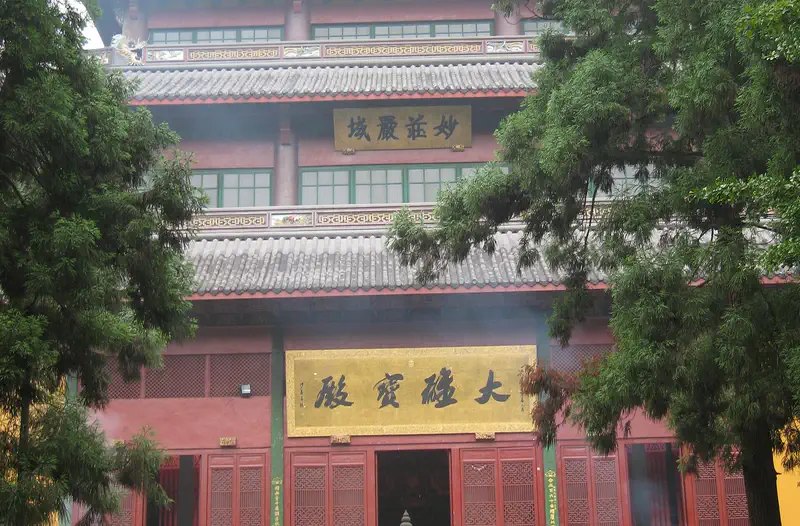
Other cities in Zhejiang
- Hangzhou杭州
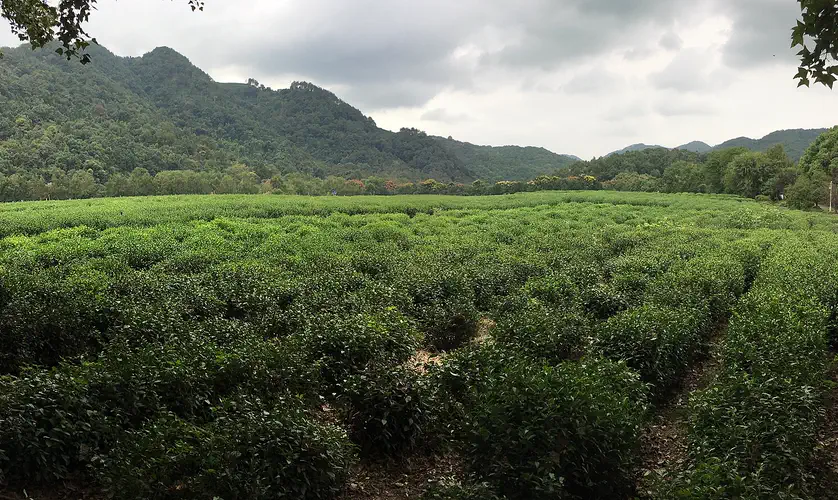
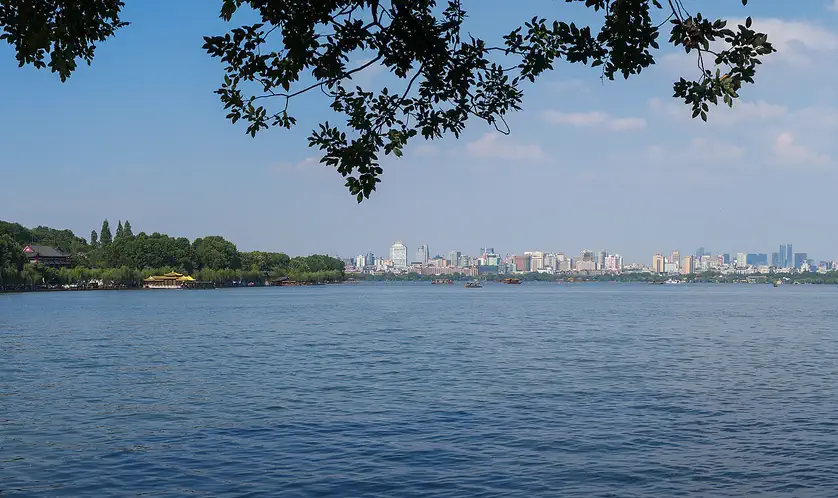
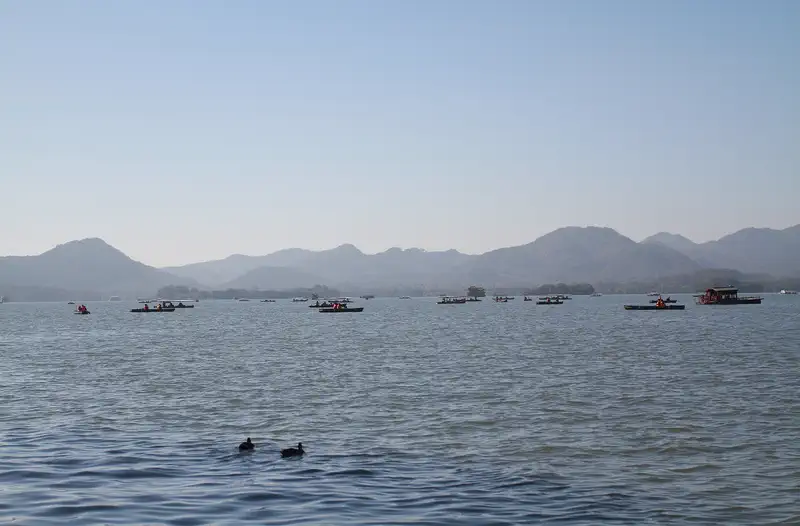
West Lake city, ancient capital of the Southern Song dynasty and the home of Longjing tea. Marco Polo's 'Heaven on Earth' and now also the headquarters of Alibaba.
- Ningbo宁波
Major port city in Zhejiang on the East China Sea. The deepwater port at Beilun handles the largest container volume in China; the historic core preserves Tianyi Pavilion library and Ming-Qing merchant streets.
- Putuoshan普陀山
A small island in the Zhoushan Archipelago off Zhejiang, one of China's Four Sacred Buddhist Mountains and the earthly domain of Guanyin, the Bodhisattva of Compassion.
- Quzhou衢州
Zhejiang city in the Qu River valley, seat of the southern Kong family — descendants of Confucius who established a branch of the family mansion here in 1128. The Southern Kong Family Mansion and surrounding traditional county-town character give Quzhou a gentler, less-visited alternative to Qufu in Shandong.
- Shaoxing绍兴
Ancient Jiangnan canal city in Zhejiang, birthplace of the writer Lu Xun and associated with Shaoxing rice wine and traditional waterway culture. Stone bridges, black-awning boats, and the Orchid Pavilion calligraphy site make it a logical extension of a Hangzhou visit.
- Wenzhou温州
Coastal Zhejiang city famous as the engine of the Wenzhou model of private entrepreneurship. The Wenzhou diaspora is among the largest Chinese commercial diasporas globally.
Itineraries visiting Yiwu
Food of Eastern China
- Beggar's Chicken叫花鸡
A whole chicken stuffed with aromatics, wrapped in lotus leaves and clay, then slow-baked until the meat steams in its own juices.
- Drunken Chicken醉鸡
Chicken steamed and marinated in Shaoxing rice wine, served chilled. A Shanghai banquet starter.
- Eight-Treasure Rice八宝饭
A steamed dome of glutinous rice layered with red bean paste and decorated with eight types of preserved fruits and nuts.
- Hairy Crab大闸蟹
Yangcheng Lake mitten crab — the autumn delicacy of the Yangtze Delta. Eaten steamed with vinegar dip.
Yiwu weather by month
| Month | Jan | Feb | Mar | Apr | May | Jun | Jul | Aug | Sep | Oct | Nov | Dec |
|---|---|---|---|---|---|---|---|---|---|---|---|---|
| High °C | 11 | 13 | 18 | 22 | 27 | 29 | 33 | 34 | 30 | 25 | 20 | 12 |
| Low °C | 2 | 4 | 8 | 12 | 17 | 22 | 25 | 25 | 21 | 15 | 10 | 3 |
| Rain mm | 79 | 106 | 159 | 121 | 201 | 334 | 231 | 157 | 98 | 45 | 50 | 45 |
| Rain days | 10 | 14 | 16 | 12 | 14 | 19 | 16 | 13 | 11 | 8 | 8 | 7 |
2019–2023 average via Open-Meteo ERA5 (ERA5 reanalysis). "Rain days" = days per month with ≥1 mm precipitation.
Frequently asked questions
- When is the best time to visit Yiwu?
- The best months to visit Yiwu are March, April, May, September, October, and November. The market operates year-round and is the primary reason to visit Yiwu. Spring (March–May) and autumn (September–November) offer comfortable temperatures.
- How many days do you need in Yiwu?
- Plan 4 to 5 days for Yiwu if you want to see the headline sights without rushing — Yiwu International Trade City (Futian Market), District 1 (toys, gifts, stationery), District 5 (international trade and professional services). Add an extra day for day trips from the city or for repeat visits to your favourite neighbourhood.
- How do you get around Yiwu?
- Taxis and ride-hailing apps serve the city efficiently. The market complex has its own internal shuttle carts for moving between districts. English signage in and around the market is better than in most Chinese cities of comparable size, reflecting the volume of international trade visitors.
- What's the daily budget for Yiwu?
- Budget guide for Yiwu: backpackers from around ¥180/day, mid-range travellers ¥420/day, comfortable trips from ¥950/day. These ranges cover accommodation, food, local transport and one paid sight per day, and exclude flights to and from the city.
- Where should you stay in Yiwu?
- Accommodation is abundant and competitive near the market, ranging from budget guesthouses on trading streets to business-class hotels adjacent to District 1 and 5 entrances. Prices are reasonable by coastal Zhejiang standards. Book ahead during the Canton Fair periods (April and October) and Chinese New Year, when demand from traders and suppliers spikes.
Spotted something out of date? Submit a correction.
Research
Cross-checked against primary sources
Verified
Address, hours, fees confirmed at the date shown
Updated
Re-verified periodically; corrections welcome