CITY · INNER MONGOLIA
Xilinhot
锡林浩特 · Xīlínhàotè
Overview
The capital of the Xilingol League in Inner Mongolia, gateway to one of China's largest remaining open grassland ecosystems and a centre of Mongolian herder culture.
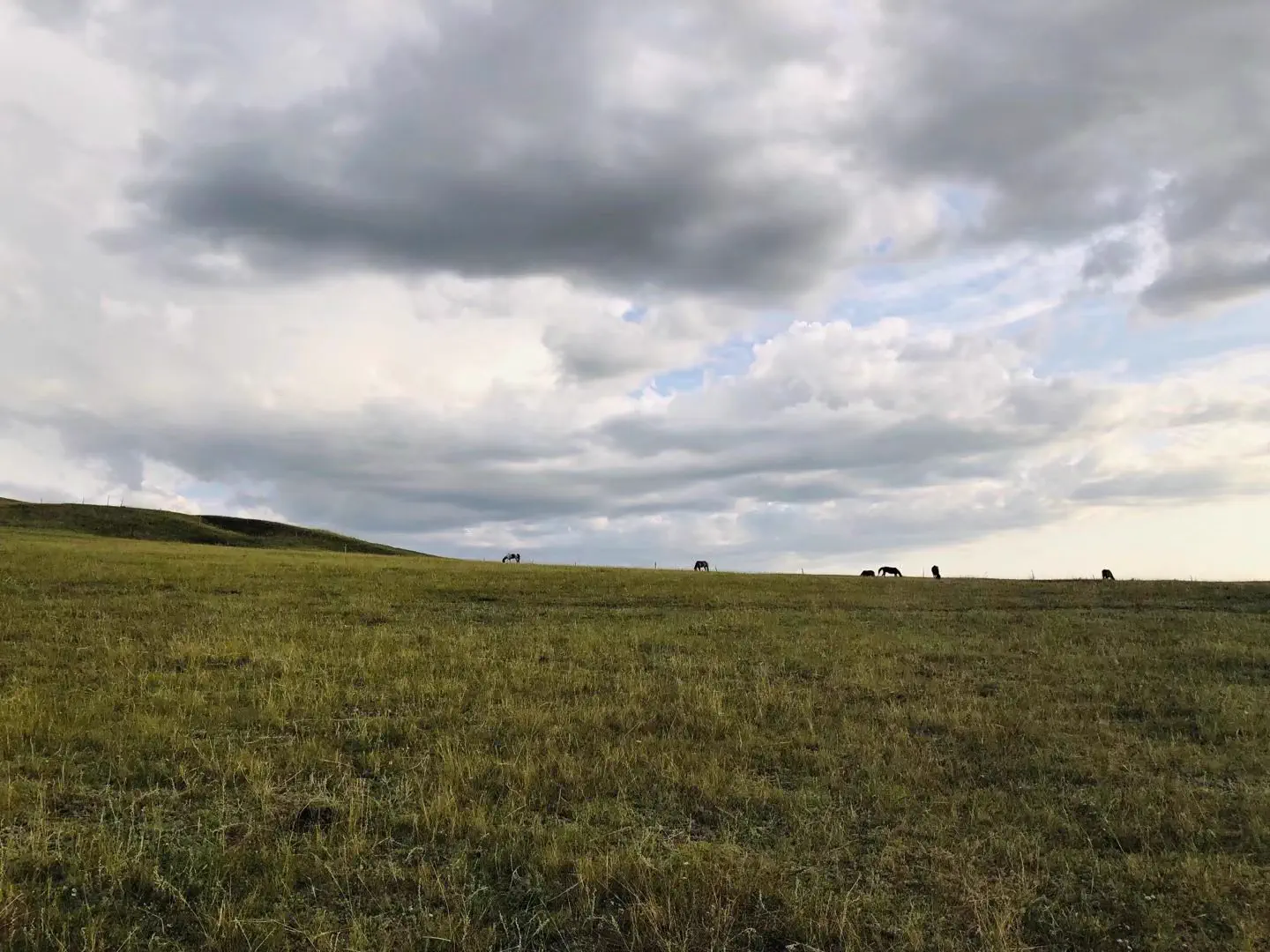
Xilinhot (Xilin Hot) is the capital of the Xilingol League (Xilin Gol Meng) in Inner Mongolia Autonomous Region. It sits at approximately 990 metres on the vast Mongolian steppe — one of the world's great grassland ecosystems — and is the administrative and commercial hub for an enormous territory of open herding land. The Xilingol grassland is often regarded as the most representative of the Inner Mongolian steppe: less degraded than many areas closer to Beijing and the Chinese agricultural frontier, it retains much of the traditional character of Mongolian pastoralism.
Tourism to Xilinhot centres almost entirely on grassland experiences: yurt stays with herding families, horse riding on the open steppe, attending summer Naadam festivals with wrestling, archery and horse racing, and observing the nomadic herding culture of the Mongolian people. The grassland around the city — particularly the Baiyinxile Grassland scenic area and the Hunshan Dake Sandy Land — offers accessible open steppe landscape within 20–40 km of the city.
Xilinhot is also associated with White Horse (Bailima) culture — a local tradition of white horse breeding that holds symbolic significance in Mongolian culture. The Mongolian Wild Horse Breeding Base near the city works with the endangered Przewalski's horse.
The city has a direct flight connection to Beijing and some other cities, making it accessible for grassland visits without the long overland journey from Hohhot.
Cultural & access notes
The Mongolian herder culture places great importance on hospitality — accepting food and drink offered by a host is a social obligation. Milk tea and airag (fermented mare's milk) are offered to guests. Do not refuse food outright; accepting even a sip or small taste is the appropriate response. When visiting a yurt, always enter from the right side and leave the central fire undisturbed.
What to see
- Baiyinxile Grassland — the main scenic area for yurt stays and horse riding
- Naadam Festival (July–August) — the traditional Mongolian festival with wrestling, archery and horse racing
- Mongolian Wild Horse Breeding Base — Przewalski's horse conservation centre
- Hunshan Dake Sandy Land — a sand dune area within the grassland, offering a different landscape contrast
- Beizi Temple — a Tibetan Buddhist lamasery active within the city
What to eat
- Whole roasted lamb (kaoquan yang) — the centrepiece of Mongolian hospitality
- Hand-grabbed mutton (shou zhua rou) — boiled mutton eaten by hand in the Mongolian tradition
- Milk tea (nai cha) — salted tea with fresh or dried milk, the daily Mongolian drink
- Fried rice with milk skin (nai pi)
- Air-dried beef jerky — a steppe preservation tradition
Getting there
Xilinhot Airport (XIL) has direct flights to Beijing (approximately 1.5 hours) and some seasonal routes to other cities. From Hohhot by long-distance bus approximately 8 hours; from Beijing by rail approximately 12 hours.
Getting around
The city is served by taxis. Grassland scenic areas require hired vehicles or tour operators — public transport does not cover the steppe areas. Most yurt-stay experiences include transport from the city.
Where to stay
Xilinhot city has standard Chinese hotels. Yurt accommodation in the grassland scenic area is the more atmospheric option — basic but increasingly comfortable, with traditional Mongolian meals included.
We list neighbourhoods, not specific hotels — we don't endorse hotels.
When to go
June–August is the only practical season for grassland visits: the steppe is green, temperatures are pleasant (20–28°C daytime), and Naadam festivals occur throughout July and August. Before June and after September, temperatures drop sharply; autumn can turn cold rapidly in October.
Budget guide (CNY per day)
| Backpacker | ¥200 |
| Mid-range | ¥420 |
| Comfortable | ¥850 |
Safety notes
Grassland riding requires appropriate experience or guided assistance — horses on the steppe are working animals, not riding school ponies. Sun protection is essential on the open steppe. Sudden summer storms can be severe.
Other cities in Inner Mongolia
- Baotou包头
Inner Mongolia's largest city and China's rare earth capital, sitting on the Yellow River bend below the Yin Mountains. Home to Wudang Lamasery, one of China's five great Tibetan Buddhist monasteries, and a working-class industrial character that tourist itineraries rarely encounter.
- Erenhot二连浩特
China's primary land border crossing with Mongolia, on the southern edge of the Gobi Desert. Internationally known for its Cretaceous dinosaur fossil sites, Erenhot is a small frontier city that doubles as a gateway to Ulaanbaatar and a palaeontology landmark.
- Hohhot呼和浩特
Capital of Inner Mongolia. Mongolian and Han cultures intertwined; Tibetan Buddhist monasteries, the Inner Mongolia Museum, and the Xilamuren grasslands within driving distance.
- Hulunbuir呼伦贝尔
Prefecture-level city in northeastern Inner Mongolia encompassing the Hulunbuir Grasslands — one of the largest and least-degraded steppe grasslands remaining in the world. Summer yurt tourism, Evenki and Daur minority culture, and the taiga forests of the Greater Khingan Range.
- Manzhouli满洲里
China's largest land border crossing with Russia, on the edge of the Hulunbuir grasslands in Inner Mongolia. Famous for matryoshka dolls, Cyrillic shopfronts, Russian goods markets, and the Trans-Siberian Railway gateway. A genuine cultural frontier town.
Itineraries visiting Xilinhot
Food of Northern China
- Beijing Lamb Hot Pot涮羊肉
Beijing-Mongolian style hot pot — clear broth, thinly-sliced lamb, sesame-paste dipping sauce.
- Boiled Dumplings (Shuijiao)水饺
Wheat-wrapper dumplings filled with pork-and-cabbage, lamb-and-leek, or vegetable, boiled and served with vinegar.
- Cat's Ear Noodles猫耳朵
Small thumbnail-pinched Shanxi pasta, shaped like cat's ears. Stir-fried with vegetables or in soup.
- Goubuli Baozi狗不理包子
Tianjin's signature steamed pork buns. The original house, founded 1858, is still operating.
Xilinhot weather by month
| Month | Jan | Feb | Mar | Apr | May | Jun | Jul | Aug | Sep | Oct | Nov | Dec |
|---|---|---|---|---|---|---|---|---|---|---|---|---|
| High °C | -9 | -5 | 5 | 13 | 20 | 26 | 29 | 26 | 22 | 11 | 0 | -10 |
| Low °C | -21 | -19 | -7 | -1 | 5 | 13 | 16 | 14 | 9 | -1 | -10 | -20 |
| Rain mm | 3 | 7 | 7 | 15 | 34 | 40 | 67 | 47 | 30 | 18 | 14 | 6 |
| Rain days | 1 | 2 | 2 | 4 | 6 | 8 | 11 | 8 | 5 | 5 | 3 | 2 |
2019–2023 average via Open-Meteo ERA5 (ERA5 reanalysis). "Rain days" = days per month with ≥1 mm precipitation.
Frequently asked questions
- When is the best time to visit Xilinhot?
- The best months to visit Xilinhot are June, July, and August. June–August is the only practical season for grassland visits: the steppe is green, temperatures are pleasant (20–28°C daytime), and Naadam festivals occur throughout July and August. Before June and after September, temperatures drop sharply; autumn can turn cold rapidly in October.
- How many days do you need in Xilinhot?
- Plan 3 days for Xilinhot if you want to see the headline sights without rushing — Baiyinxile Grassland, Naadam Festival (July, Mongolian Wild Horse Breeding Base. Add an extra day for day trips from the city or for repeat visits to your favourite neighbourhood.
- Is Xilinhot safe for tourists?
- Grassland riding requires appropriate experience or guided assistance — horses on the steppe are working animals, not riding school ponies. Sun protection is essential on the open steppe. Sudden summer storms can be severe.
- How do you get around Xilinhot?
- The city is served by taxis. Grassland scenic areas require hired vehicles or tour operators — public transport does not cover the steppe areas. Most yurt-stay experiences include transport from the city.
- What's the daily budget for Xilinhot?
- Budget guide for Xilinhot: backpackers from around ¥200/day, mid-range travellers ¥420/day, comfortable trips from ¥850/day. These ranges cover accommodation, food, local transport and one paid sight per day, and exclude flights to and from the city.
- Where should you stay in Xilinhot?
- Xilinhot city has standard Chinese hotels. Yurt accommodation in the grassland scenic area is the more atmospheric option — basic but increasingly comfortable, with traditional Mongolian meals included.
Spotted something out of date? Submit a correction.
Research
Cross-checked against primary sources
Verified
Address, hours, fees confirmed at the date shown
Updated
Re-verified periodically; corrections welcome