CITY · HUBEI
Shennongjia
神农架 · Shénnóngjià
Overview
A national park and UNESCO World Biosphere Reserve in western Hubei containing one of China's most intact temperate forest ecosystems, named for the mythical Emperor Shennong who gathered medicinal herbs on its peaks.
Shennongjia Forestry District is a remote forested massif in western Hubei province, designated both a UNESCO World Biosphere Reserve (1990) and a UNESCO World Natural Heritage Site (2016). The area takes its name from the mythological divine farmer Emperor Shennong — one of the legendary culture heroes of ancient China — who is said to have climbed frame by frame (jia) through the forest here to collect medicinal plants. The Shennongding peak at 3,106 metres is the highest point in the district and one of the highest in central China.
Shennongjia is one of China's most biologically significant protected areas. The forests have remained relatively intact due to the combination of difficult terrain and strict protection. They support populations of golden snub-nosed monkeys (the district's symbol animal), Chinese white bears (a rare white-phase variant of the Asian black bear), Chinese giant salamanders, and hundreds of plant species including several endemic to this mountain system. The native plant pharmacy — the basis for the Shennong legend — is represented by thousands of medicinal herb species documented in the forest.
The district is also associated with the persistent legend of a large unknown primate — a Wildman (Yeren) said to have been sighted in the forest over many decades. No biological confirmation exists, but the legend is taken seriously enough to have sustained a dedicated research station. The mystery adds a layer of folklore to the already remote and forested landscape.
Wuhan is the main gateway city, approximately 400 km east. Yichang is closer at about 200 km. The district has a small airport with limited connections.
Cultural & access notes
Shennongjia has an important place in Chinese mythological geography — the association with Emperor Shennong, the divine farmer who taught humanity agriculture and herbal medicine, gives the landscape a cultural weight beyond its ecological significance. The district's herbal medicine tradition connects to the oldest strands of Chinese traditional medicine practice.
What to see
- Shennongding Scenic Area — the highest peak zone with forest observation platforms
- Golden snub-nosed monkey reserve — semi-wild troops observable from designated platforms
- Dalongtan Black Bear Research Base — black bear and white bear observation
- Tianmen Vertical Mountain — a spectacular exposed rock face with observation area
- Shennongjia Alpine Garden — subalpine vegetation and medicinal plant collection
- Old Forest Drive (Laojun Mountain area) — the most pristine section of forest, closed to general visitors
What to eat
- Wild mushroom dishes — the district produces exceptional varieties of foraged mushrooms
- Wild boar meat — farmed in the district and available at local restaurants
- Mountain herbs in soup and broth — the Shennong herbal medicine tradition in local cooking
- Tujia-style fermented and pickled dishes — from the Tujia minority communities in the surrounding area
- Corn congee and highland grain dishes — staple of the mountain communities
Getting there
Shennongjia Airport (HPG) has flights from Wuhan, Xi'an and some seasonal routes. From Wuhan by road approximately 5–6 hours via the Yichang direction. From Yichang, direct coaches to the district take about 3 hours. A high-speed rail line to nearby areas is under planning.
Getting around
The scenic areas within the district are spread across a large area. Tourist shuttles operate within the main scenic area zones. Hired vehicles or tour operators are recommended for covering multiple sites. The district's roads wind through dense forest at varying elevations.
Where to stay
Muyu Town at the district entrance and Songbai Town near the centre of the district are the main accommodation bases. Hotels range from budget to comfortable mid-range. Booking ahead for the May–June wildflower season and September–October autumn period is recommended.
We list neighbourhoods, not specific hotels — we don't endorse hotels.
When to go
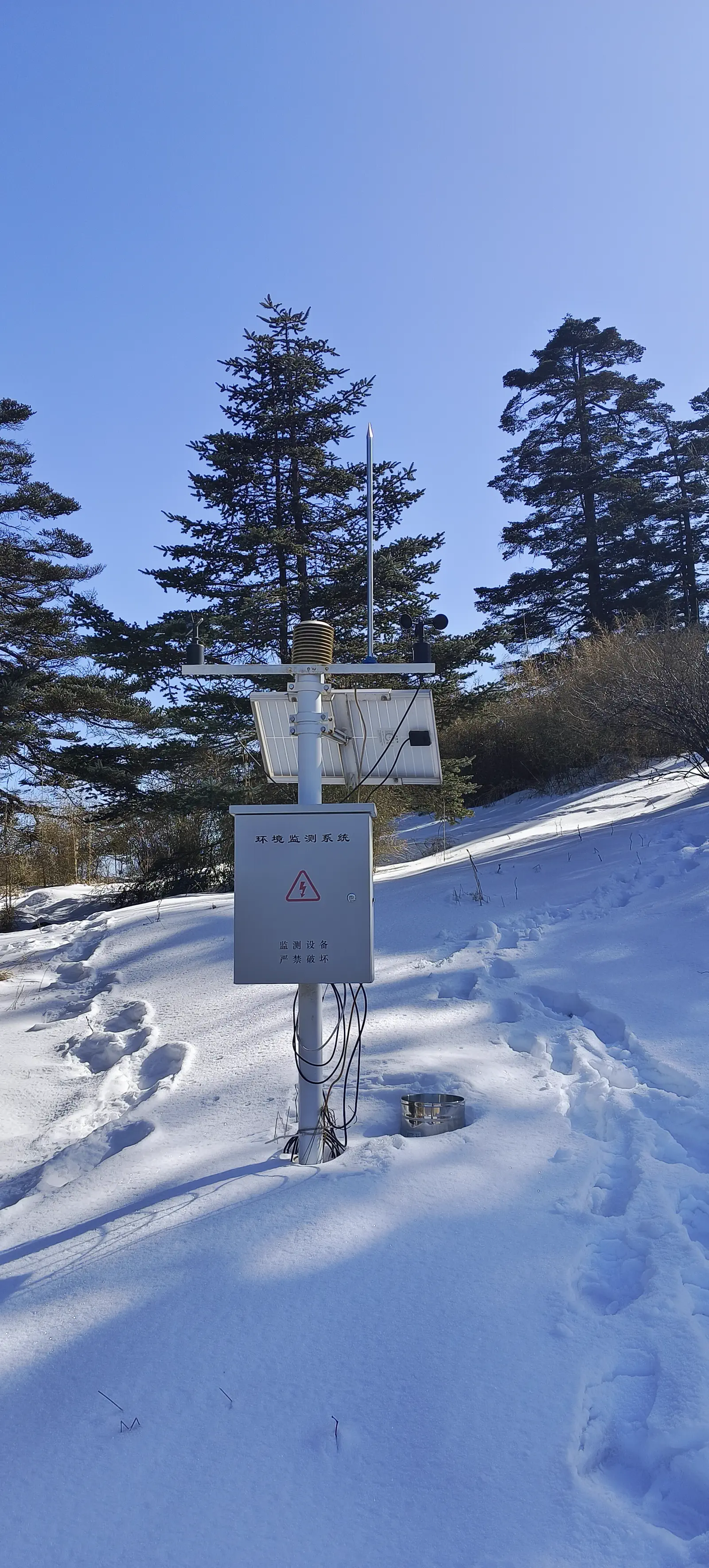
May–June (rhododendron and wildflower bloom on the high slopes) and September–October (autumn foliage and clear visibility) are the best periods. Summer (July–August) is warm and busy with domestic tourism. Winter brings snow and closes higher-elevation roads; the forest in snow is scenic but road access is restricted.
Budget guide (CNY per day)
| Backpacker | ¥200 |
| Mid-range | ¥420 |
| Comfortable | ¥850 |
Safety notes
The district roads are mountain roads with steep sections and limited barriers in places. Wildlife encounters are possible — the district is a functioning nature reserve, not a zoo. The golden snub-nosed monkey viewing areas are managed for safety; follow guide instructions.
Nearby attractions
Day trips within 150 km
Other cities in Hubei
- Wudang Mountains武当山
A UNESCO-listed mountain complex of Daoist temples and palaces in Hubei, regarded as the birthplace of Taijiquan and a living centre of Daoist martial arts practice.
- Wuhan武汉
China's central transport hub at the meeting of the Yangtze and Han rivers. Yellow Crane Tower, East Lake, the spicy noodle breakfast (re gan mian), and the country's largest university belt.
- Yichang宜昌
Yangtze River city at the eastern end of the Three Gorges. The Three Gorges Dam (the world's largest hydroelectric station) is 40 km upstream; most Yangtze cruises terminate or originate here.
Food of Central China
- Chairman Mao's Red-Braised Pork毛氏红烧肉
Hunan-style slow-braised pork belly in soy, Shaoxing wine and chilli — the dish Mao Zedong reportedly ate weekly in Zhongnanhai.
- Doupi (Wuhan Tofu Skin)豆皮
Wuhan breakfast: layered pan-fried tofu skin and rice cake with mushroom, ham and bamboo shoots inside.
- Fish Head with Chopped Chilli剁椒鱼头
A whole silver carp head blanketed with fermented chopped red chilli and steamed until the flesh is silky and fiery.
- Hunan Chilli Fried Pork小炒肉
Thin-sliced pork belly wok-fried with fresh long green chillies and fermented black beans — Hunan's most-ordered everyday dish.
Shennongjia weather by month
| Month | Jan | Feb | Mar | Apr | May | Jun | Jul | Aug | Sep | Oct | Nov | Dec |
|---|---|---|---|---|---|---|---|---|---|---|---|---|
| High °C | 7 | 9 | 15 | 18 | 23 | 27 | 28 | 29 | 24 | 18 | 14 | 8 |
| Low °C | -1 | 0 | 4 | 8 | 13 | 18 | 20 | 20 | 16 | 10 | 5 | 0 |
| Rain mm | 22 | 24 | 76 | 88 | 74 | 168 | 154 | 153 | 110 | 89 | 50 | 15 |
| Rain days | 6 | 7 | 11 | 12 | 12 | 14 | 19 | 16 | 13 | 12 | 9 | 5 |
2019–2023 average via Open-Meteo ERA5 (ERA5 reanalysis). "Rain days" = days per month with ≥1 mm precipitation.
Frequently asked questions
- When is the best time to visit Shennongjia?
- The best months to visit Shennongjia are May, June, September, and October. May–June (rhododendron and wildflower bloom on the high slopes) and September–October (autumn foliage and clear visibility) are the best periods. Summer (July–August) is warm and busy with domestic tourism.
- How many days do you need in Shennongjia?
- Plan 3 days for Shennongjia if you want to see the headline sights without rushing — Shennongding Scenic Area, Golden snub, Dalongtan Black Bear Research Base. Add an extra day for day trips from the city or for repeat visits to your favourite neighbourhood.
- Is Shennongjia safe for tourists?
- The district roads are mountain roads with steep sections and limited barriers in places. Wildlife encounters are possible — the district is a functioning nature reserve, not a zoo. The golden snub-nosed monkey viewing areas are managed for safety; follow guide instructions.
- How do you get around Shennongjia?
- The scenic areas within the district are spread across a large area. Tourist shuttles operate within the main scenic area zones. Hired vehicles or tour operators are recommended for covering multiple sites.
- What's the daily budget for Shennongjia?
- Budget guide for Shennongjia: backpackers from around ¥200/day, mid-range travellers ¥420/day, comfortable trips from ¥850/day. These ranges cover accommodation, food, local transport and one paid sight per day, and exclude flights to and from the city.
- Where should you stay in Shennongjia?
- Muyu Town at the district entrance and Songbai Town near the centre of the district are the main accommodation bases. Hotels range from budget to comfortable mid-range. Booking ahead for the May–June wildflower season and September–October autumn period is recommended.
Spotted something out of date? Submit a correction.
Research
Cross-checked against primary sources
Verified
Address, hours, fees confirmed at the date shown
Updated
Re-verified periodically; corrections welcome