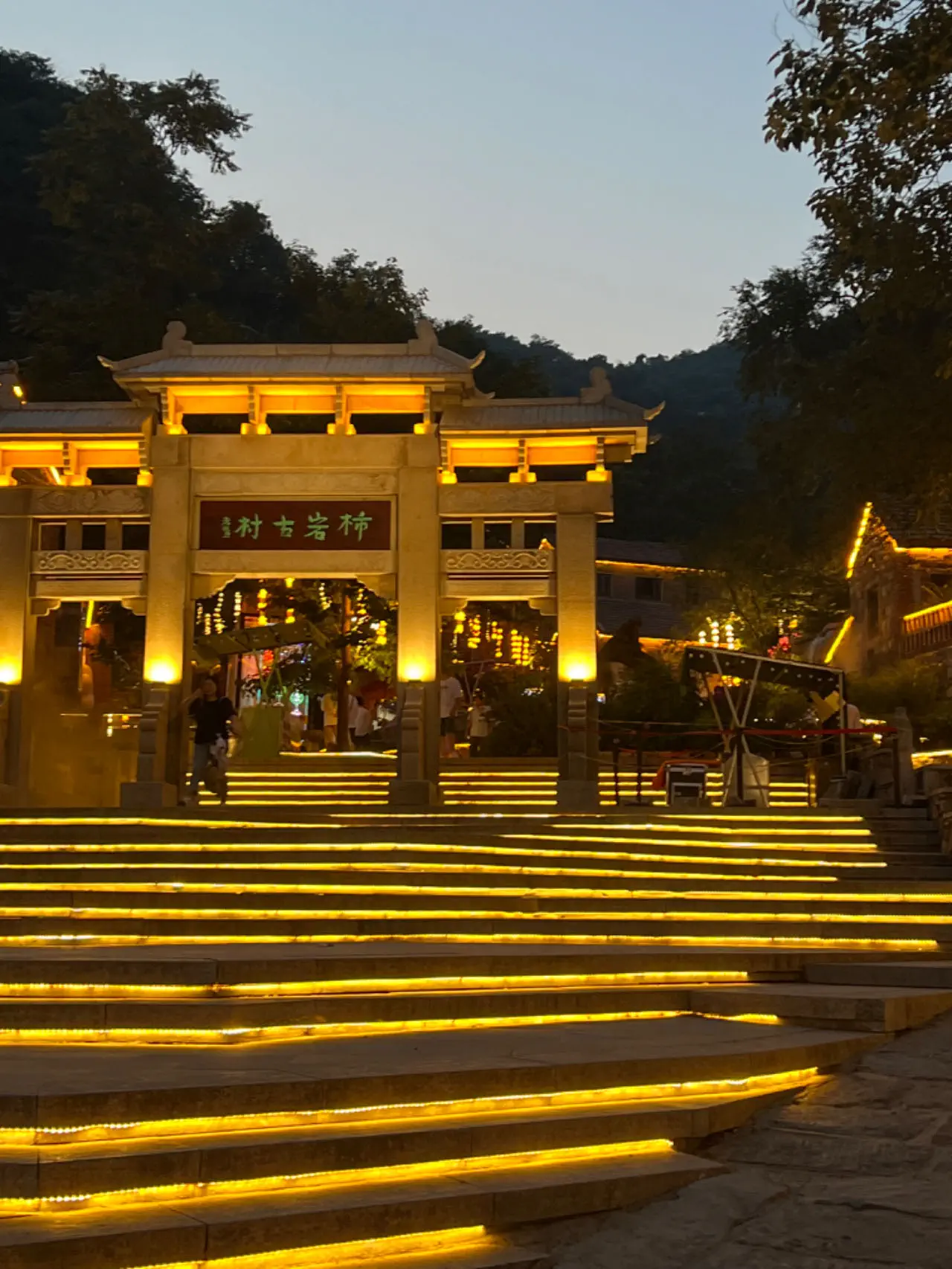
CITY · SHANDONG
Zibo
淄博 · Zībó
Overview
Shandong city with more than 2,700 years of ceramic and glass-making history, centred on the ancient state of Qi whose capital Linzi once rivalled the Zhou royal court. The Zibo Ceramic Museum and the Linzi historic site are the primary draws; a barbecue craze in 2023 briefly made it a viral domestic tourism phenomenon.
Zibo's history reaches back to the eighth century BCE when Linzi — now an outer district of the modern city — served as the capital of the Qi state, one of the most powerful of the Warring States period. At its height, Linzi was one of the largest cities in the world, a commercial and intellectual centre where the Jixia Academy attracted philosophers including Mencius and Xunzi. The earthen walls of the ancient capital are still partially visible, and the Linzi Museum of Qi Culture provides the most thorough account of this period available in Shandong.
Zibo's more tangible legacy is ceramics. The region has produced pottery since the Neolithic period, and organised glazed ceramic production has run continuously since the Tang dynasty. The Zibo Ceramic Art Centre and several working kilns in the Zichuan district preserve techniques for coloured glaze, crystalline glaze, and soda-lime glass — Zibo is also one of China's principal glassware manufacturing centres, with the China Glass Museum documenting its industrial history alongside ancient techniques.
In 2023 Zibo briefly became a national phenomenon after videos of its specific style of charcoal barbecue — small portions of lamb and pork grilled on individual pocket-sized stoves, wrapped in thin spring onion pancakes with sweet paste — went viral on Douyin. The city authorities managed the surge with notable competence, running special trains from Beijing and Shanghai and setting up temporary barbecue streets. The barbecue strips in Zichuan and Zhangdian districts remain busy with domestic visitors who make the trip specifically for the food.
The surrounding area includes the ancient Zhoulong River valley, the Qilu Folk Culture Village, and the Boshan area known for its distinctive local cuisine (Boshan cuisine is a subset of Lu cuisine with a strong vinegar and sweet note) and glass artisans.
Cultural & access notes
Linzi and the Qi state legacy are points of genuine local pride. The Qi state's intellectual tradition — Jixia Academy — was one of the founding environments of Confucianism and Taoism. The glass and ceramic traditions are living industries rather than heritage performances.
What to see
- Linzi Museum of Qi Culture — archaeology of the ancient Qi capital, bronze vessels, chariots
- Ancient Linzi City walls — earthen ramparts of the Warring States capital
- Zibo Ceramic Art Centre — live demonstrations, gallery, kiln visits
- China Glass Museum — 2,000 years of Zibo glass-making
- Boshan district — glass artisan workshops, Boshan cuisine
- Qilu Folk Culture Village — reconstructed historic village, folk crafts
- Barbecue streets (Zichuan) — the dish that made Zibo temporarily famous nationwide
What to eat
- Zibo barbecue (Zibo shaokao) — individual charcoal stoves, lamb and pork, spring onion pancakes with sweet paste
- Boshan-style tofu — distinctive local preparation, firm and dense, dressed with vinegar-based sauce
- Congee with preserved vegetables — a Boshan breakfast staple
- Lu cuisine banquet dishes — whole fish, braised pork knuckle, sea cucumber, at formal restaurants
- Linzi mutton soup — slow-cooked, served with flatbread
- Ceramic tea ceremony sets — not food, but buying a locally-made tea set is an appropriate local purchase
Getting there
The nearest major airport is Jinan Yaoqiang Airport (TNA), approximately 90 km northwest. Zibo is well connected by high-speed rail to Jinan (30 minutes) and Qingdao (1.5 hours), and by conventional rail to Beijing (3.5 hours) and Shanghai (5 hours). Multiple daily services from Jinan.
Getting around
The city is spread across several districts — Zhangdian (the main urban centre), Zichuan (barbecue district), Linzi (ancient Qi capital), and Boshan (glass and ceramics). Buses and taxis connect them; the inter-district trips take 30–60 minutes. City buses have limited English signage — taxis or ride-hailing via Didi are cleaner.
Where to stay
Business hotels concentrated in Zhangdian district. The Zichuan area has guesthouses catering to the barbecue visitor market. Book ahead on weekends when domestic barbecue tourists are at their densest.
We list neighbourhoods, not specific hotels — we don't endorse hotels.
When to go
Spring (April–May) and autumn (September–October) are the most pleasant. Summer is humid and hot but the barbecue culture peaks. The Linzi Qi Culture Festival in autumn (dates vary) is worth timing a visit around.
Budget guide (CNY per day)
| Backpacker | ¥160 |
| Mid-range | ¥340 |
| Comfortable | ¥680 |
Safety notes
Zibo is an ordinary Chinese city with no particular safety concerns. The barbecue charcoal smoke in the Zichuan strips can be intense — outdoor tables are preferable if you have respiratory sensitivities.
Nearby attractions
Day trips within 150 km
Other cities in Shandong
- Jinan济南
Capital of Shandong, 'City of Springs' — 72 named natural springs run through the old town, with Baotu Spring as the centrepiece.
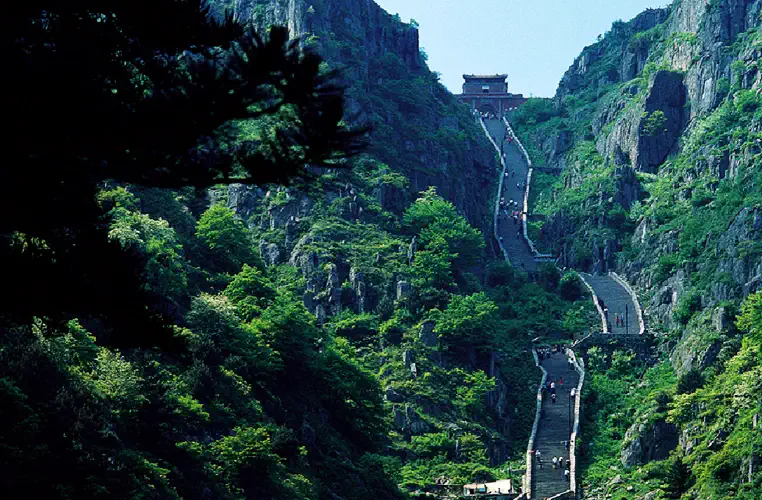
- Mount Tai (Taishan)泰山
The foremost of China's Five Sacred Mountains, a UNESCO World Heritage site revered by Confucians, Daoists and emperors alike, rising from the Shandong plain near the city of Tai'an.
- Qingdao青岛
German colonial-era port on the Shandong coast — red roofs, beer that came over with the Germans in 1903, and the cleanest beaches on the eastern coast.
- Qufu曲阜
Confucius's hometown in southwestern Shandong. The Confucius Temple, Confucius Family Mansion, and Confucius Forest — collectively UNESCO-listed.
- Tai'an泰安
City at the foot of Mount Tai (Taishan) — the most sacred of China's Five Sacred Mountains and a UNESCO World Heritage site. Dai Temple in the city centre is the ceremonial gateway; the mountain summit sunrise draws pilgrims and hikers in every season.
- Weifang潍坊
Shandong city known internationally as the Kite Capital of the World. The Weifang International Kite Festival in April is the largest kite event on earth; the city also preserves Yangliuqing woodblock print tradition and Qing-dynasty Yangjiabu folk art village.
- Weihai威海
Cleanest air in eastern China by AQI — a small coastal Shandong city with substantial Korean tourism, the Liu Gong Island naval-history park, and the country's most-photographed coastal cycling route.
- Yantai烟台
Coastal Shandong port and wine region. The Changyu Wine Culture Museum documents the 1892 founding of China's first modern winery; nearby Penglai is the legendary 'Eight Immortals' coast.
Food of Eastern China
- Beggar's Chicken叫花鸡
A whole chicken stuffed with aromatics, wrapped in lotus leaves and clay, then slow-baked until the meat steams in its own juices.
- Drunken Chicken醉鸡
Chicken steamed and marinated in Shaoxing rice wine, served chilled. A Shanghai banquet starter.
- Eight-Treasure Rice八宝饭
A steamed dome of glutinous rice layered with red bean paste and decorated with eight types of preserved fruits and nuts.
- Hairy Crab大闸蟹
Yangcheng Lake mitten crab — the autumn delicacy of the Yangtze Delta. Eaten steamed with vinegar dip.
Zibo weather by month
| Month | Jan | Feb | Mar | Apr | May | Jun | Jul | Aug | Sep | Oct | Nov | Dec |
|---|---|---|---|---|---|---|---|---|---|---|---|---|
| High °C | 5 | 9 | 17 | 21 | 28 | 33 | 32 | 30 | 28 | 21 | 14 | 6 |
| Low °C | -4 | -2 | 4 | 9 | 16 | 22 | 23 | 22 | 18 | 10 | 4 | -4 |
| Rain mm | 10 | 15 | 16 | 38 | 30 | 78 | 174 | 207 | 64 | 45 | 36 | 12 |
| Rain days | 2 | 3 | 3 | 6 | 5 | 8 | 13 | 13 | 6 | 5 | 5 | 2 |
2019–2023 average via Open-Meteo ERA5 (ERA5 reanalysis). "Rain days" = days per month with ≥1 mm precipitation.
Frequently asked questions
- When is the best time to visit Zibo?
- The best months to visit Zibo are April, May, September, and October. Spring (April–May) and autumn (September–October) are the most pleasant. Summer is humid and hot but the barbecue culture peaks.
- How many days do you need in Zibo?
- Plan 3 days for Zibo if you want to see the headline sights without rushing — Linzi Museum of Qi Culture, Ancient Linzi City walls, Zibo Ceramic Art Centre. Add an extra day for day trips from the city or for repeat visits to your favourite neighbourhood.
- Is Zibo safe for tourists?
- Zibo is an ordinary Chinese city with no particular safety concerns. The barbecue charcoal smoke in the Zichuan strips can be intense — outdoor tables are preferable if you have respiratory sensitivities.
- How do you get around Zibo?
- The city is spread across several districts — Zhangdian (the main urban centre), Zichuan (barbecue district), Linzi (ancient Qi capital), and Boshan (glass and ceramics). Buses and taxis connect them; the inter-district trips take 30–60 minutes. City buses have limited English signage — taxis or ride-hailing via Didi are cleaner.
- What's the daily budget for Zibo?
- Budget guide for Zibo: backpackers from around ¥160/day, mid-range travellers ¥340/day, comfortable trips from ¥680/day. These ranges cover accommodation, food, local transport and one paid sight per day, and exclude flights to and from the city.
- Where should you stay in Zibo?
- Business hotels concentrated in Zhangdian district. The Zichuan area has guesthouses catering to the barbecue visitor market. Book ahead on weekends when domestic barbecue tourists are at their densest.
Spotted something out of date? Submit a correction.
Research
Cross-checked against primary sources
Verified
Address, hours, fees confirmed at the date shown
Updated
Re-verified periodically; corrections welcome